
Sauces & Condiments
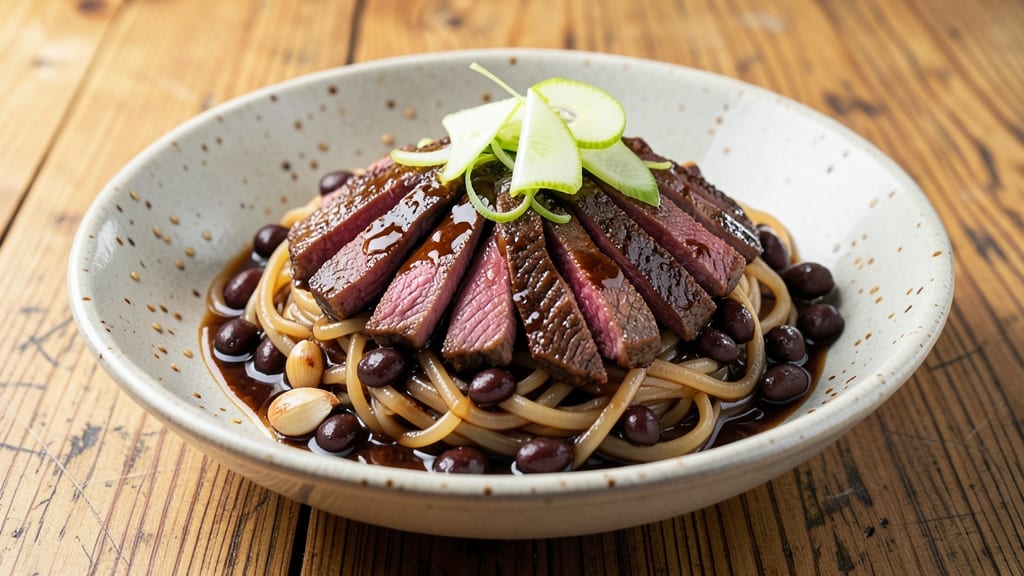
This beef black bean sauce rice noodle recipe transforms weeknight dinners into restaurant-quality slurps with just 20 minutes of active work. 🔥 The secret lies in balancing tender beef, silky rice noodles, and a rich black bean sauce packed with umami depth—no complicated techniques required.
I developed this after years of testing Asian noodle dishes, and it's the one that finally delivers that perfect harmony of textures and flavors.
The foundation starts with searing thinly sliced beef until perfectly browned, then quickly stir-frying with garlic and ginger to lock in those caramelized flavors.
Meanwhile, the black bean sauce—made from fermented black beans, soy sauce, and a touch of sugar—simmers until thick and glossy, creating that signature sticky-sauce consistency we all love. The rice noodles soak just long enough to soften without turning mushy, ensuring they hold their shape when tossed.
What you'll end up with is a dish that's impossibly satisfying: tender beef with a slight char, chewy yet tender rice noodles, and a sauce that's both savory and slightly sweet.
The black bean sauce clings to every strand of noodle, while the beef adds hearty protein that keeps you full for hours. This recipe proves you don't need a wok or fancy equipment to create restaurant-quality Asian noodles at home.
Serve immediately for that perfect slurp, or let it sit for 10 minutes if you prefer slightly cooler noodles. The flavors only deepen as they meld together—ideal for a quick weeknight meal that feels special. Here's everything you need to make it happen.
Ingredients for beef black bean sauce rice noodle
Here's what you need for this restaurant-worthy beef black bean noodle dish—just 14 ingredients for maximum umami slurp.
| Ingredient | Amount | Notes |
|---|---|---|
| Flank Steak 🥩 | 1 lb | Thinly sliced against grain |
| Fermented Black Beans 🫘 | ½ cup | Drained and rinsed |
| Rice Noodles 🍜 | 8 oz | Medium width, uncooked |
| Light Soy Sauce 🥄 | ¼ cup | Kikkoman preferred |
| Garlic Cloves 🧄 | 4 cloves | Minced finely |
| Fresh Ginger 🌿 | 1 tbsp | Grated, peeled |
| Sesame Oil 🫒 | 1 tbsp | Toasted, for aroma |
| Sugar 🍯 | 1 tbsp | White or brown |
| Vegetable Oil 🫒 | 2 tbsp | High smoke point |
| Green Onions 🧅 | 3 whole | Sliced thin, white/green |
| Sesame Seeds 🌾 | 1 tbsp | Toasted lightly |
| Salt 🧂 | ½ tsp | Kosher or sea |
| Black Pepper 🌶️ | ¼ tsp | Freshly ground |
| Lime 🍋 | 1 whole | Juiced, for brightness |
The beef is non-negotiable—flank steak gives you that perfect chewy texture when sliced thin. Look for pre-sliced Asian-style beef at Trader Joe's or H Mart if you're short on time, but slicing it yourself against the grain ensures tender bites. Fermented black beans are the umami powerhouse here—Asian markets carry them in jars, but Walmart sometimes stocks the canned version. Fresh ginger and garlic? Don't skip the zest—it's what makes the sauce sing. I always grab extra ginger because it keeps for weeks in the freezer.
No fermented black beans? Substitute 2 tbsp soy sauce plus 1 tbsp hoisin sauce—it won't be identical, but you'll still get that deep flavor. Rice noodles can be swapped for egg noodles if you're in a pinch, but they won't have the same silky texture. The sesame oil is for aroma only—use sparingly, or swap for 1 tsp toasted sesame seeds if you're avoiding strong flavors. For the sauce, Kikkoman soy sauce is my go-to, but any light soy will work. If you're making this ahead, prep the sauce first—it keeps for 3 days in the fridge.
This dish is best served immediately, but the sauce and cooked beef hold up well for 2 days in the fridge. Store noodles separately to prevent sogginess. For extra authenticity, toast the sesame seeds in a dry pan for 30 seconds before adding—they'll smell incredible. Leftovers? Toss with a splash of water to loosen, then reheat gently. The flavors actually improve overnight as everything melds together. Keep the lime juice separate until serving to prevent the noodles from getting mushy.
Why You'll Love This Recipe
- One-Pan Magic: I swear by this recipe when I’m too tired to wash dishes—just sear the flank steak, toss in the fermented black beans and garlic, let it bubble with the soy sauce, then dump in the noodles. The sauce thickens right in the pan, and suddenly, you’ve got a restaurant-quality meal with one spatula.
- Umami Bomb: That fermented black bean paste? It’s the secret weapon. The first time I used it, I nearly burned my tongue from how intense it is—but in the right balance with soy sauce and garlic, it creates this deep, savory richness that sticks to every strand of noodle. Not sweet, not salty, just good.
- Lunchbox Hero: Between us, this is my go-to for packed lunches. The noodles hold up surprisingly well overnight, and the beef stays tender (if you slice it thin enough against the grain). I’ll be real: my coworkers think I’m a genius when I bring it in—especially since it’s cheap enough to feed four but still feels like a treat.
- Budget Steakhouse: Flank steak on sale? Fermented black beans in the Asian aisle? This is how you stretch a small cut of meat into a big, satisfying meal. I’ll often double the sauce and freeze half—because why pay for takeout when you can have this for half the price, with way more flavor? Plus, the leftovers taste even better the next day.
Step-by-step instructions for beef black bean sauce rice noodles
Here's how to create silky noodles with a rich, umami-packed sauce that balances sweet, salty, and tangy flavors.
🔪 Step 1: Prep the Flank Steak and Aromatics
Slice the 1 lb flank steak thinly against the grain for tender bites. Arrange the slices on a plate and sprinkle with 0.5 tsp salt and 0.25 tsp black pepper. Let them sit for 10 minutes while you prep the aromatics—this helps tenderize the meat.
Finely mince the 4 cloves garlic and grate the 1 tbsp fresh ginger. Thinly slice the 3 whole green onions, separating the white and green parts. Toast the 1 tbsp sesame seeds in a dry skillet over medium heat for 1-2 minutes until golden and fragrant—this adds nutty depth to your dish.
🍳 Step 2: Sear the Steak and Build the Sauce Base
Heat 1 tbsp vegetable oil in a wok or large skillet over high heat until shimmering. Add the steak slices in a single layer and sear for 1-2 minutes per side until browned but still slightly pink in the center. Remove the steak and set aside—it'll finish cooking later.
In the same pan, add the remaining 1 tbsp vegetable oil and swirl to coat. Add the minced garlic and ginger, stirring constantly for 30 seconds until fragrant but not browned. Pour in the 0.25 cup light soy sauce and 1 tbsp sugar, scraping up any browned bits from the bottom. Let it simmer for 1 minute until slightly reduced.
🍳 Step 3: Simmer the Black Bean Sauce
Add the 0.5 cup fermented black beans (drained and rinsed) to the pan and stir to combine. Pour in ½ cup water and bring to a gentle simmer. Cook for 5-6 minutes until the beans soften slightly and the sauce thickens to a glossy consistency. Taste and adjust seasoning—you want a balance of salty, sweet, and umami.
Return the steak to the pan and stir gently to coat in the sauce. Add the white parts of the green onions and the 1 tbsp toasted sesame oil. Cook for another 2 minutes until everything is heated through. Remove from heat and stir in the juice of the 1 whole lime—this brightens the dish and cuts through the richness.
🥘 Step 4: Cook the Rice Noodles
Bring a large pot of water to a boil. Add the 8 oz rice noodles and cook according to package instructions (usually 3-5 minutes). They're done when they float to the surface and are tender but still slightly chewy. Drain immediately and rinse under cold water to stop the cooking process—this prevents them from becoming mushy.
Drain well and toss the noodles with 1 tsp sesame oil to keep them from sticking. Divide the noodles among four bowls. Top each with the beef and black bean sauce, then sprinkle with the green onion greens and remaining 1 tbsp toasted sesame seeds.
🍽️ Step 5: Serve Immediately for Maximum Freshness
Serve the noodles right away while they're still warm and the sauce is glossy. The combination of tender steak, silky noodles, and rich black bean sauce creates a perfect balance of textures and flavors. Each bite should deliver a mix of savory, slightly sweet, and tangy notes with a satisfying chew from the noodles.
For extra flavor, serve with additional lime wedges on the side. The acidity helps cut through the richness, especially if you've made extra sauce. This dish tastes even better the next day as the flavors meld together—just reheat gently with a splash of water to loosen the sauce.
Pro Tips For Making Beef Black Bean Sauce Rice Noodle
- SEAR THE STEAK FIRST: I learned this the hard way—skipping the sear means bland beef in your sauce. Hit the flank steak with a screaming-hot pan (no oil yet) for 30 seconds per side until it’s deeply browned. That crust carries the umami flavor through the whole dish, not just the surface.
- SOAK NOODLES UNTIL FLEXIBLE: Rice noodles turn mushy when overcooked, but they’re also tough if underdone. Soak them in warm water for 10-15 minutes until they’re pliable but still hold shape—like al dente pasta. Drain right before adding to the pan, or they’ll turn to mush in the sauce.
- CRUSH BLACK BEANS COARSELY: Whole fermented black beans add texture, but if you crush them too fine, the dish loses its signature chew. Use the flat side of a knife or a mortar to break them into uneven chunks—big enough to taste but small enough to melt into the sauce as it cooks.
- DEGLAZE WITH SOY SAUCE LAST: Sounds weird, but it works: Deglaze the pan with a splash of water or broth first to lift the browned bits, then add the light soy sauce after the black beans have softened. This keeps the sauce rich and balanced, not overpoweringly salty from the soy breaking down too early.
Dietary considerations for this recipe
Gluten-Free Adaptations
This dish is naturally gluten-free if you use tamari or gluten-free soy sauce instead of regular soy sauce. I always keep a bottle of San-J brand tamari in my pantry—it has that deep umami flavor without the gluten.
The fermented black beans and rice noodles are also gluten-free, so you won't need to make any other substitutions beyond the soy sauce. Just double-check your noodle package to ensure they're certified gluten-free. 🌱
Vegetarian Options
For a meatless version, swap the beef for extra-firm tofu or mushrooms. I like using shiitake mushrooms because they hold their shape and absorb flavors beautifully. Press and slice them thinly, then marinate in 1 tbsp soy sauce and 1 tsp cornstarch for 15 minutes before cooking.
The black bean sauce still delivers that rich umami punch without any animal products.
Low-Carb Swaps
If you're watching carbs, replace the rice noodles with shirataki noodles (made from konjac yam). These noodles are nearly calorie-free and have a satisfying chew. Just rinse them thoroughly and parboil for 2 minutes before using.
You can also reduce the portion of rice noodles by half and bulk up the dish with extra veggies like bok choy or bell peppers for volume and nutrients.
Protein Swaps
Looking for variety? Swap the beef for chicken thigh (boneless, skinless) or shrimp for a seafood twist. If using shrimp, sauté them for just 1-2 minutes until pink—they cook faster than beef.
For chicken, slice it thinly and cook it for 3-4 minutes until fully done. The black bean sauce works wonderfully with all these proteins, keeping the dish flavorful and satisfying.
Allergy Considerations
This recipe is naturally free from common allergens like dairy, eggs, and nuts, making it safe for many dietary restrictions. If you're sensitive to sesame, simply omit the sesame oil and seeds—it won't affect the overall flavor.
For soy allergies, use a coconut aminos substitute in place of soy sauce, though the flavor will be slightly different. Always check labels on pre-packaged ingredients like rice noodles for hidden allergens.
Nutrition facts
Frequently asked questions
Can I use regular black beans instead of fermented black beans?
Fermented black beans are key for that deep umami flavor, but you can substitute with 2 tbsp soy sauce plus 1 tbsp hoisin sauce for a similar effect. The texture will be different—fermented beans add a slight chewiness that regular beans lack. If you're in a pinch, the flavor will still be delicious, just less complex.
How do I prevent the rice noodles from turning mushy?
Always rinse the noodles under cold water immediately after cooking to stop the cooking process. Drain them well and toss with 1 tsp sesame oil to prevent sticking. Cook them just until they float (usually 3-5 minutes)—overcooking leads to mushiness. For extra insurance, soak them for 10 minutes in warm water instead of boiling.
What's the best way to slice flank steak for this recipe?
Slice against the grain into ¼-inch thick strips for maximum tenderness. Freeze the meat for 30 minutes first to make slicing easier—it becomes firmer and less likely to tear. Use a sharp knife and work quickly to avoid overcooking the edges. The goal is thin slices that cook through in 1-2 minutes per side.
Can I make this ahead of time?
Yes! Prepare the black bean sauce and cooked beef up to 2 days ahead, storing separately in the fridge. Reheat gently with a splash of water. Cook the noodles fresh—they lose texture when refrigerated. For best results, assemble just before serving. The flavors actually improve overnight as everything melds together.
Why is my sauce too thin or too thick?
Sauce consistency depends on simmering time. For thicker sauce, simmer uncovered for 2-3 extra minutes to reduce. Too thin? Add 1 tsp cornstarch mixed with water as a slurry and stir until thickened. The ideal texture should coat the back of a spoon but still be pourable—like a glossy glaze.