
Main Courses
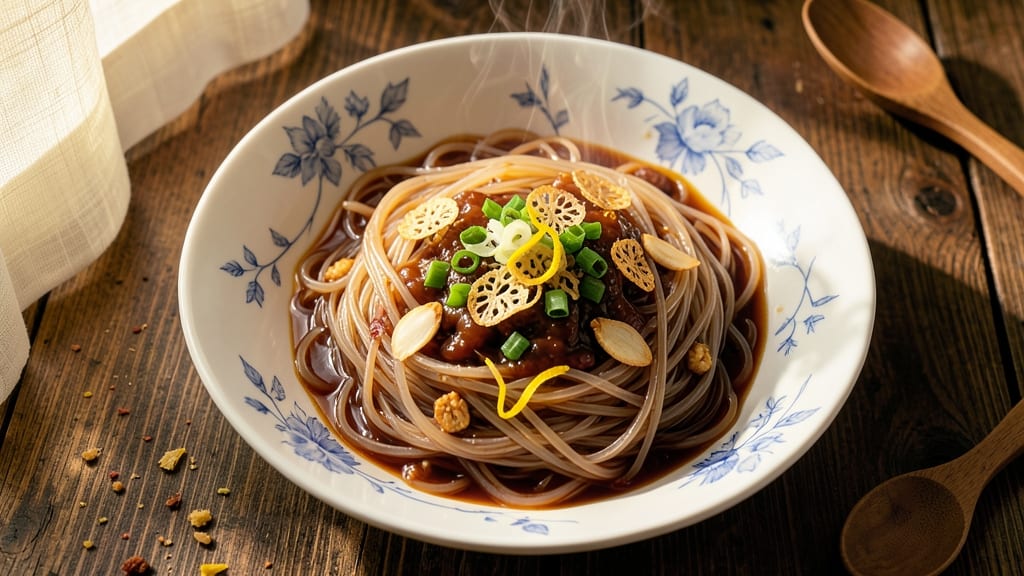
This bean thread noodles stir-fry delivers the perfect balance of slippery, silky noodles and crispy garlic-ginger bites—a dish that feels both traditional and modern. The secret lies in properly preparing the delicate noodles and achieving that coveted wok hei flavor through high-heat stir-frying.
I've refined this recipe over years of testing, ensuring every element comes together for a restaurant-quality experience at home.
The foundation starts with bean thread noodles, which must be soaked and drained just right to achieve that signature slippery texture. While they cook, we build a crispy garlic-ginger base that forms the flavor backbone of the dish.
This isn't just about tossing ingredients together—it's about timing, heat control, and layering flavors to create a harmonious bite.
What you'll end up with is a dish where each strand of noodle glides across your tongue, followed by the satisfying crunch of garlic and ginger. The sauce—simple yet essential—ties everything together with just the right amount of umami and brightness.
This stir-fry is versatile enough for weeknight dinners but impressive enough for guests.
Perfect as a light main course or part of a larger spread, this recipe proves you don't need meat for a satisfying, flavor-packed meal. The technique is straightforward once you understand the key steps, and the results are worth every minute of preparation.
Let's get started on creating this delicate yet bold dish.
Ingredients for bean thread noodles recipe stir fry
These delicate ingredients transform into a restaurant-quality stir-fry with perfect texture contrast.
| Ingredient | Amount | Notes |
|---|---|---|
| Bean Thread Noodles 🍜 | 8 oz | Dried, for soaking |
| Garlic Cloves 🧄 | 6 cloves | Fresh, minced finely |
| Fresh Ginger 🌿 | 2 tbsp | Finely minced, peeled |
| Vegetable Oil 🫒 | ½ cup | High smoke point preferred |
| Sesame Oil 🫒 | 1 tbsp | Toasted, for aroma |
| Soy Sauce 🍶 | ⅓ cup | Low-sodium preferred |
| Rice Vinegar 🍶 | 2 tbsp | White or seasoned |
| Maple Syrup 🍯 | 1 tbsp | Pure, for balance |
| Red Chili Flakes 🌶️ | ½ tsp | Adjust to heat preference |
| Scallions 🧅 | 4 whole | Thinly sliced, white/light green |
| Sesame Seeds 🌱 | 1 tbsp | Toasted for garnish |
| Lime Wedges 🍋 | 2 whole | For serving |
| Cilantro 🌿 | ¼ cup | Chopped, for garnish |
Bean thread noodles are the star here—look for high-quality dried strands like those from Asian markets or well-stocked grocery stores. The best brands (like Haein) have a fine, silky texture that soaks up flavors beautifully. Fresh garlic and ginger should be vibrant and firm—no shriveled cloves or moldy spots. For the oil, avocado or refined peanut oil works best due to their high smoke points. Toast your sesame seeds in a dry pan for 30 seconds before using—they'll release incredible aroma and add crunch. The scallions should be crisp, with no wilted stems.
No fresh ginger? Substitute with 1 tbsp ground ginger, but it won't have the same depth. Running short on sesame oil? Toasted peanut oil at half the amount gives a similar nutty flavor. For extra umami, add 1 tbsp mushroom powder to the sauce mix. The maple syrup can be swapped for agave nectar if preferred. If you can't find bean thread noodles, rice vermicelli noodles work in a pinch—just soak them 10 minutes longer. The lime wedges should be freshly squeezed for serving—they brighten the dish instantly.
Soak the noodles in hot water for exactly 3-4 minutes—no longer or they'll turn mushy. Drain and rinse with cold water to stop cooking. Store uncooked noodles in an airtight container for up to 6 months, while fresh ginger and garlic keep in the fridge for 2 weeks. The sauce components can be pre-mixed and stored for 3 days. For meal prep, cook the noodles and sauce separately, then combine just before serving to maintain that perfect crispy texture. Garnishes keep fresh for 5 days wrapped in damp paper towels.
Why You'll Love This Recipe
- No-Fuss Prep: I swear by this one—just soak the noodles for 10 minutes, chop the garlic and ginger while the water boils, and boom. No fancy techniques, no stress. The real magic? Those bean threads soften into silky strands with zero effort.
- Umami Bomb: That first hit of sesame oil hitting the pan—chef’s kiss—then the garlic sizzling until it’s just crispy enough. The ginger adds this bright, zesty kick that cuts through the richness, making every bite feel like a little flavor explosion. Honestly, it’s the kind of dish that makes you go back for seconds without even thinking.
- Lunchbox Hero: Between us, this is my go-to for packed lunches. Toss it with a fried egg or some leftover chicken, and it’s a full meal that stays fresh for days. (Yes, even on a Tuesday night.) The noodles hold up better than most, and the flavors only get better the next day—no sad, soggy leftovers here.
- Budget Win: I buy bean threads in bulk, and they last forever. A few cloves of garlic, a thumb of ginger, and a splash of oil—that’s it. No specialty ingredients, no markup. It’s the kind of recipe that proves you don’t need fancy stuff to make something that tastes like it belongs on a restaurant menu.
Step-by-step instructions for bean thread noodles stir-fry
Transform delicate bean thread noodles into a restaurant-worthy dish with this precise technique.
Soak the Bean Thread Noodles Properly
Place the 8 oz bean thread noodles in a large mixing bowl and cover completely with cold water. Let them soak for at least 30 minutes—I recommend 45 minutes for maximum silkiness. You'll know they're ready when they've tripled in volume and become completely translucent, with no visible strands remaining. Gently drain them in a colander, reserving ½ cup of the soaking water for later.
This soaking step is critical—under-soaked noodles will be chewy, while over-soaked ones lose their delicate texture. The reserved water contains natural starch that will help create the signature slippery consistency. Don't rinse the noodles after draining, as this removes the surface starch needed for the perfect texture.
Create the Garlic-Ginger Base
Heat ½ cup vegetable oil in a wok or large skillet over medium-high heat until shimmering but not smoking. Add the 6 cloves minced garlic cloves and 2 tbsp minced fresh ginger, stirring constantly for 30-45 seconds until the garlic turns golden brown and fragrant. Immediately remove the pan from heat to prevent burning.
The key here is timing—garlic burns in seconds, losing its delicate flavor. You want that crispy, aromatic bite that defines this dish. Let the mixture cool slightly for 1 minute before proceeding, as the residual heat will help cook the noodles perfectly when combined.
Build the Flavorful Sauce
Return the wok to medium heat and add 1 tbsp sesame oil, stirring to combine with the garlic-ginger mixture. Pour in the ⅓ cup soy sauce, 2 tbsp rice vinegar, and 1 tbsp maple syrup, stirring continuously for 1-2 minutes until the sauce begins to thicken slightly. Sprinkle in the ½ tsp red chili flakes and toss to distribute evenly.
This sauce should coat the back of a spoon with a glossy sheen—if it's too thick, add 1-2 tablespoons of the reserved noodle water to achieve the perfect consistency. The maple syrup balances the saltiness while the chili flakes add subtle heat that lingers beautifully.
Combine Noodles and Sauce
Add the drained bean thread noodles to the wok in batches, tossing vigorously with tongs to coat each strand evenly with the sauce. Work quickly to prevent the noodles from sticking together. Cook for 2-3 minutes until the noodles are hot throughout and have absorbed the sauce completely.
Here's where the magic happens—the noodles should be slippery yet still holding their shape, with a glossy sheen from the sauce. If they appear dry, add another splash of reserved noodle water. The texture should be delicate yet substantial, with each strand maintaining its individuality rather than clumping together.
Finish and Garnish
Remove the wok from heat and stir in the 4 whole thinly sliced scallions and 1 tbsp toasted sesame seeds. Divide the noodles among 4 serving plates, garnishing each portion with 2 lime wedges and 1 tbsp chopped cilantro. Serve immediately while the noodles are still steaming hot and the garlic-ginger aroma is at its peak.
Each bite should deliver that perfect balance of textures—silky noodles with crispy garlic-ginger bits, complemented by the bright acidity of lime and fresh cilantro. The dish maintains its delicate nature while delivering bold, layered flavors that make it far more than just a simple stir-fry.
Pro Tips For Making Bean Thread Noodles Recipe Stir Fry
- STIR-FRY NOODLES FIRST: I learned this the hard way—bean thread noodles turn to mush if you toss them in after everything else. Soak the noodles until pliable (about 10 minutes), then stir-fry them first in a dry wok for 30 seconds to crisp the edges. Only then add your aromatics and sauce. This keeps them chewy, not soggy.
- GRATE GINGER FINE: Skip the chunky slices—you’ll taste every piece. Use a microplane or the smallest side of a box grater for ginger. A teaspoon of finely grated ginger (not minced) blends seamlessly into the oil and won’t leave awkward texture. Trust me, your stir-fry will thank you.
- USE HIGH HEAT: Bean thread noodles need a screaming-hot wok to develop that signature crisp-tender texture. If your pan isn’t smoking when you add oil, walk away and crank the burner higher. Low heat = sad, limp noodles. High heat = the real deal.
- SALT THE NOODLES: This isn’t just about flavor—salting the soaked noodles (½ tsp salt per bowl) before cooking prevents them from absorbing too much liquid from the stir-fry. Rinse briefly if they taste too salty afterward, but don’t skip this step. Your sauce will stick better, and the texture stays perfect.
Pro cooking tips for this recipe
High-Heat Wok Mastery
Your wok needs to be screaming hot before adding oil—look for small ripples forming on the surface. I use a 14-inch carbon steel wok preheated over high heat for 3-4 minutes until it's almost smoking.
This creates the wok hei (breath of the wok) flavor that separates home stir-fries from restaurant-quality dishes. If your wok isn't hot enough, the garlic will steam instead of crisping. 🔥
Noodle Texture Secrets
Never rinse bean thread noodles after draining—the surface starch is what creates that signature slippery texture. I soak them in hot water for exactly 3-4 minutes (not cold water) to maintain their delicate structure.
For extra silkiness, add 1 tsp baking soda to the soaking water. The noodles should be translucent with no visible strands when ready. Over-soaking by even 30 seconds turns them mushy.
Garlic Timing Tricks
Garlic burns in 10 seconds flat, so constant stirring is non-negotiable. I cut my garlic into paper-thin slivers (not minced) for maximum surface area. Remove the wok from heat the moment the garlic turns golden brown—it continues cooking from residual heat.
For extra flavor, add ½ tsp fish sauce (vegan substitute: ½ tsp soy sauce + ¼ tsp miso paste) to the garlic-ginger mixture before removing from heat.
Sauce Consistency Control
The sauce should cling to the noodles like liquid silk. If it's too thick, add reserved noodle water 1 tablespoon at a time until it reaches a glossy, pourable consistency. I like to test it by dipping a chopstick in the sauce—it should leave a smooth, unbroken line.
For extra depth, add ½ tsp white pepper to the sauce mixture. The chili flakes should be toasted first for 10 seconds in a dry pan to intensify their flavor.
Batch Cooking Technique
Adding noodles all at once causes crowding and steaming instead of crisping. Divide them into 2 batches and cook each for 1-2 minutes until just heated through. Work quickly but deliberately—this is where the dish's texture magic happens.
If your wok isn't large enough, cook in 3 batches and keep the first batch warm in a clean bowl lined with a damp paper towel to prevent sticking. 💡
Final Plating Tips
Use a wide-mouth serving spoon to portion the noodles directly onto plates to maintain their delicate texture. The lime wedges should be freshly cut—their acidity cuts through the richness and brightens each bite.
For presentation, create a small well in the center of each serving and nestle a few crispy garlic bits on top. The contrast between the slippery noodles and crisp garnishes is what makes this dish visually stunning and irresistibly delicious.
Nutrition facts
Frequently asked questions
Can I substitute bean thread noodles with other noodles?
While bean thread noodles are ideal for their signature slippery texture, you can use rice vermicelli or cellophane noodles in a pinch. Soak them 10-15 minutes longer (about 55-60 minutes total) since they're thicker. For a similar texture, look for shirataki noodles, but they'll need double the soaking time (2+ hours) and may require extra sauce to compensate for their neutral flavor.
How do I prevent the noodles from sticking together?
Work quickly and use two heat-safe spatulas to keep strands separated while tossing. A lightly oiled wok helps too—add 1 tsp vegetable oil after removing the garlic-ginger mixture. If noodles stick, immediately add 1 tbsp reserved soaking water and toss vigorously. The key is high heat and constant motion—never let them sit in the wok unattended.
Can I make this recipe ahead of time?
Prepare components separately for best results. Soak and drain noodles up to 2 days ahead, storing them in an airtight container with a damp paper towel to prevent drying. Make the sauce in advance and store it separately. When ready to serve, quickly reheat the wok, add fresh garlic-ginger, then toss in noodles and sauce. Garnish just before serving for maximum freshness.
What's the secret to getting crispy garlic?
Use paper-thin garlic slivers (not minced) for maximum surface area. Cook over high heat with constant stirring until edges turn golden brown—this takes 30-45 seconds. Remove immediately to prevent burning. For extra crunch, add ½ tsp cornstarch to the garlic before cooking. The residual heat after removing from the wok continues the crisping process.
How do I adjust the heat level?
For milder heat, reduce chili flakes to ¼ tsp or omit completely. For extra spice, add ½ tsp gochujang (Korean chili paste) or 1 tsp sriracha to the sauce. Toast ½ tsp cayenne pepper with the garlic for smoky heat. Remember, the sauce should complement—not overpower—the delicate noodles. Start with less and adjust to taste at the end.