
Soups & Stews
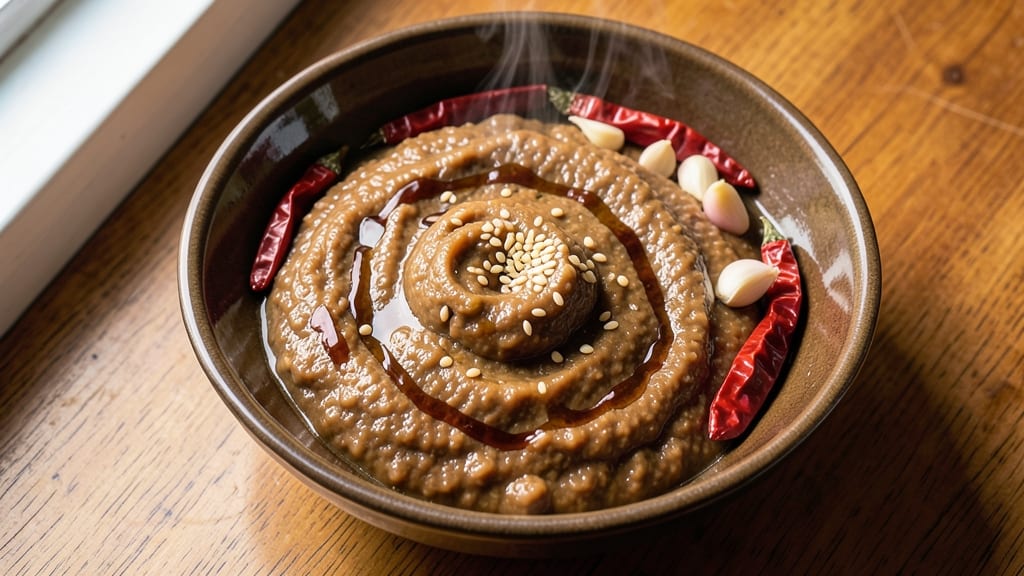
This broad bean chili paste transforms simple ingredients into a deeply flavorful, smoky umami base that elevates soups, stews, and noodles with just a spoonful. The secret lies in blending broad beans with chili peppers, garlic, and aromatics until smooth—creating a paste that’s both complex and effortlessly versatile.
I developed this recipe after realizing how much richer my dishes became when I added a spoonful of homemade chili paste instead of store-bought versions. The process is straightforward: simmer the ingredients until fragrant, then blend until silky smooth.
The broad beans add natural creaminess, while the chili peppers bring heat and depth. A touch of soy sauce and ginger rounds out the flavors, ensuring every spoonful delivers a balanced punch.
This paste isn’t just a condiment—it’s a flavor multiplier, turning ordinary meals into something extraordinary with minimal effort. What makes this recipe stand out is its adaptability. Use it as a stir-in for soups, a glaze for grilled meats, or a dipping sauce for spring rolls.
The paste keeps well in the fridge for up to a month, so you can make a big batch and enjoy it throughout the week. No special equipment is needed—just a blender and a little patience to let the flavors meld.
For best results, let the paste sit for 10 minutes after blending to allow the flavors to fully develop. The result is a rich, aromatic condiment that’s far more vibrant than anything you’ll find in stores.
Whether you’re cooking for one or feeding a crowd, this broad bean chili paste will become your go-to flavor booster.
Ingredients for broad bean chili paste
Eight simple ingredients transform into a smoky, umami-packed paste that'll change how you cook forever.
| Ingredient | Amount | Notes |
|---|---|---|
| Dried Broad Beans 🌱 | ½ cup | Soaked overnight, skins removed |
| Dried Red Chili Peppers 🌶️ | 2 tbsp | Or 1 tbsp chili flakes |
| Garlic Cloves 🧄 | 6 cloves | Peeled, lightly crushed |
| Fresh Ginger 🌿 | 1 tbsp | Grated, skin removed |
| Light Soy Sauce 🍶 | 1 ½ tbsp | Tamari for gluten-free |
| Sesame Oil 🫒 | 1 tbsp | Toasted for nutty aroma |
| Vegetable Oil 🫒 | 2 tbsp | For frying aromatics |
| Brown Sugar 🍯 | 1 tbsp | Balances heat |
| White Vinegar 🍶 | 1 tsp | Brightens flavors |
| Salt 🧂 | ½ tsp | Adjust to taste |
Broad beans are the star here—soak them overnight to soften, then slip off those skins (they add bitterness). Trader Joe's carries dried broad beans, but Asian markets usually have them too. If you can't find them, substitute cannellini beans (drained and rinsed). For the chili peppers, I grab arbol or guajillo from the bulk bins—they pack serious heat without overpowering. Fresh ginger is ideal, but powdered works in a pinch (use half the amount). Toast the garlic and ginger in the vegetable oil first—this builds the base flavor and makes the whole kitchen smell amazing.
No soy sauce? Coconut aminos works just as well. Short on sesame oil? Toast sesame seeds and grind them for a budget-friendly alternative. The brown sugar might seem odd, but it's key to balancing the heat and adding depth. If you're sensitive to spice, reduce the chili peppers to 1 tbsp or use mild chili flakes. For extra richness, add 1 tbsp nutritional yeast when blending. And if you're making a big batch, double everything—this paste freezes beautifully for up to 6 months. Just let it thaw in the fridge overnight before using.
This paste is a flavor multiplier—start with 1 tsp per serving and adjust to taste. Store it in a small glass jar with a tight seal in the fridge for up to 1 month. The flavors actually improve after a few days of resting. For longer storage, portion into ice cube trays, freeze, then transfer to a bag. Each cube equals about 1 tsp of paste—perfect for adding to soups, marinades, or stir-fries. Pro tip: Let it sit for 10 minutes after blending to let the flavors meld completely. Trust me, it's worth the wait.
Why You'll Love This Recipe
- Pantry-to-Pot Magic: I swear by this one—just dried beans, chilis, and a few staples. No fresh produce to spoil, no fancy equipment. Honestly, I keep a jar of this in my cupboard because it’s the closest thing to a shortcut that still feels homemade.
- Umami Bomb: That deep, smoky-sweet heat from the broad beans and chilis? It’s the kind of flavor that lingers. The soy sauce ties it all together—salty, savory, and just a little addictive. (Yes, even on a Tuesday night.)
- Endless Pairings: Slather it on noodles, mix it into rice, or toss it with tofu for a quick stir-fry. I’ve even used it as a marinade for chicken—works every time. Between us, it’s my secret weapon for when I’m too tired to plan.
- Budget-Friendly Staple: Dried beans and chilis last for months, and a little goes a long way. I make a big batch, freeze it, and pull it out whenever I need a flavor boost. Not the prettiest, but the taste makes up for it—and my wallet thanks me.
Step-by-step instructions for broad bean chili paste
This smoky umami paste comes together with simple techniques and bold flavors.
Prepare the Broad Beans
Start by draining and thoroughly rinsing the soaked 0.5 cup dried broad beans. You'll notice they've expanded significantly during soaking—this is essential for developing their rich, earthy flavor. Using your fingers, gently rub off the skins while submerged in water to prevent mess. Drain again and set aside.
In a small bowl, combine the peeled broad beans with the 2 tablespoons dried red chili peppers and 6 cloves garlic. Give everything a good toss with your hands to distribute the chili evenly. This step ensures balanced heat and depth of flavor throughout the paste. If you prefer milder heat, you can reduce the chili to 1 tablespoon at this stage.
Toast the Aromatics
Heat 2 tablespoons vegetable oil in a dry skillet over medium heat. Add the broad bean mixture and toast for 5-7 minutes, stirring frequently. You'll see the edges begin to brown slightly—that's when you'll know the garlic and chili are developing their signature nutty aroma. Be patient here; rushing this step results in raw flavors.
Once the mixture smells deeply aromatic (like a mix of toasted nuts and spice), remove from heat and let cool completely. This cooling period is crucial—it prevents the sesame oil from breaking when added later. While cooling, transfer the toasted mixture to a food processor or high-powered blender for the next step.
Blend with Wet Ingredients
Add the 1 tablespoon grated fresh ginger, 1.5 tablespoons light soy sauce, 1 tablespoon toasted sesame oil, 1 tablespoon brown sugar, 1 teaspoon white vinegar, and 0.5 teaspoon salt to the food processor. Pulse a few times to break up any large pieces, then blend continuously for 2-3 minutes until you achieve a smooth, thick paste.
Here's the thing—this paste should be thick enough to cling to the sides of the bowl when you lift it with a spoon. If it's too loose, add 1 teaspoon more sesame oil at a time until it reaches the right consistency. The paste will darken as it blends, developing that rich, smoky umami color that makes it so versatile in soups and stews.
Adjust and Store
Taste the paste immediately—this is your chance to adjust the balance. Need more heat? Add a pinch of chili flakes. Too sweet? A splash of vinegar brightens it up. The beauty of this recipe is its flexibility; you can tweak it to match your exact preferences. Once satisfied, transfer the paste to a clean, airtight jar.
For best results, store in the refrigerator for up to 2 weeks or freeze for up to 3 months. The flavors actually deepen over time, making it even more complex. When ready to use, simply stir 1-2 teaspoons into soups, stews, or marinades—it's that easy. The paste will dissolve smoothly, infusing everything with its signature smoky, umami richness.
Pro Tips For Making Broad Bean Chili Paste
- SOAK BEANS OVERNIGHT: I learned this the hard way—rushing broad beans with a quick soak leaves them tough and gummy. Cover them in water for at least 12 hours (or up to 24) and change the water once halfway through. The longer they soak, the creamier your paste will be—no one wants to chew through chili paste.
- ROAST CHILIS UNTIL BLACK: Dried chilies lose their heat and depth if you just toss them in raw. Char them directly over a gas flame (or under a broiler) until the edges blacken. This smoky step makes the paste sing—skip it, and you’ll just end up with a dull, one-note flavor.
- PEEL GINGER WITH A KNIFE: Rubbing ginger with a spoon wastes time and leaves fibrous bits. Instead, use the flat side of a chef’s knife to press and roll the root—peels slide off like magic. Fresh ginger should be firm and pale; if it’s soft or sprouting, toss it.
- SWEAT GARLIC LOW AND SLOW: High heat burns garlic before it releases its sweetness. Cook it in the oil on medium-low until it’s golden but not browned—about 5-7 minutes. If you rush this, your paste will taste bitter, and no amount of soy sauce can fix it.
Regional styles of these flavors
Thai-Inspired Chili Paste
In Thailand, broad beans are often combined with lemongrass and kaffir lime leaves for a fragrant twist. Swap the soy sauce for fish sauce (or vegan fish sauce) and add 1 stalk lemongrass (bruised) and 2 kaffir lime leaves (torn) to the toasted aromatics.
After blending, stir in 1 tsp palm sugar for a balanced sweetness. This version works beautifully with tom yum soup or as a marinade for grilled tofu. 🌿
Korean Gochujang Fusion
For a Korean-inspired paste, replace the sesame oil with 1 tbsp gochujang (Korean chili paste) and add 1 tbsp toasted sesame seeds to the blend. Use 1 tbsp rice vinegar instead of white vinegar and a pinch of black pepper for depth.
This richer paste pairs perfectly with bibimbap or kimchi stew. Store it with a thin layer of oil on top to preserve its vibrant color.
Mediterranean Broad Bean Spread
Transform this paste into a dip or spread by adding 2 tbsp tahini and 1 tbsp lemon juice after blending. Reduce the chili to 1 tbsp and add 1 tsp dried oregano for a Mediterranean flair.
Serve with warm pita bread or as a condiment for grilled halloumi. The tahini adds creaminess while keeping it light enough for summer meals. ✨
Smoky BBQ Glaze Twist
For a smoky BBQ glaze, blend in 1 tbsp smoked paprika and 1 tbsp apple cider vinegar after the initial blend. Add 1 tbsp maple syrup to balance the heat.
Brush this paste onto grilled chicken or pork ribs for a sticky, umami-rich crust. The broad beans add natural sweetness that complements the smokiness perfectly.
Indian Masala Paste
Infuse this paste with Indian spices by adding ½ tsp cumin seeds, ½ tsp coriander seeds, and ¼ tsp turmeric to the toasted aromatics. After blending, stir in 1 tsp garam masala for warmth.
This paste elevates dal or vegetable curries with its deep, earthy notes. The broad beans soften the spice intensity while adding body.
Japanese Miso Chili Paste
For a Japanese-inspired version, replace the soy sauce with 1 tbsp white miso paste and add 1 tsp mirin after blending. Toast 1 tsp shichimi togarashi (seven-spice blend) with the aromatics for a nutty, smoky kick.
This paste shines in udon noodle bowls or as a dipping sauce for sushi. The miso adds a subtle fermented depth that pairs beautifully with the chili heat.
Nutrition facts
Frequently asked questions
Can I use canned broad beans instead of dried?
Yes, but you'll need to adjust the quantity. Use 1 cup canned broad beans (drained and rinsed) instead of 0.5 cup dried. Since canned beans are already cooked, skip the soaking step and simply peel the skins before blending. The texture will be slightly softer, but the flavor remains rich and umami-packed.
How do I adjust the heat level in this paste?
Start with 1 tablespoon dried chili peppers for mild heat, or 2 tablespoons for medium. For extra spice, add ½ teaspoon cayenne pepper or 1 teaspoon chili flakes after blending. Always taste before storing—you can tone down heat with a splash of vinegar or a pinch of sugar if needed.
What’s the best way to use this paste in cooking?
Start with 1 teaspoon per serving in soups, stews, or marinades. For noodles, stir 1-2 teaspoons into the cooking water or toss with cooked noodles. It also works as a glaze for grilled meats or a dipping sauce for spring rolls. The paste dissolves easily, so no extra prep is needed!
Why did my paste turn out too thin?
This usually happens if you didn’t toast the aromatics long enough or added too much liquid. Fix it by simmering the paste uncovered for 5-10 minutes to thicken, or stir in 1 teaspoon toasted sesame seeds to absorb excess moisture. For next time, blend until it’s thick enough to cling to the sides of the bowl.
Can I make this paste without a food processor?
Yes! Toast the aromatics as directed, then grind them into a coarse powder using a mortar and pestle. Mix with the wet ingredients (soy sauce, sesame oil, etc.) to form a thick paste. It won’t be as smooth, but the flavors will still shine. For a smoother texture, pulse in a blender afterward if possible.