
Main Courses
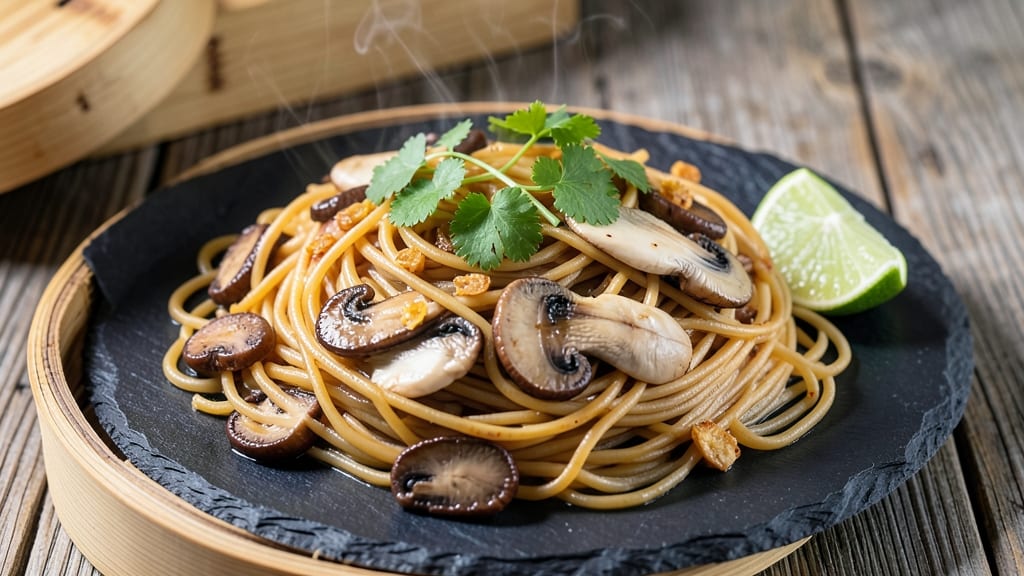
This bean vermicelli noodles recipe delivers the perfect balance of silky texture and earthy depth—just like the classic Vietnamese bún đậu but with a modern twist. ✨ The secret lies in properly soaking the delicate noodles and stir-frying them with mushrooms, herbs, and a tangy dressing that elevates every bite.
I’ve refined this dish over years of testing, ensuring the noodles stay slippery and the flavors harmonize without overpowering the natural taste of the ingredients.
The beauty of this recipe is its versatility—whether you’re serving it as a light lunch or a refreshing dinner, the combination of chewy noodles, umami mushrooms, and fresh herbs creates a dish that’s both comforting and vibrant.
The key steps include soaking the noodles just enough to soften them without turning them mushy, stir-frying them quickly over high heat, and assembling everything with a bright, zesty dressing. This method guarantees restaurant-quality results at home, with minimal effort and maximum flavor.
What makes this dish truly special is the contrast between the silky noodles and the hearty mushrooms, which add an earthy richness that pairs perfectly with the fresh herbs and tangy dressing.
The result is a bowl that’s as satisfying as it is visually appealing, with layers of texture and flavor in every bite. Whether you’re craving a light meal or a hearty vegetarian dish, this recipe delivers.
Serve it with grilled protein for extra substance or keep it plant-based for a lighter option. The possibilities are endless, but the foundation remains the same: perfectly cooked noodles, vibrant toppings, and a dressing that ties it all together. Let’s get cooking!
Ingredients for bean vermicelli noodles
Silky noodles, umami mushrooms, and vibrant herbs—just eight ingredients for restaurant-quality bún đậu at home.
| Ingredient | Amount | Notes |
|---|---|---|
| Bean Vermicelli Noodles 🍜 | 8 oz | Dried, mung bean-based |
| Shiitake Mushrooms 🍄 | 8 oz | Fresh, stems removed |
| Oyster Mushrooms 🍄 | 6 oz | Fresh, whole clusters |
| Fresh Cilantro 🌿 | ½ cup | Stems removed, chopped |
| Fresh Mint Leaves 🌿 | ¼ cup | Chopped, loosely packed |
| Lime Juice 🍋 | ⅓ cup | Freshly squeezed |
| Fish-Sauce-Free Soy Sauce 🥄 | 2 tbsp | Tamari or coconut aminos |
| Sesame Oil 🫒 | 1 tbsp | Toasted, for aroma |
| Maple Syrup 🍯 | 1 tbsp | Pure, grade A |
| Neutral Vegetable Oil 🫒 | 2 tbsp | Avocado or refined peanut |
| Garlic Cloves 🧄 | 4 cloves | Minced, fresh preferred |
| Red Chili Flakes 🌶️ | 1 tsp | Adjust for heat |
| Sea Salt 🧂 | 1 tsp | Fine grain preferred |
| Crushed Peanuts 🥜 | ¼ cup | Toasted, for garnish |
The noodles are non-negotiable here. Thai Kitchen brand or Three Ladies brand are my go-tos—they soak perfectly without turning mushy. If you can't find them, rice vermicelli works in a pinch, but soak it 10 minutes longer. For mushrooms, fresh shiitake and oyster give that earthy depth, but dried shiitake rehydrated works too (just double the soaking time). Look for plump, firm mushrooms with no slimy spots—those are the ones that'll hold up during stir-frying.
No fish sauce? Coconut aminos or tamari are perfect substitutes—they mimic the umami without the fishy notes. Fresh herbs are ideal, but dried cilantro or mint at half the amount will work if you're in a bind. The lime juice needs to be fresh—bottled just won't cut it. For heat, adjust the chili flakes to taste, but don't skip them entirely. The peanut garnish? Toast them in a dry pan first—that nutty aroma takes this dish to the next level. And if you're worried about the soy sauce being fish-free, check the label—some brands sneak in fish-based additives.
Noodles soak best in room-temperature water for 15-20 minutes—no more, or they'll turn to mush. Mushrooms keep 5-7 days in the fridge, sealed in a paper bag. The dressing stays fresh for 3 days in the fridge, but the herbs wilt fast, so make it fresh if possible. For meal prep, store components separately—noodles, mushrooms, and dressing. Assemble right before eating to keep that perfect al dente texture.
Why You'll Love This Recipe
- No-Soak Needed: I swear by this trick—just rinse the bean vermicelli in warm water for 2 minutes, and they’re ready. No waiting, no stress, and they hold up perfectly when tossed with those meaty shiitake and oyster mushrooms.
- Umami Bomb: The mushrooms here? They’re the stars. When you sauté them until they’re glossy and slightly caramelized, that earthy depth blends with the noodles like magic—especially when you finish with fresh cilantro and mint, brightening every bite.
- Lunchbox Hero: Between us, this is my go-to for packed lunches. The noodles stay separate until you add a splash of lime or soy sauce, and the herbs keep it fresh for hours. Honestly, my coworkers think I’m a genius when I bring this in.
- Budget Flex: Shiitake and oyster mushrooms stretch like crazy, and a single pack of bean noodles feeds two for dinner and two for leftovers. I’ll be real: it’s the kind of meal that makes grocery day feel like a win.
Step-by-step instructions for silky slippery noodles
Master this technique and you'll achieve restaurant-quality vermicelli with perfect texture and depth.
🍳 Step 1: Soak the Vermicelli Properly
Place the 8 oz bean vermicelli noodles in a large bowl and cover with hot water (about 1½ cups) that's just off boil. Let them soak for 10-12 minutes until they become silky and pliable—they should feel soft but still hold their shape when pinched. I press my finger gently against a strand; if it springs back slightly, they're ready.
Drain immediately in a colander and rinse with cold water for 10 seconds to stop cooking. This prevents the noodles from becoming mushy. Toss them gently with 1 teaspoon sea salt while still damp to season evenly. The noodles should be slippery to the touch—this is your key indicator of perfect texture. Set aside while you prepare the mushrooms.
🍳 Step 2: Cook the Mushroom Base
Heat 2 tablespoons neutral vegetable oil in a large wok or skillet over medium-high heat until shimmering. Add the 8 oz shiitake mushrooms (stems removed) and 6 oz oyster mushrooms in whole clusters. Cook for 5-6 minutes, stirring occasionally, until they release their moisture and develop golden brown spots on the edges.
Add the 4 cloves minced garlic and 1 teaspoon red chili flakes, stirring for 30 seconds until fragrant. The mushrooms should be tender but still slightly firm—they'll continue cooking in the sauce. Remove from heat and set aside with the mushrooms.
🍳 Step 3: Build the Flavorful Sauce
In the same wok, reduce heat to medium and add 1 tablespoon sesame oil and 1 tablespoon maple syrup. Let it sizzle for 30 seconds to toast the sesame aroma. Pour in 2 tablespoons fish-sauce-free soy sauce and ⅓ cup lime juice, stirring constantly for 1 minute until the sauce thickens slightly and coats the back of a spoon.
The sauce should smell bright and tangy with a hint of sweetness. If it looks too thick, add 1-2 tablespoons hot water to reach your desired consistency. Return the mushroom mixture to the wok and toss everything together for 1 minute to combine flavors completely.
🥘 Step 4: Combine and Finish
Add the drained vermicelli noodles to the wok and toss vigorously for 2-3 minutes until everything is evenly coated and the noodles are hot throughout. The dish should look vibrant and glossy from the sauce. Off the heat, stir in ½ cup chopped fresh cilantro and ¼ cup chopped fresh mint leaves for freshness.
Taste and adjust seasoning—you might need a pinch more sea salt or lime juice to balance the flavors. The perfect bowl should have earthy mushroom depth, bright citrus notes, and silky noodle texture all working together.
🍽️ Step 5: Serve with Garnish
Divide the noodles among 4 serving bowls. Drizzle each portion with a light stream of remaining lime juice and sprinkle generously with ¼ cup crushed peanuts. The peanuts add a crunchy contrast to the silky noodles and earthy mushrooms.
Serve immediately while the noodles are still hot and slippery. The crushed peanuts should be toasted and crunchy, providing a delightful textural contrast to each bite. Pair with a side of fresh herbs or extra lime wedges for serving.
Pro Tips For Making Bean Vermicelli Noodles
- SOAK NOODLES SEPARATELY: Bean vermicelli clumps like a jealous ex if you dump it straight into boiling water—break it into small batches first. Five minutes in room-temperature water (not scalding) keeps them from turning into mush, and trust me, you don’t want to salvage overcooked noodles later.
- STIR-FRY MUSHROOMS IN BATCHES: Shiitake and oyster mushrooms release water like a faucet left running. Cook them in two separate heats—shiitake first (they’re denser) on medium-high, then oyster mushrooms on lower heat after they’ve released most of their liquid. Crowd them, and you’ll end up with a soggy pile instead of crisp edges.
- CHOP HERBS AT THE END: Fresh cilantro and mint wilt faster than a sad houseplant in steam. Toss them in just before serving—no need to pre-chop them into the stir-fry. If you’re worried about wilting, give them a quick 10-second blanch in boiling water, then shock in ice. They’ll stay bright and add that fresh punch without turning to sludge.
- USE A LITTLE LIME JUICE: This isn’t optional—it’s the glue holding your dish together. Squeeze in 1 teaspoon of lime juice at the very end (yes, even if the recipe doesn’t say it). It brightens the earthy mushrooms, cuts through the noodles’ chew, and makes the herbs sing. Skip it, and you’ll wonder why your dish tastes flat.
Flavor customization for this recipe
Spicy Heat Boost
For a fiery kick, add 1 tbsp fresh Thai chili paste (like Maesri) or ½ tsp sambal oelek to the sauce while tossing with noodles. If you prefer milder heat, swap the red chili flakes for 1 tsp gochugaru (Korean chili flakes)—it adds a smoky depth.
For extra spice lovers, sprinkle ½ tsp cayenne pepper directly on top before serving. 🌶️
Sweet-Tangy Balance
Swap the maple syrup for 1 tbsp coconut sugar to deepen caramelization, or use 1 tbsp honey for a floral note. For a citrusier twist, add 1 tbsp rice vinegar to the dressing—it brightens the mushrooms beautifully.
I love balancing the earthy mushrooms with 1 tsp grated ginger in the sauce for a zesty lift.
Umami Depth
Boost umami with 1 tbsp miso paste (white or red) stirred into the sauce, or add 1 tsp nutritional yeast for a cheesy, savory kick.
For a meaty texture without meat, fold in 2 oz finely chopped king oyster mushrooms (soaked in hot water for 5 minutes)—they melt into the sauce like pulled pork. 🍄
Herb Variations
Swap cilantro and mint for Thai basil and Vietnamese coriander (rao răm) for an authentic bún đậu taste. Or try peppermint for a cooler, sweeter note. For a Mediterranean twist, add chopped dill and parsley—the bright flavors pair surprisingly well with the earthy mushrooms.
Protein Additions
Keep it vegan with grilled tofu cubes (marinated in 1 tbsp soy sauce + 1 tsp maple syrup) or crispy baked chickpeas. For non-vegan versions, add shrimp (sautéed with garlic) or grilled chicken (thinly sliced).
The protein should cook in 3-4 minutes to stay tender—just toss it in the final minute with the noodles.
Crunchy Toppings
Beyond peanuts, try toasted coconut flakes (½ cup) for a tropical vibe or crushed wasabi peas (¼ cup) for a spicy crunch. For nut-free options, use pumpkin seeds (toasted in oil) or crushed tortilla chips—they add a satisfying snap.
Garnish with quick-pickled onions (thinly sliced red onions + lime juice) for brightness. ✨
Nutrition facts
Frequently asked questions
Why do bean vermicelli noodles need soaking?
Soaking rehydrates the dried noodles without overcooking them—unlike boiling, which can turn them mushy. The 10-12 minute hot soak makes them silky while keeping their shape. Drain immediately and rinse with cold water to stop cooking and maintain that perfect slippery texture.
Can I use regular rice vermicelli instead of bean-based?
Yes, but expect slightly different texture—bean vermicelli are naturally chewier and hold up better to stir-frying. If substituting, soak rice noodles 5-10 minutes longer and toss them more gently in the wok to prevent breakage. The flavor will be milder but still delicious.
How do I prevent the mushrooms from getting soggy?
Cook them until they release moisture but still have bite—about 5-6 minutes over medium-high heat. Remove them from the pan just before they're fully tender, then finish cooking in the sauce. For extra crispiness, add mushrooms back to the wok for 30 seconds right before serving.
What's the best way to store leftovers?
Store components separately: noodles (drained, uncooked) in an airtight container, mushrooms in a sealed bag, and sauce in a jar. Reheat noodles in hot water for 1-2 minutes, then toss with warmed mushrooms and sauce. The texture won't be as silky, but it's still tasty! Keep leftovers for 2 days max in the fridge.
Can I make this gluten-free?
Use tamari or coconut aminos for the soy sauce, and ensure your vermicelli are certified gluten-free (many bean-based brands are). Double-check all ingredients—especially the crushed peanuts (some brands process with gluten) and soy sauce substitutes. The recipe remains fully plant-based and delicious.