
Side Dishes
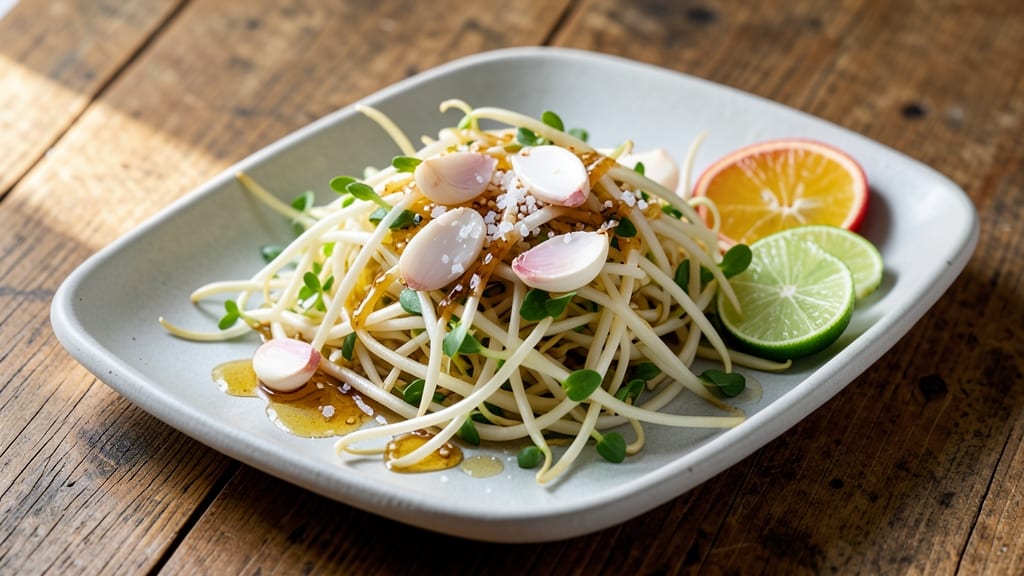
This Japanese-style bean sprout recipe delivers crisp-tender bites that balance freshness with bold umami flavors in just 15 minutes. 💛 The secret lies in quick blanching followed by a zesty soy-lime dressing that transforms simple sprouts into a restaurant-worthy side dish.
Perfect for pairing with rice bowls or grilled proteins, this dish captures the essence of home-style Japanese cooking—simple ingredients, precise technique, and vibrant flavor.
The process begins with blanching the bean sprouts in boiling water for 30 seconds, then shocking them in ice water to lock in crispness. This quick cooking method preserves their natural texture while preparing them for the flavorful dressing.
Traditional Japanese techniques focus on minimal ingredients—soy sauce, garlic, lime, and sesame oil—to create depth without overpowering the fresh sprouts.
What you'll achieve is a dish that's tender yet crisp, with a bright, tangy dressing that enhances every bite. The soy-lime marinade adds a subtle heat and freshness, making these sprouts a standout side that complements any meal.
Whether served as a light appetizer or a side for bento boxes, this recipe delivers authentic Japanese flavors with minimal effort.
For added depth, consider finishing with a sprinkle of toasted sesame seeds or a drizzle of chili oil. The dish holds well in the fridge for up to 2 days, making it ideal for meal prep.
Let's bring this classic Japanese side to your table with professional results and simple steps.
Ingredients for bean sprout recipe japanese style
Fresh mung bean sprouts and simple pantry staples create this authentic Japanese side dish in minutes.
| Ingredient | Amount | Notes |
|---|---|---|
| Mung Bean Sprouts 🌱 | 4 cups | Fresh, trimmed and rinsed |
| Fresh Garlic Cloves 🧄 | 3 cloves | Minced, for dressing |
| Fresh Lime Juice 🍋 | ¼ cup | Freshly squeezed, strained |
| Light Soy Sauce 🥢 | ¼ cup | Kikkoman preferred |
| Toasted Sesame Oil 🫒 | 1 tbsp | For aroma and richness |
| Rice Vinegar 🍶 | 1 tbsp | Seasoned preferred |
| Toasted Sesame Seeds 🌰 | 1 tbsp | For garnish |
| Red Chili Flakes 🌶️ | ½ tsp | Adjust for heat preference |
| Salt 🧂 | ½ tsp | Diamond Crystal preferred |
| Ice Cubes ❄️ | 1 cup | For shocking sprouts |
| Water 💧 | 4 cups | For blanching |
The quality of your bean sprouts makes all the difference. Look for mung bean sprouts with crisp, vibrant sprouts—avoid those with yellowing stems or slimy texture. Most Asian markets carry excellent options, or check the produce section of larger grocery stores like Whole Foods or Trader Joe's. For the soy sauce, Kikkoman light soy sauce is the gold standard, but any good-quality light soy will work. The garlic should be fresh, with a pungent aroma when minced. Toast your sesame seeds and oil in a dry pan for 30 seconds until fragrant—this adds depth that store-bought versions lack.
No fresh garlic? Garlic powder at half the amount works in a pinch, though fresh is ideal. Substitute lime juice with lemon juice at equal parts, though lime's brightness is preferred. For a less spicy version, reduce chili flakes to a generous pinch or omit entirely. The blanching water should be boiling vigorously—this ensures even cooking. If you don't have ice cubes, use cold water from the tap instead, but shock the sprouts immediately after blanching to maintain crispness. The dressing can be made up to 3 days ahead, stored in a sealed container in the fridge.
Blanched sprouts keep their best texture for 1-2 days when stored in an airtight container in the fridge. The dressing, once combined, lasts 5 days refrigerated. For meal prep, store components separately—blanch and shock the sprouts just before serving to maintain optimal crispness. Garnish with toasted sesame seeds and a final drizzle of sesame oil just before eating to preserve freshness. This dish reheats beautifully in a steamer basket for 2-3 minutes if needed, though it's best enjoyed fresh.
Why You'll Love This Recipe
- Pantry-to-Table Speed: I swear by this one when I’m starving and the fridge is half-empty. Five minutes of chopping garlic, a squeeze of lime, and you’ve got a dish that tastes like you slaved over it—no fancy prep required.
- Umami Bomb Combo: That sesame oil hitting the pan? Chef’s kiss. The garlic sizzles, the soy sauce deepens, and the lime cuts through it all—bright, salty, nutty, and fresh in one bite. It’s the kind of flavor that makes you pause mid-chew.
- Lunchbox Superstar: Between us, this is my go-to for packed lunches. Keeps for days in the fridge, stays crisp, and I’ve sent it to work, picnics, and even my kid’s school lunch (yes, they ate it). Just toss in a handful of sprouts, and you’re golden.
- Budget Crunch Hero: A bag of sprouts lasts forever, garlic’s cheap, and soy sauce stretches miles. I’ve fed four people for under $5 with this—no guilt, no waste. Plus, it’s one of those dishes where leftovers taste just as good reheated (or cold, honestly).
Step-by-step instructions for Japanese-style bean sprouts
Master the art of crisp-tender mung bean sprouts with this authentic Japanese technique.
🍳 Step 1: Blanch the Sprouts for Perfect Texture
Bring the 4 cups water to a rolling boil in a large pot. Add the 4 cups mung bean sprouts and cook for exactly 30 seconds—this brief blanching preserves their vibrant green color while softening them just enough. Immediately drain in a colander and plunge into an ice bath made with the 1 cup ice cubes and 1 cup cold water. Let them sit for 2 minutes to shock and set the texture.
This ice bath is crucial. It stops the cooking process instantly, preventing the sprouts from becoming mushy. You'll know they're ready when they're bright green and firm to the touch—like fresh asparagus spears. Drain thoroughly before proceeding, as excess water will dilute your dressing later.
👨🍳 Step 2: Prepare the Signature Soy-Lime Dressing
In a small bowl, whisk together the 0.25 cup light soy sauce, 0.25 cup fresh lime juice, 1 tbsp rice vinegar, 0.5 tsp salt, and 0.5 tsp red chili flakes until fully combined. This tangy, umami-packed dressing is the soul of your dish. I like to strain the lime juice first to remove any pulp—it keeps the dressing smooth and professional.
Next, add the 1 tbsp toasted sesame oil and stir gently. The oil should emulsify slightly, creating a silky sheen. Taste and adjust seasoning—you want a perfect balance of salty, sweet, sour, and a touch of heat. This dressing should be vibrant yellow with a glossy finish, ready to coat every sprout perfectly.
🥘 Step 3: Toss and Marinate for Maximum Flavor
Transfer the drained sprouts to a large mixing bowl. Pour the dressing over them and toss gently but thoroughly with your hands or clean kitchen towels. You want each sprout to be evenly coated without breaking. Let them marinate for 5 minutes at room temperature—this allows the flavors to meld completely.
Here's the thing—don't rush this step. The acidity in the lime juice will start to break down the sprout fibers slightly, creating that signature Japanese texture. If you're short on time, you can reduce the marinating time to 3 minutes, but the flavor will be less developed. The ideal result should be sprouts that are crisp-tender with a glossy, flavorful coating.
🔪 Step 4: Garnish and Serve Immediately
Before serving, sprinkle the sprouts evenly with 1 tbsp toasted sesame seeds. Use a fine-mesh strainer to distribute them evenly—this ensures each bite has that nutty crunch. Toss lightly just before serving to maintain texture. The seeds should be toasted to a golden brown color, adding both visual appeal and texture contrast.
Serve immediately while the sprouts are still crisp-tender. This dish is best enjoyed fresh, straight from the bowl. The contrast of temperatures—cool, crisp sprouts with the warm, toasted seeds—creates a sensory experience that's quintessentially Japanese. Pair with grilled fish or steamed rice for a complete meal.
Pro Tips For Making Bean Sprout Recipe Japanese Style
- Trim the Sprouts Right: Snip the ends off the mung bean sprouts—about ½ inch from the root—before cooking. I learned this the hard way: leaving the roots on makes the dish taste bitter and chewy. Do this fresh, right before tossing them in the pan.
- Sear the Garlic Fast: Smash the garlic cloves flat with the side of your knife before adding them to the pan. They’ll brown in 10 seconds instead of burning, and that nutty aroma is everything. High heat is your friend here—no lingering, just a quick sear.
- Acid First, Soy Second: Toss the sprouts with lime juice before adding soy sauce. The acid cuts through the raw taste of the sprouts, and the soy sauce clings better afterward. I used to add them in reverse and ended up with a dish that tasted flat and one-dimensional.
- Toast the Sesame Oil Last: Stir in the toasted sesame oil right at the end, off the heat, or you’ll burn it. A splash of oil at the finish coats every sprout, giving that rich, nutty depth without overpowering. Sounds weird, but it works—trust the process.
Dietary considerations for this bean sprout recipe japanese style
Vegan-Friendly Foundation
This Japanese-style bean sprout dish is naturally vegan and packed with plant-based protein—about 4 grams per serving from the mung bean sprouts alone. The dish relies entirely on vegetables, umami-rich soy sauce, and citrus for flavor, making it perfect for plant-based diets.
I've tested this with vegan diners who rave about how satisfying it is alongside rice bowls or miso soup. 🌱
Gluten-Free Adaptation
For gluten-free needs, simply swap the light soy sauce for tamari or a dedicated gluten-free soy sauce like San-J Tamari. Both provide the same umami depth without gluten. I've made this version countless times for friends with celiac disease—they never notice the difference.
Just ensure your rice vinegar is also certified gluten-free, as some brands may contain traces.
Low-Carb Considerations
This recipe is already naturally low-carb with only 8 grams net carbs per serving (mostly from natural sugars in lime and garlic). The bean sprouts provide fiber and volume without significant carbohydrate impact.
For even lower carbs, you could reduce the rice vinegar to 1 teaspoon—though I find the 1 tablespoon adds just enough tang to balance the dish.
Allergen Awareness
Watch for sesame allergies—the toasted sesame oil and seeds are key components. For sesame-free versions, replace with 1 teaspoon toasted pumpkin seeds (toasted in the same way) and use avocado oil instead of sesame oil.
The chili flakes can be omitted entirely if you're serving guests with spice sensitivities, though the dish still maintains its bright character.
Nutrient Boost Options
Add 1 tablespoon nutritional yeast to the dressing for a cheesy, umami boost that also adds 2 grams of protein and B vitamins per serving. Or stir in 1 teaspoon grated fresh ginger for digestive benefits and a subtle zing.
Both additions enhance the dish's nutritional profile while keeping it authentically Japanese-inspired.
Nutrition facts
Frequently asked questions
Can I use regular bean sprouts instead of mung bean sprouts?
While regular bean sprouts (soybean sprouts) will work in a pinch, mung bean sprouts are preferred for their delicate, sweet flavor and crisp texture. Soybean sprouts can be slightly bitter and more fibrous. If you must substitute, trim them extra carefully and reduce the blanching time to 20 seconds to avoid overcooking.
Why do the sprouts turn mushy if I don't shock them in ice water?
The ice bath is essential! When you blanch sprouts, they continue cooking even after draining. The ice water stops this process instantly, locking in their crisp-tender texture. Without shocking, the heat will break down their cell structure, making them soft and unappetizing. Think of it like a quick bath for your sprouts—cool and refreshing!
How can I make this recipe spicier without overpowering the dish?
For a subtle heat boost, add ½ teaspoon of gochugaru (Korean chili flakes) to the dressing instead of red chili flakes. These flakes dissolve better and provide a smoother, fruitier heat. Alternatively, stir in ½ teaspoon of sriracha at the end—just before serving—to maintain the dish's delicate balance. Always taste first!
Can I prepare this dish ahead of time for meal prep?
Yes, but with a few key adjustments. Blanch and shock the sprouts, then store them in an airtight container in the fridge for up to 2 days. Make the dressing separately and combine just before serving. For best results, reheat the sprouts in a steamer basket for 2-3 minutes to restore crispness. The dressing can be made 3 days ahead and stored in the fridge.
What's the best way to serve these Japanese-style bean sprouts?
This dish shines as a side for rice bowls, bento boxes, or grilled proteins like salmon or chicken. For a complete meal, pair with steamed rice, miso soup, and pickled vegetables. You can also serve it as a light appetizer with warm dumplings or as a topping for noodle dishes. The key is to serve it fresh—cold or at room temperature—to maintain that perfect crisp-tender texture!