
Desserts
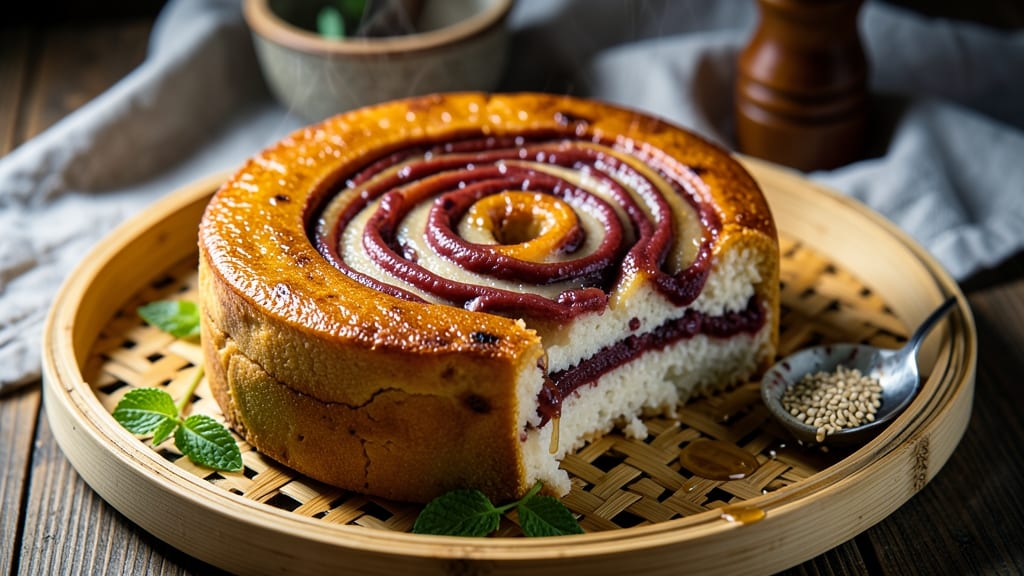
This baked red bean nian gao delivers the perfect balance of chewy texture and sweet red bean filling in every bite. The traditional Chinese New Year cake transforms simple glutinous rice flour into a golden, nutty dessert that feels both comforting and festive.
I’ve refined this recipe to ensure it’s foolproof—whether you’re using store-bought flour or homemade paste—so you can achieve that signature chewy-yet-firm texture without fail.
The foundation starts with properly soaked and ground glutinous rice flour, which gives nian gao its signature elasticity. Mixed with sweet red bean paste (or homemade mashed adzuki beans), the dough comes together effortlessly, then bakes to a golden brown with a hint of caramelized sweetness.
The key? A precise ratio of flour to bean paste and a gentle steaming or baking method to avoid dryness.
What makes this recipe special is its versatility—serve it as a dessert, gift it during Lunar New Year celebrations, or even enjoy it as a snack with a dusting of sesame seeds.
The result is a cake that’s naturally vegetarian and gluten-free (if using certified GF flour), making it inclusive for all dietary needs. Each slice reveals a tender crumb with pockets of sweet, nutty bean filling.
Ready in under an hour, this nian gao is perfect for special occasions or a cozy treat. Let’s get started—your kitchen will soon smell like celebration. Baked red bean nian gao isn’t just dessert; it’s tradition in every bite.
Ingredients for baked red bean nian gao
Simple ingredients transform into a festive Chinese New Year dessert with chewy texture and nutty sweetness.
| Ingredient | Amount | Notes |
|---|---|---|
| Glutinous Rice Flour 🌾 | 2 cups | Certified gluten-free if needed |
| Sweet Red Bean Paste 🍫 | 1 ½ cups | Store-bought or homemade |
| Granulated Sugar 🍚 | ½ cup | White or brown sugar |
| Sesame Seeds 🌰 | ¼ cup | Toasted for extra flavor |
| Vegetable Oil 🫒 | ¼ cup | For greasing the pan |
| Hot Water 💧 | 1 ½ cups | For dough preparation |
| Baking Powder 🧂 | ½ tsp | For slight lift |
| Vanilla Extract 🌸 | 1 tsp | Optional for added aroma |
| Salt 🧂 | ¼ tsp | Fine sea salt preferred |
| Adzuki Beans (Optional) 🌱 | 1 cup | Dried, soaked overnight |
| Honey or Maple Syrup 🍯 | 2 tbsp | For bean paste sweetness |
The glutinous rice flour is non-negotiable for that signature chewy texture—Bob’s Red Mill or King Arthur brands are reliable choices. If making your own paste, soak adzuki beans overnight until tender, then blend with honey or maple syrup until smooth. For store-bought red bean paste, Lotus Foods or Three Ladies brands are widely available and consistently sweet. The sesame seeds should be toasted lightly in a dry pan until fragrant—this adds depth to the final crunch. If using dried beans, start soaking them the night before for best results.
No sweet red bean paste? Mashed sweet potatoes or pumpkin puree can work in a pinch, though the texture will differ slightly. Swap vanilla extract for orange zest or pandan extract for a different but equally festive flavor profile. For a gluten-free version, ensure your rice flour is certified GF—Bob’s Red Mill 1-to-1 is a solid option. The dough should be thick but pliable; if it feels too dry, add a splash more hot water. Avoid overmixing once the flour is added, as this can make the final texture dense rather than chewy.
Once shaped, the nian gao keeps well in an airtight container at room temperature for 3-4 days, though it’s best enjoyed fresh. For longer storage, wrap tightly in plastic and refrigerate for up to 2 weeks. Reheat slices in a dry skillet for 30 seconds on each side to restore the chewy texture. Freezing isn’t recommended, as it can alter the delicate balance of moisture and texture. When gifting, wrap individual slices in parchment paper tied with red string for a traditional touch—perfect for Lunar New Year celebrations.
Why You'll Love This Recipe
- No-Fuss Baking: I swear by this recipe because it’s actually foolproof—no steaming, no complicated molds, just mix, pour, and bake. The glutinous rice flour gives it that signature chewy texture without the fuss of traditional methods, and honestly? My first attempt turned out fine, so even beginners won’t stress.
- Sweet-Salty Magic: That crispy exterior with the soft, gooey red bean paste inside? It’s the kind of contrast that makes you take a second bite before you even realize it. The sugar caramelizes just enough to balance the earthy sweetness of the beans, and the sesame seeds add this little nutty crunch that ties everything together.
- Year-Round Staple: Between us, I keep this in my freezer for lazy mornings—slice it up and toast it for breakfast, or pack it in lunchboxes for the kids. It’s also my go-to gift for birthdays or holidays because it’s cheap to make, looks impressive, and everyone loves a bite of that sweet, chewy goodness.
- Budget Breakfast Hero: A single batch costs me pennies but feeds my family for days—I reheat slices in the toaster or microwave them until crispy again. No waste, no guilt, and no last-minute grocery runs. Plus, the red bean paste is shelf-stable, so I stock up when it’s on sale and never run out.
Step-by-step instructions for baked red bean nian gao
Here's the precise method to create a perfectly textured, aromatic nian gao with a tender crumb and nutty sesame finish.
Prepare the Adzuki Bean Paste (If Using Fresh Beans)
If you're using the optional 1 cup adzuki beans, begin by soaking them overnight in water. Drain and rinse thoroughly, then transfer to a pot with fresh water. Simmer for 1.5 to 2 hours until the beans are fork-tender and the liquid reduces to a thick paste consistency. You should have about 1.5 cups of paste when finished.
For best results, blend the cooked beans with the 2 tablespoons honey or maple syrup until completely smooth. This sweetened paste forms the heart of your nian gao, balancing the earthy sweetness of the red bean paste. If using store-bought sweet red bean paste, simply measure out the 1.5 cups and set aside.
Mix the Dough Components
In a large mixing bowl, combine the 2 cups glutinous rice flour, 0.5 cup granulated sugar, 0.5 teaspoon baking powder, 0.25 teaspoon salt, and 1 teaspoon vanilla extract. Whisk gently to distribute the dry ingredients evenly. The flour should look cloudy but uniform—no lumps should remain.
Create a well in the center and add the 1.5 cups sweet red bean paste (homemade or store-bought) and the 0.25 cup vegetable oil. Using a wooden spoon or silicone spatula, gradually incorporate the wet ingredients into the dry mixture. You'll notice the dough immediately begins to form a thick, sticky paste—this is normal and essential for the final texture.
Hydrate and Knead the Dough
Slowly pour in the 1.5 cups hot water while stirring continuously. The dough will become increasingly elastic and glossy as it absorbs the liquid. Once all the water is incorporated, transfer the mixture to a clean work surface lightly dusted with rice flour to prevent sticking.
Knead the dough vigorously for 5 to 7 minutes until it becomes smooth and elastic. You'll know it's ready when it springs back slowly when pressed with your finger—similar to the texture of playdough. If the dough feels too sticky, add 1 tablespoon of rice flour at a time until it reaches the proper consistency. This kneading step develops the gluten structure that gives nian gao its signature chewy yet tender bite.
Shape and Prepare for Baking
Divide the dough into 6 equal portions (about 4 ounces each) and shape each into a smooth, round loaf about 3 inches in diameter. Place each loaf on a parchment-lined baking sheet, spacing them 1 inch apart to allow for even baking. Gently press the 0.25 cup sesame seeds onto the top of each loaf, covering them completely for that signature nutty crunch.
Cover the baking sheet with a damp towel and let the loaves rest at room temperature for 30 minutes. This resting period allows the gluten to relax and the flavors to meld. Preheat your oven to 350°F during this time—this precise temperature ensures even baking without drying out the interior.
Bake to Golden Perfection
Bake the nian gao loaves for 35 to 40 minutes until the tops are golden brown and the edges begin to pull away slightly from the parchment paper. The interior should remain moist but firm to the touch—you're aiming for a cake-like texture, not a dense brick.
To check doneness, insert a toothpick into the center of one loaf. It should come out with a few moist crumbs attached but no wet batter clinging. If the exterior browns too quickly before the interior is fully baked, tent the baking sheet with aluminum foil to prevent over-browning. Once baked, let the loaves cool completely on a wire rack before slicing—this prevents them from becoming gummy.
Pro Tips For Making Baked Red Bean Nian Gao
- STEAM FIRST, BAKE SECOND: I learned this the hard way—skipping the steam step means your nian gao will dry out or develop a sad, gummy center. After mixing the batter, steam it uncovered for 20 minutes at full boil (yes, even if it looks undercooked). The steam sets the structure so it holds together when baked later—no more collapsing cakes.
- WEIGH THE FLOUR: Glutinous rice flour lies. That "1 cup" measurement in your pantry cup is probably packed too tight or too loose, and your texture will suffer. Use a kitchen scale for precision—aim for 250g flour per standard recipe. I was skeptical until I tried it: the ratio of flour to bean paste actually changes the chewiness, and weighing guarantees consistency.
- DON’T OVERMIX THE BATTER: After burning three batches where the outside was tough and the inside raw, I realized I was overworking the batter. Mix just until the ingredients barely combine—lumps are fine. Overmixing develops gluten, which turns your nian gao into a dense brick instead of a tender, melt-in-your-mouth cake. Stir until the red bean paste is mostly incorporated, then stop.
- TOAST SESAME SEEDS SEPARATELY: Buy sesame seeds in bulk, toast them in a dry pan over medium heat until they smell nutty and golden (about 3-4 minutes). Sprinkle them after baking—not before. The raw seeds will sink into the cake and lose their crunch, and the toasted ones add a depth of flavor that plain seeds can’t match. (Yes, even if you’re impatient like me.)
Essential equipment for this recipe
Steamer Essentials
The traditional method for nian gao uses a bamboo steamer with a tight-fitting lid to create even steam distribution. I recommend a 18-inch round bamboo steamer from KitchenCraft—it holds multiple loaves perfectly and distributes heat evenly.
For electric steamers, the Ninja Foodi Digital Air Fryer with steaming function works wonders, especially if you're baking small batches. Always line the steamer with parchment paper to prevent sticking and ensure easy removal of your loaves. 🌿
Baking Pan Recommendations
For oven-baked nian gao, a non-stick round cake pan (about 3 inches deep) is ideal. I use Wilton Perfect Results Non-Stick Round Cake Pans because they release baked goods effortlessly.
If you prefer a more rustic look, a cast iron skillet works too—just grease it well with vegetable oil and dust with rice flour before shaping your loaves. For even baking, place the pan on the middle rack of your oven where heat circulates evenly.
Mixing Tools
A wooden spoon or silicone spatula is essential for mixing the dough without tearing the gluten strands. I keep a sturdy wooden spoon from OXO Good Grips handy—it’s perfect for scraping the thick dough from the bowl.
For kneading, use your hands or a dough scraper to prevent sticking. If the dough feels too sticky, lightly dust your work surface with glutinous rice flour (not regular flour) to maintain the authentic texture. 🍜
Measuring Accuracy
Precision is key when measuring ingredients like glutinous rice flour and red bean paste. Use a digital kitchen scale for the most accurate results—I swear by the OXO Good Grips Stainless Steel Scale. For dry ingredients like sugar and baking powder, a medicine scoop ensures even distribution.
When measuring liquids, a liquid measuring cup with clear markings prevents spills and ensures you add exactly 1.5 cups hot water without overdoing it.
Optional Extras
For added texture, toast your sesame seeds in a dry skillet over medium heat for 2-3 minutes until golden and fragrant. A fine-mesh sieve helps evenly distribute them on top of the loaves.
If you’re feeling adventurous, a pandan leaf tucked into the dough adds a subtle floral aroma—just tear it into small pieces and mix it in during the kneading step. For gifting, wrap individual slices in parchment paper tied with red string for that festive touch. 🎉
Nutrition facts
Frequently asked questions
Can I make this nian gao without a steamer?
This recipe is designed to work perfectly in the oven. The key is using a 350°F oven and baking for 35-40 minutes until golden brown. Line your baking sheet with parchment paper and place the loaves 1 inch apart for even baking. The oven method actually creates a slightly firmer exterior while keeping the interior tender and moist.
What's the difference between steamed and baked nian gao?
Steamed nian gao tends to be softer and more delicate, with a slightly chewier texture. Baked versions develop a firmer exterior and a more cake-like crumb while maintaining the same sweet bean filling. The baking method also caramelizes the sesame seeds slightly, adding extra nutty flavor. Both are delicious—choose based on your preferred texture!
How do I store leftover nian gao?
Store in an airtight container at room temperature for up to 3-4 days, or refrigerate for 2 weeks for maximum freshness. To revive texture, warm slices in a dry skillet for 30 seconds per side before serving. For gifting, wrap individual slices in parchment paper tied with red string—a traditional Lunar New Year presentation.
Can I substitute the red bean paste?
Yes! For a similar texture, try mashed sweet potatoes or pumpkin puree mixed with honey. For flavor variations, use black sesame paste or even peanut butter (reduce sugar slightly). The key is maintaining the same 1.5 cups total volume of filling. If using fresh beans, cook them until very soft and blend with sweetener to achieve a smooth paste consistency.
Why did my nian gao turn out dense instead of chewy?
This usually happens from overmixing the dough or insufficient kneading. The dough should be kneaded for 5-7 minutes until smooth and elastic. Also ensure you're using glutinous rice flour (not regular flour) and that your red bean paste isn't too watery. If the dough feels dry during kneading, add hot water 1 tablespoon at a time until pliable.