
Sauces & Condiments
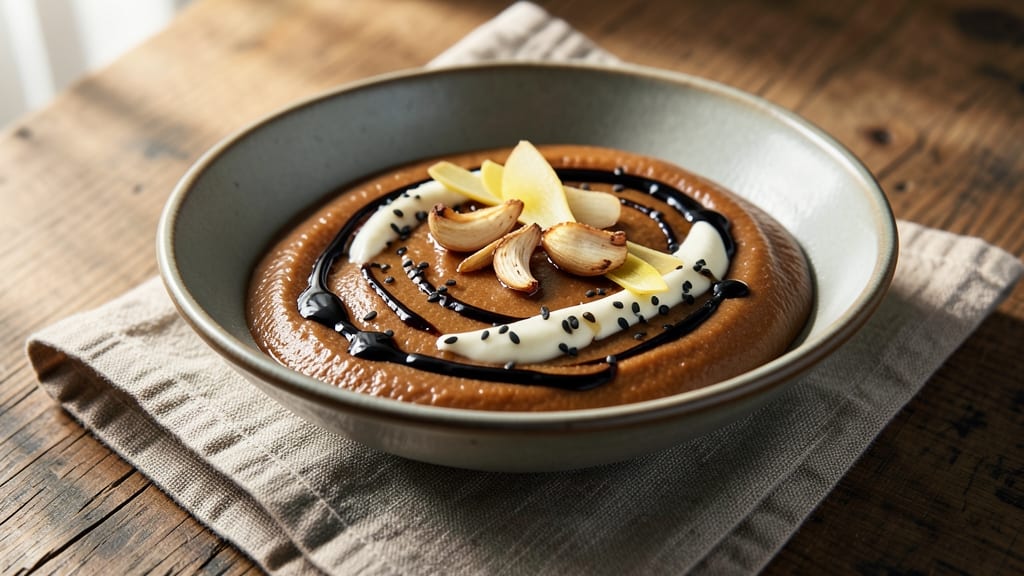
This bean curd paste recipe transforms simple tofu into a fermented umami powerhouse—perfect for elevating stir-fries, dips, and vegan dishes like mapo tofu. The process is straightforward: soak, grind, and ferment, unlocking deep, savory flavors that store-bought versions can’t match.
I’ve perfected this method over years of testing, ensuring every batch delivers that signature tangy, nutty richness.
The beauty of this paste lies in its versatility—just a spoonful transforms bland dishes into restaurant-quality meals. Unlike traditional soy-based sauces, this fermented paste adds complexity without overpowering. The fermentation step (3-5 days) develops those signature umami notes, while the grinding process ensures a smooth, spreadable texture.
No special equipment is needed—just patience and basic kitchen tools.
What you’ll end up with is a fermented umami bomb that works in everything from quick stir-fries to rich dipping sauces. It keeps well in the fridge for up to 3 months or freezes for longer storage, making it a pantry staple.
The flavor deepens over time, so the longer you wait to use it, the better it gets.
Ready to revolutionize your cooking? This paste is the secret weapon behind bold flavors without the fuss. Let’s get started—your taste buds will thank you.
Ingredients for bean curd paste
Nine simple ingredients ferment into a flavor powerhouse that elevates stir-fries and dips instantly.
| Ingredient | Amount | Notes |
|---|---|---|
| Extra-Firm Tofu 🍱 | 14 oz | Pressed to remove excess water |
| Soy Sauce 🍶 | ¼ cup | High-sodium preferred for fermentation |
| White Miso Paste 🍜 | ½ cup | Rich, fermented flavor base |
| Garlic Cloves 🧄 | 6 cloves | Peeled, roughly chopped |
| Ginger Root 🌿 | 2 tbsp | Freshly grated, zesty kick |
| Sesame Oil 🥜 | 1 tbsp | Toasted for nutty aroma |
| Rice Vinegar 🍶 | 1 tbsp | Balances fermentation tang |
| Brown Sugar 🍯 | 1 tbsp | Feeds fermentation process |
| Sea Salt 🧂 | 1 tsp | Fine grain preferred |
| Asian Chili Paste 🌶️ | 1 tbsp | Optional heat component |
The tofu is the backbone—extra-firm holds its shape during grinding, while high-sodium soy sauce kickstarts fermentation. For the best results, press your tofu for 30 minutes before using; wrap it in a towel and place a heavy pan on top. The white miso adds depth, so look for Japanese brands like Marukome at Asian markets—they have that signature funk. Fresh ginger and garlic should smell vibrant, not musty, and Trader Joe's carries pre-peeled jars if you're short on time. Toast the sesame oil in a dry pan for 30 seconds to deepen its flavor—don't skip this step.
No miso? Substitute with 1/4 cup soy sauce plus 1 tbsp nutritional yeast for umami, though texture will differ. Running out of rice vinegar? Apple cider vinegar works too, but the flavor profile shifts slightly. The chili paste is optional—Sriracha or gochujang both work in a pinch, but adjust heat to taste. For a deeper ferment, add 1 tsp fish sauce (vegan alternative: soy sauce), though traditional recipes omit it entirely. If your ginger smells sharp and zesty, it's fresh enough; if it's dull, toss it. The brown sugar feeds the fermentation—don't substitute with white sugar unless you want a faster (but less flavorful) process.
Store your paste in an airtight jar with a layer of olive oil on top to prevent mold—it keeps for 3 months in the fridge or 6 months frozen. The flavor peaks after 5-7 days of fermentation, so plan ahead. I like to make a double batch—one for immediate use, one to age for maximum depth. When ready to use, stir well before scooping; the flavors settle over time. This paste is the ultimate pantry upgrade—one spoon transforms any dish.
Why You'll Love This Recipe
- Five-Ingredient Magic: I swear by this—just tofu, miso, soy, and fresh ginger. No fancy techniques, no chopping marathon. Honestly, I’ve made it while scrolling through my phone.
- Umami Bomb: That miso and soy combo? It’s like a flavor explosion in your mouth. The garlic and ginger hit just right—savory, tangy, with a little kick that lingers.
- Lunchbox Hero: Between us, this stuff is chef’s kiss for meal prep. Spread it on rice, toss it into noodles, or just eat it with crackers. My kids grab it for school lunches, and they’re not picky eaters.
- Budget Stretch: A block of extra-firm tofu and a tub of miso go a long way. I’ve turned $8 worth of ingredients into five meals—no waste, just pure satisfaction. (Yes, even on a Tuesday night.)
Step-by-step instructions for fermented bean curd paste
This umami-rich paste develops deep flavor over time—here's exactly how to transform simple ingredients into a complex, fermented treasure.
Press and Crumble the Extra-Firm Tofu
Wrap the 14 oz extra-firm tofu tightly in a clean kitchen towel or cheesecloth and place it on a plate. Add a heavy object like a cast-iron skillet on top to press out excess water for 15-20 minutes. This step is crucial—drained tofu absorbs flavors better and prevents a watery paste.
After pressing, unwrap the tofu and crumble it into small, irregular pieces using your hands. Aim for ¼-inch to ½-inch chunks—this maximizes surface area for fermentation. The texture should resemble coarse sand rather than smooth tofu cubes. Transfer the crumbled tofu to a large mixing bowl for the next steps.
Combine Wet Ingredients for Fermentation Base
In the same bowl with the crumbled tofu, add the 0.5 cup white miso paste, 0.25 cup soy sauce, 1 tbsp brown sugar, and 1 tsp sea salt. Use your hands to thoroughly mix everything until the tofu is completely coated in the miso mixture. You'll notice the paste become sticky and cling to your fingers—this is normal and essential for fermentation.
The miso paste provides the fermented foundation, while the soy sauce and brown sugar create an environment where beneficial bacteria can thrive. At this stage, the mixture should look like a thick, wet mash with no dry tofu pieces remaining. If it seems too thick, add 1 tablespoon of water to help the ingredients blend uniformly.
Incorporate Aromatics and Acidic Components
Add the 6 cloves roughly chopped garlic, 2 tbsp freshly grated ginger root, 1 tbsp rice vinegar, and 1 tbsp sesame oil to the bowl. Mix again using your hands, pressing and kneading the mixture for 2-3 minutes until all ingredients are fully incorporated. The garlic and ginger should be completely distributed, and the sesame oil should create a glossy sheen throughout.
This is where the flavor profile begins to develop. The rice vinegar acts as a natural preservative while balancing the fermentation process, and the sesame oil adds depth that will become more pronounced as it ferments. The mixture should now smell intensely aromatic—garlicky, gingery, and slightly sweet from the brown sugar.
Add Heat and Final Mixing
Stir in the 1 tbsp Asian chili paste, mixing until completely combined. The paste will darken slightly and develop a more complex aroma. At this point, the mixture should have a thick, almost dough-like consistency that holds together when pressed between your fingers. If it's too loose, add 1 more tablespoon of crumbled tofu to bind it.
The chili paste introduces heat and additional microbial activity that enhances fermentation. Now transfer the mixture to a clean, airtight container, pressing down firmly to remove any air pockets. The surface should be smooth and compact—this prevents mold growth during fermentation.
Ferment and Develop Flavor
Cover the container and let it ferment at room temperature for 24 hours. This initial period allows the ingredients to begin breaking down and developing their characteristic umami depth. After 24 hours, transfer the container to the refrigerator where it will continue fermenting slowly for 3-5 days, developing more complex flavors with each passing day.
During fermentation, you'll notice the paste darken and develop a rich, almost meaty aroma. The texture will become smoother and more cohesive. Taste it after 3 days—it should be intensely savory with a slight tang. If you prefer a milder flavor, ferment for 3 days; for deeper umami, extend to 5 days. Once ready, store in an airtight container in the refrigerator for up to 3 months, where it will continue to develop flavor over time.
Pro Tips For Making Bean Curd Paste
- CRUSH THE TOFU: Press that extra-firm tofu for at least 30 minutes—no, 45 is better—before cutting. I learned this the hard way when my paste turned out spongy instead of dense; the longer you press, the more the water drains out, and that’s what gives your paste its thick, spreadable texture.
- GRATE THE GINGER FINE: Skip the chopping knife for ginger—use a microplane or the smallest holes on a box grater. This recipe relies on the ginger’s bright, aromatic punch, and finely grated ginger blends seamlessly without any grainy surprises. (Yes, even if you’re impatient like me.)
- LOW AND SLOW MELT: Simmer the miso and soy sauce on the lowest heat possible—just above a bare simmer—while stirring constantly. After burning three batches, I finally figured out that patience here prevents a bitter, scorched flavor. If it’s not bubbling hard, it’s not ruining your paste.
- SALT THE GARLIC FIRST: Toss your minced garlic in a teaspoon of soy sauce or salt before adding it to the pan. This softens the garlic’s sharp edge and keeps it from turning bitter or sticking to the bottom. (Your future self will thank you when the flavor stays balanced.)
Creative variations of this bean curd paste
Classic Mapo Tofu
This paste transforms mapo tofu from ordinary to extraordinary. Stir 1 tbsp bean curd paste into 1 cup hot water to create a silky base, then add 1 lb soft tofu (cut into cubes), 2 tbsp Sichuan peppercorns (toasted and crushed), and 1 tbsp chili oil.
The paste's fermented depth replaces traditional chili bean paste while keeping that signature numbing-spicy kick. 🌶️
For extra richness, fold in 2 tbsp ground pork or mushrooms (for vegan version) and finish with 2 green onions. The paste's umami lets you reduce the oil—just 1 tsp neutral oil is enough to wok the tofu.
Serve immediately with steamed rice to catch every drop of that savory sauce.
Quick Stir-Fry Sauce
Need a sauce in 5 minutes? Mix 1 tbsp bean curd paste with 1 tbsp hoisin sauce, 1 tsp rice vinegar, and ½ tsp sesame oil.
Toss with 2 cups stir-fry veggies (bell peppers, snap peas, carrots) and 1 lb protein (chicken, shrimp, or tofu) cooked in 1 tsp oil. The paste adds instant depth without extra prep. 🥦
For a smoky twist, add ½ tsp smoked paprika to the sauce mix. This works especially well with shrimp—the paste's fermented notes complement the sweetness of the seafood perfectly. Double the sauce and freeze half for next time.
Dipping Sauce
Create a restaurant-quality dipping sauce by blending 2 tbsp bean curd paste with 1 tbsp peanut butter, 1 tsp lime juice, and ½ tsp grated ginger.
Thin with 1-2 tbsp water until smooth. This sauce pairs perfectly with spring rolls, edamame, or grilled skewers. The paste's tangy-sweet balance makes it addictive. 🥢
For extra crunch, top with toasted sesame seeds or crushed peanuts. Store leftovers in an airtight container for up to 2 weeks. The flavors actually improve overnight as the paste continues fermenting slightly in the fridge.
Marinade Magic
Use 2 tbsp bean curd paste as a marinade base for 1 lb chicken thighs or firm tofu. Combine with 1 tbsp soy sauce, 1 tsp honey, and ½ tsp five-spice powder.
Marinate for 30 minutes before grilling or baking. The paste's fermentation breaks down proteins, creating tender, flavorful meat. 🍗
For seafood lovers, marinate shrimp with 1 tbsp paste, 1 tsp rice vinegar, and ½ tsp garlic powder for 15 minutes. The paste's umami transforms simple shrimp into a gourmet experience. Pat dry before cooking to prevent sticking.
Fermented Umami Bomb
For adventurous cooks, ferment a double batch of this paste specifically for sauces. After 5 days of fermentation, strain through a fine-mesh sieve to remove tofu chunks, creating a liquid umami concentrate.
Use 1 tsp per ½ cup broth to make instant soup bases or glaze for meats. The concentrated flavor is perfect for braising liquids or slow-cooked dishes. 💫
Store the strained liquid in ice cube trays for easy portioning. Each cube equals 1 tsp of intense umami—perfect for elevating any dish. Freeze for up to 6 months without flavor loss. This is my secret weapon for adding depth to otherwise bland dishes.
Nutrition facts
Frequently asked questions
Can I make this bean curd paste without miso?
Yes! For a miso-free version, replace the 0.5 cup white miso with 0.25 cup soy sauce plus 1 tbsp nutritional yeast to maintain umami depth. The fermentation process will still work, though the texture may be slightly less cohesive. For extra richness, add 1 tsp fish sauce (or soy sauce for vegan) to enhance the savory profile.
How do I know when the fermentation is complete?
Your paste is ready when it develops a deep, meaty aroma and intensely savory flavor with a slight tang. After 3 days in the fridge, it should taste rich and complex—like a cross between soy sauce and fermented tofu. For maximum depth, ferment up to 5 days. The longer it ferments, the more complex the flavor becomes, but don't exceed 7 days to avoid over-fermentation.
What can I do if my paste smells sour or off?
If your paste develops an unpleasant odor (like rotten eggs or ammonia), it's over-fermented. This happens when left too long at room temperature or in the fridge beyond 7 days. Unfortunately, it's not safe to eat—discard it and start fresh. To prevent this, always transfer to the fridge after 24 hours of room-temperature fermentation. A proper olive oil seal also helps prevent mold and bad bacteria.
Can I adjust the spice level in this paste?
The recipe includes 1 tbsp Asian chili paste as optional heat. For milder versions, reduce to ½ tbsp or omit entirely. For extra spice, add 1 tsp gochujang or ½ tsp cayenne pepper. If you love heat, ferment an additional 1 tbsp chili paste separately with 1 tbsp rice vinegar for 3 days, then blend it into your paste. Adjust to taste—this paste works in everything from mild dips to fiery stir-fries!
How should I store leftover paste?
Store your bean curd paste in an airtight container with a thin layer of olive oil on top to preserve freshness. In the fridge, it keeps for 3 months while continuing to develop flavor. For longer storage, freeze in ice cube trays—each cube equals 1 tsp of concentrated umami. Thaw in the fridge overnight before using. The paste actually improves with age, so make a big batch!