
Side Dishes
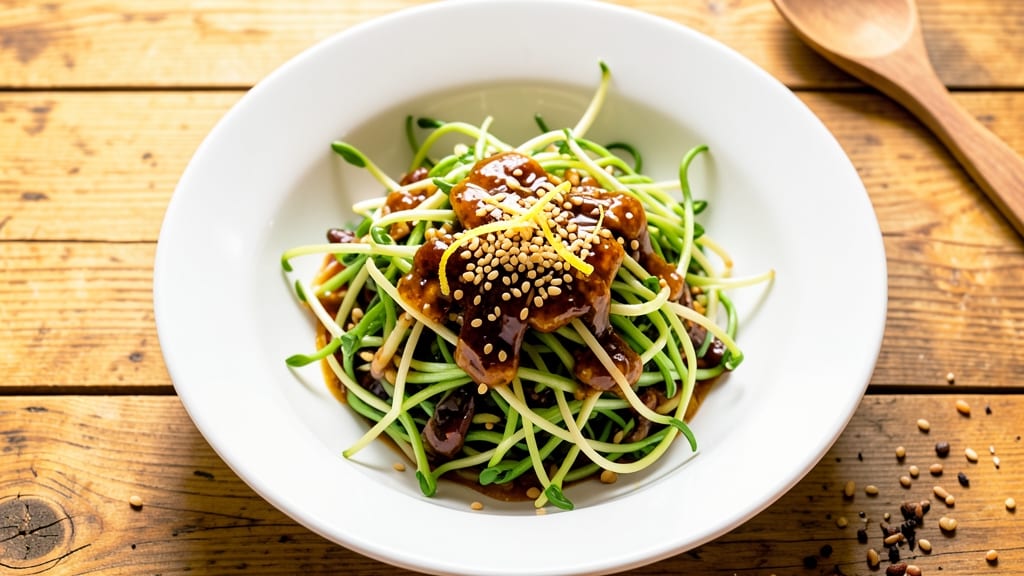
This bean sprout namul recipe transforms humble bean sprouts into a crisp-tender Korean side dish that steals every meal. The secret lies in perfect blanching—just enough to soften the sprouts while preserving their satisfying bite, then finishing with a bright garlic-sesame dressing that sings with umami.
I developed this version after struggling to find the right balance between restaurant-quality texture and home-cook simplicity, and it's now my go-to banchan for any Korean meal.
What makes this recipe special is its versatility—it's equally at home as a light lunch side or part of a full spread with rice and grilled meats. The blanching technique ensures tender yet still slightly crisp edges, while the sesame-garlic dressing adds layers of flavor without overpowering the delicate sprouts.
Most importantly, this recipe delivers authentic Korean flavors using just a handful of simple ingredients you likely already have.
By the end, you'll have a vibrant green dish with just the right texture—crisp-tender sprouts that hold their shape while soaking up the aromatic dressing. The garlic infuses the sesame oil with warmth, while a touch of soy sauce adds depth.
This namul pairs beautifully with bulgogi, grilled fish, or even as a standalone light meal with rice and kimchi.
The best part? This recipe comes together in just 15 minutes of active time, making it perfect for busy weeknights or when you need to round out a meal quickly.
The leftovers keep well in the fridge for up to 3 days, and the flavors actually improve as the dressing penetrates the sprouts. Let's get started!
Ingredients for bean sprout namul
These fresh, vibrant ingredients create the perfect crisp-tender Korean side dish in minutes.
| Ingredient | Amount | Notes |
|---|---|---|
| Fresh Bean Sprouts 🌱 | 4 cups | Tightly packed, rinsed well |
| Sesame Oil 🫒 | 1 ½ tbsp | Toasted for nutty aroma |
| Minced Garlic Cloves 🧄 | 3 cloves | Freshly minced for brightness |
| Soy Sauce 🥄 | 2 tbsp | Korean or tamari preferred |
| Rice Vinegar 🍶 | 1 ½ tbsp | White or seasoned |
| Toasted Sesame Seeds 🌿 | 1 tbsp | Lightly browned in dry pan |
| Gochugaru (Korean Red Pepper Flakes) 🌶️ | ½ tsp | Adjust for spice preference |
| Sugar 🍯 | ½ tsp | White or brown |
| Salt 🧂 | ¼ tsp | Kosher or sea salt |
| Vegetable Oil 🫒 | 1 tbsp | For blanching |
| Sesame Seeds (Extra for Garnish) 🌿 | ½ tbsp | Freshly toasted |
The bean sprouts are the star—look for bright green, firm sprouts at the store, not wilted or yellowing ones. Korean markets or the produce section at Whole Foods usually have the freshest. Rinse them well before using to remove any dirt or debris. For the sesame oil, toasted sesame oil is a must—it adds that nutty aroma that makes this dish sing. If you can't find toasted, lightly toast regular sesame oil in a pan for 30 seconds to mimic it. The garlic should be fresh, not pre-minced, for the best flavor. Korean gochugaru is ideal for the heat, but regular red pepper flakes work in a pinch.
No sesame oil? Toasted peanut oil works surprisingly well, though it'll have a different flavor profile. Short on soy sauce? Tamari or coconut aminos are great substitutes. The rice vinegar can be swapped for apple cider vinegar if needed, but it'll have a slightly different tang. If you want extra crunch, toss in 1/4 cup crushed roasted peanuts at the end. The sugar balances the flavors—don't skip it, even if you're not sweet-toothed. For a spicier kick, add an extra 1/2 tsp of gochugaru. The blanching oil is just for texture—use any neutral oil like canola or vegetable.
This dish tastes even better the next day as the flavors meld. Store leftovers in an airtight container in the fridge for up to 3 days. The dressing will soak into the sprouts, making them even more flavorful. For serving, I like to portion it into small bowls with a sprinkle of extra sesame seeds on top—it looks gorgeous and adds that final crunch. If you're making this ahead, keep the dressing and sprouts separate until right before serving to maintain the perfect crisp-tender texture. The blanching water can be saved for making broth—just strain it well!
Why You'll Love This Recipe
- No-Chop Necessary: I swear by this—just rinse the sprouts, toss them in a hot pan with a splash of sesame oil, and let the garlic sizzle. That’s it. No dicing, no peeling, no stress. The sprouts soften in minutes, and you’re left with something that tastes like you slaved over it.
- Umami Bomb: The moment that garlic hits the oil? Chef’s kiss. Then the soy sauce and vinegar—sweet, salty, tangy—all clinging to those tender sprouts. It’s the kind of flavor that makes you pause mid-bite, like, “Wait, is this even real?” (Yes. It is.)
- Banana Boat Meal: Between us, this is my go-to for lazy nights when I’m too tired to plan. Toss it over rice, pile it in a tortilla with fried egg, or just eat it straight with chopsticks. It’s the ultimate “I’ll figure out dinner later” side dish that somehow always feels intentional.
- Pantry Hero: Honestly? This recipe won’t break the bank. A bag of sprouts, a bottle of soy sauce, and a head of garlic last me weeks. Plus, leftovers? They keep for days in the fridge—perfect for when you’re too busy to cook but still want something that tastes like you did.
Step-by-step instructions for crisp-tender bean sprouts namul
Here's how to achieve that perfect balance of crisp-tender texture and bold garlic-sesame flavor every time.
Blanch the Bean Sprouts for Perfect Texture
Fill a large pot with water and bring to a rolling boil. Add the 4 cups fresh bean sprouts and cook for exactly 1 minute—this is crucial for that signature crisp-tender texture. You'll know they're ready when they turn bright green but still have a slight bite.
Drain immediately using a colander and rinse under cold water for 30 seconds to stop the cooking process. This quick shock treatment preserves their vibrant color and prevents them from becoming mushy. I like to give them a gentle shake in the colander to remove excess water before moving to the next step.
Create the Garlic-Sesame Dressing
In a small bowl, whisk together the 1.5 tablespoons sesame oil, 2 tablespoons soy sauce, 1.5 tablespoons rice vinegar, 0.5 teaspoon gochugaru, 0.5 teaspoon sugar, and 0.25 teaspoon salt. The mixture should be smooth and well combined—this is your flavor base. I always taste it at this stage to adjust seasoning if needed.
Add the 3 cloves minced garlic cloves and stir well. Let the mixture sit for 5 minutes to allow the garlic to mellow slightly—this prevents it from being too sharp in the final dish. The dressing should have a rich, aromatic smell that makes your mouth water.
Toss and Season the Sprouts
In a large mixing bowl, combine the blanched sprouts with the garlic-sesame dressing. Use your hands or a pair of tongs to toss everything together thoroughly. You want every sprout coated evenly with the dressing—this ensures maximum flavor in each bite.
Sprinkle the 1 tablespoon toasted sesame seeds over the sprouts and toss again. The seeds add a delightful nutty crunch that contrasts beautifully with the tender sprouts. If you're feeling extra fancy, you can lightly toast the sesame seeds in a dry pan for 30 seconds before adding them for even more depth of flavor.
Finish with Extra Sesame Seeds
Transfer the dressed sprouts to a serving platter or individual bowls. Sprinkle with the 0.5 tablespoon extra sesame seeds for garnish. These seeds not only look beautiful but also add that final nutty punch that ties the whole dish together.
Serve immediately while the sprouts are still crisp-tender. This dish is best enjoyed fresh, straight from the pot, where the contrast between the tender sprouts and the bold garlic-sesame dressing shines brightest. Pair it with grilled meats, fried rice, or even as a standalone side for a burst of fresh, vibrant flavor.
Pro Tips For Making Bean Sprout Namul
- STIR-FRY FAST, STOP STEAMING: Use a wok or large skillet on maximum heat—your bean sprouts will cook in 1-2 minutes, not 5. If they’re still crunchy after that, you’re not going hot enough. (Yes, even if you’re impatient like me.)
- TRIM SPROUTS, NOT ROOTS: Snip the thick ends off each sprout with kitchen shears—this prevents muddy water and ensures even cooking. Don’t chop the roots; they’re the anchor, not the problem.
- SOY SAUCE LAST, GARLIC FIRST: Cook the garlic in sesame oil until just golden (30 seconds max), then toss in sprouts. Add soy sauce after they’re done—otherwise, it’ll turn them rubbery. (I learned this the hard way.)
- VINEGAR TOO LATE: Drizzle rice vinegar off-heat to preserve its bright tang. If you add it while stir-frying, it’ll cook off into nothing. A splash of cold water right after also helps reset the texture.
Health benefits of these flavors
Rich in Plant Protein
Bean sprouts are a nutritional powerhouse, delivering high-quality plant-based protein—about 3 grams per cup—that supports muscle maintenance and satiety. This makes this namul dish a fantastic option for vegetarians and vegans looking to boost their protein intake without relying on meat.
The soy sauce in the dressing adds an extra 2-3 grams of protein per serving, making it a well-rounded side dish. 💪
Fiber for Digestion
With 5 grams of dietary fiber per cup, bean sprouts promote healthy digestion and help regulate blood sugar levels. The blanching process preserves much of this fiber, unlike overcooking which can break it down.
This dish is particularly great for gut health, especially when paired with fermented foods like kimchi or pickled vegetables. I notice my digestion improves when I include this namul in my meals regularly.
Vitamin C Boost
One cup of bean sprouts provides over 50% of your daily vitamin C needs, a powerful antioxidant that supports immune function and skin health. The blanching process helps concentrate this vitamin in the edible portion.
The garlic in the dressing also contributes to your vitamin C intake while adding its own immune-boosting properties. This makes the dish not just delicious but also a great preventive health measure.
Low-Calorie Nutrition
At only 31 calories per cup, this namul offers substantial nutrition without the calorie load. The sesame oil and soy sauce add minimal calories while providing healthy fats and umami flavor.
This makes it perfect for weight management diets while still delivering satisfying texture and taste. I love serving this as a light side that doesn't weigh me down before my main course.
Antioxidant Properties
The vibrant green color of bean sprouts indicates high levels of lutein and zeaxanthin, antioxidants that protect your eyes and reduce inflammation. The gochugaru in the dressing adds capsaicin, which has been shown to boost metabolism and reduce oxidative stress.
Together, these ingredients create a dish that's not just tasty but actively beneficial for your health. 🌱
Bone-Strengthening Nutrients
Bean sprouts contain calcium, magnesium, and phosphorus, essential minerals for maintaining strong bones. The sesame seeds in this recipe provide an extra 9% of your daily calcium needs per tablespoon.
This makes the dish particularly valuable for those looking to support bone health through their diet, especially when combined with other calcium-rich foods like tofu or fortified plant milks.
Nutrition facts
Frequently asked questions
Can I use regular green beans instead of bean sprouts?
While you can use green beans, the texture and flavor will differ significantly. Bean sprouts have a delicate, slightly sweet taste and tender-crisp texture that works perfectly for namul. Green beans would require a longer cooking time (3-4 minutes) and might become too soft. If you must substitute, try snow peas or mung bean sprouts for a closer texture.
How do I know when the bean sprouts are blanched perfectly?
The key is timing and color! Your sprouts should turn a vibrant bright green and have a slight resistance when bitten—like al dente pasta. Overcooking (more than 1 minute) turns them mushy, while undercooking leaves them crunchy. Immediately rinse them in cold water after blanching to stop the cooking process and lock in that perfect texture.
Can I make this recipe without sesame oil?
Yes, but the flavor will be less authentic. For a substitute, try 1 tablespoon toasted peanut oil or 1/2 tablespoon olive oil plus 1/2 teaspoon toasted sesame seeds> (extra for garnish). The nutty depth from sesame oil is what makes this dish special, but these alternatives will still work in a pinch. Just know the flavor profile will be slightly different.
How spicy should this dish be?
The 0.5 teaspoon gochugaru> in this recipe gives a mild, warm kick—think subtle heat rather than fiery spice. For more heat, add an extra 1/2 teaspoon> and let it sit for 5 minutes> before tossing to mellow the flavor. If you're sensitive to spice, reduce to 1/4 teaspoon> or omit entirely. The garlic and sesame balance the heat beautifully.
Can I prepare this ahead of time?
Store the blanched sprouts and dressing separately in airtight containers for up to 3 days>. Toss them together just before serving to maintain that perfect crisp-tender texture. The flavors actually improve overnight as the dressing penetrates the sprouts. For serving, sprinkle with fresh sesame seeds and a drizzle of sesame oil to refresh the presentation.