
Side Dishes
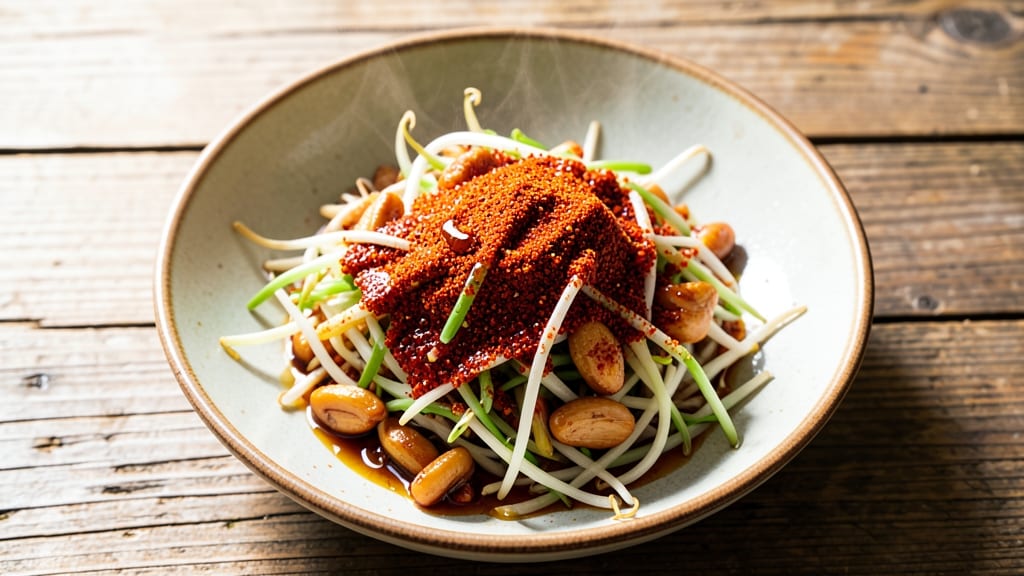
This bean sprout banchan Korean recipe transforms humble bean sprouts into a crisp-tender, flavor-packed side that steals every Korean meal. The secret lies in quick blanching followed by a bright garlic-soy dressing that delivers that signature umami zing without overpowering the delicate sprouts.
I developed this version after realizing how often store-bought versions miss the perfect texture balance—too mushy or too raw.
What makes this banchan special is its versatility and authenticity. The technique mirrors traditional Korean home cooking, where simple ingredients like soy sauce, sesame oil, and garlic create complex flavors.
You'll achieve that signature crisp-tender texture through precise blanching, while the dressing adds layers of savory, nutty, and slightly sweet notes. This is the kind of side that transforms any meal into a Korean-inspired feast.
By the time you're done, you'll have a vibrant, aromatic side dish that's perfect for serving alongside rice, grilled meats, or fried chicken. The bean sprouts maintain their natural crunch while absorbing just enough flavor to become irresistibly addictive.
The best part? This recipe comes together in under 20 minutes with minimal prep, making it ideal for busy weeknights or special occasions.
For those who enjoy heat, a dash of gochugaru (Korean red pepper flakes) can transform this into a spicy variation. The balance of flavors and textures makes this banchan equally at home on a casual weeknight table or an elegant Korean feast.
Let's get started on creating this restaurant-quality side dish at home.
Ingredients for bean sprout banchan korean
Simple ingredients create this addictive Korean side—crisp-tender sprouts meet bold garlic-soy magic.
| Ingredient | Amount | Notes |
|---|---|---|
| Fresh Bean Sprouts 🌱 | 4 cups | Trimmed and rinsed thoroughly |
| Garlic Cloves 🧄 | 4 cloves | Minced finely for bright flavor |
| Korean Soy Sauce (Ganjang) 🥄 | ¼ cup | High-quality, salty-sweet variety |
| Sesame Oil 🌰 | 1 tbsp | Toasted, for nutty aroma |
| Rice Vinegar 🍶 | 1 tbsp | White or seasoned preferred |
| Gochugaru (Korean Red Pepper Flakes) 🌶️ | ½ tsp | Adjust for heat preference |
| Toasted Sesame Seeds 🌰 | 1 tbsp | Lightly toasted in dry pan |
| Neutral Oil (Avocado or Vegetable) 🫒 | 1 tbsp | For high-heat blanching |
| Sugar 🍚 | ½ tsp | Balances soy sauce sweetness |
| Salt 🧂 | ½ tsp | Kosher or sea salt |
| Green Onion 🧅 | 2 whole | Thinly sliced for garnish |
| Water 💧 | 2 cups | For blanching and rinsing |
| Ice Cubes ❄️ | 1 cup | For immediate shock cooling |
The bean sprouts are your canvas—look for bright, firm ones with no yellowing at the tips. Korean markets or the produce section of H Mart carry the best quality, but any fresh sprouts work. Trim the ends carefully—this keeps them looking neat and prevents bitterness. For the garlic, Korean garlic (if available) has a milder, sweeter flavor, but regular garlic works perfectly fine. The soy sauce? Ganjang is essential—its fermented depth is what makes this banchan taste authentically Korean. If you can't find it, Japanese tamari is a decent substitute, though it'll lack that signature funk.
No sesame oil? Toasted sesame paste mixed with water works in a pinch, though the flavor will be heavier. Short on gochugaru? Substitute half the amount of smoked paprika for a milder heat. The sugar is key—it balances the soy's saltiness, so don't skip it. For the blanching oil, avocado oil has the highest smoke point, but any neutral oil (like vegetable or canola) will do. Pro tip: Use a slotted spoon to transfer the blanched sprouts to ice water—this prevents overcrowding and keeps them uniformly crisp. The green onions add a fresh pop, but if you're out, scallions or chives work just as well.
Blanched sprouts keep their texture for 3 days in the fridge if stored in an airtight container with a paper towel to absorb moisture. The dressing, however, is best made fresh—it oxidizes quickly. For meal prep, blanch and shock the sprouts ahead of time, then toss with dressing just before serving. Freezing isn't recommended—they turn mushy. If you make extra dressing, store it separately in a small jar for up to 1 week. This banchan is a crowd-pleaser, so double the batch if you're serving it as a main or with multiple sides.
Why You'll Love This Recipe
- No-Chop Necessary: I swear by this one—just rinse the bean sprouts, no dicing, no fuss. Five minutes of prep, and you’re done. (Yes, even when I’m scrolling through my phone waiting for the rice to cook.)
- Umami Bomb: That first bite? Crispy sprouts with garlic so fragrant it’ll make you pause mid-bite. The ganjang and sesame oil turn something simple into a flavor explosion—salty, nutty, with just enough tang from the rice vinegar to keep it bright.
- Banchan for Everything: I keep this in my fridge like ketchup—it works with fried rice, grilled meats, even eggs. Need a quick side for takeout? Done. Hosting a potluck? This disappears faster than the deviled eggs. (Pro tip: double the batch.)
- Pantry Staple Magic: Sesame oil and soy sauce never go bad, and bean sprouts stay fresh for weeks. Make a big batch on Sunday, and you’ve got a week’s worth of sides covered. Budget-friendly? Absolutely. My wallet thanks me every time.
Step-by-step instructions for crisp-tender bean sprouts banchan
Here's how to achieve that perfect balance of crisp-tenderness with bold garlic-soy flavor.
Blanch and Shock the Bean Sprouts
Bring the 2 cups of water to a rolling boil in a medium saucepan. Add the 4 cups of fresh bean sprouts and cook for exactly 45 seconds—you want them just tender enough to soften slightly but still retain their crisp structure. Immediately drain them using a fine-mesh strainer.
Here's the critical part: transfer the drained sprouts to a large bowl and add the 1 cup of ice cubes. Stir gently to distribute the ice evenly. This shock cooling stops the cooking process instantly, preserving that perfect crisp-tenderness. Let them sit for 2 minutes before proceeding. The ice should melt completely, leaving you with cold, crisp sprouts ready for seasoning.
Create the Garlic-Soy Marinade
In a small bowl, whisk together the 0.25 cup of Korean soy sauce (ganjang), 1 tablespoon of rice vinegar, 0.5 teaspoon of sugar, and 0.5 teaspoon of salt. This marinade forms the flavor base of your banchan. The sugar balances the saltiness of the soy sauce while the vinegar adds a subtle tang that brightens the dish.
Add the 4 cloves of minced garlic cloves and 1 tablespoon of toasted sesame oil to the marinade. Stir well to combine—you should see the garlic disperse evenly. Let this mixture sit for 1 minute to allow the garlic to infuse its bright, aromatic qualities into the sauce. This step is where the magic happens—those garlic notes will become the star of your banchan.
Toss and Season the Sprouts
Transfer the shocked bean sprouts to a large mixing bowl. Pour the garlic-soy marinade over them and toss gently but thoroughly with your hands or clean kitchen tongs. You want every sprout coated evenly with the sauce—this ensures balanced flavor in every bite. The sesame oil will give them a subtle sheen while the soy sauce adds that signature umami depth.
Sprinkle the 0.5 teaspoon of gochugaru (Korean red pepper flakes) evenly over the sprouts. Toss again to distribute the flakes. Here's where you can adjust for heat preference: if you like more spice, add an extra 0.25 teaspoon. The gochugaru will add a subtle warmth that complements the garlic and soy perfectly.
Finish with Toasted Sesame and Fresh Garnish
Heat 1 tablespoon of neutral oil (avocado or vegetable) in a small dry skillet over medium heat. Add the 1 tablespoon of toasted sesame seeds and toast for 30 seconds, stirring constantly until they're deeply fragrant and golden. Remove from heat immediately—they'll continue to toast in the residual heat.
Sprinkle the toasted sesame seeds over the seasoned sprouts and toss one final time. Thinly slice the 2 whole green onions and scatter them evenly over the top. The sesame seeds add nutty depth while the green onions provide a fresh, crisp contrast that cuts through the richness of the garlic and soy. This final garnish elevates the dish from good to exceptional.
Rest and Serve for Maximum Flavor
Let the bean sprouts sit at room temperature for 5 minutes before serving. This resting period allows all the flavors to meld together beautifully. The slight warmth helps the garlic aromas develop fully while the sesame oil softens just enough to coat each sprout perfectly.
Serve immediately as a vibrant side dish to complement grilled meats, fried rice, or any Korean meal. The contrast of crisp-tender sprouts with the bold garlic-soy flavor makes this banchan irresistible. Each bite should deliver that perfect balance of textures and flavors—crisp with a satisfying bite, tender enough to eat quickly, and packed with umami and garlic brightness.
Pro Tips For Making Bean Sprout Banchan Korean
- WASH SPROUTS TWICE: Cold water only—no soaking, just two quick rinses. Bean sprouts hold dirt stubbornly, and I learned this the hard way when my first batch tasted gritty. Pat them dry afterward with a clean towel; damp sprouts steam instead of sear.
- MINCE GARLIC FINE: No rough chopping—use a knife to smash whole cloves flat first, then mince into a paste. This keeps the flavor distributed evenly and prevents garlic bits from lurking at the bottom of your dish. (Yes, even if you’re impatient like me.)
- COOK IN BATCHES: Overcrowding the pan turns your banchan into mush. Work in small piles—about ½ cup at a time—so the sprouts blister and crisp instead of turning soggy. A hot, dry wok or skillet is non-negotiable here.
- DRIZZLE SESAME OIL LAST: Add sesame oil after the pan’s off the heat—just before serving. Heat destroys its delicate aroma, and I used to ruin it by tossing it in too early. A teaspoon at the end makes all the difference in that nutty perfume.
Creative variations of this bean sprout banchan korean
Spicy Gochujang Twist
For a bold, fermented kick, swap the gochugaru for 1 tablespoon gochujang (Korean chili paste) mixed with 1 teaspoon rice vinegar. This creates a thick, sticky glaze that clings to the sprouts beautifully.
I like to toss the blanched sprouts in this mixture while still warm so the gochujang melts slightly. Add ½ teaspoon toasted sesame oil to balance the heat. The result is a deeper, more complex flavor profile with lingering spice. 🌶️
Sweet and Tangy Fusion
Transform this banchan into a sweet-tangy delight by adding 1 tablespoon honey or agave syrup to the garlic-soy marinade. Increase the rice vinegar to 2 tablespoons for extra brightness. This variation works beautifully with grilled chicken or pork.
For extra flair, garnish with crushed peanuts (about 1 tablespoon) and a sprinkle of toasted coconut flakes. The sweetness balances the savory garlic perfectly.
Sesame-Ginger Zing
Infuse the dressing with fresh ginger for a bright, aromatic twist. Add 1 teaspoon grated ginger to the garlic-soy marinade and let it steep for 5 minutes before tossing with the sprouts. The ginger's sharpness cuts through the richness of the sesame oil, creating a refreshing contrast.
For extra depth, add ½ teaspoon grated daikon radish to the dressing. This variation pairs exceptionally well with steamed fish or tofu dishes.
Crispy Fried Sprouts
Take this banchan to the next level by lightly frying the blanched sprouts for extra crunch. After shock cooling, toss the sprouts with 1 tablespoon cornstarch and 1 tablespoon neutral oil. Pan-fry in batches over medium-high heat for 2-3 minutes until golden and crispy.
Then proceed with the garlic-soy dressing as usual. The crispy exterior adds a satisfying texture contrast to the tender interior. Serve immediately to maintain the crunch.
Herb-Infused Variation
Brighten the dish with fresh herbs by adding 2 tablespoons chopped cilantro or thai basil to the final toss. For a more complex flavor, mix in 1 teaspoon grated lemon zest along with the garlic-soy marinade.
The herbs add a fresh, almost floral note that complements the umami depth. This variation works especially well in warm weather or as a refreshing accompaniment to grilled seafood. 🌿
Sweet Potato Sprout Mix
For a heartier banchan, mix 1 cup cooked and cooled sweet potato cubes (about ½ inch pieces) with the bean sprouts before blanching. Use the same garlic-soy dressing, but reduce the gochugaru to ¼ teaspoon** to balance the sweetness of the potatoes.
The sweet potato adds a satisfying chewiness that pairs beautifully with the crisp sprouts. This version is perfect for a more substantial side dish that can stand alone or complement rich main courses.
Nutrition facts
Frequently asked questions
Why do Korean bean sprout banchan recipes always call for blanching?
Blanching is key to achieving that signature crisp-tender texture. The quick 45-second cook softens the sprouts just enough to remove their raw bite while preserving their structure. The ice water shock stops cooking instantly, preventing them from turning mushy. This technique mirrors traditional Korean home cooking where texture is as important as flavor. Without blanching, your sprouts would either be too raw or turn to mush.
Can I make this banchan ahead of time?
Yes, but with a few tricks! Blanch and shock the sprouts up to 3 days ahead, storing them in an airtight container with a paper towel to absorb moisture. Keep the dressing separate until ready to serve. For best results, toss the sprouts with dressing just before eating—they'll stay crispest this way. The dressing itself keeps for 1 week in the fridge, but fresh is always better for maximum flavor.
What's the difference between Korean soy sauce (ganjang) and regular soy sauce?
Korean soy sauce (ganjang) has a distinct fermented funk and slightly sweeter profile compared to Japanese soy sauce. It's less salty and contains more complex umami compounds that create that authentic Korean flavor. For this recipe, ganjang is essential—it gives the banchan its signature depth. If you can't find it, Japanese tamari is the closest substitute, though it'll lack that signature funk.
How do I adjust the spice level in this recipe?
The recipe calls for 0.5 teaspoon gochugaru, but you can easily adjust. For mild heat, reduce to 0.25 teaspoon. For extra spice, go up to 1 teaspoon. Pro tip: Toast the gochugaru in a dry pan for 30 seconds before adding to deepen its flavor. If you prefer a different heat profile, try substituting with ½ teaspoon gochujang (Korean chili paste) mixed with ½ teaspoon vinegar for a fermented kick.
Can I use frozen bean sprouts instead of fresh?
Fresh bean sprouts are ideal for this recipe as they have the best texture and flavor. Frozen sprouts tend to be softer and can develop an off-flavor when thawed. If you must use frozen, thaw them completely and pat them very dry before blanching. You may need to reduce the blanching time to 30 seconds to prevent overcooking. The texture won't be quite as crisp, but it'll still be delicious.