
Soups & Stews
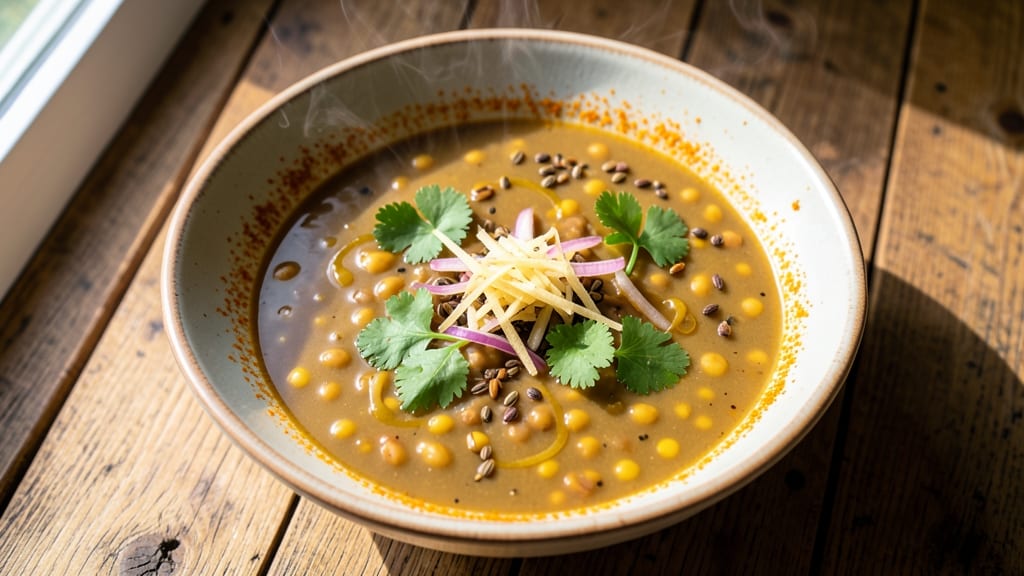
This Ayurvedic mung bean soup recipe delivers a nourishing, digestion-boosting elixir that harmonizes traditional wisdom with modern convenience. The key lies in its gentle yet potent blend of warming spices—cumin, turmeric, and ginger—that work together to balance the doshas while providing plant-based protein and fiber.
Unlike heavy soups, this light yet satisfying version cooks in just 25 minutes, making it perfect for chilly days or post-meal digestion support.
The foundation of this recipe begins with properly soaked mung beans, which not only reduce cooking time but also enhance digestibility—a cornerstone of Ayurvedic practice. Traditional spices like coriander and fennel add depth without overpowering, while fresh ginger and turmeric create an anti-inflammatory base.
What makes this soup truly special is its adaptability: it serves as a comforting main dish, a healing broth, or even a light lunch when paired with whole-grain bread.
By the time you finish this recipe, you'll have a golden-hued, aromatic soup that's rich in plant-based protein and easy-to-digest nutrients. The spices infuse the broth with earthy warmth, while the mung beans provide gentle energy without heaviness.
This is the kind of dish that aligns with Ayurvedic principles while fitting seamlessly into modern lifestyles—simple enough for weeknight meals but profound enough to nourish the body and mind.
The best part? This recipe scales effortlessly—double the batch for meal prep or adjust the spices to suit your dosha balance. Whether you're seeking digestive comfort or a nutrient-dense plant-based meal, this Ayurvedic mung bean soup delivers both. Let's get started with the ingredients you'll need.
Ingredients for ayurvedic mung bean soup
Twelve Ayurvedic ingredients transform simple mung beans into a golden, digestion-boosting elixir.
| Ingredient | Amount | Notes |
|---|---|---|
| Yellow Mung Beans 🌾 | 1 cup | Rinsed and soaked 4 hours |
| Fresh Ginger Root 🧄 | 2 tbsp | Grated finely for potency |
| Turmeric Powder 🌿 | 1 tsp | Organic preferred for purity |
| Ground Cumin Seeds 🌶️ | 1 tsp | Toasted for enhanced aroma |
| Ground Coriander Seeds 🌿 | 1 tsp | Freshly ground preferred |
| Fennel Seeds 🌿 | ½ tsp | Lightly crushed for release |
| Fresh Cilantro Leaves 🌿 | ¼ cup | Chopped for garnish |
| Extra-Virgin Olive Oil 🫒 | 2 tbsp | Cold-pressed for quality |
| Vegetable Broth 💧 | 4 cups | Low-sodium preferred |
| Lemon Juice 🍋 | 1 tbsp | Freshly squeezed |
| Sea Salt 🧂 | ½ tsp | Diamond Crystal preferred |
| Black Peppercorns 🌶️ | ¼ tsp | Freshly cracked |
| Asafoetida Powder 🌿 | ⅛ tsp | Optional, for depth |
The mung beans are the heart of this recipe—organic or whole-grain store varieties ensure optimal digestibility. Soaking them for at least four hours reduces cooking time and enhances nutrient absorption, a key principle in Ayurveda. For the spices, Penzeys Spices or bulk bins at Whole Foods offer the freshest ground cumin and coriander. The turmeric should be a vibrant orange, not dull yellow—a sign of potency. Fresh ginger is non-negotiable here; pre-grated loses its punch quickly. Asafoetida, though optional, adds that unmistakable depth that makes this soup authentically Ayurvedic—find it in the international aisle at Trader Joe's or Indian markets.
No fresh ginger? Powdered ginger at half the amount works in a pinch, though you'll lose some of the soup's signature warmth. Substitute fennel seeds with anise seeds at equal measure for a similar licorice note. For the broth, Homemade vegetable broth is ideal, but low-sodium store-bought like Pacific Foods is perfectly acceptable. The olive oil should be extra-virgin—California-based brands like Corto offer the best balance of fruitiness and heat resistance. If you're avoiding asafoetida, increase cumin by one-eighth teaspoon for depth. The cilantro should be fresh—dried loses its brightness entirely.
Store the cooked soup in airtight glass containers for up to 5 days in the fridge, though it's best enjoyed within 2 days for peak freshness. Freeze portions in ice cube trays for 3 months—thaw overnight in the fridge before reheating. The spices lose potency over time, so if storing the dry blend separately, keep it in a dark glass jar away from light and heat. For meal prep, double the batch and freeze half—this soup reheats beautifully, making it perfect for busy weeknights when digestive comfort is needed most.
Why You'll Love This Recipe
- No-Soaking Needed: I swear by this trick—just a quick rinse and simmer. Those yellow mung beans break down into creamy perfection without any overnight prep, and honestly? It’s the kind of shortcut that makes me actually want to cook.
- Earthy Warmth Combo: Turmeric and ginger team up like old friends here, but the cumin and coriander? That’s where it gets magical. The soup tastes like a hug—spicy enough to wake you up, but smooth enough to sip all day.
- Office Lunch Hero: Between us, this is my go-to for meal prep. Make a big batch on Sunday, and you’ve got a protein-packed lunch for the week that’s still exciting—no sad desk salads here. Just reheat, adjust salt, and you’re golden.
- Pocketbook Wins: A pound of mung beans feeds four for less than $3. That’s right: budget-friendly, nutrient-dense, and zero guilt. My college-student self would’ve cried happy tears over this. (Yes, even on a Tuesday night.)
Step-by-step instructions for Ayurvedic mung bean soup
A balanced blend of earthy spices and cooling herbs creates this nourishing elixir.
Prepare the Mung Beans for Cooking
Drain the soaked 1 cup yellow mung beans thoroughly and rinse them under cold water. This removes excess starch that can make the soup gummy. Transfer the drained beans to a medium saucepan and cover them with fresh cold water by about 2 inches. Bring to a gentle boil over medium-high heat until small bubbles form around the edges.
Reduce heat to medium-low and simmer for 10 minutes, stirring occasionally to prevent sticking. The beans should soften but remain slightly firm—this ensures they hold their shape while still being digestible. Drain again and set aside, reserving the cooking water for later use if needed. Properly prepped beans form the foundation of this Ayurvedic digestif.
Toast the Spice Blend for Depth
In a dry skillet over medium heat, toast the 1 teaspoon ground cumin seeds, 1 teaspoon ground coriander seeds, and 0.5 teaspoon fennel seeds for 1-2 minutes until fragrant. You'll smell their warm, earthy aromas intensify—they should darken slightly but not burn. Immediately transfer the toasted spices to a small bowl and set aside.
In the same skillet, heat 2 tablespoons extra-virgin olive oil until shimmering. Add the 2 tablespoons finely grated fresh ginger root and sauté for 30 seconds until the raw aroma disappears and it turns a pale golden color. This step unlocks the ginger's medicinal properties while preventing bitterness.
Build the Ayurvedic Spice Base
Return the toasted spice blend to the skillet with the ginger oil. Add 1 teaspoon turmeric powder and stir for 30 seconds until the spices meld together. The mixture should take on a warm, golden hue—this indicates proper activation of the turmeric's curcuminoids. Pour in 4 cups vegetable broth and bring to a gentle simmer over medium heat. Stir in the prepared 1 cup yellow mung beans and 0.125 teaspoon asafoetida powder (if using).
Simmer uncovered for 12-15 minutes until the beans are tender but still hold their shape. The soup should reduce slightly, concentrating the flavors. Taste and adjust seasoning with 0.5 teaspoon sea salt and 0.25 teaspoon freshly cracked black peppercorns. This balancing act ensures the soup's Ayurvedic properties remain harmonious.
Finish with Bright, Digestive Elements
Remove the soup from heat and stir in 1 tablespoon freshly squeezed lemon juice. The acidity brightens the earthy flavors while adding a digestive kick. Let the soup sit for 2 minutes to allow the lemon to fully integrate. Stir in 0.25 cup chopped fresh cilantro leaves just before serving—this preserves their vibrant color and fresh aroma.
For optimal digestion, serve this warming elixir at 100-110°F (just off boiling). The combination of mung beans, ginger, and turmeric creates a tridoshic balance, making it suitable for all constitutions while supporting digestive fire. Each bowl delivers a medley of textures—creamy beans, aromatic broth, and fresh herbs—perfect for balancing seasonal imbalances.
Pro Tips For Making Ayurvedic Mung Bean Soup
- SOAK BEANS OVERNIGHT: I learned this the hard way—rushing the soak leaves your mung beans tough and gummy. Use 4 parts water to 1 part beans, soak for 12 hours (or at least 6), then drain and rinse. The longer they soak, the creamier your soup becomes.
- GRATE GINGER FINE: Skip the food processor unless you want a watery soup. Use a microplane or the smallest holes on a box grater—you want ginger so fine it practically dissolves. Too chunky, and you’ll taste it instead of letting it mingle with the spices.
- TOAST SPICES LOW: After adding cumin and coriander, reduce heat to medium-low and toast them for 30 seconds. I used to burn them, which made the soup bitter. Low heat lets the spices bloom without scorching—just until they smell like a spice market, not a smoking skillet.
- SIMMER GENTLY AFTER BOIL: Once the beans are tender, drop the heat to a bare simmer. I know, I know—you’re eager to eat. But boiling too hard turns the soup gluey. A slow simmer (barely bubbles) keeps the texture light and lets the turmeric’s color deepen naturally.
Dietary considerations for ayurvedic mung bean soup
Vegan-Friendly Foundation
This recipe is naturally vegan and plant-based, making it perfect for those avoiding animal products while still seeking nutrient-dense meals. The yellow mung beans provide 15 grams of plant-based protein per serving, along with fiber for gentle digestion—key principles in Ayurveda.
Unlike many vegan soups that rely on heavy legumes, mung beans are light yet satisfying, balancing kapha dosha without weighing you down. 🌱
Gluten-Free & Allergen-Free
With no wheat, dairy, or nuts, this soup is gluten-free and allergen-conscious by design. The spices and broth are naturally free from common allergens, though always check your vegetable broth label for hidden additives.
For extra safety, opt for certified gluten-free broth like Pacific Foods or Imagine Foods. The recipe’s simplicity ensures it fits FODMAP-friendly diets when prepared without onions or garlic (common triggers).
Ayurvedic Dosha Balance
This soup is tridoshic, meaning it harmonizes all three Ayurvedic constitutions—Vata, Pitta, and Kapha. The warming spices (cumin, ginger) balance Vata, while cooling cilantro and lemon soothe Pitta. For Kapha, the lightness of mung beans and fennel prevent heaviness.
To customize: Add black pepper for Vata, mint for Pitta, or ginger for Kapha support. The turmeric and asafoetida further enhance its anti-inflammatory properties, aligning with Ayurvedic healing principles.
Digestive Comfort Focus
Ayurveda prioritizes Agni (digestive fire), and this soup is designed to stimulate it gently. The soaked mung beans are pre-digested, reducing bloating, while ginger and fennel relieve gas. For extra digestive support, add ½ tsp grated fresh ginger or 1 tsp ground ajwain (carom seeds) to the broth.
Avoid overcooking the beans—they should remain al dente to prevent gassiness. Serve with steamed jasmine rice or quinoa for a complete, easy-to-digest meal.
Nutrient-Dense Customizations
Boost the soup’s Ayurvedic benefits with these optional additions: - 1 tbsp coconut milk (for Kapha support) - Handful of spinach (adds iron and vitamin K) - Sliced cucumber (for Pitta cooling) Always adjust spices to your dosha needs—Pitta types may reduce ginger slightly, while Vata types can add extra warmth with black pepper.
The recipe’s flexibility makes it a versatile healing tool for seasonal imbalances. 💛
Nutrition facts
Frequently asked questions
Why is soaking the mung beans important in Ayurvedic cooking?
Soaking mung beans for at least 4 hours (or overnight) is a fundamental Ayurvedic practice that enhances digestibility by breaking down complex proteins and reducing phytic acid. This gentle pre-cooking makes the beans easier on your digestive system while preserving their natural nutrients. Plus, it cuts cooking time significantly! The result is a soup that aligns with Ayurveda's emphasis on light, easily assimilated foods.
Can I make this soup without asafoetida (hing)?
Asafoetida adds depth but isn't essential. Simply increase the cumin by ⅛ teaspoon to compensate for its umami richness. For extra flavor, add ½ teaspoon garlic powder (if avoiding raw garlic) or a pinch of saffron strands for warmth. The soup will still be authentically Ayurvedic—just slightly more grounded in earthy flavors.
How do I adjust this recipe for different doshas?
For Vata types, add ¼ teaspoon black pepper and extra ginger to warm the constitution. Pitta individuals should reduce ginger to 1 teaspoon and add mint leaves for cooling. For Kapha, increase fennel to ½ teaspoon and add ½ teaspoon turmeric for metabolism support. The base recipe is tridoshic, but these tweaks personalize it to your unique balance.
Can I use canned mung beans instead of dried?
While dried mung beans are ideal for their freshness and digestibility, you can use canned in a pinch. Drain and rinse them thoroughly, then simmer for only 5-8 minutes (they're pre-cooked). However, canned beans lack the Ayurvedic benefit of soaking—so if possible, stick with dried for maximum digestive benefits. For texture, mash 2-3 beans lightly to thicken the broth slightly.
What are the signs my soup is overcooked?
Overcooked mung beans will appear mushy and lose their shape, turning the soup into a thick, gluey consistency. The broth may also develop a slightly bitter taste. For perfect texture, aim for beans that are tender but still hold their shape—like al dente pasta. If you've gone too far, blend half the soup for 10 seconds to restore creaminess while keeping some whole beans for texture contrast.