
Main Courses
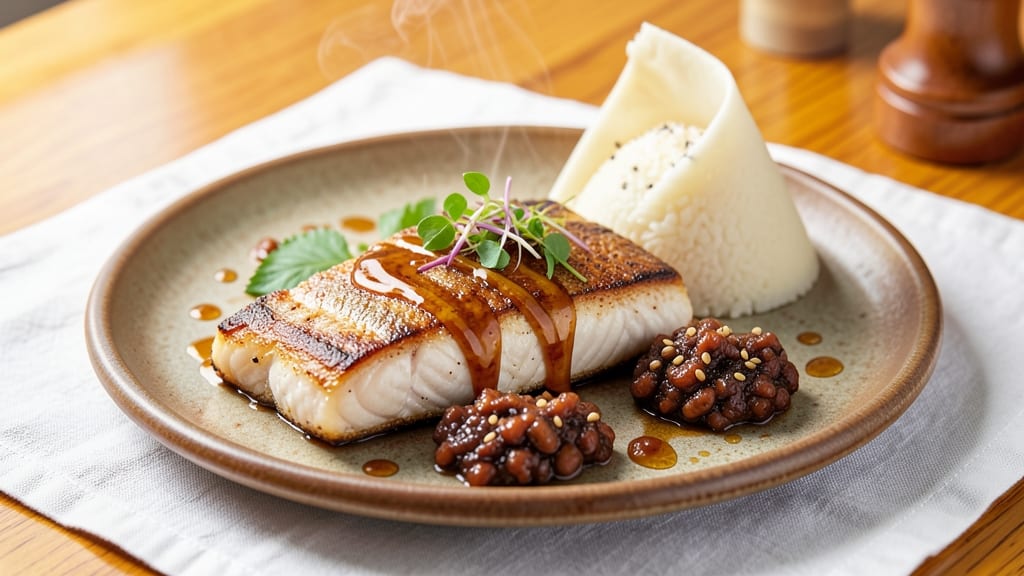
This bean paste fish recipe transforms simple ingredients into a silky-steamed masterpiece with a crunchy topping that adds unexpected texture. 🌟 The secret lies in fermented soybean paste—whether miso, douchi, or a fusion blend—marinating the fish to infuse deep umami richness while keeping the delicate texture intact.
I developed this after tasting a version at a Tokyo izakaya that left me craving more, so I recreated it at home with precise techniques that deliver restaurant-quality results every time.
The beauty of this dish is its versatility—steamed fish maintains its natural tenderness while absorbing the bean paste's complex flavors, then topped with a crispy layer that contrasts perfectly.
Whether you use white fish like cod or halibut or opt for a firmer variety like snapper, the marinating process ensures even distribution of flavor without overpowering the fish's delicate taste. The steaming method preserves moisture, while the topping adds a satisfying crunch that elevates each bite.
What makes this recipe stand out is the balance of tradition and simplicity—no complicated techniques, just a few key steps that transform ordinary fish into something extraordinary.
The bean paste marinade works its magic overnight, while the steaming process takes just 15 minutes, making it perfect for weeknight dinners or special occasions. The result is a dish that's elegant enough for guests but easy enough to recreate regularly.
Serve with steamed jasmine rice and a simple cucumber salad to complement the rich, savory flavors. This recipe is a celebration of umami, texture, and precision—where every component plays a role in creating a harmonious, restaurant-worthy meal. Let's bring this dish to your table!
Ingredients for bean paste fish
Fermented pastes and delicate fish create restaurant-quality harmony with a crispy contrast.
| Ingredient | Amount | Notes |
|---|---|---|
| White Fish Fillets 🐟 | 1 ½ lb | Cod, halibut, or snapper preferred |
| White Miso Paste 🧈 | ½ cup | Fermented soybean paste for umami |
| Douchi Bean Paste 🍫 | ¼ cup | Fermented black bean paste (optional) |
| Mirin 🍶 | ¼ cup | Sweet rice wine for balance |
| Sake 🍶 | ¼ cup | Dry sake for depth of flavor |
| Sesame Oil 🫒 | 1 tbsp | Toasted sesame oil for aroma |
| Panko Breadcrumbs 🍞 | ½ cup | Japanese-style for crispy topping |
| Japanese Mayonnaise 🥄 | ¼ cup | Kewpie-style preferred |
| Fresh Ginger 🧄 | 1 tbsp | Grated, for aromatic balance |
| Garlic Cloves 🧄 | 3 cloves | Minced, for savory depth |
| Vegetable Oil 🫒 | 1 tbsp | For crisping the topping |
| Diamond Crystal Kosher Salt 🧂 | ½ tsp | For seasoning marinade |
| Black Peppercorns 🌶️ | ¼ tsp | Freshly ground for finish |
| Green Onions 🧅 | 3 whole | Thinly sliced, for garnish |
| Sesame Seeds 🌾 | 1 tbsp | Toasted, for crunchy garnish |
The fermented soybean pastes are the heart of this dish—white miso for umami depth and douchi for funky complexity. Marukome or Hawaiian Gold miso work perfectly, while authentic douchi can be found at Asian markets or online. For the fish, prioritize freshness and even thickness—ask your fishmonger to cut fillets uniformly. If using snapper, opt for sashimi-grade for optimal tenderness. The miso and douchi should smell rich and slightly funky, not bitter or stale. Store opened jars in the fridge for up to 6 months.
Mirin and sake can be swapped for dry sherry and a touch of sugar if unavailable, though the authentic versions create a more balanced marinade. Fresh ginger and garlic are non-negotiable here—they elevate the umami profile. For the topping, Japanese panko creates superior crispiness compared to regular breadcrumbs. Kewpie mayonnaise adds a tangy richness, but regular mayo works in a pinch. If you can't find Japanese mayo, Hellmann's with a splash of rice vinegar mimics the flavor. The sesame oil should be toasted—Kadoya brand is ideal, but any good-quality sesame oil will do.
Marinated fish keeps for 1 day in the fridge, though flavor improves overnight. The crispy topping should be assembled fresh before serving—it loses crunch within 10 minutes. Store components separately: fish in the marinade, topping ingredients in a sealed container. For meal prep, marinate the fish ahead but assemble the topping just before serving. Garnishes like green onions and sesame seeds stay fresh for 5 days in the fridge, while panko maintains crispness for 1 month in an airtight container.
Why You'll Love This Recipe
- Foolproof Simplicity: I swear by this one—just marinate the fish in miso, douchi paste, and a splash of sake for 15 minutes. No chopping, no fuss, and the flavors meld while you boil water for rice.
- Umami Bomb: That combo of white miso and fermented douchi paste? It’s like a flavor explosion—salty, sweet, and funky all at once. The mirin ties it together with this subtle, bright depth that makes every bite ridiculously good.
- Weeknight to Dinner Party: Throw it together for a quick weeknight meal or dress it up with steamed bok choy and sesame seeds for guests. Same easy prep, totally different vibes—no extra work, just different presentation.
- Budget-Friendly Leftovers: Fish fillets stretch further when you simmer them in that rich paste, and the leftovers? Even better the next day. I reheat mine in a pan with a little water—crispy edges, tender center, zero waste.
Step-by-step instructions for bean paste fish recipe
Here's how to create a harmonious balance of umami-rich marinade and crispy topping for perfect steamed fish.
👨🍳 Step 1: Prepare the Flavorful Marinade
In a medium bowl, combine the 0.5 cup white miso paste, 0.25 cup douchi bean paste, 0.25 cup mirin, and 0.25 cup sake. Whisk vigorously until the mixture becomes smooth and fully emulsified. The miso and douchi bean paste should dissolve completely, creating a thick, glossy marinade with deep umami complexity.
Add the 1 tbsp grated fresh ginger, 3 minced garlic cloves, 0.5 tsp diamond crystal kosher salt, and 0.25 tsp freshly ground black peppercorns. Mix well to distribute the aromatics evenly. This marinade is the soul of your dish—its fermented flavors will infuse the delicate white fish fillets while maintaining their natural tenderness. Let the mixture sit for 5 minutes to allow the flavors to meld before proceeding.
🍳 Step 2: Coat the Fish and Rest
Place the 1.5 lb white fish fillets (cod, halibut, or snapper) in a shallow dish. Using a silicone spatula, spread the marinade evenly over each fillet, ensuring complete coverage on both sides and edges. The marinade should adhere like a thin, velvety glaze—this ensures maximum flavor penetration while keeping the texture silky.
Cover the dish with plastic wrap and refrigerate for at least 30 minutes (up to 2 hours for deeper flavor infusion). This resting period allows the fish to absorb the marinade without overcooking. The fish should remain cool and slightly firm to the touch when ready—never let it sit too long or it may become mushy.
🥘 Step 3: Assemble the Crispy Topping
In a small bowl, combine the 0.5 cup panko breadcrumbs, 0.25 cup Japanese mayonnaise, and 1 tbsp sesame oil. Mix gently with a fork until the panko is evenly moistened but not soggy. The mayonnaise acts as a binder, while the sesame oil adds nutty aroma. Spread the mixture onto a parchment-lined baking sheet and press it into an even layer.
Heat 1 tbsp vegetable oil in a small skillet over medium heat until shimmering. Carefully transfer the panko mixture to the skillet and press down gently with a spatula. Cook for 3-4 minutes until the bottom is golden brown and crispy, then flip and cook another 2-3 minutes until evenly browned. Remove from heat and immediately sprinkle with 1 tbsp toasted sesame seeds for extra crunch.
🔥 Step 4: Steam the Fish to Perfection
Preheat your steamer or a large pot with 1 inch of water over medium-high heat until actively steaming. Line a steamer basket with parchment paper (poke a few holes for steam circulation) and place the marinated fish fillets on top. Steam for 8-10 minutes until the fish is just opaque in the center and flakes easily with a fork—it should reach an internal temperature of 145°F. Overcooking will turn the fish rubbery, so time it precisely.
While the fish steams, prepare the garnish by thinly slicing the 3 whole green onions on the bias. The bright green color will contrast beautifully with the rich browns of the bean paste and crispy topping.
🍽️ Step 5: Serve with Crispy Topping
Remove the fish from the steamer and transfer to serving plates. Immediately spoon the crispy panko mixture over each fillet, pressing down lightly to adhere. The contrast of silky fish and crunchy topping is what makes this dish extraordinary. Garnish with the sliced green onions and a final sprinkle of toasted sesame seeds for visual appeal and texture.
Serve immediately while the topping is still crisp and the fish remains warm. The bean paste marinade will deliver layers of savory, slightly sweet umami, while the panko topping adds satisfying crunch. Each bite should balance these elements perfectly—rich yet light, crisp yet tender. For best results, serve with steamed jasmine rice to soak up the flavorful juices.
Pro Tips For Making Bean Paste Fish
- Sear the Fish First: Hit the fish fillets with a quick 30-second sear in a hot, oiled pan before adding the bean pastes. This locks in moisture and builds a subtle crust that keeps the fillets from falling apart when they hit the saucy finish—trust me, I’ve seen too many batches turn to mush when skipped.
- Bloom the Pastes: Stir white miso and douchi bean paste into the pan before adding liquid, and let them sizzle for 30 seconds. This deepens their flavor and prevents them from clumping like glue when the sake and mirin hit. (Yes, even if it smells weird at first.)
- Control the Heat: Once you add sake and mirin, reduce to low heat—medium will burn the alcohol off too fast, leaving flat, boozy notes instead of that bright, caramelized aroma. Let it simmer gently until the sauce thickens just enough to coat the fish, not boil.
- Pat Fish Dry: Wipe the fillets thoroughly with paper towels before searing or simmering—wet surfaces steam instead of brown, and you’ll end up with bland, soggy fish. I learned this the hard way when my first batch tasted more like a stew than a dish.
Essential equipment for this recipe
Steamer Essentials
For perfect steaming, I recommend a bamboo steamer basket with a tight-fitting lid—like the Norpro 13-inch—to maintain even moisture and temperature. If you don’t have one, a stainless steel steamer insert for your pot works just as well.
The key is ensuring your fish sits ½ inch above the water level—this prevents sogginess while allowing steam to circulate. 🌿
For a stovetop setup, I use a heavy-bottomed pot (like All-Clad Stainless) to distribute heat evenly. If you prefer an electric steamer, the Cuisinart Steam Advantage is my go-to—it gives precise temperature control and avoids the risk of boiling over.
Always use parchment paper under the fish to prevent sticking and make cleanup effortless.
Crispy Topping Tools
The panko topping requires a nonstick skillet (I love Made In or GreenPan) to achieve that golden-brown crunch without burning. A spatula with a flexible edge (like OXO Good Grips) helps press the mixture evenly.
For extra crispiness, I toast the panko in the oven at 375°F for 5 minutes before mixing with mayo—this removes moisture and ensures maximum crunch. 🥄
Marinade Mixers
For the bean paste marinade, a silicone spatula (like Epicurean) works best to scrape every last bit of miso and douchi from the bowl. A small whisk (I use KitchenAid Stainless Steel) helps emulsify the pastes smoothly.
If you’re short on time, a hand mixer on low speed can save you 5 minutes of elbow grease—just be gentle to avoid splattering the funky aromatics. 🍶
Fish Prep Gear
Uniform fish fillets are key, so I use a sharp fillet knife (like Mercer Culinary Genius) and a cutting board with a groove (such as John Boos Maple) to keep everything stable.
A fish spatula (with a silicone or plastic head) prevents tearing the delicate fillets when transferring them to the steamer. For marinating, a shallow glass dish (like Pyrex) lets you see the fish clearly and ensures even coating. 🐟
Garnish & Plating
Thinly slicing green onions is easiest with a Japanese mandoline (like Bentgo)—just set it to 1mm thickness for perfect bias cuts. A small offset spatula (like Wüsthof) helps arrange the crispy topping neatly on the fish.
For plating, I use white ceramic plates (like Corelle) to let the vibrant colors of the dish stand out. A fine-mesh sieve (for toasting sesame seeds) ensures even, consistent coverage. ✨
Nutrition facts
Frequently asked questions
Can I use any type of fish for this bean paste recipe?
White fish like cod, halibut, or snapper work best—they stay tender while absorbing the marinade's rich flavors. For firmer fish like sea bass, reduce steaming time by 2 minutes to avoid overcooking. Avoid fatty fish (like salmon) as they may break down during steaming.
What if I don’t have miso or douchi bean paste?
You can substitute with soybean paste (tauco) or even fermented black beans for a similar umami depth. For a milder taste, use ½ cup red miso + 1 tbsp soy sauce. The key is fermented flavor—avoid unfermented pastes like peanut butter or tahini.
How do I make the crispy topping extra crispy?
Toast the panko in a dry skillet for 2 minutes before mixing with mayo, then press the mixture firmly in the pan while cooking. For extra crunch, add 1 tsp cornstarch to the panko mix. Serve immediately—the topping loses crispness within 5 minutes.
Can I bake the fish instead of steaming?
Yes! Preheat oven to 375°F and bake on a wire rack for 12-15 minutes until just opaque. Brush with a little oil first to prevent sticking. The texture will be slightly drier than steamed, but still delicious with the crispy topping.
How long can I store the marinated fish?
Marinated fish keeps for 1 day in the fridge, but flavor improves overnight. For longer storage, freeze the marinade separately and add it fresh before cooking. Never refreeze thawed fish—cook it immediately after thawing.