
Main Courses
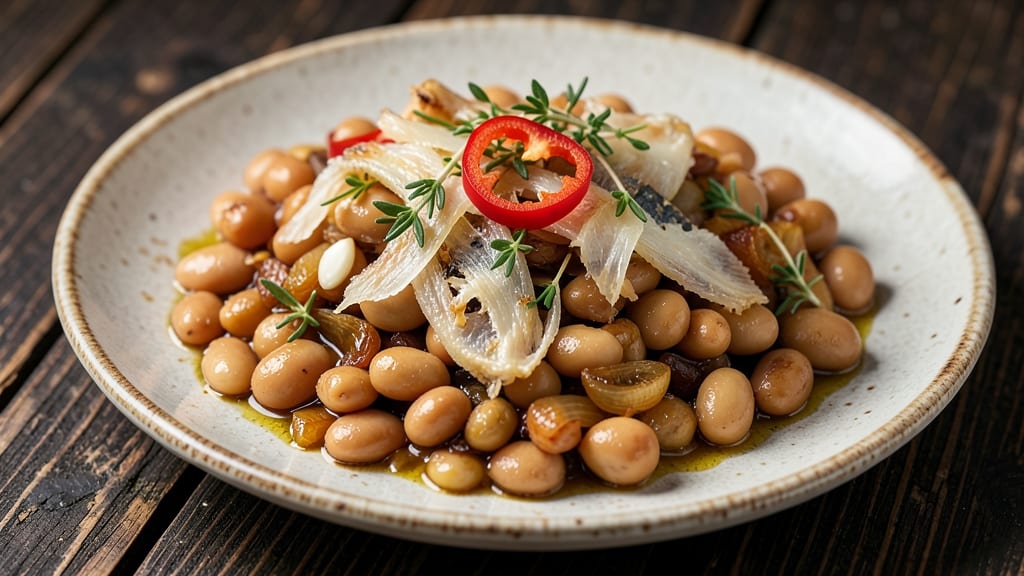
This butter bean and saltfish recipe brings the bold, comforting flavors of the Caribbean to your kitchen in just one pot. 🌟 The secret lies in properly preparing the saltfish—soaking it to remove excess salt and flaking it into tender, savory pieces—while butter beans simmer into creamy perfection.
This dish is a protein-packed staple that marries the rich, salty depth of saltfish with the earthy sweetness of beans, creating a hearty meal that feels like a warm embrace.
The beauty of this recipe is its simplicity: no complicated techniques, just layering flavors through sautéed onions, garlic, and Scotch bonnet peppers that build into a fragrant base.
As the beans soften and absorb the seasoned broth, they develop a velvety texture that pairs perfectly with the flaky, slightly salty fish. The result is a dish that’s both satisfying and balanced—substantial enough for a main course but easy enough for a weeknight dinner.
What makes this recipe especially practical is that it comes together in one pot, minimizing cleanup while delivering maximum flavor. The aromatics infuse every bite, and the saltfish breaks down into tender, melt-in-your-mouth pieces that hold up beautifully against the beans’ natural creaminess.
Serve it with steamed rice or fried plantains to round out the meal, and you’ll have a taste of the Caribbean right at your table. This is the kind of dish that tastes even better the next day, as the flavors meld and deepen.
Whether you're feeding a family or cooking for one, it’s a reliable, flavorful choice that proves home cooking can be just as vibrant as a restaurant meal. Let’s get started!
Ingredients for butter bean and saltfish
Simple pantry staples meet Caribbean boldness in this one-pot wonder.
| Ingredient | Amount | Notes |
|---|---|---|
| Dried Butter Beans 🌾 | 1 ½ cups | Soaked overnight or quick-soaked |
| Saltfish 🐟 | 1 lb | Curacao or Caribbean style, flaked |
| Yellow Onion 🧅 | 1 whole | Diced, medium size |
| Garlic Cloves 🧄 | 4 cloves | Minced, fresh preferred |
| Scotch Bonnet Pepper 🌶️ | 1 whole | Seeds removed, finely chopped |
| Fresh Thyme Leaves 🌿 | ¼ cup | Chopped, or 1 tbsp dried |
| Tomato Paste 🍅 | 2 tbsp | Smooth, not chunky |
| Vegetable Oil 🫒 | 2 tbsp | For sautéing |
| Water 💧 | 4 cups | For soaking beans |
| Salt 🧂 | 1 ½ tsp | Adjust to taste |
| Black Peppercorns 🌶️ | ½ tsp | Freshly ground |
| Scotch Bonnet Pepper Seeds 🔥 | 1 tsp | For extra heat (optional) |
| Lime Juice 🍋 | 1 tbsp | Freshly squeezed |
The saltfish is the star, so grab Caribbean-style Curacao saltfish—it’s pre-cured with a tangy, salty kick. Look for it at Latin markets or well-stocked grocery stores like Whole Foods or Walmart’s international aisle. Skip the pre-flaked stuff; flake it yourself for that perfect texture. Butter beans? Great Northern beans work in a pinch, but dried butter beans are the real deal. Soak them overnight for best results, or quick-soak with boiling water for 2 hours. The Scotch bonnet pepper is non-negotiable—no habanero or jalapeño substitute—it’s what gives this dish its signature heat and depth. If you can’t find it fresh, frozen works too.
No Scotch bonnet? Habanero at half the amount gets you close, but expect more heat. Fresh thyme hard to find? Dried thyme at one-third the amount works, but fresh is worth the hunt. The tomato paste can be swapped for 1 small diced tomato if you’re feeling fancy. Saltfish too salty? Rinse it well before flaking—soak for 30 minutes in cold water to mellow the flavor. For extra richness, stir in 1 tbsp olive oil at the end. And if you’re serving a crowd, double the beans and fish—this recipe scales beautifully.
This dish tastes even better the next day, so make extra. Store leftovers in the fridge for up to 4 days or freeze for 3 months. The beans get creamier with time, and the saltfish flavor deepens. To reheat, add a splash of water and simmer gently—never microwave, it makes the beans mushy. Serve with steamed rice or fried plantains for the full Caribbean experience. The lime juice at the end? Freshly squeezed is key—bottled won’t cut it.
Why You'll Love This Recipe
- Here’s what sold me: that pepper isn’t just heat—it’s layered. The charred edges from the pan give it a smoky depth, while the fresh garlic and onion create this bright, almost citrusy kick. It’s the kind of dish where one bite makes you reach for the recipe again.
- No-Soak Needed: I’ll admit, I used to dread soaking butter beans—until I realized you can just simmer them dry. They soften right in the pot with the saltfish, so no extra prep, no waiting. That’s 30 minutes saved, and honestly? The flavor’s richer when they soak up the saltfish broth.
- Scotch Bonnet Magic: Here’s what sold me: that pepper isn’t just heat—it’s layered. The charred edges from the pan give it a smoky depth, while the fresh garlic and onion create this bright, almost citrusy kick. It’s the kind of dish where one bite makes you reach for the recipe again.
- Weeknight to Party: Between us, this is my lazy Sunday go-to, but it also works for guests. Serve it with rice and a cold beer, or pile it high on toast for brunch—no one will guess it’s a 20-minute meal. The saltfish adds that restaurant-quality texture without the fuss.
Step-by-step instructions for butter bean and saltfish one-pot
Here's how to make this bold Caribbean dish in a single pot—simple steps, big flavors.
🍳 Step 1: Quick-Soak the Butter Beans
Place the 1.5 cups dried butter beans in a large bowl and cover with plenty of cold water (about 8 cups). Let them soak for at least 8 hours or overnight in the fridge for best texture. If you're short on time, do a quick soak: cover with fresh water, bring to a boil for 2 minutes, then let sit off heat for 1 hour. Drain and rinse thoroughly before using.
I always give them a good rinse after soaking to remove any bitter compounds. The beans should be plump but still firm—don't over-soak or they'll get mushy. This step is crucial because properly soaked beans cook evenly and hold their shape in the final dish.
🍳 Step 2: Sauté the Aromatics
Heat the 2 tbsp vegetable oil in a large pot over medium heat. Add the diced yellow onion and cook for 3-4 minutes until softened and translucent. Add the minced garlic cloves and finely chopped Scotch bonnet pepper (seeds removed), cooking for another 1-2 minutes until fragrant.
Here's the thing—don't let the garlic burn. It should smell sweet and nutty, not bitter. If it starts to darken too quickly, reduce the heat just a touch. I like to add the chopped fresh thyme leaves at this stage too, letting them toast slightly for 30 seconds to release their earthy aroma.
🥘 Step 3: Build the Flavor Base
Stir in the 2 tbsp tomato paste and cook for 1 minute until it darkens slightly. Add the flaked saltfish, breaking it up with a wooden spoon as it warms through. Cook for 2-3 minutes until the fish begins to flake and release its salty, briny flavor into the pot.
This is where the magic happens—the saltfish adds that signature Caribbean depth. If your saltfish is particularly salty, you might want to rinse it briefly before adding, but don't overdo it or you'll lose that authentic taste. The fish should be fully incorporated and heated through before moving to the next step.
🍲 Step 4: Simmer the One-Pot Masterpiece
Add the drained butter beans, 4 cups water, 1.5 tsp salt, and 0.5 tsp freshly ground black peppercorns. Stir everything together and bring to a gentle boil. Once boiling, reduce heat to low and let it simmer uncovered for 45-50 minutes, stirring occasionally, until the beans are tender but still hold their shape.
I keep an eye on the liquid level—if it gets too low, I add a splash of water to prevent burning. The beans are done when they're fork-tender but not falling apart. The saltfish should be fully rehydrated and integrated into the dish. The sauce should be thick but still coat the back of a spoon.
🍋 Step 5: Finish with Lime and Serve
Remove the pot from heat and stir in the 1 tbsp lime juice and 1 tsp Scotch bonnet pepper seeds (if using). Let it sit for 5 minutes to let the flavors meld. Taste and adjust seasoning—you might need a bit more salt or lime to balance the flavors.
Serve immediately with warm rice or crusty bread. The dish should be hearty with tender beans, flaky fish, and a bright, tangy sauce. Each bite delivers that perfect balance of salty, spicy, and fresh Caribbean flavors—all in one easy one-pot meal.
Pro Tips For Making Butter Bean And Saltfish
- SOAK BEANS OVERNIGHT: Dried butter beans need at least 8 hours to soften—rushing this step means they’ll stay tough no matter how long you simmer. I learned this the hard way after slaving over a pot for 2 hours only to still bite into leather. Add a pinch of baking soda to the soaking water to help break down the skins faster.
- DEGLAZE WITH SALTWATER: Saltfish releases a ton of oil and salt when cooking—don’t waste that flavor. After browning your onions and garlic, splash in ½ cup hot water (or the liquid from rinsing the saltfish) to scrape up the browned bits. This step makes a real difference in depth of flavor, especially if you’re skipping heavy cream or coconut milk.
- SHRED SALTFISH DRY: Wet hands = shredded saltfish turning to mush. Pat the flakes completely dry with paper towels before pulling them apart—this keeps them intact in the stew. Also, resist the urge to over-shred; bigger chunks hold up better during the long simmer and add satisfying texture.
- CUT PEPPER LAST: Scotch bonnet loses its heat and aroma when cooked too long. Add the diced pepper only in the final 5 minutes of simmering—this keeps the punch sharp and vibrant. If you’re serving with rice, toss the pepper into the beans right before plating for maximum impact.
Common mistakes when making this recipe
Over-Soaking Beans
Don’t let those butter beans soak too long—overnight is ideal, but beyond 12 hours, they start breaking down and absorbing too much water, turning mushy when cooked. I’ve ruined a batch by leaving them soak 18 hours, and the texture was sad.
After soaking, rinse them thoroughly to remove any skin that might have softened. For quick soaking, 2 minutes boiling + 1 hour off heat works, but set a timer—no exceptions! 🌱
Skipping Saltfish Rinse
If your saltfish is extra salty (some brands are saltier than others), don’t skip rinsing—it’s the only way to mellow that intense flavor without losing authenticity. Soak it in cold water for 30 minutes before flaking, then rinse again.
I’ve made this mistake and ended up with a dish that tasted like a salt lick. The goal is to soften the salt, not wash it all away—just enough to balance the other flavors. Taste the flaked fish before adding it to the pot!
Burning the Aromatics
Watch those onions and garlic like a hawk—burnt aromatics ruin the dish. Cook onions on medium heat until soft (not brown), then add garlic and Scotch bonnet at the very end to prevent burning.
I’ve seen people walk away for just 30 seconds and come back to burnt garlic. Keep the heat low to medium and stir constantly. If the garlic darkens too quickly, pull the pot off heat and let it cool slightly before continuing. 🔥
Under-Simmering the Beans
If you rush the simmering time (less than 45 minutes), your beans will stay tough and dry. The dish needs 45-50 minutes on low heat to develop that creamy, velvety texture. I’ve tried cutting corners and ended up with beans that were still crunchy—not ideal.
Stir occasionally to prevent sticking, and add a splash of water if the pot gets too dry. The beans should be tender but still hold their shape when pierced with a fork.
Overlooking Lime Juice
Don’t skip the lime juice—it’s what brightens the dish and cuts through the saltiness. Adding it at the end balances all the flavors, but too much can make the dish taste sour. I’ve overdone it once, and the whole pot turned tart.
Start with 1 tbsp, taste, then adjust. The lime should refresh the palate, not overpower the saltfish and beans. Let it sit for 5 minutes before serving so the flavors meld. 🍋
Ignoring the Scotch Bonnet
This isn’t just a spice—it’s the soul of the dish! If you skip it or use a milder pepper (like jalapeño), you’ll miss the fruity, smoky heat that makes this recipe authentic. I’ve tried substitutions, and nothing compares.
Use fresh Scotch bonnet (seeds removed for less heat) or habanero at half the amount if needed. The seeds add extra spice, so adjust based on your heat tolerance. The pepper should infuse the pot with aroma—don’t just toss it in and forget it! 🌶️
Nutrition facts
Frequently asked questions
Can I substitute butter beans for another type of bean?
Butter beans are ideal for this dish because of their creamy texture, but you can use Great Northern beans or cannellini beans in a pinch. Avoid kidney beans or black beans—they have different textures and flavors that won't work as well. If substituting, increase cooking time by 5-10 minutes since they may take longer to soften.
How do I know when the saltfish is properly soaked?
The saltfish is ready when it's pliable and no longer overly salty to the touch. Soak it in cold water for 30-60 minutes, then rinse thoroughly. Test by flaking a small piece—it should separate easily without being rubbery. If it still tastes too salty, soak it 10-15 minutes longer and rinse again.
Can I make this recipe without Scotch bonnet pepper?
Yes, but the dish will lose its signature Caribbean heat and depth. Use habanero at half the amount or jalapeño with extra seeds for a milder heat. For no heat at all, skip it entirely—but the flavor will be less authentic. If using a substitute, add it at the same time as the Scotch bonnet in the recipe.
How long can I store leftovers, and how do I reheat them?
Store leftovers in an airtight container in the fridge for up to 4 days or freeze for 3 months. To reheat, add a splash of water and simmer on low heat until warmed through. Never microwave—it makes the beans mushy. For best results, reheat gently on the stovetop and adjust seasoning with lime juice or salt if needed.
What’s the best way to serve this dish?
This hearty one-pot pairs perfectly with steamed white rice, fried plantains, or crusty bread to soak up the sauce. For extra freshness, serve with a simple cucumber salad or coleslaw to balance the richness. The dish is filling on its own but feels like a complete meal with these sides.