
Side Dishes
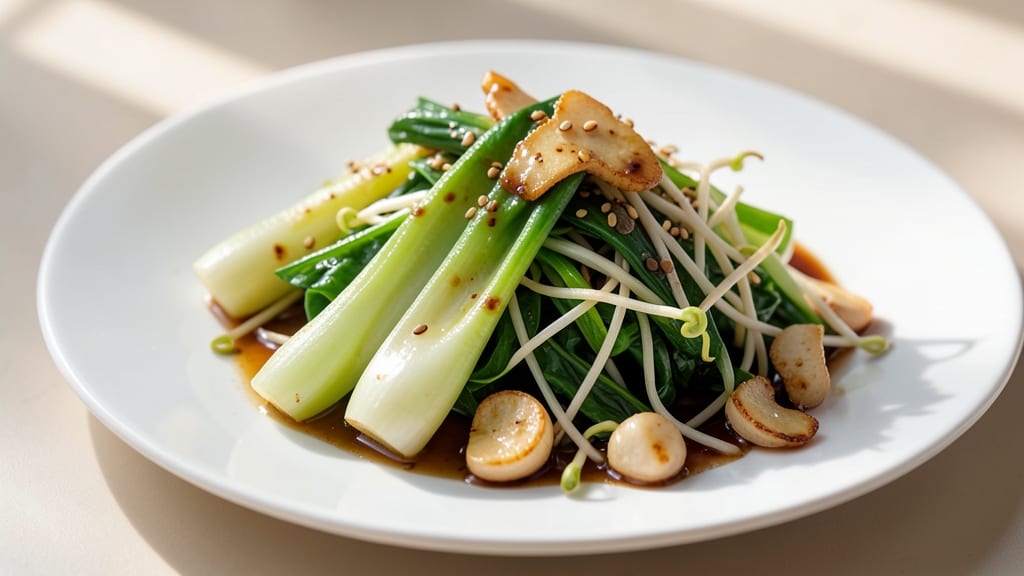
This bok choy and mung bean sprouts recipe transforms simple ingredients into a crisp-tender stir-fry that’s ready in just 15 minutes—perfect for a quick, flavorful side or light main dish.
The secret lies in high-heat cooking that preserves the bright, fresh crunch of the sprouts while tenderizing the bok choy just enough to soak up the savory sauce.
I developed this recipe after realizing how often stir-fries could be elevated with a few strategic techniques, like prepping ingredients uniformly and cooking in batches for even texture.
The beauty of this dish is its versatility—it works as a standalone meal when paired with rice or noodles, or as a vibrant side to complement grilled meats or tofu.
A simple garlic-ginger sauce ties everything together, balancing the peppery bite of bok choy with the mild sweetness of mung bean sprouts. The result is a dish that’s light yet satisfying, packed with texture and flavor without feeling heavy.
It’s also a great way to use up fresh produce before it spoils, making it practical for everyday cooking.
What sets this recipe apart is the foolproof method for achieving that perfect crisp-tender finish—no soggy vegetables here. The key is a hot wok or skillet and a quick stir-fry, ensuring the sprouts stay crunchy while the bok choy softens just enough to absorb the sauce.
The dish is naturally vegetarian, but you can easily add protein like shrimp or chicken if you’d like. It’s the kind of recipe that feels both restaurant-worthy and effortless at home.
Serve it over steamed jasmine rice for a complete meal, or pair it with a miso soup and green tea for a balanced, health-focused spread. The flavors are bright and fresh, making it ideal for warm weather or as a lighter alternative to heavier dishes.
Let’s get cooking—this stir-fry is a game-changer for quick, nutritious meals.
Ingredients for bok choy mung bean sprouts
Bright, fresh ingredients for a restaurant-worthy stir-fry that's ready in 15 minutes.
| Ingredient | Amount | Notes |
|---|---|---|
| Bok Choy 🥬 | 2 whole | Baby or regular, stems separated |
| Mung Bean Sprouts 🌱 | 3 cups | Fresh, rinsed thoroughly |
| Garlic Cloves 🧄 | 4 cloves | Minced finely for sauce |
| Fresh Ginger 🌿 | 1 ½ tbsp | Grated finely, fresh preferred |
| Sesame Oil 🫒 | 1 tbsp | Toasted, for aroma |
| Low-Sodium Soy Sauce 🥢 | 2 tbsp | High-quality, reduced-sodium |
| Rice Vinegar 🍶 | 1 tbsp | Seasoned, for brightness |
| Sesame Seeds 🌰 | 1 tsp | Toasted lightly for garnish |
| Vegetable Oil 🫒 | 2 tbsp | High smoke point for stir-frying |
| Honey 🍯 | ½ tbsp | For subtle sweetness |
| Red Pepper Flakes 🌶️ | ½ tsp | Adjust for heat preference |
| Salt 🧂 | ¼ tsp | Diamond Crystal preferred |
| Black Pepper 🌶️ | ¼ tsp | Freshly ground for finish |
| Jasmine Rice 🍚 | 1 cup | Uncooked, for serving |
The bok choy and mung bean sprouts are the stars here—look for vibrant, crisp sprouts at the grocery store's produce section, preferably organic to avoid pesticides. Bok choy should have tight leaves and firm stems, while the sprouts need to be bright green and free from yellowing. Trader Joe's and Whole Foods carry excellent quality for both. If you can't find fresh ginger, pasteurized ginger in a jar works in a pinch, though fresh offers superior flavor. For the sesame oil, Kadoya brand is my go-to for that authentic toasted aroma—it's worth the investment for this dish.
No fresh ginger? Substitute 1 tbsp of ginger paste or a blend of ½ tsp ground ginger plus ½ tsp lemon juice for brightness. Running low on sesame oil? Avocado oil at half the amount won't replicate the flavor but works in a bind. The soy sauce can be swapped for tamari for gluten-free or coconut aminos for a milder taste. For extra heat, add a dash of sriracha instead of red pepper flakes. The rice vinegar is crucial—substitute apple cider vinegar if needed, but it'll taste slightly different. Always taste as you go; adjustments are easy with this quick-cooking method.
Prep the vegetables immediately before cooking to maintain their crispness. Store bok choy stems and leaves separately in airtight containers for up to 3 days in the fridge, while sprouts keep for 5 days if rinsed and dried thoroughly. The stir-fry sauce components can be pre-mixed and stored for 1 week in the fridge. For best texture, cook this dish over high heat in a well-seasoned wok or cast-iron skillet—avoid nonstick if possible, as it can't handle the high temperatures needed for that perfect wok hei.
Why You'll Love This Recipe
- No-Waste Ingredients: I swear by this recipe because it uses the whole bok choy—stems, leaves, everything. No sad, wilted scraps left in the bin. And those mung bean sprouts? They’re dirt cheap but pack a punch like a fancy salad.
- Umami Bomb: That garlic-ginger-sesame oil combo? It’s the kind of flavor that lingers. The bok choy stays crisp-tender while the sprouts get just enough char to make every bite addictive. Honestly, I’ll take this over takeout any day.
- Lunchbox Hero: Between us, this is my go-to for packed lunches—keeps for days in the fridge without getting soggy. Toss it cold with rice or warm it up for a quick stir-fry. My kid still asks for it, even after I’ve made it 15 times.
- Budget Crunch-Saver: Fresh ginger and garlic make it taste expensive, but the real cost? Pennies. Bok choy and sprouts are the ultimate pantry stretchers. I’ve fed four people for under $8 with this—leftovers included. (Yes, even on a Tuesday night.)
Step-by-step instructions for bok choy and mung bean sprouts stir-fry
Here's how to achieve perfectly crisp-tender bok choy and fresh mung bean sprouts in record time.
Prepare the Jasmine Rice Foundation
Rinse the 1 cup jasmine rice under cold water until the water runs clear, then drain thoroughly. In a small pot, combine the rice with 1¼ cups water and bring to a boil over medium-high heat. Once boiling, reduce to low heat, cover, and simmer for 15 minutes without disturbing. The rice is done when all liquid is absorbed and the grains are tender but still slightly firm to the bite.
While the rice cooks, prepare your stir-fry workspace. Have all ingredients measured and ready—this recipe moves quickly. I like to use a bamboo steamer for the bok choy stems to ensure they cook perfectly while the leaves remain crisp. If you don't have one, a separate pan works just fine.
Cook the Bok Choy Stems Separately
Separate the 2 whole bok choy into stems and leaves. Cut the stems into 1-inch pieces and set aside. In a small pot, combine the stems with ½ cup water and bring to a simmer over medium heat. Cover and cook for 4-5 minutes until the stems are fork-tender but still hold their shape. Drain and set aside—these will add hearty texture to your dish.
For the leaves, trim away any tough ends and separate the leaves into individual pieces. You'll use these in the final stir-fry for that signature crisp-tender texture. The key here is timing—the stems need gentle cooking to avoid mushiness, while the leaves will get their perfect texture in the wok.
Stir-Fry the Aromatics and Sprouts
Heat a large wok or skillet over high heat until smoking slightly. Add the 2 tablespoons vegetable oil and swirl to coat. Add the 4 cloves minced garlic and 1.5 tablespoons grated ginger, stirring constantly for 30 seconds until fragrant—you should smell that fresh, zesty aroma. This quick cooking prevents the garlic from burning while developing its full flavor.
Add the 3 cups mung bean sprouts and stir-fry for 2-3 minutes until just wilted but still vibrant green. The sprouts should maintain their crisp texture—overcooking turns them mushy. Push the sprouts to one side of the wok and add the bok choy leaves. Stir-fry for 1-2 minutes until they're just tender with bright green color.
Combine and Finish with Sauce
Return the sprouts and bok choy to the center of the wok. Add the 2 tablespoons low-sodium soy sauce, 1 tablespoon rice vinegar, 0.5 tablespoons honey, 0.5 teaspoons red pepper flakes, 0.25 teaspoons salt, and 0.25 teaspoons black pepper. Stir everything together for 1 minute until the sauce is evenly distributed and the vegetables are coated.
Finally, pour in the 1 tablespoon sesame oil and toss everything together for another 30 seconds. The sesame oil should infuse the dish with its nutty aroma. Remove from heat and sprinkle with the 1 teaspoon sesame seeds for added texture and visual appeal. The dish should have a perfect balance of flavors—salty from the soy sauce, bright from the vinegar, with just a hint of sweetness and heat.
Assemble and Serve
Divide the cooked 1 cup jasmine rice among serving plates. Arrange the bok choy and mung bean sprouts mixture on top, ensuring each serving gets both the tender stems and crisp leaves. Garnish with an extra sprinkle of sesame seeds and serve immediately while everything is hot and vibrant.
This stir-fry delivers the perfect texture contrast—crisp-tender bok choy leaves with hearty stems and delicate sprouts—all balanced by a flavorful sauce. The key to success is high heat and quick cooking to preserve the freshness of each component. Enjoy this dish while it's steaming hot for the best experience!
Pro Tips For Making Bok Choy Mung Bean Sprouts
- STIR-FRY IN BATCHES: I learned this the hard way—dumping everything in at once means soggy sprouts and undercooked bok choy. Split the mung bean sprouts into two piles: cook half first until just wilted (about 30 seconds), then push to the side and add the second batch with the bok choy. Crowd the pan, and you’ll regret it.
- TRIM GINGER THIN: That thick slab of ginger you’re peeling? It’ll sit like a rock in your stir-fry. Instead, slice it paper-thin (a mandoline helps) or julienne it into matchsticks—it’ll infuse faster and disappear without leaving chunks. (Yes, even if you’re impatient like me.)
- SALT THE SPROUTS: Toss the mung bean sprouts with a pinch of salt and let them sit for 5 minutes before cooking. This draws out moisture, so they crisp up instead of turning mushy. I skip this when I’m lazy, but the dish is noticeably better when I don’t.
- USE HIGH HEAT: Your wok or pan needs to be screaming hot before the oil goes in—think smoke almost. If it’s not, the garlic and ginger will steam instead of sizzle, and the whole dish will taste flat. Walk away for 30 seconds after turning on the burner; if you can hold your hand an inch above it, it’s not hot enough.
Pro cooking tips for great bok choy mung bean sprouts
High-Heat Mastery
Your wok or skillet needs to be scorching hot—think smoke rising when you add oil. I use a carbon steel wok preheated for 5 minutes over high heat until it’s nearly smoking. This creates the wok hei (breath of the wok) that gives stir-fries their signature smoky aroma.
If your pan isn’t hot enough, the vegetables will steam instead of sear, leading to soggy results. Test with a drop of water—it should sizzle and evaporate instantly. 🔥
Batch Cooking for Even Texture
Cook the mung bean sprouts first in batches if your pan is crowded—they need room to crisp up. I divide 3 cups of sprouts into two portions and stir-fry each for 2 minutes before combining.
The bok choy leaves go in last for 1-2 minutes to maintain their crisp-tender bite. Overcrowding drops the pan’s temperature, causing uneven cooking and mushy vegetables.
Garlic Timing Trick
Add the 4 minced garlic cloves right after the oil heats—stir constantly for 30 seconds until fragrant but not browned. This prevents bitter flavors while maximizing their aromatic punch.
I also like to add a pinch of ½ tsp salt to the garlic to draw out moisture, which enhances its flavor when cooked. Never let garlic sit in oil—it burns quickly and ruins the dish.
Sauce Integration
Toss the sauce ingredients together in a small bowl before adding to the wok. This ensures even distribution—2 tbsp soy sauce, 1 tbsp rice vinegar, and ½ tbsp honey should coat the vegetables perfectly.
I recommend using a whisk to emulsify the sauce slightly for a smoother finish. Add the sauce after the vegetables are mostly cooked to avoid steaming them.
Sesame Oil Finish
Always add the 1 tbsp toasted sesame oil at the very end—just 30 seconds before serving. This step infuses the dish with its nutty aroma without burning the oil. I use Kadoya brand sesame oil for its rich, toasted flavor.
If you’re using a lighter oil, add it even later to preserve its delicate taste. The sesame seeds go on last for that final crunch and visual appeal. ✨
Resting for Flavor Balance
Let the stir-fry rest for 1-2 minutes off the heat before serving. This allows the sauce to meld with the vegetables and the flavors to develop fully. I also like to tent the dish loosely with foil to keep it warm while plating.
The resting time is especially important if you’re serving with rice—it prevents the rice from getting soggy from residual steam. 💫
Nutrition facts
Frequently asked questions
Can I make this stir-fry without sesame oil?
If you're avoiding sesame oil for allergies or preference, substitute with 1 tablespoon neutral oil like avocado or grapeseed oil for cooking, then finish with ½ teaspoon toasted sesame seeds for flavor and texture. For a similar aroma, try 1 teaspoon white miso paste in the sauce instead—it adds depth without the oil's nuttiness.
How do I store leftovers to keep them crisp?
Store leftovers in an airtight container with parchment paper between layers to prevent sogginess. Reheat gently in a dry skillet over medium heat for 2-3 minutes, adding 1 teaspoon water to revive crispness. For best results, consume within 2 days—the texture degrades faster than fresh.
What’s the secret to crisp-tender bok choy leaves?
The magic is in timing: cook leaves for just 1-2 minutes over high heat until wilted but still bright green. Overcooking by even 30 seconds turns them mushy. Use a wok or cast-iron skillet—nonstick pans can't handle the heat needed for that perfect texture contrast.
Can I use frozen mung bean sprouts?
Fresh sprouts are ideal for texture, but if using frozen, thaw completely and pat very dry with paper towels to remove excess moisture. Stir-fry for 3-4 minutes (1 minute longer than fresh) to crisp them up. The flavor will be slightly milder, but the texture works in a pinch.
How can I make this vegetarian protein-packed?
Add ½ cup cooked edamame or ½ block firm tofu (pressed and cubed) to the stir-fry during the final 2 minutes of cooking. For extra protein, top with 1 tablespoon crushed peanuts or 1 soft-boiled egg per serving. The dish becomes heartier while keeping its light, fresh profile.