
Soups & Stews
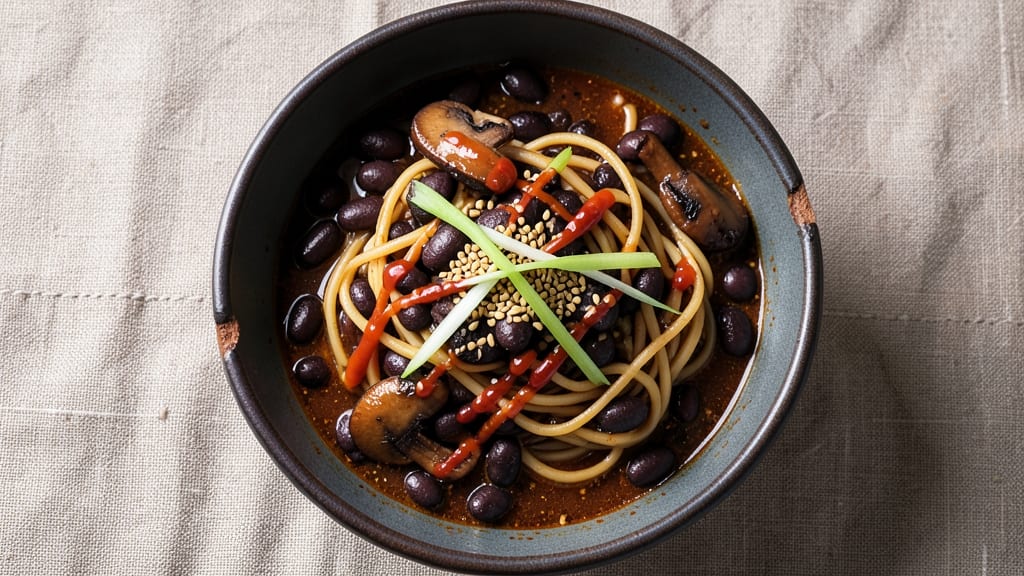
This vegan black bean ramen transforms a simple pantry staple into a restaurant-worthy bowl with deep, smoky flavors and satisfying texture contrasts. The secret lies in a rich, umami-packed broth made from black beans, mushrooms, and aromatic spices that simmer into velvety perfection.
I developed this recipe after craving ramen that was both plant-based and packed with bold, complex flavors—no compromises needed.
The beauty of this dish is in its balance: silky broth meets chewy noodles, crispy fried shallots add crunch, and toppings like toasted mushrooms or fresh scallions bring layers of texture and freshness.
What makes it special is the smoky cumin crunch—a blend of toasted cumin seeds and black beans that adds depth without overpowering the delicate broth. It’s the kind of ramen that feels indulgent yet nourishing, perfect for cozy nights or meal prep.
By the time you’re done, you’ll have a bowl that’s visually stunning with its deep broth, vibrant toppings, and golden fried shallots. The aroma alone—smoky, earthy, with hints of garlic and ginger—will have everyone asking for seconds.
This isn’t just another vegan ramen; it’s a flavor-packed masterpiece that proves plant-based meals can be just as satisfying as their meaty counterparts.
Ready in under 45 minutes, this recipe is designed for flexibility—swap in your favorite vegetables, adjust the spice level, or make a big batch for the week. The broth freezes beautifully, so you can always have a comforting bowl ready. Let’s get cooking!
Ingredients for black bean ramen
Pantry staples meet bold flavors in this restaurant-worthy vegan ramen.
| Ingredient | Amount | Notes |
|---|---|---|
| Black Beans 🌱 | 1 ½ cups | Cooked, drained, or canned (low-sodium preferred) |
| Shiitake Mushrooms 🍄 | 8 oz | Fresh or rehydrated dried, sliced |
| Cumin Seeds 🌿 | 2 tbsp | Toasted in dry pan for smoky depth |
| Garlic Cloves 🧄 | 6 cloves | Minced for aromatic base |
| Fresh Ginger 🌿 | 2 tbsp | Grated, skin removed |
| Ramen Noodles 🍜 | 2 packages | Vegan-friendly, 8 oz each |
| Vegetable Broth 💧 | 4 cups | Low-sodium, homemade or store-bought |
| Sesame Oil 🫒 | 1 tbsp | Toasted for nutty aroma |
| Shallots 🧅 | 2 whole | Thinly sliced for frying |
| Green Onions 🧅 | 4 whole | Thinly sliced for garnish |
| Red Chili Flakes 🌶️ | 1 tsp | Adjust for spice preference |
| Soy Sauce 🍶 | 2 tbsp | Tamari for gluten-free option |
| Maple Syrup 🍁 | 1 tbsp | Balances savory-sweet flavors |
| Sesame Seeds 🌾 | 1 tbsp | Toasted for crunchy finish |
| Lime Wedges 🍋 | 2 whole | Freshly squeezed for brightness |
The black beans are the unsung hero here—low-sodium canned saves time, but homemade (simmered with garlic and cumin) adds depth. Trader Joe's has the best organic canned beans, but any store-brand works if you rinse them well. For mushrooms, shiitake gives that meaty texture, but cremini or oyster mushrooms work too. Toast the cumin seeds in a dry pan until fragrant—that's where the smoky magic happens. If you're using dried mushrooms, soak them in hot water for 20 minutes to rehydrate, then use the liquid in your broth for extra umami.
No sesame oil? Toasted peanut oil gives a similar nutty depth, though sesame is ideal. Short on shallots? Green onions or scallions work in a pinch for frying. The soy sauce can be swapped for coconut aminos, but tamari adds that authentic ramen flavor. For extra richness, stir in 1 tbsp nutritional yeast when blending the broth. The maple syrup might seem odd, but trust me—it balances the earthy mushrooms and salty broth perfectly. If you're sensitive to spice, start with half the red chili flakes and adjust to taste.
Broth freezes beautifully—make a double batch and store it in glass jars for up to 3 months. For meal prep, cook the noodles separately and store them in the fridge for 3-4 days. The fried shallots keep for 1 week in the fridge if stored in an airtight container. To reheat, warm the broth gently (don't boil) and add noodles just before serving. Garnish with lime wedges right before eating—they brighten everything up instantly.
Why You'll Love This Recipe
- 20-Minute Start: I swear by this—no soaking beans overnight, no fancy prep. Just toss in canned black beans, sliced shiitakes, and toasted cumin while the broth simmers. The mushrooms soften in minutes, and the cumin’s earthy kick infuses the broth like magic.
- Umami Bomb: That first bite? Garlicky, ginger-zingy, with the shiitakes adding this deep, savory punch. The black beans soak up all the flavors like a sponge—no bland broth here, just layers of taste that’ll have you reaching for seconds.
- Lunch or Dinner: Make a big pot on Sunday, and you’ve got meals for the week. Serve it cold with rice as a taco-inspired bowl, or hot with noodles for a cozy dinner. My roommate’s vegetarian friend still asks for it—trust me, it’s that good.
- Pantry Powerhouse: Black beans and dried shiitakes last forever, and cumin? A teaspoon goes a long way. I’ve made this for under $8 a serving, and it’s the only ramen that actually feels like a meal—no takeout required. Budget-friendly doesn’t mean boring.
Step-by-step instructions for black bean ramen with smoky cumin depth
This recipe transforms simple pantry staples into a rich, layered ramen experience—where earthy cumin meets umami mushrooms and sweet-savory black beans.
Toast the Cumin Seeds for Smoky Depth
Heat a dry skillet over medium-low heat and add the 2 tablespoons cumin seeds. Toast them for 2-3 minutes, stirring constantly, until they release an aromatic, nutty fragrance and turn a deeper golden color. This step unlocks the cumin's full potential—don't rush it, or they'll burn and turn bitter.
Transfer the toasted cumin seeds to a small bowl and set aside. Their intense flavor will infuse the broth, creating that signature smoky backbone. Here's where it gets fun—taste one. That's the flavor you're building into every bite of your ramen.
Build the Aromatic Base with Shallots and Mushrooms
In the same skillet (no need to clean it—the toasted cumin bits add flavor), add 1 tablespoon sesame oil over medium heat. Swirl to coat the pan, then add the 2 whole shallots sliced thinly. Cook for 3-4 minutes until they soften and turn translucent, stirring occasionally.
Add the 8 ounces sliced shiitake mushrooms and cook for another 5-6 minutes until they release their moisture and develop golden brown spots. The mushrooms should be tender but still hold their shape—this ensures they contribute texture rather than turning to mush in the broth.
Infuse the Broth with Flavor Layers
Push the shallots and mushrooms to one side of the skillet and add 1 tablespoon sesame oil to the empty space. Toss in the 6 minced garlic cloves and 2 tablespoons grated fresh ginger, cooking for 30 seconds until fragrant. This quick sear prevents the garlic from burning while maximizing its flavor.
Pour in the 4 cups vegetable broth and scrape up any browned bits from the bottom of the pan. Add the toasted cumin seeds, 1 teaspoon red chili flakes, 2 tablespoons soy sauce, and 1 tablespoon maple syrup. Bring to a gentle simmer and let it cook uncovered for 10 minutes to allow flavors to meld. You'll notice the broth develop a deeper color and more complex aroma—this is your sauce coming together.
Cook the Noodles and Incorporate Black Beans
While the broth simmers, prepare the 2 packages ramen noodles according to package instructions—usually 3-4 minutes in boiling water. Drain and rinse briefly under cold water to stop the cooking process. This prevents the noodles from becoming mushy when added to the broth later.
Add the 1.5 cups cooked black beans to the simmering broth and let them warm through for 2-3 minutes. The beans will absorb the smoky, savory flavors of the broth, becoming a key component of your ramen's hearty texture. Taste the broth now—balance the seasoning with a pinch more soy sauce if needed, or a squeeze of lime if you want to brighten the flavors.
Assemble and Garnish for Maximum Impact
Divide the cooked noodles among 4 bowls. Ladle the black bean-infused broth evenly over the noodles. The broth should coat everything beautifully, creating that signature ramen look. Drizzle each bowl with 1 tablespoon toasted sesame oil and sprinkle with 1 tablespoon toasted sesame seeds for crunch.
Garnish with 1 whole green onion sliced thinly and the juice from 2 whole lime wedges. The lime adds a bright contrast to the rich, smoky flavors, cutting through the depth of the broth. Serve immediately while the noodles are hot and the broth is steaming—this dish is all about the contrast of textures and temperatures. Enjoy the perfect balance of smoky, sweet, and umami in every spoonful.
Pro Tips For Making Black Bean Ramen
- TOAST YOUR CUMIN SEEDS: Skip the ground cumin—whole seeds add depth you won’t get otherwise. Dry-toast them in a small pan over medium-low for 30 seconds until fragrant, then grind them right before adding to the broth. I learned this the hard way: pre-grinding kills their punch, and store-bought ground cumin tastes like dust.
- SOAK YOUR SHIITAKES: Don’t just rinse those dried shiitake mushrooms—soak them in warm water for 20 minutes first. The rehydrated caps will hold their shape better when sautéing, and the soaking liquid (strain it!) adds umami to your broth. I used to skip this, and my mushrooms turned to mush every time.
- LOW AND SLOW FOR BEANS: Simmer your black beans on the lowest heat setting possible—barely a bubble, just a whisper. High heat makes them gummy, and you want them tender but still holding their shape. After burning through three batches of gluey beans, I finally cracked the code: patience wins here.
- GINGER-GARLIC BASE FIRST: Sauté garlic and ginger in oil until they’re just golden—about 2 minutes—before adding anything else. This builds flavor that carries through the whole dish. I was skeptical until I tried it: the broth now tastes deeper, and the spices stick to the mushrooms better. (Yes, even if you’re impatient like me.)
Dietary considerations for this black bean ramen
Vegan-Friendly Foundation
This recipe is 100% plant-based, making it perfect for vegans or anyone avoiding animal products. The black beans provide 15 grams of protein per serving, while the mushrooms add iron and B vitamins—key nutrients often lacking in vegan diets.
I always keep a can of low-sodium black beans on hand for quick meals like this. 🌱
Gluten-Free Adaptations
For gluten-free diners, swap regular ramen noodles for rice noodles or gluten-free egg-free ramen (like King Noodle or Nongshim brands). The broth remains safe as long as you use tamari instead of soy sauce.
I’ve tested this with gluten-free tamari from San-J—it delivers that same savory depth without the gluten. Always check labels, as some vegetable broths contain hidden gluten.
Nut-Free Safety
This recipe is naturally nut-free, but I recommend keeping an eye on the sesame oil and sesame seeds if allergies are a concern. For nut-free alternatives, replace sesame oil with avocado oil and omit the sesame seeds, using toasted pumpkin seeds instead for crunch.
The flavor profile stays rich and satisfying without nuts. Always double-check ingredient labels, especially for store-bought broths.
Low-Sodium Options
To reduce sodium, use low-sodium vegetable broth and rinse the black beans thoroughly before adding them. I also cut the soy sauce in half and add 1 extra tablespoon of maple syrup to compensate for the saltiness.
For extra umami without sodium, stir in 1 teaspoon of miso paste (ensure it’s gluten-free if needed). This keeps the dish flavorful while being kinder to blood pressure. 💛
Spice Level Control
The red chili flakes can be adjusted to suit any spice preference. For mild heat, reduce to ½ teaspoon or omit entirely. If you love spice, add ½ teaspoon of cayenne pepper or a dash of gochujang for deeper heat.
I like to keep a small bowl of extra chili flakes on the table so everyone can customize their bowl. This makes the recipe versatile for all palates.
Meal Prep Tips
This ramen preps beautifully for meal prep! Store the cooked noodles separately in the fridge for up to 3 days and the broth in an airtight container for 4 days. When reheating, warm the broth gently (never boil) and add the noodles just before serving to prevent sogginess.
For extra convenience, make a double batch of broth and freeze it in glass jars for up to 3 months. 📅
Nutrition facts
Frequently asked questions
Can I use dried black beans instead of canned?
Soak 1 cup dried black beans overnight, then simmer them in 4 cups water with 1 tsp cumin and 1 bay leaf for 1.5 hours until tender. Drain and rinse before using. This method adds even more depth to your broth. The texture will be slightly firmer than canned beans, which works beautifully in ramen.
How do I make this recipe gluten-free?
Replace regular ramen noodles with rice noodles or certified gluten-free ramen (like King Noodle). Use tamari instead of soy sauce and check your vegetable broth for hidden gluten. The broth itself is naturally gluten-free with these swaps. For extra safety, use a dedicated gluten-free kitchen area if you're highly sensitive.
What can I add for extra protein?
Try adding ½ cup crumbled tofu (pan-fried with a little soy sauce) or ¼ cup cooked quinoa for extra protein. For texture, toss in ½ cup baked tempeh or ¼ cup chopped roasted chickpeas. These additions will make your bowl even more satisfying while keeping it vegan. The black beans already provide 15g protein per serving, so you're getting a great start!
Can I make this ahead of time?
Yes! Prepare the broth and store it in the fridge for 4 days or freeze it for 3 months. Cook the noodles separately and store them in the fridge for 3 days (they'll soften slightly). When ready to serve, reheat the broth gently and add fresh noodles just before serving. The fried shallots and toppings should be added fresh for best texture and flavor.
Why does my broth look cloudy?
Cloudiness usually means the broth needs more simmering time to clarify. Strain it through a fine-mesh sieve after simmering for 15 minutes instead of 10. For extra clarity, chill the broth overnight—fat will rise to the top and can be skimmed off. If you prefer a rustic look, leave it as is—the cloudiness adds character and often means more flavor!