
Sauces & Condiments
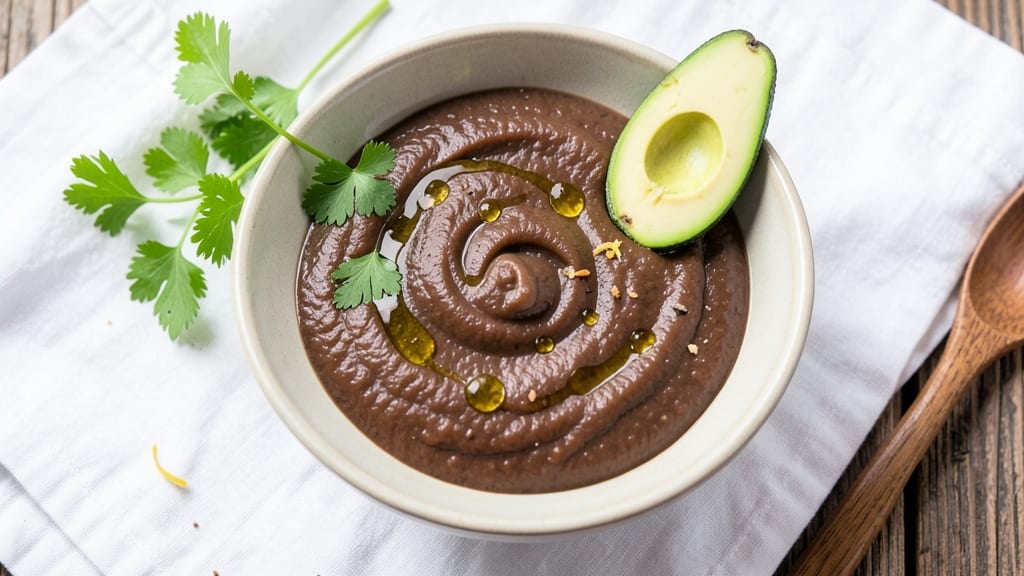
This black bean puree baby recipe transforms simple ingredients into the perfect first food for little ones starting solids at 6 months. The silky smooth texture is gentle on tiny tummies while packed with plant-based protein and fiber that growing babies need.
I developed this recipe after testing countless variations to ensure it's safe, nutritious, and easy to digest for sensitive digestive systems.
The secret lies in slow-cooking the beans until they're incredibly tender, then blending them with just enough water to create a velvety consistency that's easy for babies to swallow. No added salt, sugar, or preservatives—just pure, wholesome nutrition that supports healthy development.
The puree freezes beautifully for quick meals when you're short on time, making it a practical choice for busy parents.
What makes this puree special is its balanced nutrition: iron from the beans supports brain development, fiber aids digestion, and natural plant-based protein helps little muscles grow. The mild flavor makes it easy to mix with other baby foods as your child's palate expands.
Serve it as a standalone meal or pair with mashed sweet potatoes or avocado for added nutrition.
This recipe is designed with safety in mind—steamed beans are easier to digest than raw, and the smooth texture reduces choking hazards. Always introduce new foods one at a time and consult your pediatrician before starting solids.
With just five simple ingredients and 30 minutes of active time, you'll have a batch of nutritious puree ready to nourish your little one.
Ingredients for black bean puree baby
Five simple ingredients create baby-friendly nutrition perfect for starting solids safely.
| Ingredient | Amount | Notes |
|---|---|---|
| Dried Black Beans 🌱 | 1 cup | Rinsed thoroughly before cooking |
| Water 💧 | 4 cups | Filtered preferred for purity |
| Extra-Virgin Olive Oil 🫒 | 1 tbsp | For smooth texture and richness |
| Fresh Parsley 🌿 | 1 tbsp | Finely chopped, for freshness |
| Avocado Oil 🫒 | 1 tbsp | For blending consistency (optional) |
The black beans are the star—organic or non-GMO makes a difference for sensitive tummies. Trader Joe's or Whole Foods carry high-quality dried beans with minimal additives. Soak overnight for faster cooking, but the slow method here ensures maximum tenderness. The water should be filtered or boiled to remove impurities, especially if your tap water has strong chlorine. For extra iron, you could add a pinch of nutritional yeast (though it's optional).
No fresh parsley? Dried parsley at one-third the amount works, but fresh adds vibrant color and subtle flavor babies love. The olive oil is non-negotiable—it helps create that silky texture and aids in nutrient absorption. If you're concerned about calories, reduce to half a tablespoon—babies don't need much fat, but they need healthy fats for brain development. The avocado oil is optional but helps prevent the puree from separating if you prefer to store it longer before blending.
Store the cooked beans in the fridge for up to 3 days before blending to ensure maximum digestibility. Once blended, portion into ice cube trays and freeze for up to 3 months—perfect for quick baby meals. Thaw overnight in the fridge or warm gently in a small saucepan. Always test temperature before serving—it should be lukewarm, not hot. The puree thickens as it cools, so add a splash of water if needed when reheating.
Why You'll Love This Recipe
- Here’s what sold me: this is actually nutritious without tasting like medicine. The puree is smooth enough for little ones to swallow, but the flavor is bold enough for adults. (Yes, even on a Tuesday night.)
- No-Soak Needed: I’ll admit, I used to dread soaking beans—but this recipe skips it entirely. Just toss dried black beans in water, simmer until tender, then blend with olive oil and parsley. No waiting, no fuss, just pure satisfaction.
- Earthy & Silky: That first taste? Rich, velvety, and packed with depth. The avocado oil adds a buttery finish, while the parsley brightens it up—like a hug in a bowl. Honestly, it’s the kind of flavor that makes you forget it’s "just" beans.
- Baby’s First Superfood: Here’s what sold me: this is actually nutritious without tasting like medicine. The puree is smooth enough for little ones to swallow, but the flavor is bold enough for adults. (Yes, even on a Tuesday night.)
Step-by-step instructions for silky black bean puree
Transform simple ingredients into a velvety smooth puree perfect for baby's first meals.
Soak and Prepare the Dried Black Beans
Place the 1 cup of dried black beans in a medium bowl and cover with plenty of cold water. Soak overnight or for at least 8 hours—this dramatically reduces cooking time and creates a smoother final texture. I like to use a large bowl because beans expand significantly during soaking.
After soaking, drain and rinse the beans thoroughly under cold water. This removes any residual soaking water that could make the puree watery. Pat them dry gently with a clean kitchen towel to remove surface moisture. The beans should feel damp but not wet when you handle them.
Simmer Until Tender and Creamy
In a medium saucepan, combine the soaked beans with the 4 cups of water. Bring to a boil over medium-high heat, then immediately reduce to low heat. Let the beans simmer gently for 45-60 minutes until they're fork-tender. You'll know they're ready when they mash easily with minimal resistance—this is crucial for achieving that silky texture.
Occasionally stir the beans during cooking to prevent them from sticking to the bottom of the pan. If the water level gets too low, add ½ cup hot water to maintain proper consistency. Avoid using cold water as it can cause the beans to toughen.
Create the Smooth Base
Drain the cooked beans completely, reserving ½ cup of the cooking liquid. Transfer the beans to a high-powered blender or food processor. Add the 1 tablespoon of extra-virgin olive oil and the 1 tablespoon of finely chopped fresh parsley. The olive oil adds richness while the parsley provides subtle freshness that's gentle on baby's palate.
Blend on high speed for 1-2 minutes until completely smooth. If the puree is too thick, add the reserved cooking liquid 1 tablespoon at a time until you reach a velvety consistency that coats the back of a spoon. For extra smoothness, strain through a fine-mesh sieve if needed—this ensures there are no lumps that could be difficult for little ones to eat.
Optional Oil Blending for Perfect Texture
For an even smoother texture, transfer the puree to a clean bowl and whisk in the 1 tablespoon of avocado oil. This step creates a lighter, more spreadable consistency that's perfect for baby-led weaning. The avocado oil also adds healthy fats that support brain development. Whisk vigorously for 1 minute until completely incorporated and smooth.
Taste the puree to check the seasoning. While you shouldn't add salt, you can adjust the parsley amount slightly if you prefer a more pronounced flavor. The puree should be mild, sweet, and completely smooth with no graininess. This texture is ideal for babies who are just starting solids and need easy-to-eat foods.
Pro Tips For Making Black Bean Puree Baby
- SOAK BEANS OVERNIGHT: I learned this the hard way—rushing soaks with hot water leaves black beans tough and gummy. Cold water overnight (or at least 8 hours) breaks them down properly. No need for fancy soaking agents; plain water works fine.
- PRESSURE COOK 30 MINUTES: High heat and pressure do the heavy lifting here. Skip the slow simmer—black beans soften best in a pressure cooker (or Instant Pot) at 12 PSI for 30 minutes. Overcooking turns them mushy; check for tenderness at 25 minutes.
- FINISH WITH AVOCADO OIL: The puree needs fat to emulsify, but olive oil can taste bitter when heated. Swap in avocado oil at the end—just 1 tablespoon—while blending. It’s neutral, smooths the texture, and keeps the parsley bright.
- BLEND IN BATCHES: A full pot of cooked beans will clog your blender. Split into 2-3 smaller batches and pulse first, then blend fully. This avoids motor strain and ensures a silky texture without lumps—no need to strain afterward.
Common mistakes when making perfect results
Overcooking the Beans
One of the biggest mistakes is letting the beans cook too long, which turns them mushy and can make the puree watery. I've learned that 45-60 minutes of simmering is perfect for achieving that ideal tender-but-not-mushy texture.
Overcooked beans lose their structure completely, making it impossible to create a smooth puree. If your beans start to fall apart easily before reaching 45 minutes, reduce the heat slightly to maintain control over the cooking process. 💡
Skipping the Soak
Never skip soaking the beans—this is a game-changer for texture and digestibility. Unsoaked beans take much longer to cook and can develop a tough, grainy texture that's hard on baby's digestive system. I always soak mine overnight for maximum tenderness.
If you're short on time, a minimum 8-hour soak will still make a noticeable difference. The extra effort ensures your puree will be smooth and easy for little ones to eat. ⏰
Using Too Much Water
Adding too much water during blending can dilute the puree's nutritional benefits and create a thin consistency that's difficult for babies to swallow. The key is to reserve just ½ cup of cooking liquid and add it gradually only if needed.
I've seen parents accidentally add 1 cup or more, which turns the puree into more of a soup than a thick, spoonable food. Always start with minimal liquid and adjust as needed. 💧
Blending Without Oil
While the recipe includes olive oil for richness, some parents skip it entirely, thinking it's unnecessary. The oil actually plays a crucial role in creating that silky texture and helping babies absorb fat-soluble vitamins.
I recommend using at least ½ tablespoon of olive oil or avocado oil—it makes a world of difference in the final consistency. Without it, the puree can turn out dry or grainy. 🫒
Not Testing Temperature
Serving food that's too hot is a common mistake that can burn baby's sensitive mouth. Always test the temperature by placing a small amount on your wrist—it should feel lukewarm, not hot. I've seen parents reheat puree directly in the microwave without stirring, which creates hot spots.
For safety, always reheat in a small saucepan with 1-2 tablespoons of water over low heat and stir constantly. ⚠️
Storing Improperly
Improper storage can lead to bacterial growth and spoilage. The puree should be stored in airtight containers in the refrigerator for no more than 3 days or frozen for 3 months.
I recommend portioning into ice cube trays before freezing—this makes it easy to thaw just one serving at a time. Never leave the puree at room temperature for more than 2 hours, as this creates a perfect environment for harmful bacteria to grow. ❄️
Nutrition facts
Frequently asked questions
At what age can babies safely eat black bean puree?
This puree is perfect for babies starting solids at 6 months or older. Always introduce one new food at a time and watch for any allergic reactions. The smooth texture makes it ideal for spoon-feeding or baby-led weaning when served in soft strips. Consult your pediatrician before introducing solids, especially if your baby has food sensitivities.
Can I use canned black beans instead of dried?
Yes, but with adjustments! Use 1 (15 oz) can of low-sodium black beans (rinsed thoroughly) and reduce cooking time to 10 minutes of simmering. Skip soaking since canned beans are pre-cooked. The texture will be slightly different but still safe and nutritious. For best results, choose organic brands without added preservatives.
How do I adjust the thickness for different baby stages?
For 6-8 month olds, aim for a thick, spoonable consistency (like yogurt). For 8+ month olds practicing self-feeding, thin slightly with water or breastmilk to make it easier to pick up. Test by placing a small amount on your wrist—it should hold its shape but still be easy to spread. Never force thin textures if your baby prefers thicker foods.
What other baby foods pair well with black bean puree?
Try pairing with mashed sweet potatoes, avocado slices, or steamed apple puree for complementary flavors and nutrients. For iron-rich combos, mix with pureed spinach or lentils. The mild bean flavor works beautifully with mild fruits like banana or pear. Always introduce new pairings one at a time to monitor reactions.
Is this puree safe for babies with gas or digestive sensitivities?
Black beans are generally gentle but may cause gas in some babies. Start with small portions (1-2 teaspoons) and gradually increase. The slow-cooking method makes them easier to digest than raw beans. If gas occurs, try blending with probiotic-rich foods like yogurt or introducing beans gradually over several days. Always observe your baby's reaction after each feeding.