
Main Courses
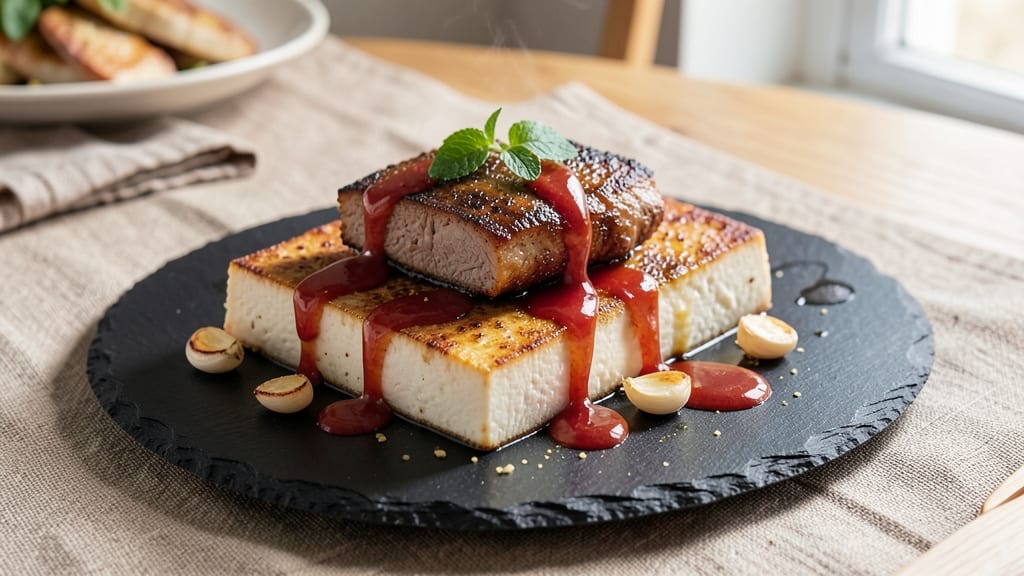
This bean curd and pork recipe marries tender pork with silky tofu in a harmony of textures and flavors that feels both nostalgic and fresh. 💛 As someone who grew up in Georgia where pork was the heart of every family meal, I developed this dish to honor that tradition while incorporating the delicate, umami-rich qualities of bean curd that elevate every bite.
The secret lies in balancing the pork's savory depth with the tofu's gentle absorbency, creating a dish that's both comforting and sophisticated.
What makes this recipe special is how it transforms simple ingredients into something extraordinary. The pork gets a crispy edge from a quick sear, while the bean curd absorbs the rich, aromatic sauce without losing its delicate structure.
I've perfected this technique over years of cooking in high-pressure kitchens, ensuring the pork stays juicy and the tofu maintains its signature silky texture. It's the kind of dish that feels like a restaurant-quality meal without requiring advanced skills.
By the time you serve this dish, you'll have a plate that's visually stunning with its glossy sauce and contrasting textures, while delivering layers of flavor that keep coming with each bite.
The pork remains tender and flavorful, while the bean curd soaks up the sauce beautifully, creating a perfect balance. This is the kind of recipe that works for weeknight dinners or special occasions, always delivering impressive results.
The beauty of this dish is its versatility—it can be served as a main course with steamed rice or as part of a larger spread with complementary sides. The technique I've developed ensures the pork and bean curd cook simultaneously, making it a one-pan solution that's both efficient and impressive.
Let's create this fusion dish that brings together the best of both worlds.
Ingredients for bean curd and pork
Simple ingredients that transform into a restaurant-worthy fusion dish with silky tofu and tender pork.
| Ingredient | Amount | Notes |
|---|---|---|
| Extra-Firm Tofu (Bean Curd) 🍲 | 14 oz | Silken or firm, pressed for 20 mins |
| Pork Shoulder 🥩 | 1 ½ lb | Cut into 1-inch cubes, bone-in preferred |
| Soy Sauce 🍶 | ½ cup | Kikkoman or similar, low-sodium preferred |
| Rice Vinegar 🍶 | ¼ cup | Seasoned or unseasoned, white vinegar substitute |
| Sesame Oil 🫒 | 1 ½ tbsp | Toasted, not flavored, for aroma |
| Garlic Cloves 🧄 | 6 cloves | Minced, fresh for best flavor |
| Fresh Ginger 🌿 | 1 ½ tbsp | Grated, peeled, or minced finely |
| Honey 🍯 | 2 tbsp | Pure, not agave, for balance |
| Vegetable Oil 🫒 | ½ cup | High smoke point, like avocado or canola |
| Green Onion 🧅 | ¼ cup | Sliced thin, white and green parts |
| Cornstarch 🌾 | 1 tbsp | For thickening sauce, or arrowroot |
| White Pepper 🌶️ | ½ tsp | Freshly ground for subtle heat |
| Salt 🧂 | 1 tsp | Kosher or sea salt, to taste |
| Steamed White Rice 🍚 | 2 cups | Cooked, for serving, jasmine preferred |
The pork shoulder is key—look for well-marbled cuts at your local butcher or the meat section of Whole Foods. Bone-in pieces stay juicier, and Costco often carries pre-cut pork shoulder at a great price. For the bean curd, silken tofu absorbs sauce beautifully, but firm tofu holds shape better if you prefer texture. Press it for 20 minutes to remove excess water—this makes all the difference. Fresh ginger and garlic should smell vibrant; if they're musty, skip them for better flavor.
No sesame oil? Toasted peanut oil works in a pinch, though the flavor will differ slightly. Substitute honey with maple syrup if needed, but reduce by 1 tbsp since it's thicker. For extra umami, add 1 tbsp of mushroom powder to the sauce. The cornstarch is non-negotiable for that glossy finish—arrowroot is a 1:1 substitute. If you're short on time, pre-minced garlic and ginger from the freezer aisle save steps without sacrificing flavor.
The pork cubes can be prepped a day ahead and refrigerated in an airtight container. Tofu keeps for 3-4 days in the fridge wrapped in a damp towel, but use it within 2 days for best texture. The sauce thickens as it cools, so reheat gently with a splash of water if needed. This dish reheats beautifully—3-4 days in the fridge or 3 months frozen. For serving, keep the rice warm in a rice cooker or steamer to maintain its fluffiness.
Why You'll Love This Recipe
- One-Pan Magic: I swear by this—just toss the pork and tofu in the same pan, let them sear while you chop the aromatics, and boom. No washing multiple pots, no stress. That sesame oil smell alone makes cleanup feel like a bonus round.
- Umami Bomb: The pork shoulder gets sticky-sweet from the soy sauce, while the tofu soaks up the tangy rice vinegar and just a whisper of heat. Honestly? The first bite feels like a hug for your taste buds—salty, savory, with that little crunch from the pan-fried tofu edges.
- Lunchbox Hero: Between us, this is my go-to for meal prep. Pack the leftovers in containers, and you’ve got a protein-packed lunch that’s still exciting. My kids groan when I do it, but they’re the first to finish theirs. (Yes, even on a Tuesday night.)
- Budget Power Move: Pork shoulder stretches for days, and extra-firm tofu’s cheap—this feeds four for under $12 at my grocery store. I’ll be real: it’s the kind of dish that makes me feel like I’m treating myself without breaking the bank.
Step-by-step instructions for silky tofu and savory pork fusion
Here's how to balance tender tofu and rich pork into a harmonious dish with perfect texture and flavor.
🍳 Step 1: Prepare the Pork Shoulder for Deep Flavor
Cut the 1.5 lb pork shoulder into 1-inch cubes using a sharp chef's knife. I like to work in batches—this keeps the knife sharp and makes the process cleaner. Pat each piece dry with paper towels to remove excess moisture, which helps the marinade adhere better and prevents steaming instead of browning.
In a large bowl, combine the 0.5 cup soy sauce, 0.25 cup rice vinegar, 1.5 tbsp sesame oil, 2 tbsp honey, 6 cloves minced garlic, 1.5 tbsp grated ginger, 1 tsp salt, and 0.5 tsp white pepper. Mix until the marinade is fully combined and glossy. Add the pork cubes and toss to coat evenly. Cover and refrigerate for at least 2 hours—overnight works even better. This long marinating time ensures the pork absorbs maximum flavor and stays tender during cooking.
🔥 Step 2: Pan-Fry the Pork to Perfect Doneness
Heat 0.25 cup vegetable oil in a large skillet over medium-high heat until shimmering. Working in batches (don't overcrowd the pan), add the marinated pork and cook for 4-5 minutes per side until the edges are deep golden brown and the internal temperature reaches 160°F on an instant-read thermometer. The pork should be tender but not falling apart—it'll finish cooking later.
Transfer the cooked pork to a plate and tent loosely with foil. Let it rest for 5 minutes while you prepare the tofu. This resting period prevents the pork from drying out when you return it to the pan later. Keep the rendered pork fat in the skillet—it's packed with flavor and will form the base of your sauce.
👨🍳 Step 3: Press and Marinate the Extra-Firm Tofu
Wrap the 14 oz extra-firm tofu in a clean kitchen towel and place a heavy object (like a cast-iron skillet) on top. Let it press for 20 minutes to remove excess water. This step is crucial—it prevents the tofu from becoming soggy when cooked. After pressing, cut the tofu into ½-inch thick slices and pat them dry with paper towels.
In a separate bowl, create a simple marinade using 0.25 cup soy sauce, 1 tbsp honey, and 0.5 tsp white pepper. Add the tofu slices and let them marinate for 15 minutes, turning once halfway through. This brief marinade enhances the tofu's natural flavor without making it too soft. The tofu is now ready to cook—it should feel firm to the touch and have a slightly sticky surface from the marinade.
🍳 Step 4: Cook the Tofu Until Silky and Golden
Return the skillet with pork fat to medium heat (you don't need to add more oil). Add the marinated tofu slices and cook for 2-3 minutes per side until they develop golden-brown spots and feel firm when pressed with a spatula. The tofu should hold its shape but still be tender inside—overcooking will make it rubbery. Remove the tofu and set aside with the pork.
Here's where the magic happens: pour the remaining pork marinade into the skillet and bring it to a gentle simmer over medium heat. Let it reduce by half (3-4 minutes) until it thickens slightly and coats the back of a spoon. Stir in 1 tbsp cornstarch mixed with 1 tablespoon water to create a smooth, glossy sauce. Cook for another 1 minute until the sauce reaches your desired consistency—it should be thick enough to coat the back of a spoon but still pour easily.
🥘 Step 5: Assemble and Serve Over Steamed Rice
Return both the pork and tofu to the skillet, spooning the sauce over them generously. Toss everything together and cook for 1-2 minutes until everything is heated through and coated in the sauce. The pork should now reach 165°F internally if you check with a thermometer. Garnish with 0.25 cup sliced green onion for a fresh finish.
Serve immediately over 2 cups steamed white rice, dividing the pork and tofu evenly among 4 plates. The contrast of silky tofu and tender pork creates a satisfying texture, while the sweet-savory sauce ties everything together. Each bite should deliver a balance of umami from the pork, subtle sweetness from the honey, and a touch of acidity from the rice vinegar.
Pro Tips For Making Bean Curd And Pork
- PRESS THE TOFU DRY: Press your extra-firm tofu for at least 20 minutes before cooking—no, skipping this won’t ruin it, but it’ll soak up sauce like a sponge instead of holding its shape. Wrap it in a clean towel, place a heavy pan on top, and let gravity do the work. Trust me, the texture difference is noticeable.
- CUT PORK UNIFORMLY: Slice the pork shoulder into even ½-inch thick pieces—thinner than you think. Thick chunks stay chewy while thin ones overcook; consistency means every bite finishes at the same time. Use a sharp knife and don’t fight it—let the blade glide, not chop.
- SALT THE PORK FIRST: Season the pork shoulder with soy sauce before cooking, not after. Let it marinate for at least 15 minutes (or up to an hour if you’re patient). This keeps the meat juicy and infuses flavor deep into the fibers—adding sauce later just coats the surface.
- STIR-FRY IN BATCHES: Don’t crowd the pan. Cook the pork in two rounds if needed—overloading steams the meat instead of searing it. A hot, dry wok or skillet is non-negotiable here; if the pan’s too full, you’ll end up with soggy tofu and pale pork. Patience saves cleanup.
Serving suggestions for this recipe
Rice Pairings
Jasmine rice is my go-to for this dish—its delicate floral aroma complements the rich pork and silky tofu beautifully. Cook 2 cups of jasmine rice until fluffy and slightly sticky, as it provides the perfect neutral base to let the flavors shine.
For extra flair, try black rice or wild rice blend, which add visual contrast and earthy notes that pair wonderfully with the sweet-savory sauce. 🍚
Fresh Garnishes
Fresh green onions are a must for adding a bright, crisp finish. Thinly slice 0.25 cup and sprinkle over each serving just before eating. For a pop of color, add microgreens or cilantro leaves—both provide freshness that cuts through the richness.
I also like to drizzle with a few drops of toasted sesame oil right before serving to enhance the aroma.
Vegetable Sides
Steamed bok choy or gai lan adds a tender, slightly bitter contrast that balances the dish perfectly. Blanch 4 cups of chopped greens for 2 minutes until bright green, then toss with a pinch of salt.
Another great option is stir-fried cabbage with garlic and a splash of rice vinegar—it adds crunch and acidity that brightens every bite.
Sauce Variations
For extra depth, serve with a side of chili crisp or sriracha mayo for those who crave heat.
I often make a quick ginger-scallion sauce by blending 2 tbsp soy sauce, 1 tbsp rice vinegar, 1 tsp grated ginger, and 1 tbsp sesame oil—it's perfect for dipping or drizzling over the dish.
For a creamy touch, mix 2 tbsp hoisin sauce with 1 tbsp peanut butter for a sweet and nutty contrast. 💛
Beverage Pairings
A crisp, dry Sauvignon Blanc from New Zealand cuts through the richness of the dish beautifully. For beer lovers, a light lager like Asahi or Peroni keeps the palate clean and refreshing.
If you prefer something warmer, a jasmine tea with a hint of honey complements the sweet-savory flavors without overpowering them.
Presentation Tips
Serve the pork and tofu in a shallow bowl over the rice, then garnish with green onions and sesame seeds for a restaurant-worthy presentation. For extra flair, arrange the tofu slices slightly overlapping the pork to create visual interest.
I like to use small ceramic bowls for individual servings—they keep everything warm while making the dish look elegant. A drizzle of sauce around the edge adds a professional touch that elevates the dish instantly. ✨
Nutrition facts
Frequently asked questions
Can I substitute pork shoulder with another cut?
For this recipe, pork tenderloin works beautifully—it's leaner and cooks faster. If using, cut into ½-inch thick slices and reduce cooking time to 2-3 minutes per side to prevent overcooking. For heartier texture, try pork belly (score the fat to render evenly) or pork loin, but adjust marinating time to 4+ hours since leaner cuts benefit from longer flavor infusion.
How do I keep the tofu from getting soggy?
Pressing is key! Wrap the tofu in a towel and place a heavy object on top for 20 minutes before cooking. For extra firmness, freeze the tofu first (thaw and press), then pat it very dry with paper towels. Cook on medium heat (not high) to prevent moisture from steaming back into the tofu. The marinade should coat but not soak—15 minutes max is ideal.
Can I make this dish ahead of time?
Yes, but with a few tweaks. Cook the pork and tofu separately, then refrigerate in airtight containers for up to 3 days. Reheat gently in a skillet with a splash of water to restore moisture. The sauce can be made 2 days ahead—store it separately and reheat with the pork/tofu. For best texture, serve within 4 hours of reheating, as tofu absorbs more moisture when cold.
What if I don't have sesame oil?
Use toasted peanut oil (1:1 ratio) for a nutty depth, or avocado oil for a neutral base. If you're avoiding nuts, light olive oil works in a pinch, though it lacks the aromatic punch. Boost flavor by adding ½ tsp toasted sesame seeds directly to the sauce at the end—it mimics the oil's aroma without the same intensity.
How do I adjust the spice level?
For milder heat, reduce the white pepper to ¼ tsp and skip adding chili crisp. For extra kick, stir in ½ tsp red pepper flakes with the marinade or serve with sriracha mayo on the side. If you love umami heat, add 1 tbsp doubanjiang (spicy fermented bean paste) to the sauce—it deepens flavor without overwhelming the dish.