
Main Courses
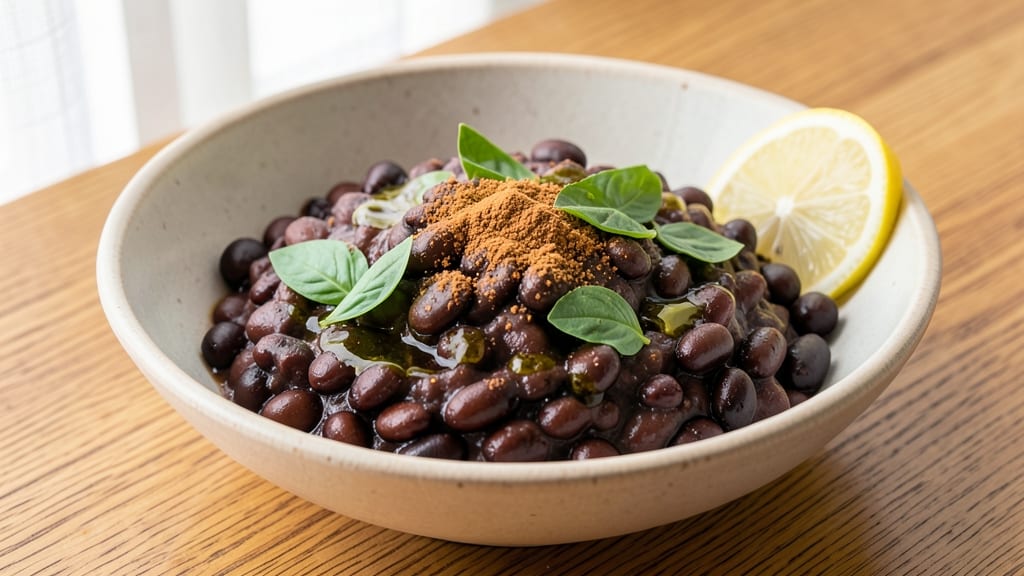
This bean recipe for baby transforms simple ingredients into a nutrient-packed puree that’s gentle on tiny tummies and rich in plant-based protein. I created it after realizing how difficult it was to find baby food with real, whole-food flavors—no preservatives, just pure, wholesome goodness. The key is using soft-cooked beans blended until silky smooth, with just a touch of mild seasoning to make it appealing for little ones.
What makes this recipe special is its simplicity and versatility. You can use black beans, lentils, or chickpeas—whatever you have on hand—and the method ensures a texture that’s easy for babies to eat, whether spoon-fed or self-fed.
The puree is naturally sweet from the beans, so no added sugar is needed, and the mild spices like cinnamon or basil add subtle flavor without overpowering.
By the time you’re done, you’ll have a batch of vibrant, nutrient-dense puree that’s perfect for introducing babies to legumes. It’s packed with fiber, iron, and protein, all in a form that’s gentle on developing digestive systems.
The best part? It keeps well in the fridge for up to 3 days, making it a convenient option for busy parents.
This recipe is also a great way to use up pantry staples—no need for fancy ingredients. Whether you’re prepping for your little one’s first solids or just looking for a healthy, plant-based meal, this puree delivers. Let’s get started!
Ingredients for bean recipe for baby
Simple, wholesome ingredients that turn into a silky-smooth puree perfect for baby’s first legumes.
| Ingredient | Amount | Notes |
|---|---|---|
| Black Beans (or Lentils/Chickpeas) 🌱 | 1 ½ cups | Dried, soaked overnight or canned (no salt added) |
| Fresh Basil Leaves 🌿 | ¼ cup | Lightly packed, stems removed |
| Ground Cinnamon 🌶️ | ¼ tsp | Organic preferred for purity |
| Extra-Virgin Olive Oil 🫒 | 1 tbsp | Cold-pressed, for richness |
| Filtered Water 💧 | 1 cup | For blending consistency |
| Fresh Lemon Juice 🍋 | 1 tsp | Brightens flavor naturally |
| Organic Coconut Milk (Full-Fat) 🥥 | ¼ cup | For creaminess (optional) |
| Sea Salt 🧂 | ⅛ tsp | Fine grain, sparingly |
| Baby Rice Cereal (Optional) 🍚 | 2 tbsp | For thicker texture |
Start with organic dried beans if possible—they’re free of preservatives and easier to digest. Trader Joe’s or Whole Foods bulk sections have great options, or use canned beans (rinsed thoroughly) in a pinch. Fresh basil is ideal, but dried works at one-third the amount—just crush it between your fingers first. The cinnamon adds warmth without overpowering; Penzeys has organic options if you want to splurge. For the olive oil, grab the first-press kind—it’s worth the extra few cents for that fruity depth.
No fresh basil? Dried oregano or parsley (half the amount) works just fine. Skip the coconut milk if you’re avoiding dairy, but the puree will be thinner—just add a splash more water. The lemon juice brightens everything, so don’t skip it (frozen lemon juice cubes work in a bind). For extra protein, add a mashed banana or avocado—babies love the texture. And if you’re using rice cereal, pick a single-grain, iron-fortified kind for better nutrition.
This puree keeps for 3 days in the fridge, sealed tightly in a glass jar. Freeze portions in ice cube trays for later—just thaw overnight in the fridge. For best texture, blend until completely smooth, then thin with water if needed. Store in small portions so you’re not reheating large batches. Babies prefer it at room temperature, so let it sit for 10 minutes before serving.
Why You'll Love This Recipe
- No-Fuss Simmer: I swear by this recipe because it’s literally dump-and-stir. Soak the beans overnight (or grab canned to skip that step entirely), toss them with olive oil and cinnamon, then let them bubble until tender. No chopping, no fuss—just warm, fragrant beans ready in under an hour.
- Earthy-Sweet Magic: That cinnamon? It’s the secret weapon. A pinch transforms the beans into something warmly aromatic, while fresh basil adds a bright, herbal pop that feels luxurious for a dish this simple. Honestly, the contrast is what makes it taste like a restaurant meal.
- Meal Prep MVP: Make a big batch on Sunday, and you’ve got breakfast, lunch, or dinner covered all week. Serve it mashed with olive oil for a quick spread, or let the baby scoop it up with toast. (Between us, I’ve also microwaved it straight from the jar—no judgment.)
- Budget-Friendly Hero: A can of beans, a handful of basil, and a spice you already own? This is the kind of recipe that stretches your grocery budget without sacrificing flavor. Plus, leftovers keep for days—so you’re feeding your family well without breaking the bank. Win.
Step-by-step instructions for nutrient-packed baby bean puree
Here's how to blend a velvety-smooth, nutrient-rich puree that's gentle on tiny tummies.
Prepare the Beans for Maximum Texture Control
Start by rinsing the 1.5 cups of black beans (or lentils/chickpeas) under cold water to remove any surface starch. If using dried beans, they should be soaked overnight and drained before cooking. For canned beans, simply drain and rinse thoroughly to remove excess sodium. The goal is a completely smooth texture, so I like to cook the beans until they're fork-tender but not mushy—this ensures they'll break down completely during blending.
Transfer the prepared beans to a saucepan with 1 cup of filtered water and bring to a gentle boil. Reduce heat to medium-low and simmer uncovered for 20-25 minutes until completely tender. You'll know they're ready when a small spoonful mashed between your fingers has no resistance—this prevents graininess in the final puree. Drain any remaining water and set aside to cool slightly before blending.
Blend with Flavor Enhancers for Depth
In a high-speed blender, combine the cooled beans with 1 tablespoon of extra-virgin olive oil and 1 teaspoon of fresh lemon juice. The olive oil adds healthy fats while the lemon juice brightens the flavor naturally. Blend on high for 1-2 minutes until completely smooth, scraping down the sides as needed. Here's the thing—you want this to be silky, not chunky, so don't rush this step.
Add 0.25 cup of organic coconut milk (full-fat) and 0.25 teaspoon of ground cinnamon to the blender. The coconut milk contributes creaminess while the cinnamon adds subtle warmth that's gentle yet flavorful. Blend again for 30 seconds until fully incorporated. Taste and adjust seasoning with 0.125 teaspoon of sea salt—remember, baby food should be flavorful but not overly salty.
Incorporate Optional Thickener for Perfect Consistency
If you prefer a thicker puree, add the 2 tablespoons of baby rice cereal (optional) to the blender now. The cereal acts as a natural thickener without altering the flavor profile. Blend for another 30 seconds until smooth and uniform in texture. For a thinner consistency, simply add 1-2 tablespoons of filtered water at a time until you reach your desired thickness—this should be like heavy cream or yogurt.
Here's where attention to detail matters: The puree should coat the back of a spoon but still flow easily. If it's too thick, it can be difficult for babies to swallow; if too thin, it may not provide enough satiety. I find that adding the rice cereal first often gives me the perfect starting point for adjustments.
Finish with Fresh Herbs for Nutritional Boost
While the blender is running, add the 0.25 cup of fresh basil leaves (lightly packed, stems removed) through the feed tube. The basil adds a fresh, slightly sweet note that complements the earthy beans beautifully. Pulse a few times to incorporate the basil, then blend continuously for 15-20 seconds until fully blended and vibrant green in color. The basil should be completely unrecognizable—this ensures there are no fibrous pieces that could be difficult for babies to digest.
Transfer the puree to a clean bowl and let it cool completely before serving. I always recommend storing any leftovers in airtight containers in the refrigerator for up to 3 days, or freezing in ice cube trays for up to 3 months. The texture may thicken slightly when chilled, so you can always thin with a splash of water or breast milk when ready to serve.
Pro Tips For Making Bean Recipe For Baby
- SOAK BEANS OVERNIGHT: I learned this the hard way—rushing beans with a quick soak or no soak at all leaves them tough and gummy. Even 12 hours in filtered water (changed once) makes black beans or lentils break down into a silky, easy-to-mash texture perfect for baby’s first spoonfuls.
- SAUTÉ BASIL FIRST: Fresh basil wilts fast, but if you toss the leaves into the hot pan with olive oil for 30 seconds before adding beans, they release their aroma and stay vibrant. Skip this, and you’ll end up with sad, limp herbs at the bottom of the pot.
- STIR BEANS CONSTANLY: Low and slow is good, but forget to stir every 2-3 minutes, and your beans will stick like glue. A wooden spoon in hand keeps them moving, especially when adding cinnamon—this spice can burn fast if left unattended.
- USE LESS CINNAMON: A pinch is all you need—half a teaspoon max. Too much overpowers the delicate flavor of the beans, and babies (or adults) might turn up their noses. Start small, taste as you go, and adjust if you’re serving this to grown-ups later.
Troubleshooting your bean recipe for baby
Grainy Texture Fix
If your puree turns out grainy, it’s usually because the beans weren’t soft enough before blending. Next time, cook them for an extra 5-10 minutes until they mash completely between your fingers.
For a quick fix, blend again with 2-3 tablespoons of warm water—this helps break down any remaining fibers. I’ve also found that adding a splash of coconut milk during blending (instead of afterward) can help create a smoother consistency right from the start. 💡
Too Thick or Too Thin?
Thickness is all about balance—too thick and it’s hard to swallow; too thin and it won’t satisfy. If your puree is too thick, thin it with 1 tablespoon of water or breast milk at a time until it reaches a yogurt-like consistency.
For extra thickness without graininess, blend in 1 tablespoon of baby oatmeal instead of rice cereal. Pro tip: Store puree in small portions so you can adjust texture fresh each time. 🥄
Bean Blending Challenges
Some beans (like lentils) can be trickier to blend smoothly. If you’re using them, soak them for at least 4 hours before cooking to soften their skins. For stubborn textures, blend with 1 tablespoon of olive oil first—it acts as a natural lubricant.
I’ve also had success using a food mill after blending to catch any tiny particles that might slip through a regular blender. 🌱
Seasoning Adjustments
Babies’ taste buds are still developing, so mild flavors are key. If your puree tastes bland, try adding ¼ teaspoon of mashed banana or 1 teaspoon of roasted garlic (cooled) for natural sweetness.
For warmth, a pinch of cinnamon or ginger works wonders—just start small and adjust based on your baby’s reaction. Avoid salt entirely; even a tiny pinch can be too strong for little ones. 🌶️
Storage & Texture Changes
Puree thickens as it cools—this is normal! To fix it, gently reheat with 1-2 tablespoons of water or breast milk while stirring. If it separates in the fridge, stir vigorously before serving.
For freezing, portion into ice cube trays—this prevents freezer burn and makes thawing easier. I’ve found that adding ½ teaspoon of lemon juice before freezing helps preserve color and freshness. ❄️
Allergy or Digestive Issues?
If your baby shows signs of discomfort (gassiness, rash), introduce beans slowly and watch for reactions. For sensitive tummies, try white beans first—they’re often gentler. Steam beans instead of boiling to retain more nutrients, and always blend until completely smooth.
If allergies are a concern, skip coconut milk and use breast milk or water for creaminess instead. 💛
Nutrition facts
Frequently asked questions
What’s the best bean type for baby’s first puree?
Start with black beans, lentils, or chickpeas—they’re mild, easy to digest, and packed with iron and protein. For extra tenderness, opt for canned beans (no salt added) or soak dried beans overnight. White beans are another great choice for sensitive tummies, while lentils blend smoothly for a heartier texture.
Can I skip the coconut milk for a vegan option?
Replace it with breast milk, water, or unsweetened almond milk for creaminess. The puree will be slightly thinner, but you can always blend in 1 tablespoon of baby oatmeal for a thicker consistency. Just avoid dairy-based alternatives like yogurt, which may not suit all vegan diets.
How do I know when my baby is ready for bean puree?
Look for these signs: sitting upright with minimal support, showing interest in your food, and being able to move food from a spoon to their mouth. Most babies start solids around 6 months, but always check with your pediatrician first. Begin with tiny amounts (1-2 teaspoons) to gauge their reaction.
Why does my puree turn out grainy?
Graininess usually means the beans weren’t soft enough before blending. Cook them an extra 5-10 minutes until they mash easily between your fingers. For a quick fix, blend again with 2 tablespoons of warm water** or a splash of coconut milk. If using lentils, soak them for 4+ hours first—they’re trickier to blend smoothly.
Can I add other veggies to this puree?
Yes! Try steamed carrots, sweet potatoes, or zucchini for extra nutrients. Blend them in with the beans, or mix them separately for variety. Just avoid high-oxalate veggies like spinach until your baby is older. Always introduce one new food at a time to monitor reactions.