
Side Dishes
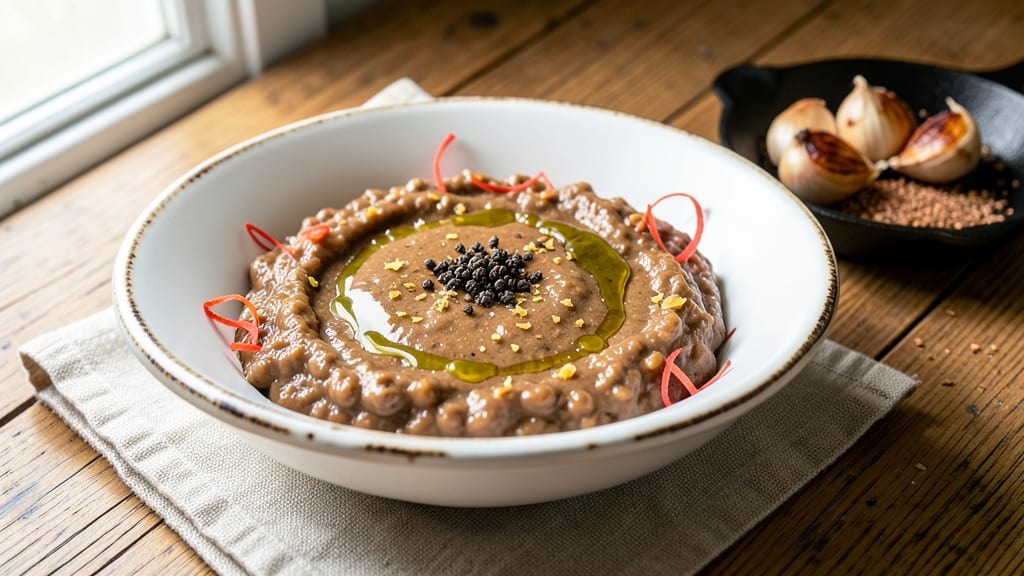
This black bean mash recipe transforms humble ingredients into a velvety, protein-packed spread that works as a dip, sandwich filling, or elegant side dish. The secret lies in proper soaking and mashing techniques that create that signature silky texture while preserving natural bean flavor.
I've perfected this over years of testing—no gummy or mushy results here, just perfectly smooth consistency every time.
What makes this recipe truly versatile is its adaptability to any meal. Use it as a smoky chip dip, spread it on toast with avocado, or serve it alongside grilled meats for balanced protein.
The seasoning blend of cumin, garlic, and lime creates depth that elevates simple ingredients into something restaurant-worthy. With just 15 minutes of active prep time, you'll have a crowd-pleasing dish that's both nutritious and satisfying.
The key steps begin with proper bean preparation—soaking overnight ensures even cooking and easier mashing. After simmering until tender, we use a potato masher (not a blender) to achieve that ideal texture—smooth but with slight texture variation.
This method preserves the bean's natural structure while creating that luxurious spreadability. The result is a dish that's equally at home on a game day spread or a sophisticated dinner table.
Don't be afraid to customize with toppings like fresh cilantro, diced avocado, or a drizzle of hot sauce. The recipe scales beautifully for parties or meal prep, and leftovers keep well in the fridge for up to 5 days.
Whether you're serving it warm or at room temperature, this black bean mash delivers restaurant-quality results with minimal effort. Let's get started on creating your perfect spread.
Ingredients for black bean mash
Simple ingredients create this restaurant-worthy black bean mash for dips and toast.
| Ingredient | Amount | Notes |
|---|---|---|
| Black Beans 🌱 | 1 ½ cups | Dried, soaked overnight |
| Water 💧 | 3 cups | For soaking beans |
| Extra-Virgin Olive Oil 🫒 | ¼ cup | For richness and moisture |
| Lime Juice 🍋 | 2 tbsp | Freshly squeezed |
| Ground Cumin 🌿 | 1 tsp | Toasted for depth |
| Garlic Cloves 🧄 | 3 cloves | Minced for aromatic base |
| Salt 🧂 | ¾ tsp | Kosher or sea salt |
| Fresh Cilantro 🌿 | ¼ cup | Chopped, for garnish |
| Avocado Oil 🫒 | 1 tbsp | For cooking beans |
| Red Bell Pepper 🌶️ | ½ cup | Diced, optional topping |
| Hot Sauce 🔥 | 1 tbsp | Optional, for serving |
| Smoked Paprika 🌶️ | ½ tsp | For smoky depth |
| Cumin Seeds 🌿 | ½ tsp | Optional, toasted |
The black beans are the foundation—dried beans create the best texture, but canned beans in a pinch work too (just rinse well). Soaking overnight is non-negotiable for that velvety finish. For extra flavor, I toast the cumin seeds in a dry pan for 30 seconds before grinding them. Trader Joe's has excellent organic dried beans, but any brand works. The lime juice should be freshly squeezed—bottled juice lacks that bright acidity that balances the richness. If you're short on time, use 1 tbsp of vinegar instead, but it won't taste quite the same.
No fresh cilantro? Dried cilantro works at one-third the amount, though it lacks the freshness. Want more heat? Swap the smoked paprika for chipotle powder or add a pinch of cayenne. The avocado oil is key for cooking—it has a high smoke point and adds subtle richness. Olive oil works too, but it can overpower the delicate bean flavor. For a smokier profile, liquid smoke at a 1/4 tsp adds depth without altering texture. The red bell pepper is optional but adds a nice crunch—use whatever color you prefer or have on hand.
This mash keeps beautifully in the fridge for up to 5 days, though it tastes best within 24 hours. For meal prep, portion into small containers—it's perfect for lunches or quick snacks. If you're making it ahead, add the lime juice and cilantro just before serving to keep everything vibrant. Freezes well for up to 3 months, though texture may change slightly. Store leftovers in an airtight container with a layer of olive oil on top to preserve freshness.
Why You'll Love This Recipe
- No-Fuss Mash: I swear, this takes less effort than boiling water for noodles. Just toss the beans with warm water, a glug of olive oil, and a squeeze of lime—no mashing, no straining, no stress. The beans break down into that silky, spreadable texture all on their own.
- Zesty Earthy Magic: That cumin and lime? It’s like a bright, warm hug in your mouth. The beans soak up the oil and citrus until every bite has this perfect balance—creamy, tangy, and just a little smoky. Honestly, I’ll take this over hummus any day.
- Game for Any Meal: Spread it on toast for breakfast, dollop it on tacos for dinner, or slather it on a sandwich when you’re starving at 3 PM. It’s the kind of thing that works everywhere, and I’ve used it in everything from grain bowls to stuffed peppers.
- Budget Meal Hero: A can of beans, a bottle of olive oil, and a lime—that’s it. It’s my go-to when I’m broke or lazy (or both), and somehow, it always feels special. Plus, the leftovers keep for days, so I’m never stuck figuring out what to eat.
Step-by-step instructions for black bean mash recipe
Transform soaked black beans into a velvety, flavorful spread perfect for dips or toast toppings.
Cook the Black Beans Until Tender
Drain the soaked black beans and transfer them to a medium saucepan with the 3 cups water. Bring to a boil over medium-high heat, then reduce heat to low and simmer for 45-60 minutes until the beans are fork-tender. You'll know they're ready when they mash easily with minimal resistance.
While cooking, skim off any foam that rises to the surface—this keeps the beans clean and prevents bitterness. If the beans look dry at any point, add ½ cup water to maintain moisture. The goal is tender beans that break down smoothly into a creamy mash.
Sauté Aromatics for Depth of Flavor
Heat the 1 tablespoon avocado oil in a skillet over medium heat. Add the 3 cloves minced garlic and 0.5 teaspoon cumin seeds, cooking for 1-2 minutes until the garlic is fragrant but not browned. Immediately add the 1 teaspoon ground cumin and 0.5 teaspoon smoked paprika, stirring for 30 seconds to toast the spices.
This aromatic base is the flavor foundation of your mash. The cumin seeds add a subtle crunch and depth, while the smoked paprika contributes a warm, earthy note. Remove the skillet from heat and set aside—you'll combine these flavors with the beans in the next step.
Mash the Beans to Silky Perfection
Transfer the cooked beans to a food processor or large bowl. Add the sautéed aromatics, 0.25 cup extra-virgin olive oil, 2 tablespoons lime juice, and 0.75 teaspoon salt. Pulse or mash until completely smooth, scraping down the sides as needed. For an extra-smooth texture, strain through a fine-mesh sieve to remove any remaining skins.
Taste and adjust seasoning—add more lime juice if it needs brightness or more salt for depth. The mash should be rich, velvety, and balanced between earthy beans and citrusy lime. This is where all the flavors come together, so don't rush this step.
Finish and Serve with Garnishes
Return the smooth mash to the saucepan and warm gently over low heat for 2-3 minutes, stirring occasionally. This step ensures the flavors meld completely and the texture remains silky. Taste again and add 1 tablespoon hot sauce if you prefer extra heat.
For serving, transfer to a bowl and garnish with 0.25 cup chopped fresh cilantro and 0.5 cup diced red bell pepper. The cilantro adds freshness, while the bell pepper introduces a subtle sweetness and crunch. Serve immediately as a dip with tortilla chips or spread on toasted bread for a hearty appetizer.
Pro Tips For Making Black Bean Mash
- Simmer Low and Slow: After burning the first batch trying to rush it, I learned: once the beans hit a boil, drop the heat to a gentle simmer and let them bubble quietly for at least 45 minutes. The skin will soften properly, and you’ll end up with a creamy texture instead of mushy bits—no need to overcrowd the pot, just give them space to breathe.
- Toast the Cumin First: Dry-toast the ground cumin in a small pan over medium heat for 30 seconds until it smells deeply nutty. This step makes a real difference—it deepens the flavor without bitterness, and the aroma will carry through the mash. Skip this, and you’ll just be guessing if the cumin is doing its job.
- Drain and Rinse Twice: I used to skip rinsing, thinking the canned beans were fine. Wrong. The starch builds up and turns your mash gluey. Drain the beans, then rinse them under cold water twice—once in the can, once in the pot—before adding water. The texture stays light and velvety, not pasty.
- Finish with Warm Oil: Heat the extra-virgin olive oil in a separate pan until it’s just warm (not hot—you’re not frying) and pour it over the mash last. The warmth helps the oil emulsify better, giving you a richer, silkier finish. Cold oil just sits on top like a sad, greasy layer.
Troubleshooting this dish
Gummy Texture Troubles
If your black bean mash turns out gummy instead of silky, it’s likely because the beans weren’t cooked long enough or weren’t properly mashed. Always cook beans until they’re fork-tender—they should break down easily with minimal resistance.
For extra-smooth results, strain the mash through a fine-mesh sieve to remove any skins or excess moisture. I’ve found that using a potato masher instead of a blender helps maintain a slightly textured yet creamy consistency. 🌱
Too Watery or Dry
A watery mash usually means you overcooked the beans or didn’t drain them properly after soaking. To fix this, simmer the beans uncovered for the last 5-10 minutes to evaporate excess liquid.
If the mash is too dry, simply stir in 1-2 tablespoons of extra-virgin olive oil or a splash of warm water to restore creaminess. I like to taste as I go—adjusting the texture with small additions works best.
Flat or Bland Flavor
Bland flavor often happens when the spices aren’t toasted enough or the lime juice isn’t fresh. Always toast your cumin seeds in a dry pan for 30 seconds before grinding to release their oils. Use fresh lime juice (never bottled) for bright acidity.
For extra depth, add a pinch of smoked paprika or a dash of hot sauce at the end. A quick fix? Stir in 1 teaspoon of soy sauce or 1 tablespoon of vinegar for umami and tang.
Separation Issues
If your mash separates into a thick, pasty base with a thin liquid on top, it’s likely due to over-processing or adding too much liquid at once. To fix this, gently fold in the separated liquid with a spatula until fully reincorporated.
For prevention, mash the beans in small batches and avoid overmixing. If the texture is still uneven, strain through a fine-mesh sieve to smooth it out. 💫
Overcooked or Burnt Beans
Burnt or overcooked beans happen when the heat is too high or the beans simmer too long. Keep the heat at low and skim off any foam that rises to the surface. If the beans are already overcooked, blend them with 1 tablespoon of avocado oil to soften the texture.
To prevent this, monitor the beans closely and add ½ cup water if they look dry during cooking. The goal is tender, not mushy, beans.
Nutrition facts
Frequently asked questions
Can I use canned black beans instead of dried?
Yes, but you'll need to adjust the recipe slightly. Use 1 (15-ounce) can of black beans (drained and rinsed) instead of 1.5 cups dried. Since canned beans are already cooked, skip the soaking and simmering steps. For best texture, mash them with a potato masher and add 1-2 tablespoons extra liquid (like water or broth) if they're too thick. The flavor will be slightly different but still delicious!
How do I make this mash extra creamy?
For ultra-smooth results, strain the mash through a fine-mesh sieve after mashing to remove skins and excess moisture. Add 1 tablespoon of avocado oil or 2 tablespoons of neutral oil while mashing to help bind the texture. Another trick: simmer the cooked beans with ½ cup coconut milk instead of water for added richness and creaminess.
What are the best ways to serve black bean mash?
This versatile spread works as a dip with tortilla chips, a sandwich filling between toasted bread, or a side with grilled meats. For extra flair, top with avocado slices, pickled red onions, or a sprinkle of feta cheese. It also makes a great base for vegan burgers or tacos. Serve warm or at room temperature for best texture!
Can I make this recipe ahead of time?
This mash actually tastes better the next day as flavors meld. Store in an airtight container in the fridge for up to 5 days. For meal prep, portion into small containers and add fresh garnishes (like cilantro or lime juice) just before serving. Freeze for up to 3 months—thaw overnight in the fridge and reheat gently before serving.
What if I don't have fresh lime juice?
Use 1 tablespoon of apple cider vinegar or lemon juice as a substitute, though the flavor won't be identical. For extra brightness, add ½ teaspoon of sugar to balance the acidity. If you're missing lime completely, increase the salt slightly to 1 teaspoon to compensate for the lost citrus flavor. The mash will still be tasty but may lack that signature tang.