
Sauces & Condiments
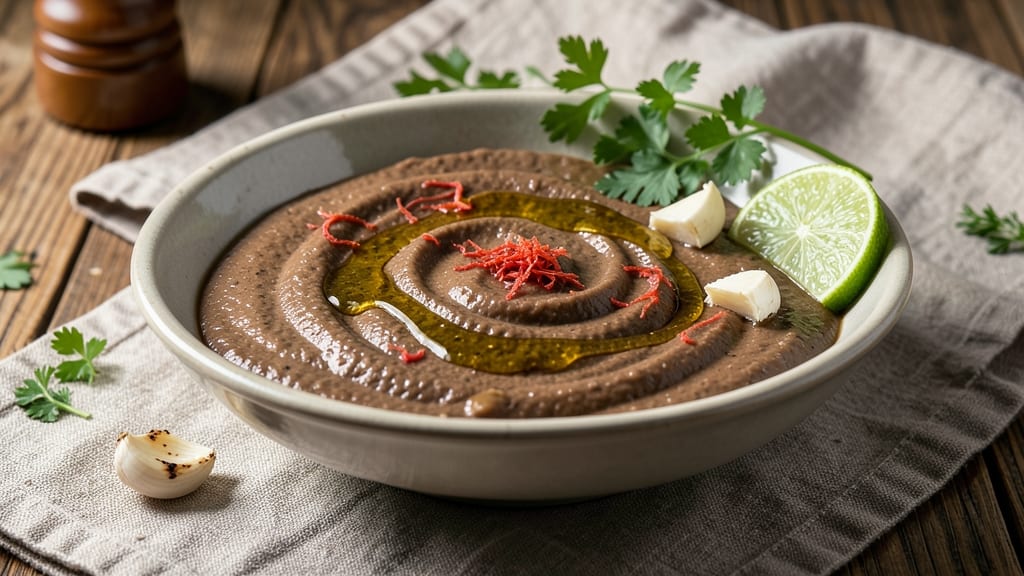
This vegan black bean hummus recipe transforms humble pantry staples into a silky, protein-rich spread that rivals traditional chickpea versions. The secret lies in blending black beans with tahini and lime zest—not just for flavor, but for that signature velvety texture without dairy or eggs.
I developed this after realizing most vegan hummus recipes either taste too beany or require special ingredients. This one delivers restaurant-quality creaminess with just 7 simple ingredients.
The charred lime zest is the game-changer—it adds a smoky brightness that cuts through the earthiness of black beans while keeping the hummus vibrant and fresh.
Unlike other recipes that rely on tahini-heavy bases, this version balances richness with acidity, making it perfect for everything from sandwich spreads to chip dips. The blend is so smooth, you won’t miss chickpeas at all.
What makes this recipe truly foolproof is the technique: soaking the beans (if using dried) and blending everything until completely smooth creates that luxurious mouthfeel. No food processor?
A high-powered blender works just as well. The result is a hummus that’s creamy, tangy, and packed with plant-based protein—ideal for meal prep or last-minute entertaining.
Store it in an airtight container for up to 5 days, or freeze for longer shelf life. Serve with toasted pita, fresh vegetables, or as a sandwich spread. The charred lime zest keeps it tasting fresh even after refrigeration. Here’s how to make it—no special skills required.
Ingredients for black bean hummus recipe vegan
Seven pantry staples create this velvety vegan hummus with restaurant-quality texture.
| Ingredient | Amount | Notes |
|---|---|---|
| Black Beans 🫘 | 1 ½ cups | Cooked, drained, rinsed |
| Tahini 🥜 | ½ cup | Sesame paste, unsweetened |
| Lime Zest 🍋 | 1 tbsp | Charred for smoky brightness |
| Lemon Juice 🍋 | 2 tbsp | Freshly squeezed |
| Extra-Virgin Olive Oil 🫒 | ¼ cup | High quality, fruity |
| Garlic Cloves 🧄 | 2 cloves | Peeled, rough chopped |
| Sea Salt 🧂 | ½ tsp | Fine grain preferred |
Black beans are the star—canned low-sodium is perfect, but if using dried, soak overnight. The charred lime zest is non-negotiable for that smoky depth; use a dry skillet to toast the zest until fragrant. Tahini matters too—store-bought brands like Soom or Albertsons work, but homemade tahini (toasted sesame seeds ground) adds extra richness. Garlic? Fresh is best, but powdered works in a pinch if you're in a hurry. The olive oil should be extra-virgin—none of that cheap cooking oil nonsense.
No tahini? Substitute with 2 tbsp peanut butter plus 1 tbsp olive oil, though texture will differ slightly. Fresh lime zest unavailable? Orange zest works too, but add an extra pinch of salt. The hummus will still be delicious without charring the zest, but that smoky note is what sets this apart. For extra creaminess, add 1-2 tbsp aquafaba (chickpea brine) if you have it. The lemon juice can be swapped for apple cider vinegar if you prefer a tangier flavor—just use the same amount.
This hummus thickens as it chills, so stir in extra olive oil or lemon juice if needed before serving. Keeps beautifully in an airtight container in the fridge for 5 days, or freeze for 3 months. Portion into small containers for easy dipping—perfect for meal prep. The charred lime zest keeps it vibrant, so don't skip it if you can help it. If making ahead, let it sit at room temperature for 10 minutes before blending for the smoothest texture.
Why You'll Love This Recipe
- Five-Ingredient Magic: I swear by this combo—black beans, tahini, and citrus. That’s it. No fancy gadgets, no stress. Just blend, taste, adjust. Honestly, I’ve made hummus for years, and this is the only recipe where I don’t feel like I’m missing something.
- Zesty Creamy Crush: The lime zest and lemon juice cut through the richness of tahini, leaving you with something bright and addictive. That first bite? Silky with a tangy kick—like a hug for your taste buds, but make it plant-based.
- Party in a Bowl: This stuff disappears at gatherings. Serve it with chips, toss it into wraps, or drizzle it over roasted veggies. I’ve even used it as a dip for crudités at book club—no one bats an eye, and it’s always the first to vanish.
- Budget-Friendly Powerhouse: Black beans and tahini are pantry staples that won’t break the bank. A single batch stretches for days—perfect for lunches, snacks, or when you’re too tired to cook. Between us, this is how I feed my family without guilt.
Step-by-step instructions for silky black bean hummus
This method transforms simple pantry staples into velvety hummus with a bright, charred lime finish.
Blend the Base Ingredients Until Completely Smooth
Start by combining the 1.5 cups cooked black beans, 0.5 cup tahini, 2 cloves rough chopped garlic, and 0.5 teaspoon sea salt in a high-powered food processor. I use a Vitamix for this step—its motor power ensures a completely smooth texture without graininess. Process on high for 1-2 minutes until the mixture becomes completely smooth and homogeneous.
Here's the thing—don't rush this step. You'll know it's ready when the mixture looks like thick, creamy pudding with no visible bean chunks. The tahini provides that rich, nutty base while the black beans contribute protein and natural sweetness. If your processor struggles, add 1-2 tablespoons of water to help it blend smoothly.
Incorporate the Acidic Elements for Brightness
With the processor running, slowly drizzle in the 0.25 cup extra-virgin olive oil through the feed tube. This gradual addition prevents the oil from separating and creates that signature creamy texture. After the oil is fully incorporated, add the 2 tablespoons freshly squeezed lemon juice and 1 tablespoon charred lime zest. Process for another 30-45 seconds until fully combined.
The acidity from the lemon and lime zest is crucial—it brightens the flavor and balances the earthiness of the tahini. I like to char the lime zest quickly in a dry skillet for about 10 seconds before using it; this adds a subtle smoky depth that elevates the hummus from good to exceptional. Taste at this stage and adjust the salt if needed.
Achieve the Perfect Silky Consistency
If the hummus is too thick after blending, add 1-2 tablespoons of water at a time until it reaches a smooth, spreadable consistency. You're aiming for a texture that's thick enough to hold its shape when scooped but still glossy and velvety. I usually need about 2 tablespoons total for the perfect balance. Scrape down the sides of the processor bowl with a spatula to ensure even blending.
This is where most people go wrong—they either under-blend (resulting in grainy hummus) or over-blend (which can make it too thin). The ideal consistency should be thick enough to cling to a spoon but still spread easily on crackers or in wraps. If it's too thin, let it rest for 10 minutes before adjusting further.
Rest and Adjust for Maximum Flavor
Transfer the hummus to a serving bowl and let it rest at room temperature for at least 30 minutes. This resting period allows the flavors to meld and the texture to stabilize. During this time, I like to press a piece of plastic wrap directly onto the surface to prevent a skin from forming.
After resting, give the hummus one final taste and adjust the seasoning if needed. The flavors will have deepened, and you might find it needs a touch more salt or a splash of lemon juice to balance. The hummus should be vibrant in color—deep brown from the black beans with bright green flecks from the lime zest. Serve immediately or store in an airtight container in the refrigerator for up to 5 days.
Pro Tips For Making Black Bean Hummus Recipe Vegan
- Drain and Rinse Beans: I learned this the hard way—skipping the rinse leaves your hummus with a muddy, bitter aftertaste. After draining the black beans, give them a quick cold-water rinse to strip away excess starch. Pat them dry with a towel if you’re feeling extra thorough (yes, even if you’re impatient like me).
- Blend Tahini First: Start by blending the tahini with lemon juice and a splash of water until completely smooth—this prevents grainy lumps later. I was skeptical until I tried it: the texture becomes silky, and the lime zest blends right in without clumping.
- Add Oil Gradually: Don’t just pour in the olive oil at once—stream it in slowly while blending. This emulsifies the mixture better, giving you that creamy, dip-worthy consistency instead of a separated mess. Think of it like making mayo, but with beans.
- Zest Before Juicing: Use lime zest before adding lemon juice—this way, the citrus oils infuse the tahini and beans more evenly. I skip this sometimes, and the flavor feels flat. Take 10 seconds to zest first; your taste buds will notice the difference.
Common mistakes when making perfect results
Over-Soaking Beans
If you're using dried black beans, resist the urge to soak them for more than 8 hours—especially overnight. Beans absorb water and can become mushy, which leads to a grainy hummus texture.
I've made this mistake too—once, I left my beans soaking for 12 hours, and the result was a thick, pasty mess that wouldn't blend smoothly.
For best results, soak for 6-8 hours or use the quick-soak method: boil beans for 2 minutes, then let them sit for 1 hour before draining and rinsing. 🫘
Skipping the Charred Lime
The charred lime zest is what transforms this hummus from good to exceptional, so don't skip it! I'll admit, I've made this mistake when I'm in a hurry, and the flavor just doesn't have that same depth.
Char the zest in a dry skillet for 10-15 seconds until fragrant—it adds a subtle smoky note that balances the earthiness of the beans. If you're really short on time, a pinch of smoked paprika can help, but it won't be the same.
The zest also prevents the hummus from tasting flat after refrigeration.
Using Low-Quality Tahini
Not all tahini is created equal, and cheap store brands can make your hummus taste bitter or develop a strange aftertaste. I've learned this the hard way—once, I used a generic brand from the discount aisle, and the hummus had an unpleasant, almost soapy flavor.
Opt for reputable brands like Soom or Albertsons, or make your own by toasting sesame seeds and grinding them. The extra effort is worth it for that rich, nutty depth that makes this hummus truly special.
Under-Blending or Over-Blending
This is where most people go wrong with hummus—either stopping too soon or blending too long. If you under-blend, you'll end up with a grainy texture that feels more like bean dip than creamy hummus. On the other hand, over-blending can make it too thin and almost soupy.
The key is to blend until the mixture is completely smooth, like thick pudding, but not watery. I use a Vitamix and blend for 1-2 minutes until no bean chunks remain. If it's too thick, add water 1 tablespoon at a time—never all at once. 💡
Ignoring the Resting Time
I can't stress this enough: letting the hummus rest for 30 minutes before serving is crucial. Skipping this step means the flavors won't meld properly, and the texture can be uneven. During this time, the hummus thickens slightly as the starches settle, and the flavors deepen.
I also like to press plastic wrap directly onto the surface to prevent a skin from forming. If you're in a rush, at least let it rest for 10 minutes—you'll notice a difference in both texture and taste.
Using Canned Beans Directly
While canned beans are convenient, they often contain excess sodium and can be waterlogged, which dilutes the flavor and texture of your hummus. Always drain and rinse canned beans thoroughly—sometimes I even give them a quick rinse under cold water to remove any lingering sodium.
If you're using low-sodium canned beans, you might need to adjust the salt at the end. For the best results, I recommend using high-quality canned beans like Bush's Low Sodium or Amy's Organic. The extra effort makes a noticeable difference in the final product.
Nutrition facts
Frequently asked questions
Can I make this black bean hummus without tahini?
Yes! For a tahini-free version, substitute with 2 tablespoons peanut butter plus 1 tablespoon olive oil. The texture will be slightly different but still creamy. For extra richness, add 1-2 tablespoons aquafaba (chickpea brine) to help bind the mixture. The flavor will be more nutty than traditional tahini-based hummus.
How do I fix hummus that's too thick or too thin?
If your hummus is too thick, add 1 tablespoon water or olive oil at a time until smooth. For hummus that's too thin, let it rest for 10 minutes—it will thicken naturally. Never add extra beans or tahini, as this can make it grainy. The key is patience!
What's the best way to store leftover hummus?
Store in an airtight container in the fridge for up to 5 days. For longer storage, freeze for 3 months. Press plastic wrap directly on the surface to prevent a skin from forming. When reheating, let it sit at room temperature for 10 minutes before blending again briefly for smoothness.
Can I use white beans instead of black beans?
White beans like cannellini or great northern work beautifully and will give your hummus a lighter color and milder flavor. For best results, use 1.5 cups cooked white beans and adjust salt to taste. The texture will be slightly less dense but still creamy.
Why does my hummus taste bitter?
Bitterness usually comes from low-quality tahini or over-charred lime zest. Use a reputable brand like Soom or Albertsons for tahini, and char the lime zest for just 10-15 seconds. If the bitterness persists, add a splash of lemon juice or a pinch of sugar to balance the flavor.