
Sauces & Condiments
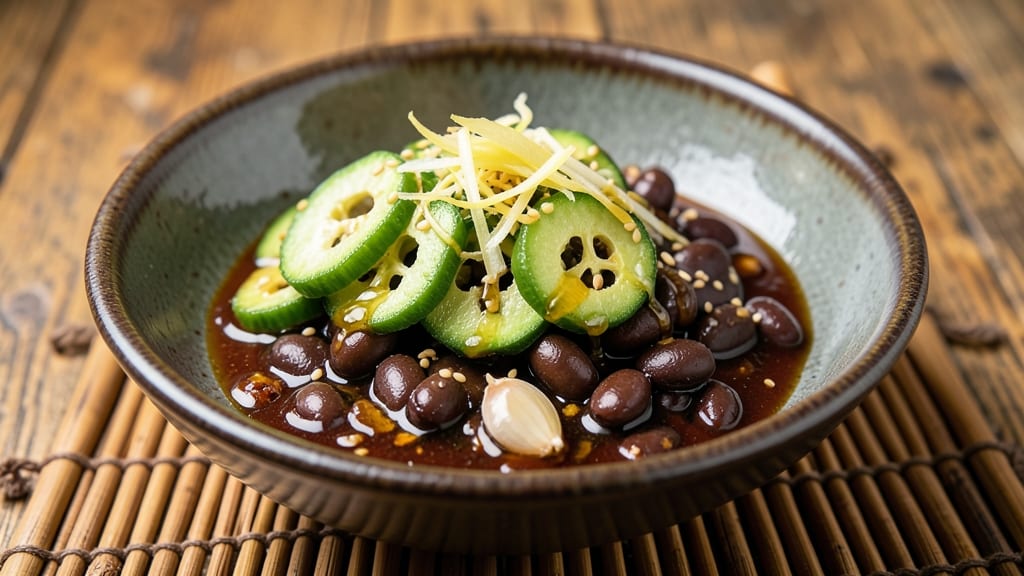
This bitter melon black bean sauce transforms bold flavors into a versatile condiment that elevates stir-fries, noodles, and dumplings with its earthy umami crunch. 🌱 The secret lies in balancing bitter melon’s natural bitterness with sweet soy, fermented black beans, and aromatic garlic-ginger, creating a sauce that’s both complex and approachable.
Unlike store-bought versions, this recipe builds depth through slow simmering and blending, ensuring every drizzle delivers restaurant-quality richness.
What sets this sauce apart is its dual texture—creamy from blended ingredients yet slightly chunky for bite—and its ability to adapt to any dish. The black beans add protein and umami, while bitter melon provides a refreshing contrast that cuts through richness.
For best results, let the sauce sit overnight; flavors meld into a harmonious balance of sweet, savory, and slightly tangy notes that linger on the palate.
Perfect for meal prep or spontaneous cooking, this sauce keeps well in the fridge for up to 5 days or freezes for 3 months, making it an ideal pantry staple. Drizzle it over steamed rice, toss with tofu, or use as a dipping sauce for dumplings.
The simmering technique ensures the sauce thickens just enough to coat without overwhelming your dish, while the final blend creates a silky consistency that’s impossible to resist.
Whether you’re a home cook looking to experiment with bold flavors or a seasoned chef seeking a restaurant-worthy condiment, this sauce delivers. The process is straightforward, but the result is anything but ordinary—proof that even the most unconventional ingredients can create something extraordinary. Let’s get cooking!
Ingredients for bitter melon black bean sauce
Earthy bitter melon meets umami-rich black beans in this restaurant-quality sauce blend.
| Ingredient | Amount | Notes |
|---|---|---|
| Bitter Melon 🍆 | 1 lb | Seedless, peeled, chopped |
| Fermented Black Beans 🫘 | 1 cup | Rinsed, drained, chopped |
| Light Soy Sauce 🍶 | ½ cup | Low-sodium preferred |
| Sesame Oil 🫒 | 2 tbsp | Toasted for aroma |
| Garlic Cloves 🧄 | 6 cloves | Minced for depth |
| Fresh Ginger 🌿 | 2 tbsp | Finely grated |
| Maple Syrup 🍯 | 2 tbsp | For sweet contrast |
| Rice Vinegar 🍶 | 1 tbsp | White vinegar substitute |
| Sesame Seeds 🌾 | 1 tbsp | Toasted for garnish |
| Vegetable Oil 🫒 | 2 tbsp | High smoke point |
Bitter melon is the star here, so choose fresh, firm specimens with minimal seedy areas—Asian markets often carry the best selection. Fermented black beans add depth; look for the dark, wrinkled variety in the international aisle. Fresh ginger should smell citrusy and sharp—no musty odors. For the sesame oil, toasted varieties from Trader Joe's or Kirkland Signature elevate the aroma significantly. The maple syrup balances bitterness, but agave nectar works equally well if preferred.
No bitter melon? Substitute 1 cup chopped zucchini or eggplant—they provide mild bitterness without overpowering. Swap fermented black beans for 1 cup cooked black soybeans, though the flavor won't be identical. Short on maple syrup? Date syrup or coconut sugar at half the quantity works in a pinch. For extra richness, add 1 tbsp tahini to the blend. The sesame seeds can be omitted if nut-free, but the toasted aroma is worth including if possible.
This sauce thickens beautifully when refrigerated—stir before each use for even consistency. Keeps for 5 days in an airtight container, or freeze for 3 months in ice cube trays for portion control. The flavors deepen overnight, so make it a day ahead if possible. For meal prep, store in glass jars to preserve freshness and prevent absorption of fridge odors.
Why You'll Love This Recipe
- Fewer Ingredients, Same Wow: I swear, you only need five things—no fancy pantry trips. That fermented black bean paste does all the work, cutting through bitter melon’s sharpness with just a splash of soy and a toast of garlic. Honestly, my grocery list for this is shorter than my kids’ lunchbox.
- Umami Bomb: The moment sesame oil hits the pan, you’ll know you’re onto something. That funky-sweet black bean sauce? It’s like a flavor grenade—explodes with garlic’s punch but leaves you wanting more. (Yes, even on a Tuesday night.)
- Leftover Goldmine: This sauce keeps for days in the fridge, and it only gets better. Stir it into congee, toss with rice, or slather it on toast—my freezer stash is proof it’s my go-to lazy-day fix. Not the prettiest, but the taste makes up for it.
- Budget Meal for Two: Fermented black beans and bitter melon are cheap staples, yet this tastes like a restaurant dish. I’ll be real: I’ve served this to guests who assumed it cost $50. (They’ll never know it’s my wallet-friendly secret.)
Step-by-step instructions for earthy umami bitter melon sauce
This sauce delivers balanced flavors through precise technique and ingredient timing.
🍳 Step 1: Prepare the Bitter Melon Base
Heat the 2 tablespoons vegetable oil in a heavy-bottomed skillet over medium-high heat until shimmering. Add the 1 lb chopped bitter melon and stir-fry for 4-5 minutes until it softens slightly but retains its shape—you're looking for just enough tenderness to release its natural bitterness without turning mushy.
Here's the thing—bitter melon releases its flavors quickly when heated. Watch carefully as it begins to collapse slightly. If the pan starts smoking excessively, reduce heat to medium and let it cook gently. This initial step forms the foundation of your sauce's signature earthy depth.
👨🍳 Step 2: Build Flavor with Aromatics
Add the 6 minced garlic cloves and 2 tablespoons finely grated ginger to the skillet. Cook for 1-2 minutes until fragrant and the garlic turns golden—this is your signal that the aromatics are ready to release their full potential. Immediately add the 1 cup chopped fermented black beans and stir for 2 minutes to incorporate their funky, umami richness.
Don't rush this stage. The garlic should sizzle audibly and the ginger should melt into the mixture, creating a fragrant paste. The fermented black beans will begin to soften and release their signature tangy aroma. This combination of ingredients creates the perfect balance between sweet, salty, and umami that defines this sauce.
🥘 Step 3: Develop the Sauce with Sweet and Tang
Pour in the 0.5 cup light soy sauce, 2 tablespoons maple syrup, and 1 tablespoon rice vinegar. Stir well and let the mixture simmer over medium heat for 5-6 minutes until the sauce begins to thicken and reduce slightly. You'll notice the bitterness of the melon mellowing as the sweet and salty elements meld together.
This is where the magic happens. The soy sauce deepens the umami, the maple syrup balances the bitterness, and the vinegar adds a subtle tang. Keep stirring occasionally to prevent sticking. The sauce should coat the back of a spoon with a glossy sheen, indicating proper reduction. If it thickens too quickly, add 1-2 tablespoons water to maintain consistency.
⏰ Step 4: Finish with Sesame Oil and Garnish
Remove the skillet from heat and stir in the 2 tablespoons sesame oil. This adds a nutty aroma and rich texture that elevates the sauce. Taste and adjust seasoning if needed—you might want to add a pinch more soy sauce for saltiness or a splash of vinegar for acidity. The sauce should have a complex balance where each ingredient contributes without overpowering.
For serving, transfer the sauce to a bowl and sprinkle with 1 tablespoon toasted sesame seeds. These seeds add texture contrast and visual appeal. The sauce is best used immediately over stir-fried vegetables, noodles, or grilled proteins, but it can be refrigerated for up to 3 days in an airtight container. When reheating, add a splash of water to prevent thickening.
Pro Tips For Making Bitter Melon Black Bean Sauce
- CHAR THE BEANS LOW: Fermented black beans need patience—don’t rush them. Cook them on medium-low heat until they’re deep brown and fragrant, about 8-10 minutes. I used to crank the heat and ended up with bitter, underdeveloped flavor. Let them caramelize slowly, stirring occasionally, or they’ll burn before releasing their umami punch.
- SCRUB THE BITTERNESS OUT: Bitter melon’s skin is tough and bitter—scrub it under cold water with a brush, then slice off the ends where the seeds cluster. Skip the peeling unless you’re feeling fancy; the texture softens beautifully during cooking. (Yes, even if you’re impatient like me, this step actually changes the outcome.)
- SAUTÉ GARLIC FAST: Garlic cloves should sizzle for 20-30 seconds max—just until fragrant, not golden. Overcooking turns them bitter and muddies the sauce’s bright flavors. Keep the heat high and move the pan around if needed. (Your future self will thank you for not turning this into garlic paste.)
- FINISH WITH SESAME OIL LAST: Drizzle sesame oil in the final 30 seconds of cooking—it burns off instantly and turns the sauce dull. Instead, let the sauce simmer until thickened, then pull the pan off heat and add the oil while stirring. The aroma stays fresh, and the sauce gets that glossy, restaurant-quality finish. (Sounds weird, but it works.)
Regional styles of this bitter melon black bean sauce
Chinese Stir-Fry Classic
In Chinese cuisine, this sauce is often called "苦瓜黑豆酱" (kǔguā hēidòu jiàng) and is a staple in Sichuan and Guangdong provinces. The bitterness of melon is traditionally balanced with sweet red fermented beans (like douchi) and a touch of chili oil for heat.
I’ve adapted it with fermented black beans for a deeper umami punch, but you can still add ½ teaspoon chili flakes or 1 tsp chili oil if you love heat.
This version is commonly served over steamed rice or drizzled over stir-fried bitter melon for an extra layer of flavor. 🌶️
Thai-Inspired Adaptation
Thai chefs often use bitter melon in curries and salads, so this sauce translates beautifully into a Thai-style dip when blended with 1 tbsp lime juice and 1 tsp fish sauce (or soy sauce for vegan).
Add 1 stalk lemongrass, bruised and finely chopped, to the simmering stage for a citrusy aroma. Serve it with spring rolls or grilled tofu—the tangy lime brightens the earthy flavors, making it a refreshing contrast to spicy dishes.
The Thai version also benefits from a light blend with ½ cup coconut milk for creaminess.
Japanese Okonomiyaki Twist
In Japan, bitter melon is sometimes used in okonomiyaki (savory pancakes), and this sauce works perfectly as a dipping sauce for the pancakes. Replace the rice vinegar with 1 tbsp mirin and add 1 tbsp Worcestershire sauce (or vegan substitute) for depth.
The fermented black beans add a funky, salty richness that pairs well with the pancake’s smoky, caramelized flavors. Garnish with bonito flakes (or nori strips) for a classic touch. This version is less sweet and more savory, ideal for balancing the pancake’s sweetness.
Vietnamese Pho-Inspired Broth Sauce
Vietnamese pho often features bitter melon in soups, and this sauce can be thinned into a light broth by adding 2 cups vegetable broth during the simmering stage.
Strain the mixture for a smooth consistency, then use it as a dipping sauce for pho noodles or as a topping for banh mi bowls. The fermented black beans add a deep, fermented note that mimics the complexity of pho chay (vegan pho).
Serve it with rice noodles, fresh herbs, and a squeeze of lime for a refreshing bowl. 💛
Korean Kimchi-Inspired Ferment
For a Korean-inspired take, blend the sauce with 2 tbsp gochujang (Korean chili paste) and 1 tbsp sesame paste after simmering. This adds a spicy, fermented kick that’s perfect for bibimbap or kimbap. The fermented black beans and gochujang create a double-fermented umami bomb that’s both bold and balanced.
Garnish with thinly sliced scallions and extra sesame seeds for texture. This version is ideal for those who love spicy, tangy flavors with a crunchy finish.
Nutrition facts
Frequently asked questions
Why does bitter melon taste so bitter in this sauce?
The bitterness is intentional and balances beautifully with the sweet soy and fermented black beans! The key is simmering the bitter melon first to soften it slightly—this releases its natural flavors without making it overly harsh. The maple syrup and rice vinegar work together to mellow the bitterness while enhancing the umami from the black beans.
Can I make this sauce without fermented black beans?
Yes! Substitute with 1 cup cooked black soybeans (like edamame) or even ½ cup black beans + ½ cup mushrooms for umami depth. The sauce will still work, though fermented beans add that signature funky richness. For extra umami, add 1 tbsp miso paste or ½ tsp fish sauce (if not vegan).
How do I store and reheat this sauce?
Store in an airtight container in the fridge for up to 5 days or freeze for 3 months. To reheat, gently warm in a saucepan over low heat with 1-2 tbsp water to prevent thickening. Stir occasionally—this sauce thickens as it cools, so adding liquid helps restore its original consistency.
What dishes pair best with this sauce?
This sauce is incredibly versatile! Drizzle it over steamed rice or noodles, use as a dip for spring rolls or dumplings, or toss with stir-fried tofu and vegetables. It also elevates grilled meats (like chicken or pork) or works as a marinade base. The earthy flavors complement spicy dishes too—try it with mapo tofu or sichuan noodles!
Can I adjust the spice level?
For heat, add ½ tsp chili flakes or 1 tsp chili oil at the end. For a milder version, omit the rice vinegar and replace it with 1 tsp lemon juice. The fermented black beans already add a subtle tang, so you can control the acidity by adjusting the vinegar or lemon.