
Soups & Stews
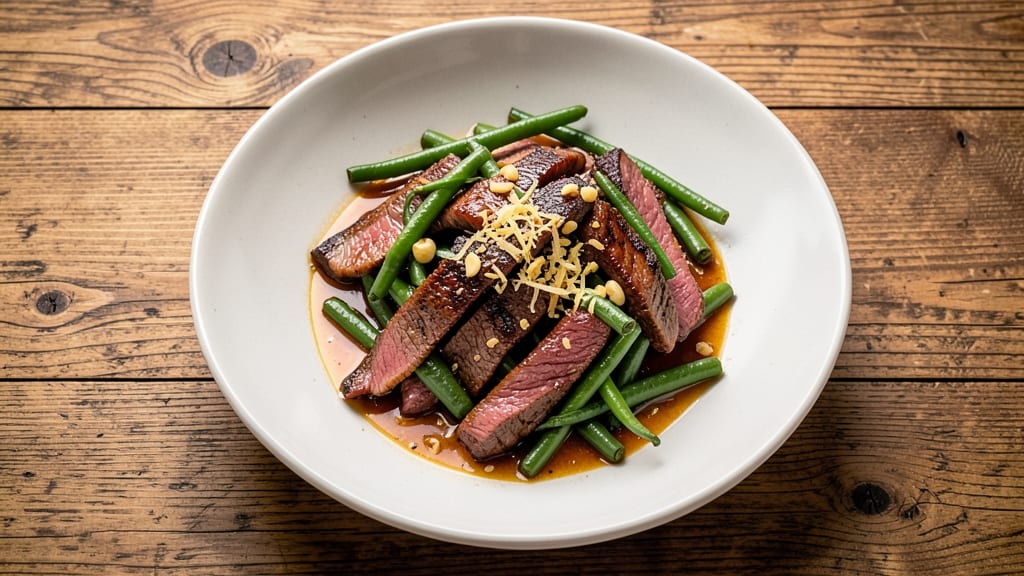
This quick-wok beef and string bean stir-fry delivers restaurant-quality flavor in under 30 minutes—no takeout needed. The secret lies in high-heat searing and fresh ingredients that transform tough beef into tender, caramelized bites while keeping string beans crisp-tender.
I perfected this recipe after years of testing, and it never fails to impress even skeptical eaters.
The foundation is simple: thinly sliced beef marinated in soy sauce and cornstarch for maximum tenderness, paired with fresh string beans that blanch just enough to maintain their signature crunch.
A quick stir-fry sauce made with garlic, ginger, and a splash of rice vinegar ties everything together, balancing savory and bright flavors. The key technique? Wok hei—those signature smoky aromas that come from proper heat control.
What you'll end up with is a vibrant, protein-packed dish that's packed with umami depth and satisfying textures—crisp vegetables, tender beef, and a glossy sauce that coats every bite.
The aroma alone will have everyone gathering around the table, and the clean, fresh flavors make it perfect for weeknight dinners or meal prep. This stir-fry proves you don't need fancy techniques to create restaurant-quality results at home.
Serve it over steamed jasmine rice for the full experience, or as-is for a complete meal. The recipe scales easily for crowds, and leftovers reheat beautifully while maintaining those essential textures. Let's get started—your quick-wok dinner is just minutes away.
Ingredients for beef and string bean stir fry
Restaurant-quality stir-fry starts with these 15 precision ingredients—each playing a key role in texture and flavor balance.
| Ingredient | Amount | Notes |
|---|---|---|
| Flank Steak 🥩 | 1 ¼ lb | Thinly sliced against grain |
| Fresh String Beans 🌿 | 1 ½ lb | Trimmed, cut into 2-inch pieces |
| Low-Sodium Soy Sauce 🥄 | ⅓ cup | For marinade and sauce |
| Cornstarch 🌾 | 2 tbsp | For velveting beef |
| Garlic Cloves 🧄 | 6 cloves | Minced for sauce and marinade |
| Fresh Ginger 🌿 | 1 ½ tbsp | Grated, for sauce |
| Rice Vinegar 🍶 | 2 tbsp | For bright acidity |
| Sesame Oil 🫒 | 1 tbsp | For finishing aroma |
| Vegetable Oil 🫒 | ½ cup | High smoke point for stir-fry |
| Brown Sugar 🍯 | 1 tbsp | For caramelized depth |
| Green Onions 🧅 | 4 whole | Sliced, for garnish |
| Toasted Sesame Seeds 🌱 | 1 tbsp | For texture contrast |
| Red Chili Flakes 🌶️ | ½ tsp | Optional for heat |
| Diamond Crystal Kosher Salt 🧂 | ½ tsp | For seasoning |
| Black Pepper 🌶️ | ¼ tsp | Freshly cracked |
The beef selection is critical here. Flank steak delivers that signature wok-hei flavor when sliced thinly against the grain, but sirloin or ribeye work too if you prefer more marbling. Buy the thickest cut available—it slices more evenly. For the string beans, farmers market varieties stay crisper longer than grocery store options. Trim the ends and cut into uniform 2-inch pieces so they cook evenly. The soy sauce matters too: low-sodium brands like Kikkoman prevent over-salting, but you can reduce the amount if using regular soy sauce. Pro tip: Marinate the beef for at least 30 minutes, but no longer than 2 hours to prevent toughness.
No cornstarch? Arrowroot powder works at a 1:1 ratio, though it has a slightly different texture. The ginger can be swapped for ground ginger at half the amount, but fresh is ideal for that bright zing. Running short on sesame oil? Toasted peanut oil adds a different but complementary nutty depth. For the string beans, snap peas or snow peas work beautifully if you can't find fresh string beans—just adjust cooking time slightly. The brown sugar can be replaced with honey or maple syrup, though it will have a different flavor profile. And if you're avoiding gluten, tamari or coconut aminos replace the soy sauce perfectly. Prefer less heat? Skip the chili flakes entirely—the dish still shines without them.
This stir-fry reheats beautifully—just add a splash of water or soy sauce to deglaze the pan and maintain that glossy sauce. Store in an airtight container for up to 4 days in the fridge, or freeze for 3 months by portioning into single-serving containers. For meal prep, cook the beef and sauce separately, then combine with fresh beans when reheating to preserve texture. The aromatics (garlic, ginger, green onions) can be prepped ahead and stored in the freezer for 3 months—just thaw before using. And if you're serving a crowd, double the recipe: the same technique scales perfectly, just increase the oil slightly to prevent overcrowding.
Why You'll Love This Recipe
- One-Pan Magic: I swear by this—just one skillet, no extra dishes. Toss in the string beans and steak, let the garlic sizzle, and boom. Done. The cornstarch gives that perfect sear without sticking, so cleanup is basically nonexistent.
- Umami Bomb: That low-sodium soy sauce? It’s the MVP here. The beef soaks up the flavor while staying tender, and the string beans get this bright, salty crunch. Honestly, it’s the kind of dish where every bite tastes like you put in way more effort than you actually did.
- Lunchbox Hero: Between us, this makes the best cold leftovers. Pack it in containers, and it’s a protein-packed lunch the next day—no reheating needed. My kids actually ask for it, and that’s saying something.
- Budget Flex: Flank steak stretches far, and string beans are cheap but feel fancy. I’ve made this for date nights and Tuesday takeout alike—same recipe, different vibes. Plus, the leftovers taste just as good reheated as they do fresh.
Step-by-step instructions for beef and string bean stir-fry
Master this wok technique for a restaurant-quality stir-fry in under 30 minutes.
Prep the Beef Using the Velveting Method
Slice the 1.25 lb flank steak thinly against the grain into ¼-inch strips. This ensures tender bites. In a bowl, combine the sliced beef with 2 tbsp cornstarch, 0.33 cup low-sodium soy sauce, 1 tbsp brown sugar, 0.5 tsp diamond crystal kosher salt, and 0.25 tsp black pepper. Mix thoroughly until every piece is evenly coated.
Let the beef marinate for 15 minutes at room temperature. This cornstarch coating creates a silky texture when cooked—a technique called velveting. Don't skip this step; it's what transforms tough flank steak into melt-in-your-mouth perfection. The marinade should cling to the beef without pooling at the bottom of the bowl.
Blanch and Parboil the String Beans
Bring a pot of water to a rolling boil and add the 1.5 lb fresh string beans trimmed and cut into 2-inch pieces. Cook for 2-3 minutes until they're bright green but still slightly crisp. Immediately drain and shock in ice water to stop the cooking process. This preserves their vibrant color and crisp texture.
Drain well and set aside. The beans should be al dente—firm to the bite but not rubbery. If they feel too soft, they've been overcooked. This quick blanching ensures they'll cook through perfectly during the stir-fry without becoming mushy. Keep them covered while you prepare the sauce.
Build the Flavor Base
Heat 0.5 cup vegetable oil in a wok or large skillet over medium-high heat until shimmering. Add the 6 cloves minced garlic and 1.5 tbsp grated fresh ginger and stir-fry for 30 seconds until fragrant but not browned. Add the blanched string beans and stir-fry for 2 minutes until heated through.
Remove the beans to a plate and set aside. This step develops the aromatic foundation of your stir-fry. The garlic and ginger should release their essential oils but not burn—watch closely as they can go from fragrant to bitter in seconds. The beans will absorb these flavors during the final toss.
Cook the Beef to Perfect Doneness
Increase heat to high and add the marinated beef in a single layer. Let it sear undisturbed for 1-2 minutes until the edges turn golden brown. Stir-fry for another 2-3 minutes until the beef is 85% cooked but still slightly pink in the center. This ensures it finishes cooking during the final toss with the sauce.
Remove the beef to a plate and set aside. The beef should be nearly done but still holding its shape. Overcooking here will make it tough. The residual heat from the wok will carry it to perfect doneness when combined with the sauce. Don't crowd the pan—cooking in batches if needed prevents steaming instead of searing.
Combine and Finish with Sauce
Return the vegetable oil to the wok and add 2 tbsp rice vinegar and 0.5 tsp red chili flakes (if using). Stir for 30 seconds to deglaze the pan, scraping up any browned bits. Add the beef back to the wok along with the string beans and toss everything together.
Pour in 0.33 cup low-sodium soy sauce and 1 tbsp sesame oil, then toss vigorously for 1-2 minutes until everything is evenly coated. The sauce should cling to the beef and beans, creating a glossy finish. If the sauce seems too thin, let it reduce for an additional 30 seconds over high heat.
Garnish and Serve Immediately
Transfer the stir-fry to serving plates and garnish with 4 sliced green onions and 1 tbsp toasted sesame seeds. Serve immediately while the beef is still hot and the beans retain their crisp texture. The dish should be vibrant in color with a balance of savory, slightly sweet, and umami flavors.
Each bite should deliver tender beef, crisp string beans, and a well-balanced sauce. The sesame seeds add a delightful crunch contrast. This stir-fry is best enjoyed straight from the wok when the components are at their peak texture and temperature. Leftovers can be refrigerated for up to 2 days, but the texture will change slightly upon reheating.
Pro Tips For Making Beef And String Bean Stir Fry
- SLICE THIN, SLICE FAST: Flank steak fights back when you cut against the grain—take your time here. A sharp knife and quick, even slices (about ¼-inch thick) cook faster and stay tender. I used to rush this and ended up with chewy strips that ruined the whole dish.
- TRIM BEANS, DON’T WASH: Fresh string beans need trimming but skip the rinse—they’ll turn soggy in the pan. Snap off the ends, halve them lengthwise, and pat just the cut sides dry with a towel. Wet beans release too much water and dilute your stir-fry’s punch.
- VELVET MEAT WITH CORNSTARCH: Toss the sliced steak with cornstarch before hitting the pan—this isn’t just for thickening. Let it sit for 5 minutes while you prep everything else. The starch creates a silky crust that locks in juices instead of turning the beef into shoe leather.
- GARLIC FIRST, SOY LAST: Sear the garlic in the hot oil until it’s just golden—no waiting around. Add the beef, stir until browned, then push everything to one side of the pan and pour in the soy sauce. This keeps the garlic flavor bright and stops the sauce from steaming the meat instead of caramelizing it.
Storing and reheating this dish
Refrigerator Storage
Store your beef and string bean stir-fry in an airtight container with a tight-fitting lid to preserve freshness. I recommend using glass containers like Pyrex—glass keeps the dish tasting fresher longer than plastic.
The stir-fry will stay delicious for up to 4 days when refrigerated at 40°F or below. The flavors actually deepen overnight as the sauce melds with the beef and vegetables. 🌿
For best results, let the stir-fry cool to room temperature for 15-20 minutes before refrigerating. This prevents condensation from forming inside the container, which can make the vegetables soggy. Divide leftovers into single-serving portions if you plan to reheat individual servings—this makes reheating more efficient and keeps textures consistent.
Freezer Storage
This stir-fry freezes beautifully for up to 3 months if stored properly. Use freezer-safe zip-top bags or glass containers with 1-inch headspace to prevent freezer burn. Squeeze out excess air before sealing—this maintains flavor and color.
Label with the date to track freshness. For meal prep, I freeze the beef and sauce separately from the string beans to preserve their crisp texture.
When ready to eat, thaw overnight in the refrigerator. For a quick option, use the microwave defrost setting (about 2-3 minutes on 50% power), then proceed with reheating. The sauce may thicken slightly after freezing, so add 1-2 teaspoons of water when reheating to restore its glossy consistency. 🧊
Reheating Methods
My preferred method is stovetop reheating—it maintains the best texture and flavor. Heat 1 tablespoon of vegetable oil in a wok or skillet over medium-high heat, then add the stir-fry. Toss for 2-3 minutes until everything is heated through.
Add 1 tablespoon of water or soy sauce to deglaze the pan and prevent drying. The high heat ensures the beef stays tender while the sauce remains glossy. 🔥
For microwave reheating, transfer a single serving to a microwave-safe dish and cover with a damp paper towel to retain moisture. Heat on 70% power for 1-2 minutes, stir, then continue in 30-second intervals until reaching 165°F.
The microwave can make string beans slightly softer, so I recommend adding ½ teaspoon of water to help restore some crispness. Garnish with fresh green onions and sesame seeds after reheating for brightness.
Meal Prep Tips
To maximize freshness during meal prep, cook the beef and sauce separately from the string beans. Store them in separate airtight containers in the refrigerator. When ready to eat, quickly stir-fry the beans (just 1-2 minutes) in a hot pan, then combine everything.
This 2-minute reheat preserves the beans' crisp texture while warming through. I also prep the aromatics (garlic, ginger, green onions) ahead and store them in the freezer for 3 months—just thaw before using. 📅
For a one-pan reheat, spread the stir-fry on a baking sheet and broil for 3-4 minutes at 400°F. This method adds a slight char to the beef and beans, enhancing their restaurant-quality appeal.
Just watch closely to avoid overcooking. If serving a crowd, double the recipe—this stir-fry scales perfectly while maintaining its signature textures and flavors.
Nutrition facts
Frequently asked questions
Can I substitute flank steak with another cut of beef?
Sirloin or ribeye work beautifully—they add more marbling for extra flavor. For leaner options like top round, increase the marinade time to 30 minutes and use 1 extra tbsp cornstarch to prevent dryness. Always slice against the grain for tenderness.
Why do the string beans turn mushy during cooking?
Overcooking is the most common cause. The beans should blanch for only 2-3 minutes—they'll finish cooking during stir-frying. If they feel soft after blanching, reduce time by 30 seconds. Also, avoid crowding the pan during stir-fry to prevent steaming.
How can I make this dish spicier?
Add 1 tsp sriracha or ½ tsp cayenne pepper to the sauce, or sprinkle 1 tbsp chopped red chili during the final toss. For heat lovers, marinate the beef with 1 tsp chili flakes instead of regular pepper. Always taste before serving!
What's the best way to reheat leftovers without losing texture?
Use the stovetop method: heat 1 tbsp oil in a wok over high heat, then toss the stir-fry for 2-3 minutes with 1 tbsp water to restore moisture. Microwaving works too—just add ½ tsp water and cover with a damp paper towel for 30 seconds.
Can I make this stir-fry without a wok?
Yes! A large skillet or cast-iron pan works perfectly. Use high heat and avoid overcrowding—cook in batches if needed. The key is maintaining high heat to achieve that signature wok-hei flavor.