
Side Dishes
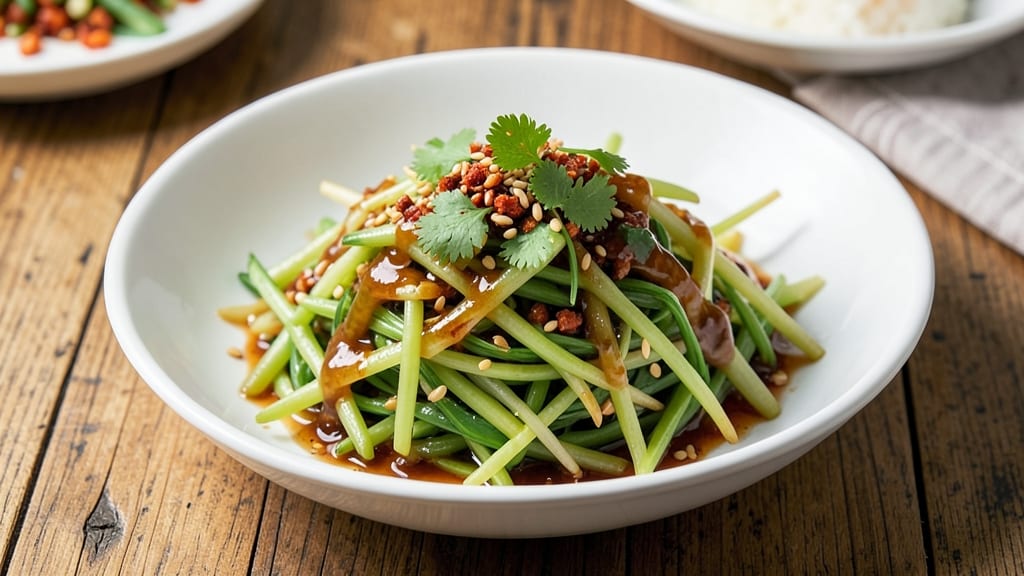
This Korean-style bean sprout recipe transforms simple ingredients into a crisp-tender side dish that balances umami, garlic, and sesame notes perfectly. The secret lies in high-heat sautéing—just 3 minutes—to develop that signature wok-fried texture while keeping the sprouts bright and vibrant.
I've perfected this technique over years of Korean home cooking, and it never fails to impress. The magic happens in the seasoning: a garlic-soy glaze with a touch of gochugaru (Korean chili flakes) creates depth without overpowering.
Sesame oil adds nutty richness, while a splash of rice vinegar brightens the finish. This dish pairs beautifully with rice bowls, grilled meats, or as a standalone snack—restaurant-quality in under 15 minutes.
What you'll love is the textural contrast: crispy edges on the sprouts, tender centers, and a sticky-sauce coating that clings to every bite. The aroma alone—garlic, toasted sesame, and a hint of spice—will have everyone at the table asking for seconds.
It's the kind of dish that elevates simple meals into something special. For extra protein, stir in cubed tofu or shrimp at the end, or keep it vegetarian for a light yet satisfying side. The recipe scales effortlessly, making it perfect for meal prep or last-minute dinners. Let's get cooking!
Ingredients for bean sprout recipe korean style
Fresh mung bean sprouts and aromatic garlic form the crisp-tender base of this restaurant-quality Korean side dish.
| Ingredient | Amount | Notes |
|---|---|---|
| Mung Bean Sprouts 🌱 | 4 cups | Fresh, rinsed thoroughly |
| Minced Garlic 🧄 | 4 cloves | Freshly minced for strong aroma |
| Gochugaru (Korean Chili Flakes) 🌶️ | 1 tbsp | Adjust for spice preference |
| Light Soy Sauce 🥄 | 2 tbsp | Kikkoman preferred |
| Sesame Oil 🌰 | 1 tbsp | Toasted sesame preferred |
| Rice Vinegar 🍶 | 1 tbsp | Seasoned preferred |
| Neutral Oil (e.g., Vegetable or Canola) 🫒 | 2 tbsp | High smoke point |
| Toasted Sesame Seeds 🌰 | 1 tbsp | For garnish |
| Green Onion 🧅 | 2 whole | Thinly sliced, for garnish |
| Salt 🧂 | ½ tsp | Diamond Crystal preferred |
| White Pepper 🌶️ | ¼ tsp | Freshly ground |
| Optional Cubed Tofu 🍱 | ½ lb | Firm tofu, pressed |
The quality of your bean sprouts makes all the difference here. Look for vibrant, bright green sprouts with no yellowing at the Korean grocery store or Asian market—H Mart or 99 Ranch carry excellent options. If using tofu, firm or extra-firm holds up best to high-heat cooking. The gochugaru should be a deep, rich red—not dusty or faded. For the garlic, Korean garlic has a milder, sweeter flavor, but regular garlic works perfectly fine. Store your gochugaru in an airtight container away from light to preserve its vibrant color and potency.
No sesame oil? Toasted peanut oil works in a pinch, though it lacks the nutty depth. Substitute rice vinegar with a mix of apple cider vinegar and a pinch of sugar for brightness. For spice control, reduce gochugaru to 1/2 tbsp if sensitive to heat. The tofu can be omitted entirely or replaced with shrimp or scallops if desired. If your soy sauce is dark, reduce by half a teaspoon to maintain the dish's light, crisp character. The green onions should be thinly sliced on the bias for maximum visual appeal—a sharp knife makes this quick work.
Prep the sprouts immediately before cooking to maintain their crisp texture. Store unused gochugaru in the freezer for up to 6 months to prevent moisture loss. The sesame seeds keep indefinitely in a cool, dark place, while rice vinegar lasts 1 year unopened. For meal prep, cook the sprouts and sauce separately, then toss together just before serving to preserve that signature crunch. The dish reheats beautifully in a dry skillet over medium heat—2 minutes max—but loses some of its crispness.
Why You'll Love This Recipe
- No-Chop Necessary: I just toss in pre-washed mung bean sprouts—no chopping, no fuss. The garlic gets minced in seconds, and the gochugaru adds that signature kick without any extra work.
- Umami Bomb: That combo of light soy sauce and sesame oil? It’s like a flavor explosion in your mouth. The garlic and chili flakes make every bite taste fresh yet bold—no heavy ingredients needed.
- Meal Prep MVP: I make a big batch on Sundays and keep it in the fridge for days. It’s perfect for quick lunches, side dishes, or even a cold salad when I’m too tired to cook.
- Budget-Friendly Crunch: Mung bean sprouts are cheap, and this recipe stretches easily. Honestly, it’s one of my go-to dishes when I’m watching my wallet but still want something delicious.
Step-by-step instructions for Korean-style garlic soy glazed sprouts
Master this crisp-tender technique for perfectly balanced flavor and texture every time.
Blanch the Sprouts for Crisp-Tenderness
Fill a large pot with water and bring to a rolling boil. Add the 4 cups Mung Bean Sprouts and blanch for exactly 30 seconds—this brief cook removes excess moisture while preserving their vibrant green color. Immediately drain in a colander and rinse under cold water to stop the cooking process. The sprouts should be bright green and just slightly softened, not mushy.
Transfer the blanched sprouts to a clean kitchen towel and gently squeeze out all excess water. This step is crucial—any remaining moisture will prevent proper crisping in the stir-fry. I like to work in batches if needed, ensuring each portion gets thorough drying before moving to the next step.
Build the Garlic Soy Glaze
In a small bowl, whisk together the 2 tablespoons Light Soy Sauce, 1 tablespoon Rice Vinegar, 1 tablespoon Sesame Oil, 1 tablespoon Gochugaru (Korean Chili Flakes), 0.5 teaspoon Salt, and 0.25 teaspoon White Pepper. The mixture should be smooth and well combined, with the chili flakes evenly distributed. Set this aside while you prepare the remaining ingredients.
This glaze forms the flavor foundation of the dish. The combination of umami from soy sauce, brightness from rice vinegar, and subtle heat from gochugaru creates complex flavor that clings beautifully to the sprouts. Taste the mixture now—it should be balanced with a noticeable but not overwhelming spice kick.
Stir-Fry with High Heat Technique
Heat a large wok or skillet over high heat until it's smoking hot. Add the 2 tablespoons Neutral Oil and swirl to coat the surface. Add the 4 cloves Minced Garlic and stir for 10-15 seconds until fragrant but not browned—garlic burns quickly at this heat level. Immediately add the dried sprouts and toss vigorously for 2-3 minutes until they develop a golden sheen.
The key here is maintaining high heat while constantly stirring. You want the sprouts to develop a crisp texture while absorbing the garlic flavor. If you notice the garlic starting to brown too quickly, reduce heat slightly but keep it at medium-high to prevent steaming the sprouts. The garlic should infuse its aroma without becoming bitter.
Finish with Glaze and Garnish
Pour the prepared glaze over the hot sprouts and toss everything together for 1-2 minutes until the sprouts are evenly coated and the glaze has reduced slightly. The mixture should look glossy with visible chili flakes clinging to the sprouts. If using the 0.5 lb Optional Cubed Tofu, add it now and stir for an additional 1 minute to heat through.
Remove from heat and immediately sprinkle with 1 tablespoon Toasted Sesame Seeds and 2 whole Green Onion (thinly sliced). The tofu, if included, should be warm but not crispy—it acts as a neutral base that absorbs the flavorful glaze. Serve immediately while the sprouts are still crisp-tender and the glaze is glistening.
Serve with Proper Texture
Transfer the finished sprouts to a serving platter and immediately garnish with additional sesame seeds and green onion if desired. The dish should be served while still hot, with the sprouts maintaining their vibrant green color and crisp texture. Each bite should deliver a perfect balance of garlic aroma, soy umami, subtle vinegar brightness, and just enough heat from the gochugaru.
For best results, serve as a side dish with grilled meats or fried rice, where the contrasting textures and flavors complement the main components. The sprouts should hold their shape when served, with just enough bite to provide texture contrast to softer dishes. This technique ensures you'll achieve restaurant-quality results at home every time.
Pro Tips For Making Bean Sprout Recipe Korean Style
- Rinse Sprouts Twice: Cold water only—no soap, no vinegar. First rinse removes dirt, second rinse drains excess moisture so they don’t turn mushy when stir-frying. I learned this the hard way after a batch turned into a soggy mess.
- Toast Garlic First: Hit minced garlic with a splash of sesame oil in the pan for 30 seconds before adding sprouts. The color deepens, and it prevents that raw garlic bite from overpowering the dish—especially important if you’re using store-bought minced garlic (which often tastes dull).
- Add Chili Gradually: Start with half the gochugaru, taste, then adjust. Too much upfront can make the dish bitter, and you can’t easily fix it later. Koreans balance heat with sweetness—if it’s too sharp, toss in a teaspoon of sugar or a splash of rice vinegar at the end.
- Finish with Oil: Drizzle sesame oil after removing from heat and tossing. This locks in flavor and prevents the chili’s heat from fading too fast. (Yes, even if you’re impatient like me—give it 30 seconds to settle.)
Regional styles of bean sprout recipe korean style
Korean BBQ Style
This version transforms your bean sprouts into a smoky, slightly sweet side that pairs perfectly with Korean BBQ meats. After blanching the sprouts, toss them with 1 tbsp gochujang (Korean chili paste) instead of gochugaru, 1 tbsp honey, and 1 tbsp toasted sesame oil while stir-frying.
The gochujang adds deep, fermented umami that complements grilled pork or beef beautifully. Finish with 1 tsp toasted sesame seeds and 1 tbsp chopped scallions for a restaurant-style touch. 🔥
Jeonju-Style Fermented
For a Jeonju-inspired twist, use 1 tbsp doenjang (fermented soybean paste) in place of soy sauce and add ½ cup finely chopped kimchi during the final stir-fry. The tangy, funky flavors of doenjang and kimchi create a complex depth that works wonderfully as a banchan (side dish).
Garnish with 1 tbsp toasted sesame seeds and 1 tsp toasted perilla seeds for an authentic Jeonju touch. This version is especially popular in traditional Korean meals.
Spicy Sesame Stir-Fry
Elevate your dish with a sesame-forward profile by increasing the sesame oil to 2 tbsp and adding 1 tbsp toasted sesame paste to the glaze. Use 1½ tbsp gochugaru for heat and finish with an extra 1 tbsp sesame seeds.
The nutty, toasty flavors dominate, creating a dish that stands alone or pairs with rice. For extra crunch, add ¼ cup crushed roasted peanuts at the end. This version is a crowd-pleaser at Korean potlucks. ✨
Vegetarian Power Bowl Base
Transform these sprouts into a hearty vegetarian bowl base by adding ½ cup cooked brown rice and ¼ cup sliced shiitake mushrooms to the stir-fry. Top with 2 tbsp chopped cilantro, 1 tbsp toasted sesame seeds, and a drizzle of 1 tsp sesame oil.
The sprouts' crisp texture contrasts perfectly with the chewy mushrooms and soft rice. Serve with a side of miso soup or edamame for a complete meal. This version is perfect for veggie-packed lunches.
Kimchi-Inspired Twist
For a kimchi-inspired variation, add ¼ cup finely chopped kimchi during the final stir-fry along with 1 tsp gochugaru and 1 tsp toasted sesame seeds. The kimchi's tangy, spicy notes blend beautifully with the garlic and soy, creating a dish that's both familiar and exciting.
Garnish with an extra 1 tbsp chopped green onion for brightness. This version is ideal for kimchi lovers who want a side dish with a similar flavor profile. 🌶️
Nutrition facts
Frequently asked questions
Can I use regular green onions instead of Korean green onions?
Regular green onions work perfectly fine. The mild onion flavor complements the garlic and soy beautifully. For the best presentation, slice them thinly on the bias (at a diagonal angle) to create longer, more elegant pieces. This also helps distribute the flavor more evenly throughout the dish.
Why do my bean sprouts turn mushy instead of crispy?
Overcooking or excess moisture are the most common culprits. First, ensure you blanch the sprouts for exactly 30 seconds and rinse with cold water immediately. Second, squeeze out all moisture with a clean kitchen towel before stir-frying. Finally, maintain high heat during cooking—2-3 minutes max—and avoid overcrowding the pan.
Can I make this recipe without sesame oil?
Yes, but the flavor will be less authentic. Substitute with 1 tablespoon toasted peanut oil or 1 teaspoon toasted sesame paste mixed into the glaze. For a completely oil-free version, reduce the neutral oil by 1 tablespoon and add 1 extra tablespoon of rice vinegar to maintain moisture. The dish will still be delicious but lose some nutty depth.
How long can I store leftovers?
Store leftovers in an airtight container in the refrigerator for up to 3 days. The texture will soften over time, but the flavors remain delicious. To revive crispness, reheat in a dry skillet over medium-high heat for 2-3 minutes, stirring constantly. For best quality, consume within 2 days—the sprouts lose their ideal texture after that.
What's the best way to adjust the spice level?
Start by reducing the gochugaru to ½ teaspoon for mild heat, or omit it entirely for no spice. For extra heat, increase to 1½ tablespoons and add ½ teaspoon gochujang** (Korean chili paste) to the glaze. Remember that gochugaru is milder than cayenne—it adds color and subtle warmth rather than intense heat.