
Side Dishes
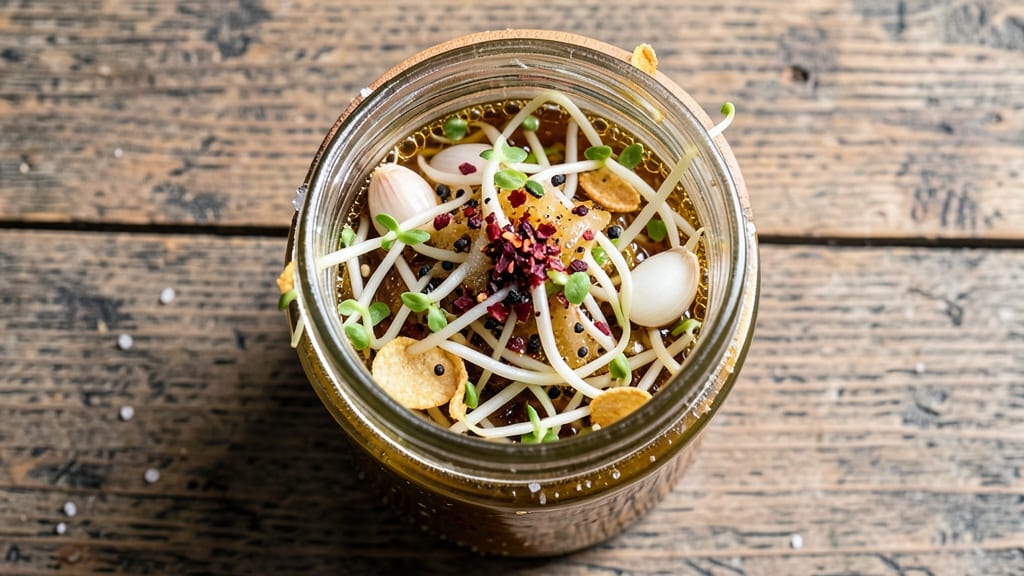
This bean sprout pickle recipe transforms simple mung bean sprouts into a crunchy, tangy side dish that keeps for weeks in your fridge. The process combines traditional fermenting techniques with bold flavors—garlicky, spicy, and just slightly sweet—that make these pickles irresistible as a snack or meal accompaniment.
I’ve perfected this method after years of experimenting with fermented vegetables, and the results are always restaurant-quality at home.
The key to success lies in the brine and seasoning blend, which preserves the sprouts while infusing them with deep, complex flavors. You’ll use a mix of rice vinegar, salt, and spices like red chili flakes and mustard seeds, creating a balance that’s both vibrant and satisfying.
Unlike quick pickles, this recipe develops richer taste over time, making it ideal for meal prep or gifting.
Once fermented, the bean sprouts become crispy yet tender, with a tangy bite that pairs perfectly with rice, noodles, or grilled meats. The process is simple but requires patience—just 10 minutes of prep followed by a 3-7 day fermentation period.
Storage is effortless; these pickles stay fresh for up to a month in the refrigerator, ready to elevate any dish with a single spoonful.
For extra depth, try adding minced ginger or a splash of soy sauce to the brine. This recipe works as a standalone snack or a vibrant side, proving that fermented vegetables can be both nutritious and delicious. Let’s get started!
Ingredients for bean sprout pickle
Transform fresh mung bean sprouts into restaurant-quality pickles with this precise vegan brine blend.
| Ingredient | Amount | Notes |
|---|---|---|
| Mung Bean Sprouts 🌱 | 2 cups | Fresh, organic preferred |
| White Rice Vinegar 🍶 | ½ cup | Unseasoned, 5% acidity |
| Diamond Crystal Kosher Salt 🧂 | ¼ cup | Fine grain preferred |
| Red Chili Flakes 🌶️ | 1 tbsp | Adjust for heat preference |
| Mustard Seeds 🌿 | 1 ½ tsp | Whole, yellow preferred |
| Garlic Cloves 🧄 | 6 cloves | Minced, fresh preferred |
| Fresh Ginger 🌿 | 1 tbsp | Minced, optional for depth |
| Soy Sauce 🍶 | 1 tbsp | Coconut aminos for gluten-free |
| Granulated Sugar 🍚 | 1 tbsp | Light brown sugar for caramel notes |
| Sesame Oil 🫒 | 1 tsp | Toasted, for aroma |
| Toasted Sesame Seeds 🌰 | 1 tsp | For garnish, optional |
| Distilled Water 💧 | 1 ½ cups | Filtered preferred |
The mung bean sprouts form the canvas for this recipe—organic sprouts from a reputable supplier like Sprouts Farmers Market yield the best texture. Look for vibrant green sprouts with no yellowing, as these indicate freshness and optimal fermentation. The Diamond Crystal kosher salt is crucial; its fine grain dissolves evenly, ensuring proper preservation without overpowering the delicate sprouts. For the vinegar, Miyoko's brand offers superior clarity and acidity, though any unseasoned rice vinegar will suffice. Mustard seeds should be toasted lightly in a dry pan before using to enhance their nutty aroma—Penzeys Spices carries pre-toasted seeds if you prefer convenience.
No fresh ginger? Dried ginger powder at half the amount works in a pinch, though the flavor will be subtler. Substituting red chili flakes for cayenne pepper requires caution—start with half the quantity and adjust to taste, as cayenne packs more heat. For a gluten-free option, coconut aminos mirror soy sauce’s umami depth without the gluten content. The sesame oil should be toasted, not the refined variety—Kadoya brand is widely available and delivers that signature nutty aroma. If you're short on time, pre-minced garlic from a jar works, though freshly minced garlic adds an unmatched depth of flavor that elevates the entire pickle.
Store the fermenting sprouts in a clean, airtight glass jar submerged in their brine, leaving about an inch of headspace. Keep them at room temperature for the first 3 days, then refrigerate to slow fermentation and preserve crispness. These pickles reach peak flavor after 7 days but remain edible for up to 4 weeks in the refrigerator. For longer storage, transfer to a sterile glass jar and submerge completely under the brine. The pickles develop deeper flavor over time—wait at least 5 days before tasting if possible. Garnish with toasted sesame seeds just before serving to add crunch and visual appeal.
Why You'll Love This Recipe
- I swear by this trick: just rinse the sprouts, no cutting required. The vinegar and salt do all the work—no knife skills needed, just toss and wait.
- No-Chop Needed: I swear by this trick: just rinse the sprouts, no cutting required. The vinegar and salt do all the work—no knife skills needed, just toss and wait.
- Tangy Kick: That balance of salty, spicy, and vinegary? It’s like a party in your mouth. The mustard seeds add a tiny crunch, and the chili flakes? They linger just enough to make every bite satisfying.
- Meal Prep MVP: Honestly, I make a big batch on Sundays and keep it in the fridge. It lasts a week, pairs with anything—rice, noodles, even sandwiches—and saves me from last-minute takeout.
Step-by-step instructions for crispy tangy bean sprout pickles
Master this preservation method for vibrant, crunchy pickles that stay fresh for weeks.
Prepare the Sprouts and Brine Solution
Rinse the 2 cups mung bean sprouts thoroughly under cold water to remove any dirt, then drain completely in a colander. Pat them dry gently with paper towels—this step is crucial for preventing a watery brine later. In a separate bowl, combine the 1.5 cups distilled water with the 0.25 cup Diamond Crystal kosher salt and stir until fully dissolved. The salt should completely disintegrate, creating a clear brine solution.
Taste the brine—it should be noticeably salty but not overly harsh. If you're using organic sprouts, they may require slightly more salt to preserve properly. This brine will draw out moisture from the sprouts while infusing them with flavor, so precision matters here. Let the brine sit for 5 minutes while you prepare the remaining ingredients.
Build the Flavor Base
In a small saucepan, gently heat the 0.5 cup white rice vinegar over medium-low heat until it just begins to shimmer—about 2-3 minutes. Remove from heat and stir in the 1 tbsp granulated sugar until fully dissolved. The vinegar should become slightly syrupy as the sugar melts. Add the 1 tbsp soy sauce, 1 tbsp minced fresh ginger, and 6 cloves minced garlic cloves, stirring constantly for 1 minute to meld the aromatics.
Reduce heat to low and let the mixture simmer for 3-4 minutes until it thickens slightly. This step develops the complex flavor profile—you'll notice the ginger and garlic infusing the vinegar with warmth and depth. Remove from heat and stir in the 1 tbsp red chili flakes and 1.5 tsp mustard seeds, reserving a pinch of chili flakes for garnish if desired. The mixture should be vibrant red with visible flecks of mustard seeds.
Combine and Preserve the Sprouts
Transfer the drained sprouts to a large, clean glass jar with a tight-sealing lid. Pour the warm vinegar mixture over the sprouts, ensuring they're completely submerged. The liquid level should be at least ½ inch above the sprouts—this prevents mold growth during storage. Add the prepared brine solution, again ensuring full submersion. The jar should be about ¾ full at this point.
Seal the jar tightly and give it a gentle shake to distribute the flavors evenly. Let the jar sit at room temperature for 24 hours, shaking occasionally. This initial resting period allows the flavors to penetrate the sprouts thoroughly. After 24 hours, refrigerate the jar. The pickles will develop their full crunch and tanginess over 3-5 days, with the flavor profile deepening the longer they sit.
Finish and Store Properly
Before final storage, carefully skim off any foam or scum that may have formed on the surface of the liquid. This ensures your pickles remain crisp and clean-tasting. Drizzle 1 tsp sesame oil over the top and sprinkle with 1 tsp toasted sesame seeds for added texture and aroma. Seal the jar one final time and store it in the refrigerator.
These pickles will maintain their crisp texture and vibrant flavor for up to 4 weeks when properly stored. The acidity from the vinegar and salt creates an ideal preservation environment, while the aromatics keep the flavor profile dynamic. For best results, use a clean spoon each time you serve to prevent contamination. The pickles will be at their peak after 5-7 days of refrigeration, offering a perfect balance of tangy, spicy, and umami flavors.
Pro Tips For Making Bean Sprout Pickle
- Rinse Sprouts Thoroughly: I learned this the hard way—those tiny sprouts hide dirt in their crevices, and if you skip rinsing, your pickle will taste gritty no matter how much vinegar you add. Give them a good swirl in cold water, then drain and pat very dry with a kitchen towel before mixing. Wet sprouts just won’t crisp up right.
- Use Warm Vinegar: Cold vinegar makes for a sad, watery pickle. Heat your white rice vinegar to just warm (about 100°F)—enough to steam slightly when poured over the sprouts. This helps the salt dissolve faster and the chili flakes bloom properly. Trust me, the texture stays bright and the flavor sticks.
- Toast Mustard Seeds First: Skip this, and your mustard seeds will just sit there like dull pebbles. Dry-toast them in a small pan over medium heat for 30 seconds until they sizzle and smell nutty—then toss them into the vinegar while it’s still warm. That’s when they release their real punch. (Yes, even if you’re impatient like me.)
- Let It Marinate 2 Hours: I know, you want it now. But rushing this step means the sprouts stay limp and the salt doesn’t penetrate. Give it a solid 2 hours in the fridge—minimum. The longer you wait, the crunchier they get, and the chili flakes soften just enough to coat everything evenly. (Your future self will thank you.)
Best sauces and condiments for these flavors
Vinegar-Based Sauces
Start with a simple rice vinegar sauce by mixing ¼ cup white rice vinegar with 1 tbsp soy sauce, 1 tsp sesame oil, and a pinch of red chili flakes. Drizzle this over your pickles just before serving to enhance their natural tanginess.
For extra depth, add 1 tsp minced garlic and ½ tsp grated ginger to the sauce. This pairing amplifies the umami notes in the pickles while keeping the flavors bright and refreshing. 🍶
Spicy Garlic Aioli
Create a bold contrast with a spicy garlic aioli by blending ½ cup mayonnaise with 2 tbsp minced garlic, 1 tbsp sriracha, and 1 tsp lemon juice.
The creamy texture of the aioli balances the crunchy texture of the pickles, while the heat from the sriracha complements the chili flakes in the brine. Serve this dip alongside the pickles for a flavor-packed bite that’s perfect with grilled meats or fresh bread. 🌶️
Sweet Chili Glaze
For a sweet and tangy twist, make a sweet chili glaze by simmering ¼ cup rice vinegar, 2 tbsp honey, and 1 tbsp soy sauce with 1 tsp red chili flakes for 3-4 minutes.
Brush this glaze lightly over the pickles before serving to add a caramelized sweetness that contrasts beautifully with their spicy and salty flavors. This glaze also works as a dipping sauce for spring rolls or dumplings. 🍯
Sesame-Ginger Dressing
Whisk together 3 tbsp toasted sesame oil, 2 tbsp rice vinegar, 1 tbsp soy sauce, 1 tbsp minced fresh ginger, and 1 tsp honey to create a nutty, aromatic dressing.
Toss your pickles in this mixture just before eating to infuse them with an extra layer of warmth and depth. This dressing also pairs wonderfully with steamed vegetables or noodle dishes, adding a cohesive flavor bridge. 🌿
Yogurt-Based Raita
For a cooling contrast, blend ½ cup plain yogurt with 1 tbsp minced cucumber, 1 tsp lemon juice, ½ tsp cumin seeds, and a pinch of salt. The creamy, tangy raita cuts through the heat of the pickles while adding a refreshing texture.
Serve this alongside your pickles as a dip or a topping for bowls of rice or grain dishes. This pairing is especially refreshing during warm weather. ❄️
Nutrition facts
Frequently asked questions
Can I use other types of bean sprouts for this recipe?
Mung bean sprouts are ideal, but you can substitute with soybean sprouts or alfalfa sprouts if needed. Just note that alfalfa sprouts are more delicate and may become mushy faster during fermentation. For best texture, stick with mung bean sprouts—they hold up perfectly to the tangy brine.
How do I know when the pickles are fully fermented?
Your pickles will be ready when they develop a bright tangy flavor and maintain a crisp texture after 5-7 days in the fridge. The liquid should also turn cloudy with slight effervescence. Taste them at 3 days—if they're too mild, wait another 2 days for full flavor development.
What should I do if mold appears on my pickles?
If you see mold, discard the entire batch immediately—mold can release toxins even if you remove the affected areas. To prevent this, always use clean equipment, ensure sprouts are fully submerged in brine, and store in a cool (50-60°F) environment during the first 3 days of fermentation.
Can I make this recipe without vinegar?
Yes! For a lacto-fermentation version, replace the vinegar with 2 tbsp whey or 1 tbsp lemon juice per cup of brine. This creates a milder, probiotic-rich pickle that develops over 10-14 days. The texture will be softer but still flavorful—great for those who prefer less acidity.
How can I make these pickles spicier?
Double the red chili flakes to 2 tbsp and add ½ tsp cayenne pepper to the brine. For extra heat, include 1 sliced fresh chili pepper (like jalapeño) in the jar. Let them ferment 5 days before tasting—the heat will develop more intensely over time.