
Sauces & Condiments
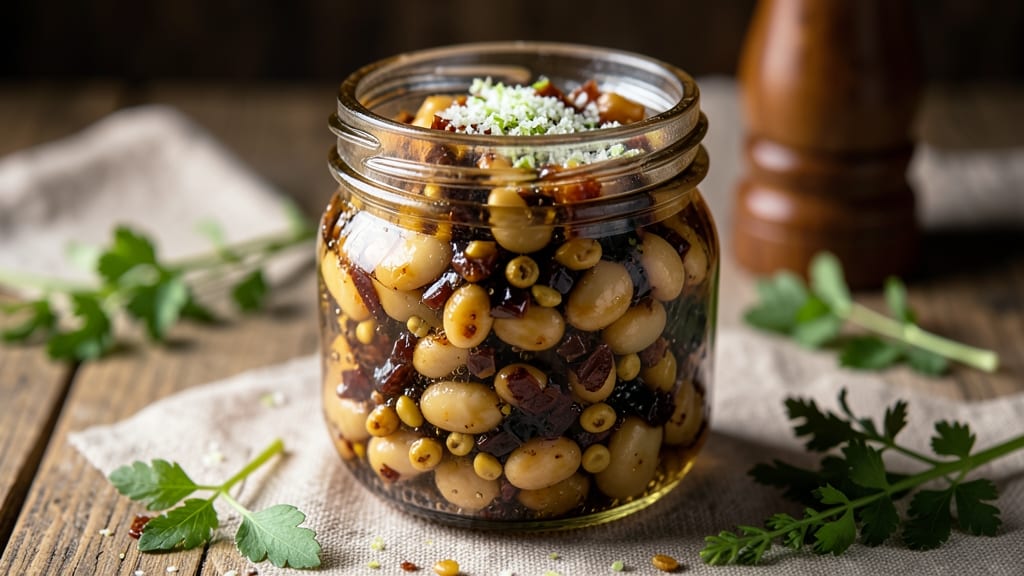
This bean relish recipe transforms humble canned beans into a vibrant, tangy-sweet condiment that elevates sandwiches, chips, and snacks. The secret lies in balancing vinegar’s sharpness with sugar’s caramelization, while mustard seeds and celery salt add depth that makes every bite unforgettable.
I developed this version after craving a relish that’s bold enough to stand up to bold flavors—no bland aftertaste here.
The process is straightforward but precise: simmering beans with vinegar and spices until thickened creates a texture that’s neither too runny nor too stiff. A touch of molasses deepens the flavor, while a final splash of vinegar brightens everything.
The result? A relish that’s tangy, slightly sweet, and packed with texture—perfect for spreading, dipping, or mixing into dishes where you want a punch of flavor without overwhelming the main event.
What makes this recipe truly versatile is its adaptability. Use it as a sandwich spread with sharp cheddar and pickles, as a dip for potato chips or veggie sticks, or even stirred into soups and stews for extra depth.
The relish keeps well in the refrigerator for up to two weeks, making it ideal for meal prep or gifting. For long-term storage, canning is an option, though refrigeration preserves the freshest taste.
This bean relish isn’t just a condiment—it’s a flavor booster that turns simple meals into something special. Whether you’re prepping for a picnic, stocking your snack drawer, or looking to add a homemade touch to your favorite dishes, this recipe delivers consistent, restaurant-quality results every time. Let’s get started!
Ingredients for bean relish
Nine simple ingredients transform canned beans into a bold, tangy relish perfect for sandwiches and snacks.
| Ingredient | Amount | Notes |
|---|---|---|
| Canned White Beans 🌱 | 2 cups | Drained and rinsed thoroughly |
| Apple Cider Vinegar 🍎 | ½ cup | White vinegar works too |
| Dark Brown Sugar 🍚 | ¼ cup | Packed lightly for sweetness |
| Molasses 🍯 | 2 tbsp | Unsulphured preferred |
| Yellow Mustard Seeds 🌶️ | 1 tsp | Toasted for extra flavor |
| Celery Salt 🧂 | 1 ½ tsp | Diamond Crystal preferred |
| Ground Black Pepper 🌶️ | ½ tsp | Freshly cracked preferred |
| Onion Powder 🧅 | 1 tsp | Freshly ground preferred |
| Garlic Powder 🧄 | ½ tsp | Not garlic salt |
| Extra-Virgin Olive Oil 🫒 | 1 tbsp | For richness and texture |
The beans are the base, but don't grab the cheapest can—Great Value or Libby's are solid choices. White beans hold their shape better than pinto or kidney, which is key for that perfect relish texture. If you're using dried beans, soak them overnight and cook until tender. The vinegar is non-negotiable for that signature tang, but apple cider vinegar adds a subtle fruitiness that makes this relish stand out. I always grab the Bragg brand when I need something special, but regular white vinegar works in a pinch.
No mustard seeds? Dijon mustard at half the amount gives you a similar kick. Short on molasses? Maple syrup or agave nectar work too, though molasses gives that deep, caramel-like flavor. The celery salt is what makes this relish truly special—Diamond Crystal has a cleaner taste than Morton's, but either works. Want more heat? Add a pinch of cayenne. The spices should be toasted lightly in a dry pan before adding to bring out their flavors—just 30 seconds over medium heat. If you're prepping ahead, toast them the day before and store in an airtight container.
This relish keeps for 2 weeks in the fridge in an airtight jar, but honestly, it won't last that long. I always make a double batch—one for immediate use and one to gift. For long-term storage, transfer to sterilized jars and process in a water bath for 15 minutes for canning. The texture thickens as it cools, so don't worry if it looks a bit loose right after cooking. The flavors deepen overnight, so making it a day ahead is ideal. If it gets too thick, stir in a splash of vinegar or water to loosen it up.
Why You'll Love This Recipe
- Pantry-to-Pot Magic: I swear by this recipe when I forget to grocery shop—just open a can, dump it in, and stir. No chopping, no fuss, and honestly? The molasses and vinegar do all the heavy lifting for you.
- Sweet-Tangy Kick: That molasses and apple cider vinegar combo? It’s like a hug for your taste buds—rich, slightly sharp, and just sweet enough to make you reach for another spoonful. The mustard seeds add a tiny crunch that keeps it interesting.
- BBQ’s Best Friend: Slather this on burgers, drizzle it over grilled chicken, or toss it into tacos—it’s my go-to for adding depth without extra work. Even my picky teens ask for it now, and that’s saying something.
- Budget Stretch: A single can of beans and a few pantry staples feed four people for less than $3. I make a double batch on Sundays, and it lasts me all week—perfect for when I’m broke but still want to feel fancy.
Step-by-step instructions for bean relish
This bold spice blend comes together in minutes—perfect for sandwiches, snacks, or as a side.
Toast the Mustard Seeds for Depth
Heat a small dry skillet over medium heat. Add the 1 teaspoon yellow mustard seeds and toast them for 2-3 minutes, stirring constantly, until they turn a deep golden brown and begin to pop. This step unlocks their nutty, slightly bitter flavor—don't skip it or your relish will taste flat.
Watch closely after 1 minute—they burn quickly. As soon as they're fragrant and toasted, transfer them immediately to a small bowl to cool. The seeds will harden slightly as they cool, which prevents them from dissolving into the relish and creating a grainy texture.
Combine Wet Ingredients for Sweet-Tangy Base
In a medium saucepan, whisk together the 2 cups drained white beans, 0.5 cup apple cider vinegar, 0.25 cup dark brown sugar, 2 tablespoons molasses, 1 tablespoon extra-virgin olive oil, 1.5 teaspoons celery salt, 0.5 teaspoon ground black pepper, 1 teaspoon onion powder, and 0.5 teaspoon garlic powder. The vinegar and molasses will create a tangy-sweet aroma right away—this is your flavor foundation.
Place the saucepan over medium-low heat and bring the mixture to a gentle simmer. Stir occasionally for 5-7 minutes until the sugar dissolves completely and the mixture thickens slightly. You want it to coat the back of a spoon but still be pourable—this ensures the relish clings to sandwiches without being gluey.
Incorporate Toasted Seeds and Adjust Texture
Remove the saucepan from heat and stir in the cooled toasted mustard seeds. Let the relish sit for 5 minutes to allow the flavors to meld. Taste and adjust seasoning if needed—add a pinch more celery salt for depth or a splash of vinegar if it needs more tang.
If the relish is too thick, thin it with 1-2 tablespoons water at a time until it reaches a spreadable consistency. For a smoother texture, mash the beans slightly with a potato masher or fork. The relish should be thick enough to hold its shape when spread but still easy to drizzle over hot dogs or slather on sandwiches.
Cool and Store for Maximum Flavor
Transfer the relish to a clean glass jar or airtight container. Let it cool completely at room temperature—this allows the flavors to develop and the spices to infuse fully. The relish will thicken as it cools, so don't rush this step. Once cooled, refrigerate for at least 1 hour before serving.
This relish keeps well in the refrigerator for up to 2 weeks, making it perfect for meal prep. The flavors actually improve over time as the spices meld with the sweet-tangy base. For best results, bring it to room temperature before serving to enjoy its full complexity.
Pro Tips For Making Bean Relish
- DRAIN AND RINSE BEANS: Dump those canned beans straight into the pot without draining first—you’ll trap too much starch and end up with a gluey mess. Rinse them under cold water to wash away excess sodium and any gummy residue clinging to the beans, then pat them dry with a towel. (Yes, it’s extra work, but your relish will thank you.)
- TOAST THE SEEDS: Don’t just toss those mustard seeds in raw—they’ll sit there like dull pebbles. Dry-toast them in a small pan over medium heat for 30 seconds until they smell nutty and aromatic. Immediately grind them in a mortar or spice grinder right before adding to the beans. (I learned this the hard way when my relish tasted bland.)
- SIMMER LOW AND SLOW: Cranking the heat to boil this relish is a fast track to a mushy, watery disaster. Keep it at a gentle simmer—tiny bubbles, occasional stir—so the beans soften without breaking apart. If it’s too thick too soon, add a splash of vinegar, not water. (Your future self will curse you if you skip this.)
- ACIDIFY BEFORE SWEETENING: Stir in the vinegar and molasses first, then add the brown sugar last. This lets the acid cut through the beans’ starch before the sugar has a chance to turn them syrupy. Taste as you go—you might need less sugar than you think. (I used to double the sugar, then wonder why my relish tasted one-note.)
Troubleshooting perfect results
Grainy Texture Fix
If your relish turns out too thick or grainy, it’s likely because the beans weren’t mashed enough or the mustard seeds weren’t cooled properly. To fix it, blend ½ cup of the relish with 1-2 tablespoons water in a food processor until smooth, then stir it back into the rest.
For extra smoothness, strain through a fine-mesh sieve if needed. 🌶️
Weak Flavor Profile
Did your relish taste bland? The issue might be under-toasted mustard seeds or insufficient simmering time. Next time, toast the seeds until they’re deeply golden and pop audibly, then let the relish simmer for an extra 2-3 minutes to concentrate flavors.
A splash of apple cider vinegar or an extra pinch of celery salt can also brighten it up.
Separation Issues
If the relish separates into liquid and solids, stir in 1 teaspoon cornstarch mixed with 1 tablespoon cold water while heating gently. This acts as a natural thickener to bind everything together. Avoid shaking the jar—gentle stirring is key to maintaining the texture.
Too Thin Consistency
When the relish is too runny, it’s usually because the beans weren’t cooked down enough. Simmer uncovered for another 5-7 minutes to reduce the liquid, stirring occasionally.
If it’s still too loose, mash the beans slightly with a fork or potato masher to release their starches, which will help thicken the mixture naturally.
Overpowering Vinegar
If the tanginess of the vinegar dominates, balance it by adding 1-2 teaspoons molasses or maple syrup to sweeten the flavor. Alternatively, stir in ½ teaspoon onion powder or garlic powder to add depth without sweetness. Always taste as you go—adjust gradually to avoid overcorrecting.
Spoilage or Off Smells
If your relish develops an off smell or mold, it’s likely due to improper storage. Always store in a clean, airtight jar in the fridge and use within 2 weeks. When canning, ensure jars are sterilized and sealed properly to prevent contamination. If in doubt, toss it—safety first! ⚡
Nutrition facts
Frequently asked questions
Can I use dried beans instead of canned for this relish?
Yes, but you'll need to cook them first! Soak 1 cup dried white beans overnight, then simmer until tender (1-1.5 hours). Drain well before using—dried beans yield more liquid, so reduce the vinegar to ¼ cup to maintain balance. The texture will be slightly chunkier but still delicious.
How do I adjust this recipe for a spicier relish?
Add ½ teaspoon cayenne pepper or 1 teaspoon hot sauce during simmering. For heat with depth, toast ½ teaspoon red pepper flakes with the mustard seeds. Start small—you can always add more later, but you can't remove excess spice once it's mixed in.
What's the best way to serve this relish?
This versatile condiment shines on hot dogs with mustard, sandwiches with sharp cheddar, or as a dip with potato chips or veggie sticks. Try it stirred into chili or baked beans for extra depth, or dolloped on grilled cheese sandwiches for a Southern-inspired twist.
Can I make this relish without molasses?
Replace the 2 tablespoons molasses with 1 tablespoon maple syrup or agave nectar for a similar sweetness. For a deeper flavor, use 1 tablespoon dark corn syrup. The relish will still be delicious—molasses just adds that signature caramel note that some people love or hate.
Why did my relish turn out too thick?
This usually happens when beans aren't mashed enough or the mixture isn't simmered long enough. To fix it, stir in 1-2 tablespoons water or apple cider vinegar while warm. For prevention, mash beans slightly with a fork before simmering, and cook uncovered to reduce liquid gradually.