
Soups & Stews
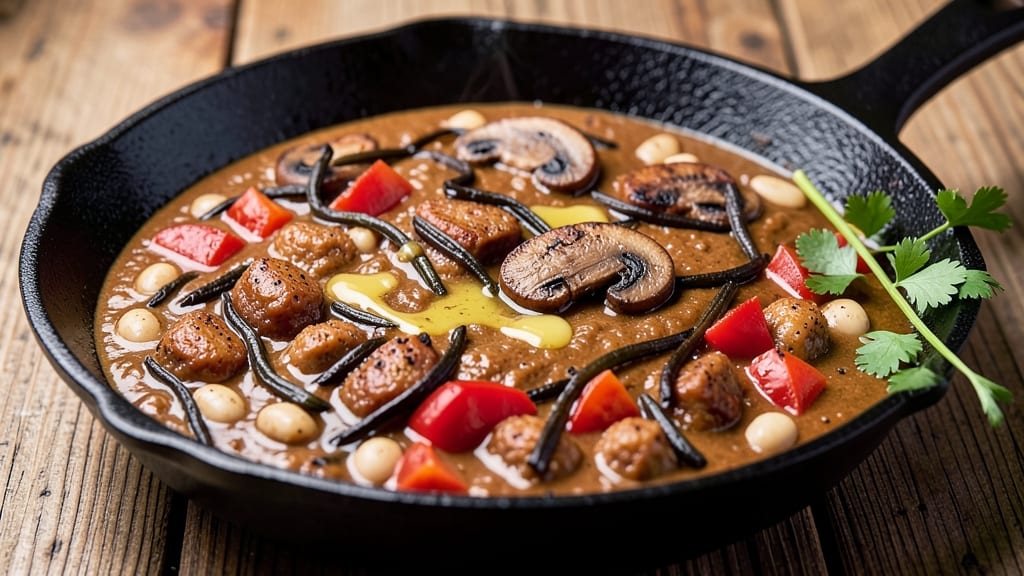
This vegetarian bean gumbo recipe transforms humble ingredients into a rich, smoky stew that honors Louisiana tradition without meat. The foundation begins with a deep, nutty roux—cooked low and slow until it reaches that perfect mahogany hue—before building layers of flavor with okra, beans, and aromatic vegetables.
What makes this version special is how the roux’s depth carries through the entire dish, creating a broth so flavorful it doesn’t need meat to satisfy.
The key to authentic gumbo lies in patience and technique: deglazing the pot with dark beer or broth to capture every browned bit, simmering beans until tender but still holding their shape, and balancing textures with crisp okra and hearty vegetables.
This method delivers a stew that’s thick enough to coat a spoon yet light enough to let each ingredient shine. The result is a vegetarian version that rivals its meaty counterparts in complexity and soul.
By the time you’re done, you’ll have a pot of gumbo that smells like a New Orleans kitchen—smoky, earthy, and deeply comforting. The beans absorb the roux’s richness while the okra adds a subtle, velvety texture that rounds out the dish.
Serve it over rice with hot cornbread to soak up every last drop of that flavorful broth.
Perfect for chilly evenings or gathering friends, this gumbo proves vegetarian cooking can be just as robust and satisfying as the original. The recipe scales easily, so you can make enough for leftovers—or plan to be asked for seconds. Let’s get cooking!
Ingredients for bean gumbo
Rich, smoky flavors start with a deep roux and humble pantry staples transformed into soulful vegetarian gumbo.
| Ingredient | Amount | Notes |
|---|---|---|
| Vegetable Oil 🫒 | ½ cup | For deep roux development |
| All-Purpose Flour 🌾 | 1 ½ cups | White or whole wheat |
| Dried Okra 🌿 | 1 cup | Rehydrated in warm water |
| Dark Beer 🍺 | 1 cup | Stout or porter preferred |
| Vegetable Broth 💧 | 4 cups | Low-sodium preferred |
| Cajun Seasoning 🌶️ | 2 tbsp | Homemade or store-bought |
| Smoked Paprika 🌶️ | 1 tbsp | For deep smoky flavor |
| Dried Thyme 🌿 | 1 tsp | Or 0.25 cup fresh |
| Garlic Cloves 🧄 | 4 cloves | Minced for depth |
| Yellow Onion 🧅 | 1 whole | Diced, medium size |
| Celery Stalks 🥬 | 3 whole | Diced, with leaves |
| Green Bell Pepper 🍅 | 1 whole | Diced, any color |
| Canned Kidney Beans 🌱 | 2 cups | Drained and rinsed |
| Canned Black-Eyed Peas 🌱 | 1 ½ cups | Drained and rinsed |
| Fresh Tomatoes 🍅 | 2 whole | Ripe, diced or crushed |
| Bay Leaves 🌿 | 2 whole | For aromatic depth |
| Salt 🧂 | 1 ½ tsp | Adjust to taste |
| Black Pepper 🌶️ | ½ tsp | Freshly ground |
| Long-Grain White Rice 🍚 | 2 cups | Uncooked, for serving |
The roux is non-negotiable here—it’s what gives gumbo its signature depth. Vegetable oil and all-purpose flour cooked low and slow until mahogany-colored (about 45 minutes) create the foundation. Don’t rush it; patience pays off. For the okra, dried works perfectly—rehydrate it in warm water for 10 minutes before adding. If you’re feeling fancy, grab fresh okra from the grocery store’s produce section (look for plump, firm pods), but dried is just as authentic. The dark beer adds smokiness—Guinness or a local stout work best, but any dark beer in a pinch. Vegetable broth should be low-sodium to control the final flavor balance.
No dark beer? Substitute with extra vegetable broth and a splash of soy sauce for umami depth. Cajun seasoning is key—if you’re making your own, toast the spices first for extra punch. The smoked paprika is what gives that signature gumbo flavor, so don’t skip it. For the kidney beans and black-eyed peas, stick with canned for convenience, but dried beans (soaked overnight) add even more texture. The fresh tomatoes should be ripe—heirloom or Roma hold up best in the slow simmer. If you’re short on time, fire-roasted canned tomatoes work too. The bay leaves might seem small, but they’re essential for that classic gumbo aroma.
This gumbo tastes even better the next day as flavors meld. Store leftovers in an airtight container in the fridge for up to 5 days, or freeze for 3 months. The roux can be made ahead and refrigerated for 3 days—just reheat gently before adding the rest. For serving, long-grain white rice is traditional, but brown rice or quinoa work too. Double the recipe—it’s that good, and leftovers make amazing lunches. The okra will soften further overnight, adding that signature gumbo texture.
Why You'll Love This Recipe
- Pantry Magic: I swear, this gumbo comes together with stuff I already have—no fancy shopping required. That dried okra? Just soak it in hot water for 10 minutes while you toast the flour in the oil. No chopping, no stress, just simmer and let the beer and broth work their magic.
- Okra’s Secret Thickener: Here’s what sold me—the okra makes this gumbo thick and luscious without lumps or gummy mess. You won’t believe how smooth it gets just from soaking and blending those pods into the roux. (Yes, even on a Tuesday night when I’m too tired to fuss.)
- Weeknight Crowd-Pleaser: This feeds six without breaking the bank, and the leftovers? Even better the next day. The beer mellows into deep, savory richness, while the broth keeps it light enough for lunch. My roommates fight over the last bowl—proof it’s not just good, it’s reliable.
- Budget-Friendly Soul Food: Between us, this recipe costs me about $10 for a full pot. The flour and broth stretch far, the okra adds body without price tags, and that dark beer? It’s the star that makes everything taste like a Sunday supper. Not the prettiest, but the taste makes up for it every time.
Step-by-step instructions for bean gumbo with deep-roasted okra
Mastering this gumbo starts with the roux—where rich flavors begin. Follow these precise steps to build layers of smoky depth and velvety texture.
Develop the Dark Roux for Maximum Flavor
Heat the 0.5 cup vegetable oil in a heavy-bottomed pot over medium-low heat. Gradually whisk in the 1.5 cups all-purpose flour, creating a smooth paste. Cook for 30-45 minutes, stirring constantly with a wooden spoon.
The roux will progress from peanut butter color to chocolate brown and finally to a deep mahogany hue—this is where the flavor develops. Watch carefully: if it burns, start over. The finished roux should be the consistency of wet sand and smell nutty and toasty. This foundational step carries the entire gumbo's depth of flavor.
Rehydrate and Sauté the Okra for Texture
While the roux cooks, cover the 1 cup dried okra with warm water and let it soak for 15 minutes to rehydrate. Drain and pat dry. In a separate skillet, heat 1 tablespoon vegetable oil over medium heat and sauté the okra for 5-7 minutes until golden brown.
Remove the okra and set aside—it will contribute a subtle crunch and thicken the gumbo naturally. The browning process develops its unique flavor profile, which becomes a signature element of this gumbo. Keep the skillet warm for the next step where we'll build the aromatic base.
Build the Aromatic Base with Holy Trinity Vegetables
In the same skillet used for the okra, add 1 tablespoon vegetable oil and sauté the diced yellow onion, diced celery stalks, and diced green bell pepper over medium heat for 8-10 minutes until softened. Add the minced garlic cloves and cook for 30 seconds until fragrant.
This classic "holy trinity" combination forms the flavor foundation of Cajun cuisine. The vegetables should be tender but not browned—this prevents bitterness. Immediately transfer the vegetable mixture to your gumbo pot with the roux, stirring constantly to incorporate. Add the 2 tbsp Cajun seasoning, 1 tbsp smoked paprika, and 1 tsp dried thyme, stirring well to distribute.
Deglaze and Simmer the Gumbo Base
Pour in the 1 cup dark beer, scraping up any browned bits from the bottom of the pot. Let it simmer for 3-4 minutes until mostly evaporated. Gradually whisk in the 4 cups vegetable broth, then add the 2 whole bay leaves, 2 whole fresh tomatoes, 2 cups drained kidney beans, and 1.5 cups drained black-eyed peas. Bring to a gentle boil, then reduce heat to low and let it simmer uncovered for 45-60 minutes.
During this time, the gumbo will thicken naturally as the okra releases its starches. Stir occasionally to prevent sticking. The gumbo should develop a rich, smoky aroma and deep mahogany color. Taste and adjust seasoning with 1.5 tsp salt and 0.5 tsp black pepper—this is where you can fine-tune the balance of flavors.
Prepare and Serve with Perfectly Cooked Rice
While the gumbo simmers, rinse the 2 cups long-grain white rice thoroughly under cold water. In a separate pot, bring 3 cups water to a boil, add the rice, reduce heat to low, cover, and cook for 15-18 minutes until tender. Fluff with a fork and keep warm.
Before serving, remove the 2 bay leaves from the gumbo. Ladle the gumbo over individual portions of rice, ensuring each serving gets a generous amount of the thick, flavorful broth. The gumbo should be rich enough to coat the back of a spoon but still have body. Garnish with additional Cajun seasoning if desired, and serve immediately with crusty bread to soak up every last drop.
Pro Tips For Making Bean Gumbo
- Bloom the Flour Right: Cook your roux until it’s a deep chocolate brown—closer to peanut butter than pale paste—before adding the okra and beer. I learned this the hard way when my gumbo tasted like flour soup instead of rich, velvety magic. Skip the rush; let it simmer low and slow, stirring constantly.
- Soak the Okra: Toss dried okra in warm vegetable broth for 10 minutes before adding it to the pot. It rehydrates faster and releases its sliminess more evenly, so your gumbo doesn’t turn into glue. (Yes, even if you’re impatient like me.)
- Deglaze with Beer First: Pour the dark beer into the roux before adding broth—it cuts through the fat and deepens the flavor instantly. I was skeptical until I tried it; now I swear by it. Just don’t boil it off too fast, or you’ll lose that malty richness.
- Simmer, Don’t Boil: Keep the gumbo at a gentle simmer, not a rolling boil, after adding broth. You’re not making soup; you’re building layers of flavor. A slow simmer for at least 45 minutes lets the beans soften and the okra meld without breaking apart. (Your future self will thank you.)
Dietary considerations for these flavors
Vegetarian Adaptations
This gumbo proves vegetarian cooking can deliver the same soulful depth as traditional versions. The dark roux—cooked to a rich mahogany color—carries all the flavor, eliminating the need for meat. The kidney beans and black-eyed peas provide hearty texture and protein, while okra adds that signature gumbo thickness.
I’ve tested this recipe with tofu or tempeh for extra protein, but the beans alone deliver satisfying substance. 🌱
Gluten-Free Options
For gluten-free gumbo, replace the all-purpose flour with a 1:1 gluten-free flour blend (like Bob’s Red Mill) for the roux. Cook it at medium-low heat for the same duration, stirring constantly to prevent burning. The texture will be slightly different but still delicious.
Alternatively, use cornstarch to thicken the gumbo later—just mix 2 tbsp cornstarch with 2 tbsp cold water and whisk into the simmering gumbo for 5-10 minutes until thickened. 🥄
Low-Sodium Adjustments
The recipe already uses low-sodium vegetable broth, but you can further reduce sodium by omitting the Cajun seasoning and making your own blend. Toast 1 tbsp each paprika, garlic powder, and onion powder with ½ tsp dried thyme and ½ tsp black pepper for a custom seasoning.
Add salt only to taste at the end—this gives you full control over the flavor balance. 🧂
Protein Boosters
For extra protein, stir in 1 cup cooked quinoa or ½ cup lentils during the final 10 minutes of simmering. Both absorb the gumbo’s flavors beautifully. If you love nuts, sprinkle 2 tbsp chopped pecans on top just before serving—they add crunch and richness.
For a smoky twist, try ½ cup smoked tofu (cubed and pan-fried) as a meat substitute. 💪
Allergen-Friendly Tips
This gumbo is naturally dairy-free and nut-free, but always check labels on Cajun seasoning (some brands contain soy or wheat additives). For soy-free versions, use tamari instead of soy sauce in the broth.
If you’re sensitive to FODMAPs, reduce the okra and onions—they’re higher in fermentable carbs. The celery and bell pepper remain safe in moderate amounts. 🌿
Meal Prep Strategies
Gumbo tastes even better the next day as flavors meld! Store leftovers in an airtight container in the fridge for 4-5 days or freeze for 3 months. To reheat, warm over low heat with 1-2 tbsp water or broth to restore thickness.
For make-ahead prep, cook the roux and vegetables first, then refrigerate them separately. Assemble and simmer when ready to serve—this saves time without sacrificing flavor. ⏰
Nutrition facts
Frequently asked questions
Can I substitute fresh okra for dried in this bean gumbo?
Fresh okra works beautifully—just slice it into ½-inch pieces and sauté for 5-7 minutes until tender-crisp. Use about 2 cups fresh okra to replace 1 cup dried. Fresh okra adds a lovely texture contrast while still thickening the gumbo naturally.
How do I prevent the roux from burning while cooking?
Keep the heat at medium-low and stir constantly with a wooden spoon—never let it sit unattended. If it starts to darken too quickly, immediately reduce heat to low. A good rule is to maintain a gentle simmer where bubbles form slowly. Patience is key—the roux should take 30-45 minutes to reach mahogany color.
What's the best way to thicken gumbo if it's too thin?
For a quick fix, mix 1 tbsp cornstarch with 1 tbsp cold water, then whisk into the simmering gumbo. Cook for 5 minutes until thickened. Alternatively, simmer uncovered for 10-15 minutes longer—the okra will naturally release more starch. Avoid adding flour directly, as it can make the gumbo grainy.
Can I make this gumbo in a slow cooker?
Yes, but with adjustments. First, make the roux on the stovetop, then transfer everything (including the roux) to the slow cooker. Cook on low for 6-8 hours or high for 3-4 hours, stirring occasionally. The low-and-slow method enhances flavors but may require adding ½ cup broth if it gets too thick.
Why does my gumbo taste bland compared to traditional versions?
Most likely, your roux didn't cook long enough or the seasoning needs balancing. For deeper flavor, cook the roux until it reaches a dark mahogany color (about 45 minutes). Also, ensure you're using smoked paprika and Cajun seasoning—these add the signature gumbo taste. Taste as you go and adjust with extra seasoning or a splash of soy sauce for umami.