
Main Courses
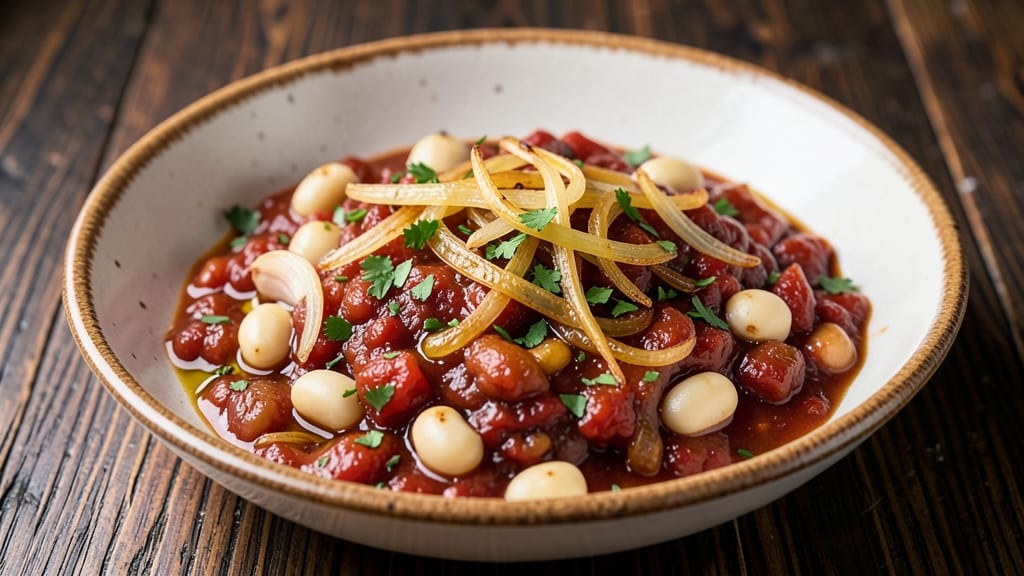
This bean ragu recipe transforms simple ingredients into a deeply flavorful, slow-simmered masterpiece that rivals traditional meat-based ragùs. 💛 The secret lies in caramelizing onions and garlic until they're rich and sweet, then building layers of umami with tomatoes, white wine, and aromatic herbs—all while tender beans break down into the sauce itself.
What starts as a humble pot of ingredients becomes a velvety, hearty dish perfect for vegetarian dinners or cozy weeknights.
The beauty of this recipe is its versatility—it works with cannellini, great northern, or even chickpeas, each bringing its own texture and depth. A splash of red wine adds complexity, while fresh basil at the end brightens the dish without overpowering.
The slow simmer (at least 2 hours) ensures the flavors meld perfectly, creating a sauce that's rich enough to stand alone or pair beautifully with polenta, crusty bread, or roasted vegetables.
What you'll end up with is a restaurant-quality dish that's surprisingly simple to make. The beans soften into the sauce, absorbing all those caramelized flavors, while the tomatoes develop a deep, concentrated sweetness.
Each spoonful delivers a perfect balance of earthy, savory, and slightly tangy notes—ideal for serving over al dente pasta, mashed potatoes, or even as a filling for stuffed shells.
For extra richness, stir in a pat of butter or a sprinkle of grated Parmesan at the end, and don't forget to pair it with a bold red wine like Chianti or a crisp white like Pinot Grigio.
This ragu keeps well in the fridge for up to 5 days, making it perfect for meal prep or feeding a crowd. Let's get cooking!
Ingredients for bean ragu
Simple pantry staples and fresh aromatics transform into velvety, restaurant-quality bean ragu.
| Ingredient | Amount | Notes |
|---|---|---|
| Yellow Onions 🧅 | 2 whole | Thinly sliced for caramelizing |
| Garlic Cloves 🧄 | 4 cloves | Minced for deep flavor |
| Extra-Virgin Olive Oil 🫒 | ½ cup | For rich caramelization |
| Dry White Wine 🍷 | 1 cup | Sauvignon Blanc preferred |
| Canned Crushed Tomatoes 🍅 | 2 cups | San Marzano preferred |
| Cannelini Beans 🌾 | 1 ½ cups | Drained, rinsed, or dried |
| Vegetable Broth 💧 | 2 cups | Low-sodium preferred |
| Tomato Paste 🍅 | 2 tbsp | Squeeze tube works best |
| Fresh Rosemary 🌿 | ½ tsp | Chopped, or dried at 1/4 tsp |
| Fresh Thyme 🌿 | ½ tsp | Leaves only, or dried at 1/6 tsp |
| Bay Leaves 🍃 | 2 whole | Removed before serving |
| Salt 🧂 | 1 ½ tsp | Diamond Crystal preferred |
| Black Pepper 🌶️ | ½ tsp | Freshly ground preferred |
| Fresh Basil Leaves 🌿 | ¼ cup | Chopped for finishing |
| Unsalted Butter 🧈 | 2 tbsp | For finishing richness |
The onions and garlic are your flavor foundation—take your time caramelizing them until deep golden brown. Yellow onions work best, but red will give a prettier sauce. Whole Foods or Trader Joe's carry pre-minced garlic for convenience, but fresh cloves make all the difference. The white wine should be dry and crisp—Sauvignon Blanc or Pinot Grigio work perfectly. If you're stuck with red, deglaze with extra broth. The beans? Cannelini hold their shape beautifully, but great northerns or chickpeas add their own magic—just adjust cooking time accordingly.
No white wine? Vegetable broth with a splash of lemon juice mimics the acidity. Fresh herbs are ideal, but dried thyme at one-third the amount works in a pinch. The tomato paste can be skipped if you're using high-quality crushed tomatoes, but it adds that umami depth that makes this ragu sing. For extra richness, stir in nutritional yeast at the end—it gives a cheesy, savory note without dairy. And if you're feeling fancy, a dash of balsamic vinegar at the end adds complexity. The butter at the end isn't just for richness—it helps emulsify the sauce for that silky texture.
This ragu tastes even better the next day as flavors meld. Keeps in the fridge for 5 days or freezes for 3 months. I like to portion it into glass jars for easy reheating—just thaw overnight in the fridge and warm gently on the stove. The basil wilts fast, so add it right before serving. For a crowd, double the batch—it reheats beautifully and makes an amazing meal prep staple. And trust me, leftovers are just as good as the first serving.
Why You'll Love This Recipe
- No-Sweat Simplicity: I swear by this recipe because it’s the kind of dish that lets you almost multitask. Sauté onions and garlic in olive oil while you stir-fry veggies for dinner—no chopping marathons, no last-minute stress. The wine deglazes in minutes, and the tomatoes? Just open the can. That’s it.
- Wine-Infused Depth: Honestly, the white wine here isn’t just for flavor—it’s the secret weapon. It cuts through the richness of the beans and tomatoes, leaving behind a bright, almost fancy acidity that makes this taste like a restaurant dish. (Yes, even on a Tuesday night.)
- Leftovers That Beg for More: This ragu only gets better the next day—thicker, richer, and somehow more satisfying. I make a double batch on Sundays, freeze half, and still find myself scraping the pot clean three days later. My freezer’s full, but my heart’s lighter.
- Budget-Friendly Powerhouse: Between us, this is the kind of recipe that makes pantry staples feel luxurious. Beans, onions, garlic, and a splash of wine? That’s a meal for four for under $10. And because it’s so forgiving, I never stress over exact measurements—just throw in what you’ve got.
Step-by-step instructions for slow-simmered bean ragu
This rich, aromatic bean ragu builds flavor layer by layer—let's make it together!
🔥 Step 1: Caramelize the Onions and Garlic
Heat the 0.5 cup extra-virgin olive oil in a heavy-bottomed Dutch oven over medium-low heat. Add the 2 whole thinly sliced yellow onions and cook for 20-25 minutes, stirring occasionally, until they're deep golden brown and sweet-smelling. This slow caramelization forms the flavor base.
Here's the thing—don't rush this step. You'll know it's ready when the onions look like they've been kissed by caramel, with those rich amber hues. About 5 minutes before they're done, add the 4 cloves minced garlic and cook for just 30 seconds until fragrant. Garlic burns fast, so watch it like a hawk!
🍳 Step 2: Deglaze with Wine and Build the Sauce
Pour in the 1 cup dry white wine and scrape up all those delicious browned bits from the bottom of the pot. This technique, called deglazing, captures all the flavor you've built. Let it simmer for 3-4 minutes until reduced by half—you want the alcohol to cook off completely.
Now stir in the 2 cups canned crushed tomatoes, 2 tbsp tomato paste, 1.5 cups cannellini beans, and 2 cups vegetable broth. Add the 0.5 tsp chopped fresh rosemary, 0.5 tsp fresh thyme leaves, 2 whole bay leaves, 1.5 tsp salt, and 0.5 tsp black pepper. Bring to a gentle simmer, then reduce heat to low and let it bubble away.
⏰ Step 3: Slow-Simmer for Deep Flavor
Cover the pot and let it simmer gently for 45-60 minutes. Stir occasionally to prevent sticking, but don't worry about making it perfect—this is where the magic happens. You're looking for the sauce to thicken and develop that rich, complex bean flavor.
Here's my secret: I like to check the seasoning halfway through. Taste it and adjust with more salt if needed—bean ragus need good seasoning to shine. The beans should be tender but still hold their shape, and the sauce should coat the back of a spoon with a velvety texture.
🥘 Step 4: Finish with Butter and Fresh Herbs
Once the ragu is thick and flavorful, remove the 2 whole bay leaves (they're done their job). Stir in the 2 tbsp unsalted butter and let it melt into the sauce, adding a luxurious richness. Then fold in the 0.25 cup chopped fresh basil leaves—this brightens the dish and adds that fresh finish.
Taste one last time and adjust seasoning if needed. The ragu should be perfectly balanced—savory from the beans, bright from the tomatoes, and rich from the butter. Serve immediately over pasta or crusty bread, or let it cool slightly for a delicious meal prep option.
Pro Tips For Making Bean Ragu
- Sweat, Don’t Burn Onions: I learned this the hard way—when onions turn brown too fast, they taste bitter and throw off the whole ragu. Keep the heat medium-low and stir often. If they start to stick, add a splash of wine early to deglaze and save them. (Yes, even if you’re impatient like me.)
- Use Wine, Not Water: Skipping the white wine is a rookie move. It’s not just for flavor—it cuts the acidity of the tomatoes and adds depth. Deglaze the pan with the full amount (about ½ cup) right after cooking the onions, then let it reduce by half before adding tomatoes. That’s where the magic happens.
- Simmer, Don’t Boil Tomatoes: After adding crushed tomatoes, resist the urge to crank the heat. A gentle simmer (small bubbles, occasional stir) prevents the sauce from splitting or becoming pasty. If it looks too thick, add a splash of broth or water—but only after 20 minutes of cooking, not right away.
- Toast Garlic Last: Crispy garlic is the game-changer in this ragu. After the onions are soft and the wine’s mostly evaporated, add the minced garlic and cook it just until it’s golden—about 30 seconds. If you add it too early, it burns and turns bitter. (I know, it’s a fine line, but trust the process.)
Creative variations of this dish
White Wine Swap
If you don’t have white wine, dry vermouth works beautifully—it adds herbal depth without overpowering. For a non-alcoholic version, use 2 cups vegetable broth with 1 tablespoon lemon juice and ½ teaspoon sugar to mimic the acidity and sweetness.
Just remember, the wine (or substitute) helps break down the beans’ skins for that silky texture. 🍷
Spicy Kick
For heat lovers, stir in 1 teaspoon crushed red pepper flakes with the tomatoes or add ½ teaspoon cayenne at the end. If you prefer smoky heat, swap ½ teaspoon smoked paprika for the black pepper.
I like to finish with a sprinkle of chili oil for extra drama—just drizzle it on top right before serving. 🌶️
Creamy Twist
Want extra richness? Stir in ½ cup coconut milk or ¼ cup heavy cream during the last 15 minutes of simmering. For a dairy-free option, blend ½ cup soaked cashews with ¼ cup water until smooth, then whisk it into the ragu.
The result? A velvety, almost Alfredo-like texture that pairs perfectly with crusty bread. 🥥
Herb Variations
Swap the rosemary and thyme for 1 teaspoon dried oregano and ½ teaspoon fennel seeds for an Italian-inspired twist. Or try 1 teaspoon ground coriander and ½ teaspoon cinnamon for a Moroccan-inspired ragu—add the spices with the tomatoes and simmer longer for deeper flavor.
Fresh herbs like basil or parsley add brightness, but dried works in a pinch. 🌿
Protein Boost
Make it heartier by adding 1 cup cooked lentils or ½ cup crumbled tempeh during the last 30 minutes of cooking. For a meaty texture, stir in ½ cup cooked mushrooms or ½ cup diced eggplant—they absorb the sauce beautifully.
If you’re feeling adventurous, try ½ cup chickpeas for extra protein and creaminess. 🍄
Global Flavors
Transform this ragu into a Mexican-style by adding 1 teaspoon cumin, ½ teaspoon smoked paprika, and 1 cup diced tomatoes with the beans. For a Thai-inspired version, stir in 1 tablespoon red curry paste and 1 teaspoon fish sauce (or soy sauce for vegan).
Each variation keeps the slow-cooked essence but adds exciting new layers. 🌍
Nutrition facts
Frequently asked questions
Can I use dried beans instead of canned?
For dried beans, soak 1 cup overnight, then drain and rinse. Add them with the tomatoes and broth, but simmer for 1.5-2 hours longer until tender. White beans like cannellini or great northerns work best—they hold their shape beautifully. Just check occasionally to prevent sticking.
How do I make this ragu gluten-free?
This recipe is naturally gluten-free! Just ensure your tomato paste, broth, and wine are certified gluten-free. For extra safety, use a clean pot and avoid cross-contamination with wheat-based ingredients. Serve with gluten-free pasta or roasted potatoes for a complete meal.
Why did my ragu turn out too watery?
Most likely, you didn't simmer long enough. Bean ragus thicken as they reduce—aim for at least 2 hours of gentle simmering. If it's still too thin, remove the lid and cook uncovered for 10-15 minutes to evaporate excess liquid. For extra thickness, stir in 1 tbsp tomato paste or a splash of coconut milk at the end.
What's the best way to reheat leftovers?
Gently reheat on the stove over low heat with a splash of water or broth to prevent drying. For best results, warm for 5-10 minutes until bubbling. Avoid microwaving—it can make the sauce grainy. If it thickens too much, thin with a little broth while reheating. Leftovers keep well for 5 days in the fridge.
Can I make this in an Instant Pot?
Yes! Sauté onions and garlic first, then add all ingredients except butter and basil. Cook on high pressure for 15 minutes, then quick-release. Finish with butter and herbs. The texture will be slightly different but still delicious. For extra richness, stir in 2 tbsp coconut cream at the end.