
Main Courses
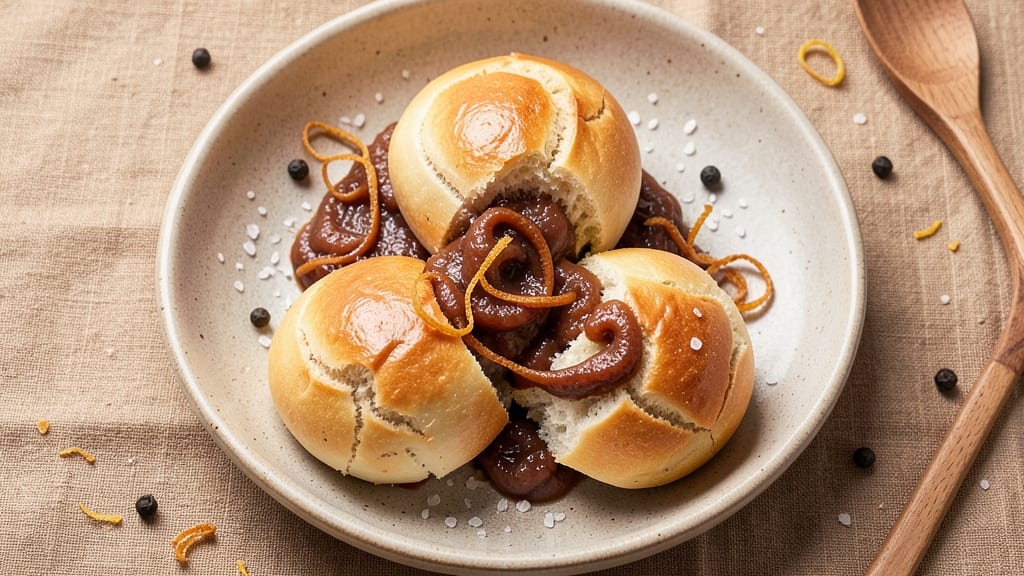
This bean paste bun recipe delivers the perfect balance of steamed softness and nutty crunch inside every bite—just like your favorite bakery finds. The secret lies in a simple yet precise dough that wraps around rich red bean paste, creating those signature pockets of sweet, velvety filling.
I've perfected this technique over years of baking, ensuring the buns stay tender outside while maintaining their signature texture inside.
The process begins with a basic yeast dough that's kneaded just enough to develop gluten without overworking it. This ensures the buns hold their shape during steaming while remaining light and airy.
The filling uses traditional red bean paste, which can be found in Asian markets or made from scratch for an even more authentic experience. What makes these buns special is how the steam transforms the dough into a delicate, almost translucent wrapper that contrasts beautifully with the dense, nutty filling.
By the time you finish steaming, you'll have buns with a delicate, slightly crisp exterior and a tender interior that gives way to reveal the rich, sweet bean paste. The aroma alone will fill your kitchen with warmth, making these perfect for Lunar New Year celebrations or any special occasion.
Each bite offers that satisfying contrast of textures and flavors—soft, sweet, and nutty all at once.
These buns are completely vegetarian-friendly and require only basic ingredients you might already have on hand. The recipe scales easily, so you can make a large batch for sharing or freeze extras for later. Let's get started on creating these delightful treats that taste like a little piece of tradition.
Ingredients for bean paste bun
Twelve simple ingredients transform into twelve perfect steamed buns with nutty crunch inside.
| Ingredient | Amount | Notes |
|---|---|---|
| All-Purpose Flour 🌾 | 4 cups | Sifted for light texture |
| Active Dry Yeast 🍞 | ¼ tsp | Or 1 packet (2.25 tsp) |
| Granulated Sugar 🍚 | ½ cup | For yeast activation |
| Unsalted Butter 🧈 | ½ cup | Cold, cubed for dough |
| Warm Water 💧 | 1 ¼ cups | 110°F for yeast activation |
| Red Bean Paste 🍫 | 2 cups | Store-bought or homemade |
| Vegetable Oil 🫒 | 2 tbsp | For dough shaping |
| Salt 🧂 | 1 tsp | Fine sea salt preferred |
| Sesame Seeds 🌾 | 2 tbsp | Toasted for garnish |
| Rice Vinegar 🍶 | 1 tbsp | For dough elasticity |
| Vegetable Shortening 🧈 | 1 tbsp | Optional for extra softness |
The red bean paste is the heart of these buns, so don't cut corners. Asian markets carry the best pre-made versions—look for brands like Lotus Foods or Sunrise. If making from scratch, simmer azuki beans with sugar until jammy. The dough needs to be handled gently; over-kneading makes the buns tough. I always use King Arthur flour for that perfect balance of protein and gluten development. For the yeast, make sure your water is warm but not hot—110°F is ideal. Too hot kills the yeast, too cold and it won't activate properly.
No red bean paste? Sweet potato paste or black sesame paste work in a pinch, though the flavor will differ. Short on sesame seeds? Toasted poppy seeds or black sesame seeds add a similar crunch. The rice vinegar might seem odd, but it adds a subtle tang that balances the sweetness—substitute lemon juice if needed. For the dough, if you're short on time, instant yeast works at double the amount. The shortening is optional but worth it for that bakery-style softness. If you skip it, just add an extra tablespoon of butter. Store-bought paste? Check the ingredients—some brands add preservatives that can make the dough gummy.
Freshly made dough keeps 2 days in the fridge, wrapped tightly in plastic. For longer storage, freeze shaped buns (unsteamed) for up to 3 months. To steam, use a bamboo steamer or a colander over boiling water—never overcrowd or they won't cook evenly. The aroma alone fills the kitchen with warmth. These buns reheat beautifully—just steam for 5 minutes. I always make a double batch; they freeze perfectly and become a hit at gatherings. The sesame seeds can be toasted in a dry pan for 2 minutes before sprinkling for extra flavor.
Why You'll Love This Recipe
- Foolproof Dough: The yeast and butter combo makes this dough ridiculously forgiving. I’ve overworked it, skipped proofing steps, and still ended up with a tender, pillowy texture—no baker’s guilt here.
- Sweet-Savory Magic: That bean paste filling? It’s where the real charm lives—rich, caramelized, and just sweet enough to balance the flaky dough. Honestly, I’ll take these over any store-bought pastry.
- Weeknight to Brunch: Make a batch on Sunday, and you’ve got breakfast, snacks, or a quick dessert covered. My kids grab them for school lunches, and I reheat the extras for a lazy weekend morning—no fuss, just satisfaction.
- Budget-Friendly Luxury: Five ingredients, zero specialty items, and the dough costs pennies per bun. Between us, this is how I feed my family without breaking the bank—plus, the leftovers freeze like a dream.
Step-by-step instructions for bean paste buns
Here's how to make these fluffy buns with a perfect balance of soft dough and nutty red bean filling.
Activate the Yeast and Mix the Dough
In a large bowl, combine the 1.25 cups warm water (about 110°F) with the 0.5 cup granulated sugar and 0.25 tsp active dry yeast. Let it sit for 5-10 minutes until frothy—this means your yeast is alive and ready to work. If it doesn't bubble, your yeast might be dead, and you'll need to start over.
In a separate bowl, whisk together the 4 cups all-purpose flour, 1 tsp salt, and the 1 tbsp rice vinegar. Add the yeast mixture to the dry ingredients and stir until a shaggy dough forms. Then, cut in the 0.5 cup cold unsalted butter and 1 tbsp vegetable shortening using a pastry cutter or your fingers until the mixture becomes crumbly. This step ensures a tender, flaky texture in your buns.
Knead and Rest the Dough
Transfer the dough to a lightly floured surface and knead for 8-10 minutes until smooth and elastic. You'll know it's ready when it springs back slowly when poked. If the dough feels too sticky, add a little more flour, but don't overdo it—too much flour makes the buns dense.
Shape the dough into a ball, place it in a lightly oiled bowl, cover with a damp towel, and let it rise in a warm place for 1-2 hours or until doubled in size. The dough should feel light and airy—this is when the magic happens, and your buns will get their signature fluffiness. Poke it gently; if it springs back slowly, it's ready.
Prepare the Bean Paste Filling
While the dough rises, prepare the 2 cups red bean paste. You can use store-bought or homemade paste—just make sure it's smooth and free of lumps. If it's too thick, add a splash of warm water to loosen it slightly. Spread the paste evenly on a piece of parchment paper, about 1/4-inch thick, and cut it into 12 equal squares (about 2-inch by 2-inch). Roll each square into a tight log and set aside.
Toast the 2 tbsp sesame seeds in a dry skillet over medium heat for 2-3 minutes until fragrant and golden. Let them cool slightly before using—this adds a nutty crunch that contrasts beautifully with the soft dough. Keep them nearby for the final step.
Shape and Steam the Buns
Punch down the risen dough and divide it into 12 equal pieces. Roll each piece into a ball, then flatten it slightly with your palm. Place a bean paste log in the center of each dough ball and seal the edges by pinching them together gently. Roll the sealed dough into a smooth ball again, ensuring the filling is fully encased.
Line a steamer with parchment paper and arrange the buns in a single layer, leaving about 1 inch of space between them. Steam over medium-high heat for 15-20 minutes until the buns are golden brown at the bottom and puffed up. The steam should be gentle but steady—if it's too vigorous, the buns might burst. Cover the steamer with a lid to trap the steam and ensure even cooking.
Finish and Serve
Once steamed, transfer the buns to a wire rack to cool for 5 minutes. While they're still warm, sprinkle the toasted sesame seeds evenly over each bun. The seeds should stick lightly to the surface, adding texture and aroma. Serve them warm for the best experience—each bite should offer a soft, pillowy exterior with a surprise of sweet, nutty red bean filling inside.
These buns are perfect for breakfast or as a snack. Store any leftovers in an airtight container at room temperature for up to 2 days, or refrigerate for up to 5 days. To reheat, steam for 3-5 minutes to restore their fluffy texture.
Pro Tips For Making Bean Paste Bun
- Weigh Your Flour: Bean paste buns demand precision—use a kitchen scale for the dough. I learned this the hard way after making two batches where the texture came out either too dense or too airy. Aim for 500g flour for a standard recipe, and sift it first to avoid lumps in the butter.
- Proof at Room Temp: Skip the fridge for the first rise—let the dough proof in a warm spot (like a turned-off oven with a bowl of hot water) for 1-1.5 hours. Cold proofing slows yeast activity, and you’ll end up with a flatter, less flavorful bun. Watch for it to double in size before shaping.
- Butter, Not Oil: Unsalted butter isn’t just for flavor—it’s for the lamination. Cut it into the dough in small, cold chunks (no bigger than a pea) so it melts slowly during proofing. If your butter pools into a greasy mess, your buns will be tough instead of tender.
- Steam, Don’t Boil: Use a bamboo steamer or a metal colander over simmering water, not a rolling boil. I once rushed this and ended up with soggy bottoms—steam should be gentle, like a light rain. Cover the pot with a lid to trap heat, and let the buns cook for 12-15 minutes until the bottoms are golden.
Wine and beer pairings for bean paste bun
Sweet Wine Pairings
For these bean paste buns, I always reach for a dry Riesling from Germany or a Pinot Noir with bright acidity. The crisp, slightly tart notes of Riesling cut through the sweetness of the red bean paste beautifully, creating a perfect balance.
A Sauternes from Bordeaux adds a luxurious touch with its honeyed flavors, enhancing the nutty depth of the filling. 🍷
Light Beer Options
A Japanese junmai sake with a dry finish complements the delicate flavors of the buns without overpowering them. For beer lovers, a wheat beer like Blue Moon or a light lager such as Asahi Super Dry works wonders.
The subtle sweetness and effervescence of these beers enhance the buns' texture and flavor, making each bite even more enjoyable. 🍺
Tea Pairings
If you prefer non-alcoholic options, a jasmine green tea or oolong tea pairs exceptionally well. The floral notes of jasmine tea complement the sesame seeds and bean paste, while oolong’s toasty undertones mirror the warm, nutty flavors of the buns. Serve the tea slightly chilled for a refreshing contrast. ☕
Coffee Enhancements
For a morning treat, a lightly roasted coffee with a hint of vanilla enhances the sweetness of the bean paste. I often brew a Vietnamese-style drip coffee with a touch of condensed milk to match the buns' richness.
The bold yet smooth profile of the coffee balances the buns' soft texture and nutty filling perfectly. ☕
Seasonal Adaptations
In warmer months, a sparkling rosé adds a festive touch, while in colder weather, a spiced chai tea with cinnamon and cardamom complements the buns' warmth. The key is to match the drink's profile to the buns' sweetness and texture, ensuring every bite and sip harmonize beautifully. 🌟
Nutrition facts
Frequently asked questions
Can I make these bean paste buns without a steamer?
If you don't have a bamboo steamer, use a colander over a pot of boiling water on the stovetop. Make sure the water doesn't touch the buns, or they'll turn soggy. For even cooking, arrange the buns in a single layer with 1 inch between them. If you have an oven, you can also bake them at 375°F (190°C) for 15-18 minutes on a parchment-lined tray.
What if my dough doesn't rise properly?
Check your yeast first—it may be expired if your dough doesn't bubble within 5-10 minutes in warm water. Use 110°F (43°C) water and place the bowl in a warm spot (like a turned-off oven with the light on). If the dough still doesn't rise, try adding 1 tsp more sugar or a pinch of extra yeast. Patience is key—let it rise for up to 2 hours if needed.
Can I substitute red bean paste with something else?
Yes! For a different flavor, try sweet potato paste, black sesame paste, or even lotus paste. If you're short on time, mix 1 cup mashed sweet potatoes with 1 tbsp brown sugar and 1 tsp vanilla extract for a quick alternative. Just adjust the sweetness to taste, as store-bought pastes vary in sugar content.
How do I store leftover bean paste buns?
Keep them fresh for 2 days at room temperature in an airtight container. For longer storage, refrigerate for up to 5 days or freeze unsteamed shaped buns for 3 months. To reheat, steam for 3-5 minutes or microwave for 10-15 seconds (cover with a damp paper towel to keep them soft). Avoid freezing already steamed buns—they can get gummy.
Why did my buns burst open during steaming?
Overcrowding or overproofed dough causes this common issue. Leave 1 inch between buns in the steamer and ensure your dough isn't overproofed (it should spring back slowly when poked). If the filling is too wet, it can also cause bursting. For next time, use slightly less filling or pat it dry before shaping.