
Main Courses
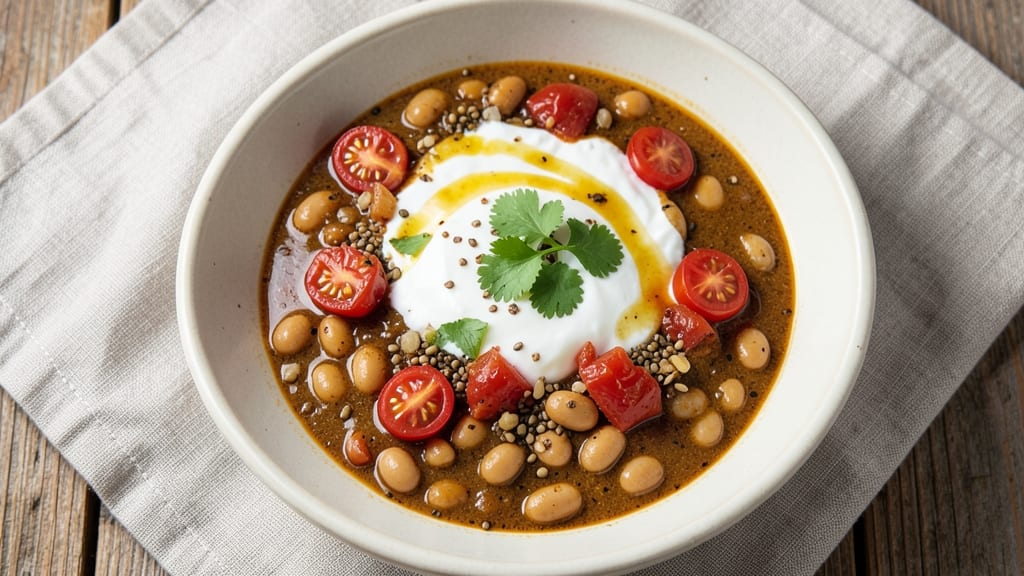
This South African bean curry recipe transforms simple ingredients into a deeply satisfying, spiced tomato and coconut dish that’s perfect for any meal. 🌟 The secret lies in balancing traditional South African flavors—warm spices, fresh curry leaves, and a touch of chutney—that create layers of aroma and depth without overwhelming the natural taste of the beans.
What makes this recipe stand out is its simplicity and versatility. With just a handful of pantry staples—beans, coconut milk, tomatoes, and a blend of spices—you’ll create a hearty curry that’s rich, aromatic, and packed with protein.
The slow simmering process allows the flavors to meld beautifully, resulting in a dish that’s both comforting and full of character.
The result is a curry that’s tender, flavorful, and ready in under an hour, making it ideal for weeknight dinners or meal prep. Serve it with steamed rice, crusty bread, or even roti for a complete meal that’s as satisfying as it is delicious.
This recipe proves that vegetarian dishes can be just as hearty and flavorful as any meat-based curry.
Whether you’re a seasoned cook or just starting out, this bean curry is a game-changer. The step-by-step instructions ensure success, while the tips and variations let you customize it to your taste. Let’s get cooking!
Ingredients for bean curry recipe south africa
Transform simple pantry staples into South Africa's aromatic bean curry masterpiece.
| Ingredient | Amount | Notes |
|---|---|---|
| Dry Kidney Beans 🌾 | 1 ½ cups | Unsoaked, rinsed thoroughly |
| Canned Crushed Tomatoes 🍅 | 1 can | 28 oz, San Marzano preferred |
| Fresh Tomatoes 🍅 | 2 medium | Chopped, vine-ripened preferred |
| Coconut Milk 🥥 | 1 can | 13.5 oz, full-fat preferred |
| Onion 🧅 | 1 whole | Yellow, diced finely |
| Garlic Cloves 🧄 | 4 cloves | Minced, fresh preferred |
| Ginger Root 🌿 | 1 inch | Fresh, peeled, grated |
| Curry Leaves 🌿 | ¼ cup | Fresh, whole leaves |
| Ground Cumin 🌶️ | 1 tbsp | Toasted for depth |
| Ground Coriander 🌿 | 1 tbsp | Freshly ground preferred |
| Turmeric Powder 🌶️ | ½ tbsp | Bright yellow color |
| Garam Masala 🌶️ | 1 tsp | Freshly ground preferred |
| Chili Powder 🌶️ | ½ tsp | Adjust for heat preference |
| Vegetable Oil 🫒 | 2 tbsp | Neutral flavor preferred |
| Salt 🧂 | 1 tsp | Diamond Crystal preferred |
| Black Pepper 🌶️ | ¼ tsp | Freshly ground preferred |
| Vegetable Stock 💧 | 1 cup | Low-sodium preferred |
| South African Chutney 🍯 | 2 tbsp | Mild or medium heat |
The beans are the heart of this dish—kidney beans hold their shape beautifully, but pinto or black beans work just as well. For the best texture, rinse them thoroughly before cooking. San Marzano crushed tomatoes add a sweet, rich base, but any quality canned tomatoes will do. The coconut milk should be full-fat for maximum creaminess—Thai Kitchen or Goya brands are reliable. When selecting curry leaves, look for vibrant green leaves at Indian or Caribbean markets—they should smell fresh and fragrant. If you can't find fresh, dried curry leaves at one-third the amount will suffice, though the flavor will be subtler.
No garam masala? Mix equal parts cinnamon, cardamom, cloves, and cumin for a close substitute. Fresh ginger and garlic are ideal, but powdered ginger at half the amount works in a pinch. The chutney is non-negotiable—African Pride or Rainforest brands capture that perfect tangy-sweet balance. For heat control, start with less chili powder and adjust to taste. The vegetable stock should be low-sodium to avoid overpowering the delicate spices. If you're short on time, coconut milk and water at a 1:1 ratio can replace the stock, though the depth of flavor will differ slightly.
This curry tastes even better the next day as flavors meld. Store in an airtight container in the fridge for 4-5 days or freeze portions for up to 3 months. For meal prep, double the recipe and freeze half—simmering from frozen takes about 15 extra minutes. The beans will soften further upon reheating, so they're best when served at room temperature or slightly warmed. Garnish with fresh cilantro or a drizzle of coconut milk before serving for an elegant touch.
Why You'll Love This Recipe
- No-Soaking Needed: I swear by this shortcut—just toss the dry kidney beans in boiling water for 2 minutes, then simmer. No overnight prep, no forgotten jars of pre-soaked beans. That first spoonful of tender, earthy beans straight from the pot? Pure relief.
- Rich Without Fuss: Between us, coconut milk and crushed tomatoes team up to create this velvety, slightly sweet depth without requiring fancy techniques. Sauté the onions until golden, add the spices, and let the canned tomatoes melt into the pot—minimal effort, maximum satisfaction. The fresh tomatoes at the end? That bright acidity cuts through the richness like a sigh of relief.
- Leftover Goldmine: This curry tastes better the next day, honestly. The flavors meld into something deeper, and reheating it with a splash of water keeps it luscious. Pack it for lunch, freeze portions, or serve it cold over rice—it’s the kind of dish that turns into three meals for the price of one.
- Budget-Friendly Feast: Kidney beans and canned tomatoes stretch this curry into a hearty bowl for next to nothing. I’ve fed six people (including my picky teen) for under $10, and no one batted an eye. The onion adds layers of flavor without breaking the bank, and the coconut milk makes it feel special—even when you’re cooking on a shoestring.
Step-by-step instructions for South African bean curry
Here's how to craft a rich, aromatic curry with South African flair—where earthy spices meet creamy coconut.
🔥 Step 1: Sauté the Aromatic Base
Heat the 2 tablespoons vegetable oil in a heavy-bottomed pot over medium heat. Add the 1 whole onion and cook for 5 minutes until softened and translucent. Here's where the magic starts—I press down gently on the onions with a wooden spoon to ensure even cooking.
Add the 4 cloves garlic cloves and 1 inch ginger root and cook for 2 minutes until fragrant. The kitchen should fill with a warm, citrusy aroma—this is your signal to add the 0.25 cup curry leaves. Let them sizzle for 30 seconds until they darken slightly. This step builds the flavor foundation, so don't rush it.
🍳 Step 2: Toast the Spices
Reduce heat to medium-low and add the 1 tablespoon ground cumin, 1 tablespoon ground coriander, 0.5 tablespoon turmeric powder, and 0.5 teaspoon chili powder. Stir constantly for 1 minute until the spices release their oils and the mixture smells deeply aromatic. You'll see the spices darken slightly—this indicates proper toasting.
Immediately add the 1 can canned crushed tomatoes and 2 medium fresh tomatoes, stirring to combine. Let the mixture simmer for 5 minutes until the tomatoes break down and the sauce thickens. This step develops the curry's signature depth—if it sticks, add 2 tablespoons vegetable stock to prevent burning.
👨🍳 Step 3: Add Beans and Simmer
Add the 1.5 cups dry kidney beans (rinsed), 1 cup vegetable stock, and 1 teaspoon salt. Bring to a gentle boil, then reduce heat to low and cover partially. Let the beans simmer for 45-50 minutes, stirring occasionally, until they're tender but not mushy. You'll know they're ready when they easily crush between your fingers.
Here's the thing—don't skip the partial covering. It allows steam to escape while preventing the beans from absorbing too much liquid too quickly. If the curry looks too thick, add 2-3 tablespoons vegetable stock to maintain the right consistency.
🥘 Step 4: Finish with Coconut and Chutney
Stir in the 1 can coconut milk and 1 teaspoon garam masala, then simmer uncovered for 10 minutes on medium-low heat. The coconut milk should create a velvety texture while the garam masala adds that warm, complex finish. Taste and adjust seasoning with black pepper if needed.
Remove from heat and stir in the 2 tablespoons South African chutney. I like to let it sit for 5 minutes so the flavors meld completely. The chutney adds a sweet-tangy contrast that balances the curry's richness. Serve immediately with crusty bread or steamed rice to soak up every delicious spoonful.
Pro Tips For Making Bean Curry Recipe South Africa
- SOAK BEANS OVERNIGHT: I learned this the hard way—skipping the soak leaves you with beans that stay stubbornly hard no matter how long you simmer. Use 3 cups water per cup beans, cover, and let them sit at least 8 hours (or quick-soak 2 hours in boiling water). The longer they soak, the creamier your curry will be—no one wants to bite into a rock in their stew.
- SAUTÉ ONIONS LOW AND SLOW: After burning three batches of onions, I finally figured out: medium-low heat is your friend here. Cook them for 10-12 minutes until deep golden, not crispy—you’re building flavor, not caramelizing for a salad. If they start to stick, add a splash of water, but don’t rush. Patience here means the whole curry tastes richer.
- BALANCE TOMATO ACIDITY: Fresh tomatoes add brightness, but too much can make your curry taste sharp. Start with 1 diced fresh tomato per can of crushed tomatoes, then taste as you go. If it’s leaning sour, add a pinch of sugar or a splash of coconut milk to mellow it out. Trust your tongue—this isn’t the time to follow measurements blindly.
- SIMMER BEANS UNTIL TENDER: Kidney beans need 45-60 minutes of gentle simmering to get properly tender, not just soft. Check them at 40 minutes—if they’re still firm, keep going. The curry will thicken as it cooks, so don’t rush the process or you’ll end up with a mushy, watery mess. A wooden spoon test works: press a bean—it should mash slightly but hold its shape.
Common mistakes when making your bean curry recipe south africa
Skipping the Soak
Many recipes call for soaking beans overnight, but I’ve found that rinsing 1.5 cups dry kidney beans thoroughly before cooking is just as effective—especially for this curry. The key is simmering them for 45-50 minutes on low heat with enough liquid.
If you skip the soak, add 1 extra cup of vegetable stock to prevent the beans from drying out. 🌱
Overcrowding the Pot
Packing too many beans into a small pot can lead to uneven cooking and a mushy texture. Use a heavy-bottomed pot (I love my Le Creuset Dutch oven) and keep the beans at a single layer when adding them.
If your pot is too small, cook the beans in batches or use a larger vessel. Overcrowding also traps steam, which can make the beans waterlogged instead of tender.
Rushing the Simmer
Patience is critical—don’t rush the 45-50 minute simmer for the beans. The low-and-slow method ensures they soften evenly while absorbing flavors. If you speed this up, you’ll end up with beans that are either undercooked or turn to mush.
I’ve learned the hard way that skipping this step results in a curry that lacks depth and texture. Trust the process! ⏳
Ignoring the Chutney
The 2 tablespoons South African chutney is what ties the dish together—don’t skip it or add it too early. Stir it in only after the curry has finished simmering with coconut milk. This allows the chutney’s sweet-tangy flavor to meld with the spices rather than cook off.
If you add it too soon, the heat can make it bitter. I always let it sit for 5 minutes off the heat before serving.
Burning the Spices
Toasting the spices is essential, but watch the heat closely. Once you add the cumin, coriander, turmeric, and chili powder, stir constantly for only 1 minute on medium-low heat. Burning them turns the spices bitter and smoky, which can overpower the delicate flavors of the curry.
If you smell something acrid, remove the pot from heat immediately and let it cool slightly before proceeding.
Underseasoning Early
Taste your curry after adding the coconut milk but before finishing with chutney. If it’s bland, add salt or black pepper gradually—you can always adjust further at the end. Many cooks make the mistake of seasoning too early, only to realize they need more later.
I wait until the very end to add the final touches, ensuring every bite is perfectly balanced. A little extra salt or a pinch of chili powder can make all the difference! 🧂
Nutrition facts
Frequently asked questions
Can I use canned beans instead of dry beans for this South African bean curry?
Yes, you can absolutely use canned beans to speed up the process! For 1.5 cups dry beans, substitute with 2.5 cups drained canned kidney beans. Just reduce the simmering time to 15-20 minutes after adding the beans—no need for the long cook time. Drain and rinse the canned beans first to remove excess sodium, which helps balance the flavors better.
What makes this bean curry specifically South African?
The South African soul comes from three key elements: curry leaves, South African chutney, and the balance of spices. Curry leaves add that distinctive aroma, while the chutney brings a sweet-tangy contrast that's signature to South African cuisine. The combination of coconut milk and tomato creates that familiar yet unique curry profile you'd find in Cape Town or Johannesburg kitchens.
How can I make this curry spicier without adding fresh chili?
Boost the heat by adjusting the spices during toasting: increase the chili powder to 1 teaspoon and add a pinch of cayenne pepper along with the garam masala. For extra depth, stir in ½ teaspoon smoked paprika with the coconut milk. If you want to keep it traditional, add 1-2 slices of fresh red chili (remove before serving) while simmering the beans to infuse heat without overpowering the dish.
Can I make this curry in an Instant Pot?
Sauté the onions, garlic, ginger, and curry leaves as directed. Then add all spices and tomatoes, cooking for 1 minute on sauté mode. Add beans, stock, and salt, then pressure cook for 12 minutes. Quick-release the pressure, stir in coconut milk and garam masala, and cook on high for 5 minutes. Finish with chutney. The beans will be tender in half the time while keeping all the flavor!
What are the best sides to serve with this bean curry?
This hearty curry pairs perfectly with basmati rice or coconut rice for a complete meal. For a South African touch, try pap (maize porridge) or roti. Freshly baked naan or garlic bread works well too. For a lighter option, serve with a simple cucumber-raita or mango chutney to cut through the richness.