
Side Dishes
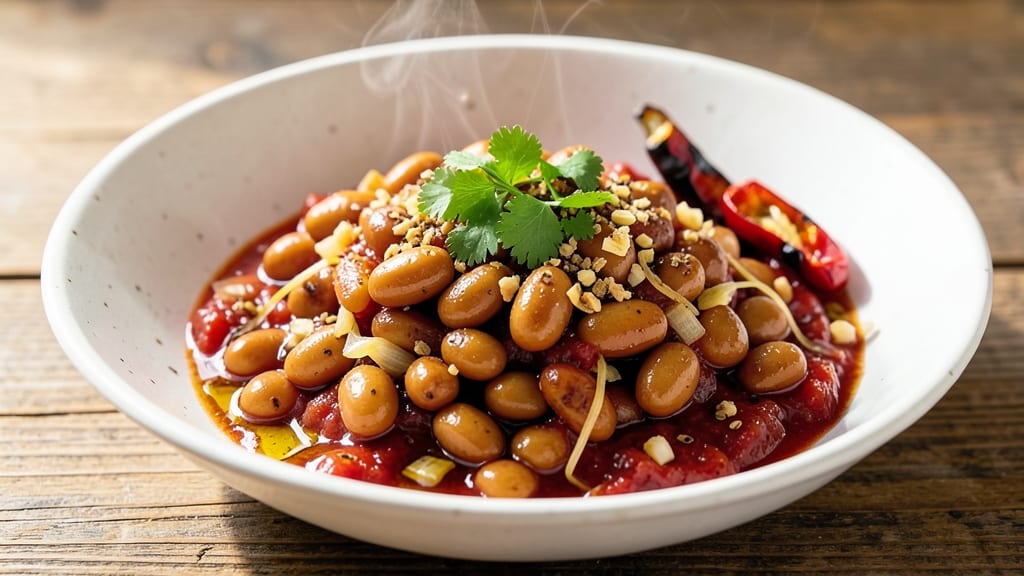
This African mung bean recipe transforms humble ingredients into a flavorful, one-pot dish that captures the heart of West African cuisine. The secret lies in slow-cooked spices—cumin, thyme, and curry powder—that meld into a rich, earthy broth while tenderizing the beans.
I developed this recipe after discovering how traditional African cooking elevates simple legumes into a satisfying, protein-packed centerpiece. The beauty of this method is its simplicity: just one pot, minimal prep, and a 30-minute hands-off cook time after soaking.
The beans absorb the aromatic blend of tomatoes, onions, and peppers, creating a dish that’s both comforting and vibrant. Perfect for weeknight dinners or meal prep, it’s a dish that builds character as it simmers, rewarding patience with deep, layered flavors.
What makes this recipe special is its versatility—serve it as a standalone meal or pair it with jollof rice or fufu for an authentic African spread. The texture is ideal: tender yet firm beans that hold their shape while soaking up the savory sauce.
Each bite delivers a balance of smoky, spiced warmth and bright, fresh undertones. For those new to African cooking, this recipe is your gateway—foolproof, nutrient-dense, and deeply satisfying. Let’s get cooking!
Ingredients for african mung bean
These earthy, protein-rich ingredients blend seamlessly into a fragrant West African-inspired one-pot masterpiece.
| Ingredient | Amount | Notes |
|---|---|---|
| Mung Beans 🌾 | 1 ½ cups | Dried, rinsed and soaked overnight |
| Tomato Paste 🍅 | ¼ cup | High-quality, no added sugar |
| Yellow Onions 🧅 | 1 whole | Medium-sized, finely chopped |
| Garlic Cloves 🧄 | 4 cloves | Fresh, minced for aromatic depth |
| Scotch Bonnet Peppers 🌶️ | 1 whole | Seeded, finely chopped (adjust for heat) |
| Ground Cumin 🌿 | 1 tbsp | Freshly toasted for enhanced flavor |
| Dried Thyme 🌿 | 1 tsp | Or 1 tbsp fresh thyme leaves |
| Curry Powder 🌶️ | 1 ½ tsp | Mild to medium heat blend |
| Ground Ginger 🌿 | ½ tsp | Freshly grated preferred |
| Vegetable Oil 🫒 | 2 tbsp | High smoke point for sautéing |
| Vegetable Broth 💧 | 2 cups | Low-sodium, homemade preferred |
| Lemon Juice 🍋 | 1 tbsp | Freshly squeezed for brightness |
| Salt 🧂 | 1 ½ tsp | Diamond Crystal preferred |
| Black Pepper 🌶️ | ½ tsp | Freshly cracked for aroma |
| Fresh Cilantro 🌿 | ¼ cup | Chopped, for garnish (optional) |
The foundation of this dish lies in the mung beans—choose whole, dried beans from a specialty store like Whole Foods or an African market for optimal texture. Soaking overnight reduces cooking time and ensures tender yet firm beans. For the Scotch bonnet peppers, Walmart or Latin markets often carry them fresh; if unavailable, substitute with habanero (use gloves!). The tomato paste should be San Marzano-style for concentrated sweetness, though any high-quality brand works. Toast your cumin seeds briefly in a dry pan before grinding for a deeper, nuttier flavor—this small step elevates the entire dish.
No Scotch bonnet? Habanero or red pepper flakes at half the amount deliver similar heat. Substitute dried thyme with fresh at a 1:3 ratio, but toasted cumin seeds can’t be replaced—they’re the heart of the spice blend. For the ginger, freshly grated is ideal, but ground ginger works in a pinch. The vegetable broth can be swapped for water plus 1 tsp soy sauce if needed. If you’re short on time, skip the soaking and simmer the beans an extra 20 minutes with the broth. The cilantro garnish is optional but adds a bright finish—use organic if possible to avoid bitterness.
This dish tastes even better the next day as flavors meld. Store in an airtight container in the fridge for up to 5 days or freeze for 3 months. For meal prep, portion into individual containers with a drizzle of oil on top to preserve freshness. The beans hold their shape beautifully when reheated—simply add a splash of water and warm through. Leftovers make a fantastic lunch when paired with steamed jasmine rice or crusty bread to soak up the rich sauce.
Why You'll Love This Recipe
- Pantry Staple Power: I swear by this one because it uses exactly what’s already in my cupboard—no fancy shopping trips. Mung beans soak overnight, then simmer with tomato paste, onions, and garlic until they’re tender but still hold their shape. That Scotch bonnet? Just a splash for heat, but it’s the secret weapon that makes everything sing.
- One-Pot Magic: Honestly, the cleanup is almost as good as the dish. You brown the onions and garlic in one pot, add the beans and spices, then let it all meld together. No chopping boards left sticky, no pots to wash separately—just stir, taste, and call it a day. My lazy Sundays thank me.
- Heat & Comfort: Between us, this is my go-to when I want something warm but not heavy. The Scotch bonnet gives it a slow-building kick, while the tomato paste keeps it rich and satisfying. It’s the kind of dish that feels like a hug—perfect for chilly nights or when you just need a little fire.
- Budget-Friendly Bulk: I make a huge batch because it’s dirt cheap and lasts forever. The mung beans stretch into meals for days, and the flavors only get better as they sit. Freeze leftovers for lazy weeknights, or pack it for lunch—no sad desk salads here. My wallet and my taste buds win.
Step-by-step instructions for spiced African mung beans
Transform simple ingredients into a rich, aromatic dish using this precise technique.
Sauté Aromatics Until Deeply Fragrant
Heat the 2 tablespoons vegetable oil in a heavy-bottomed pot over medium heat until shimmering. Add the finely chopped yellow onions and cook for 5 minutes, stirring occasionally, until they soften and begin to caramelize at the edges. This step builds flavor foundation.
Add the 4 cloves minced garlic cloves and 1 whole seeded, finely chopped Scotch bonnet peppers (wear gloves if sensitive to heat). Cook for 2 minutes until the garlic becomes golden and the peppers release their vibrant aroma. The mixture should smell intensely aromatic—this is your signal to proceed to the next stage. If the peppers burn, reduce heat immediately to medium-low and continue cooking gently.
Toast Spices for Maximum Flavor Development
Add the 1 tablespoon ground cumin, 1.5 teaspoons curry powder, 1 teaspoon dried thyme, and 0.5 teaspoon ground ginger to the pot. Stir continuously for 1 minute until the spices release their essential oils and the mixture becomes fragrant. You'll see the spices darken slightly and fill the kitchen with warm, earthy aromas.
This toasting step is critical—it prevents raw, bitter flavors in the final dish. Watch carefully as spices burn quickly. If they begin to smoke excessively, immediately reduce heat to low and continue stirring. The spices should be warm to the touch but not scorched.
Build the Base with Tomato Paste and Mung Beans
Stir in the 0.25 cup tomato paste and cook for 3 minutes until it darkens slightly and blends completely with the spices. Add the 1.5 cups drained mung beans (previously soaked overnight and rinsed) along with 1.5 teaspoons salt and 0.5 teaspoon black pepper. Mix thoroughly to coat each bean in the spiced tomato mixture.
Pour in the 2 cups vegetable broth and bring to a gentle boil. Reduce heat to medium-low and simmer uncovered for 45 minutes, stirring occasionally. The beans should soften but maintain some texture—this is key for the perfect consistency. If the liquid reduces too quickly, add 2-3 tablespoons water to maintain a saucy texture.
Simmer Until Tender with Perfect Texture
Continue simmering for an additional 20-25 minutes until the beans are tender but still hold their shape when pressed between fingers. The dish should have a thick, stew-like consistency with beans that are creamy inside but firm outside. Taste and adjust seasoning if needed—this is your opportunity to balance flavors before finishing.
Stir in the 1 tablespoon lemon juice and cook for 2 minutes to brighten the dish. The lemon juice should cut through the richness of the spices and add a refreshing contrast. Remove from heat and let the beans rest for 5 minutes—this allows flavors to meld completely and prevents a watery final texture.
Finish with Fresh Herbs and Serve
Garnish with the 0.25 cup chopped fresh cilantro just before serving. The cilantro adds a fresh, bright contrast to the deep, spiced flavors. Serve immediately over steamed rice or with crusty bread to soak up the flavorful sauce. Each bite should deliver a harmonious blend of earthy spices, tender beans, and vibrant acidity.
This one-pot method ensures maximum flavor extraction while keeping the process simple. The dish reheats beautifully, making it perfect for meal prep—just add a splash of water or broth when reheating to maintain the desired consistency.
Pro Tips For Making African Mung Bean
- SOAK BEANS OVERNIGHT: I used to rush this and wonder why my mung beans stayed rock-hard. Soak them in warm water for at least 8 hours—or better yet, overnight. Skip the salt in the soaking water (it toughens the beans), and drain well before cooking. This isn’t just about texture; it’s about flavor absorption later.
- SWEAT ONIONS LOW: After burning three batches of onions, I finally figured out: medium-low heat is your friend. Cook the yellow onions with a pinch of salt until translucent but not brown—about 8-10 minutes. Browning them early turns your sauce bitter, and no one wants that in their mung bean stew. Patience here pays off.
- BLISTER PEPPERS FIRST: Toss whole Scotch bonnet peppers in the dry pan for 30 seconds before chopping. This softens them just enough to blend smoothly into the sauce without making it sear or turn gluey. Yes, even if you’re impatient like me—just don’t walk away.
- STIR IN TOMATO PASTE LAST: This isn’t the prettiest method, but it’s the tastiest: add the tomato paste after the onions and garlic have cooked down. Stir it in with a splash of water to break up lumps, then let it bloom for 2-3 minutes before adding the beans. It deepens the flavor without making the dish taste like a can of paste. Trust the process.
Wine and beer pairings for this recipe
West African Spiced Wine
Pair your mung beans with a dry, medium-bodied red wine like South African Chenin Blanc or Pinotage. These wines complement the dish's earthy spices and bright acidity beautifully. The crisp, citrus notes of Chenin Blanc cut through the richness, while Pinotage's subtle fruitiness enhances the Scotch bonnet's heat.
Serve slightly chilled at 50-55°F for the best experience. 🍷
Malty African Beers
For beer lovers, Nigerian Guinness or South African Castle Lager are perfect choices. The dark, roasted malt notes in Guinness mirror the cumin and thyme in the dish, while Castle Lager's clean finish balances the spice.
Serve the lager ice-cold at 40-45°F to refresh your palate between bites. A local craft beer like Black Lion from Ethiopia also pairs wonderfully. 🍺
Citrus-Infused Sparkling Water
If you prefer non-alcoholic options, try sparkling water with lime and mint. The effervescence cleanses the palate between spicy bites, while the citrus brightens the dish's earthy flavors.
Add 1 tbsp lime juice and 5 fresh mint leaves to a glass of LaCroix or San Pellegrino for a refreshing contrast. This pairing is especially great for summer meals. ✨
Traditional Palm Wine
For an authentic African experience, seek out palm wine if available. This lightly fermented, slightly sweet wine from palm sap enhances the dish's natural sweetness while complementing its spice.
Serve it slightly chilled at 55-60°F in small portions—it's best enjoyed fresh. If unavailable, a lightly sweet Moscato can be a decent substitute. 🌿
Spiced Rum Cocktail
Create a simple rum-based cocktail by mixing 1.5 oz dark rum, 0.5 oz lime juice, and 2 oz ginger beer. The rum's caramel notes harmonize with the cumin and curry, while the ginger beer adds a zesty kick.
Serve over ice with a sprig of thyme for an aromatic touch. This cocktail elevates the meal to a festive occasion. 💛
Nutrition facts
Frequently asked questions
Why do I need to soak mung beans overnight?
Soaking reduces cooking time by 30-40 minutes and ensures the beans become tender without turning mushy. The overnight soak also removes natural enzymes that can make beans digest harder. If short on time, soak for at least 4 hours or simmer uncovered an extra 20 minutes.
Can I substitute Scotch bonnet peppers?
Yes! For milder heat, use 1 habanero (halve amount) or 1 tbsp red pepper flakes. For no heat, skip peppers and add 1 extra teaspoon ginger instead. Always wear gloves when handling hot peppers—they can irritate skin.
How do I adjust this for a pressure cooker?
Use the same ingredients but reduce broth to 1.5 cups. Sauté aromatics as directed, then add beans, spices, and broth. Pressure cook for 15 minutes on high pressure, then quick-release. The beans will be perfectly tender with minimal liquid.
What's the best way to store leftovers?
Cool the dish completely, then store in an airtight container for up to 5 days in the fridge. For freezing, portion into containers with a 1/4-inch oil layer on top to preserve freshness. Reheat gently with 1-2 tbsp water to maintain texture.
Is this dish gluten-free?
Yes, this recipe is naturally gluten-free as long as you use certified gluten-free vegetable broth. Double-check all spice blends (like curry powder) for hidden gluten. The dish pairs beautifully with gluten-free rice or plantain chips for a complete meal.