
Sauces & Condiments
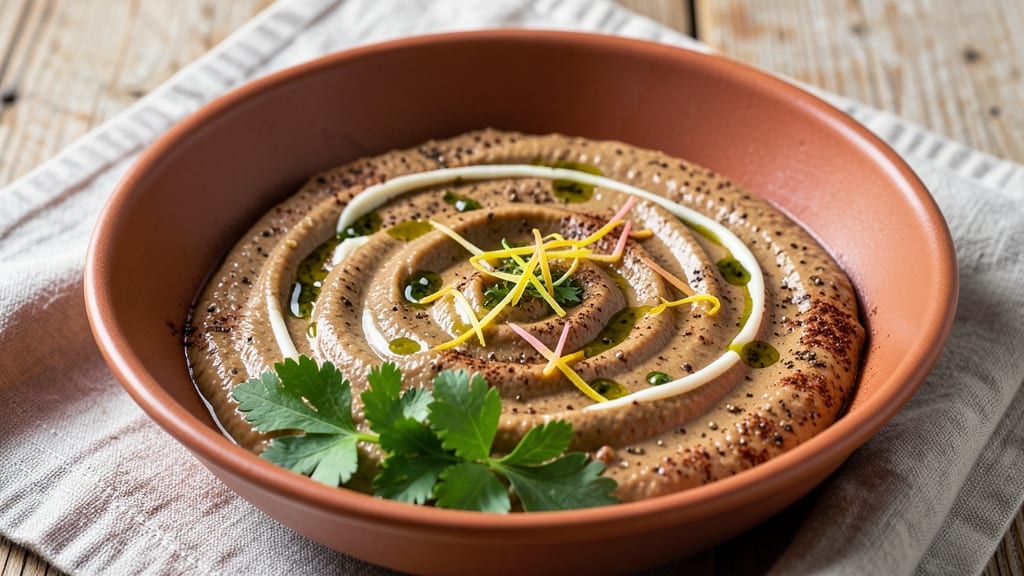
This broad bean hummus recipe transforms humble broad beans into a creamy, earthy dip that's richer than traditional chickpea versions. The secret lies in soaking the beans overnight—this step removes bitterness and creates a silky-smooth texture with just the right nutty crunch.
Unlike standard hummus, broad beans add a subtle sweetness that pairs perfectly with tahini's deep, toasty flavor.
What makes this recipe stand out is the balance of bright lemon juice and aromatic spices—cumin for warmth, smoked paprika for depth, and a touch of garlic for that signature hummus punch.
The result is a dip that's naturally vegan, protein-packed, and versatile enough to elevate everything from crudité platters to grilled meats. The key technique? Blending the soaked beans with tahini and olive oil until perfectly smooth, then adjusting the seasoning to taste.
Once you taste this hummus, you'll notice how its velvety texture clings to every chip or veggie, while the broad beans contribute a satisfying bite. It keeps beautifully in the fridge for up to 5 days, with flavors deepening over time.
For extra flair, finish with a drizzle of olive oil and a sprinkle of za'atar—simple touches that take it from homemade to restaurant-worthy.
This isn't just another hummus recipe—it's a flavor revelation that proves broad beans belong in every dip bowl. The nutty crunch from the beans contrasts beautifully with the creamy tahini base, while the spices create layers of warmth that linger.
Perfect for meal prep, potlucks, or whenever you crave something beyond the ordinary. Let's make this hummus!
Ingredients for broad bean hummus
Nine ingredients transform broad beans into restaurant-quality hummus with velvety texture and nutty crunch.
| Ingredient | Amount | Notes |
|---|---|---|
| Dried Broad Beans 🌱 | 1 cup | Soaked overnight, skins removed |
| Tahini 🥜 | ½ cup | Sesame paste, high-quality preferred |
| Extra-Virgin Olive Oil 🫒 | ½ cup | Light fruity variety for balance |
| Fresh Lemon Juice 🍋 | 2 tbsp | Freshly squeezed, strained |
| Ground Cumin 🌿 | 1 tsp | Toasted for enhanced aroma |
| Smoked Paprika 🌶️ | ½ tsp | For subtle smoky depth |
| Garlic Cloves 🧄 | 2 cloves | Roasted for mellow sweetness |
| Sea Salt 🧂 | ½ tsp | Diamond Crystal preferred |
| Water 💧 | ¼ cup | Adjust for blending consistency |
| Za'atar Seasoning 🌿 | 1 tsp | For garnish, optional |
The broad beans are the star—dried beans from Whole Foods or specialty markets yield the best texture. Soak them overnight (8+ hours) to remove bitterness, then peel skins for that signature silky-smooth consistency. Trader Joe's carries dried broad beans if you're short on time, but fresh from a Middle Eastern market is ideal. The tahini should be 100% sesame paste—avoid those with added oils. For the olive oil, California avocado oil adds a neutral base that lets the broad beans shine, though any extra-virgin works. Roast the garlic cloves (400°F for 10 minutes) to mellow their sharpness—this subtle sweetness enhances the hummus's depth.
No tahini? Cashew butter or almond butter works in a pinch, though the flavor profile shifts slightly. Short on smoked paprika? Regular paprika plus a pinch of liquid smoke mimics the depth. The lemon juice can be bottled, but freshly squeezed brightens the hummus dramatically. For extra protein, add 1/4 cup cooked chickpeas to the blend. The za'atar garnish is optional but adds that restaurant-worthy finish—Bella Italia brand is widely available and balances earthy and citrusy notes perfectly. If you can't find za'atar, mix equal parts oregano, sesame seeds, and sumac for a DIY version.
This hummus keeps beautifully in an airtight container for 5-6 days in the fridge, with flavors deepening over time. For longer storage, freeze for up to 3 months—thaw overnight in the fridge and stir to restore smoothness. The texture thickens as it chills, so add 1-2 tbsp water when serving if needed. Serve with warm pita, crudité, or grilled meats—the broad beans' subtle sweetness pairs beautifully with smoky flavors. Portion into small containers for meal prep; the nutty crunch remains satisfying even after refrigeration.
Why You'll Love This Recipe
- No-Soaking Needed: Soaking dried broad beans overnight? Nope. Just a quick 15-minute soak in hot water—no fancy prep, no waiting days. The beans soften just enough to blend into that velvety texture, and honestly? I forget I even did it.
- Earthy Lemon Zing: That bright lemon juice cuts through the richness of tahini like a breath of fresh air. The cumin adds warmth, while the olive oil ties it all together—creamy but never heavy. It’s the kind of hummus that makes you reach for seconds without even thinking.
- Weeknight Meal Sidekick: Spread it on toast for a quick breakfast, dollop it into wraps for lunch, or serve it with pita and veggies when friends drop by. It’s my go-to when I’m too tired to cook but still want something flavorful. (Yes, even on a Tuesday night.)
- Budget-Friendly Pantry Hero: Dried broad beans are cheaper than chickpeas, and tahini lasts for weeks. A single batch feeds my whole family, and leftovers? They taste just as good the next day. My wallet—and my taste buds—thank me every time.
Step-by-step instructions for broad bean hummus
Transform simple ingredients into a vibrant hummus with earthy depth and nutty richness.
Prepare the Broad Beans
Begin by draining and rinsing the soaked dried broad beans thoroughly. I find it easiest to peel them by pinching the skins between my fingers and gently rolling them against a cutting board to remove the tough outer layer. This step ensures a silky texture rather than a gritty one—don't skip it.
Transfer the peeled beans to a saucepan and cover with fresh water by about 1 inch. Bring to a boil over medium-high heat, then immediately reduce to medium-low heat and simmer for 15-20 minutes until the beans are fork-tender. They should collapse easily when pierced with a fork but still hold their shape. Drain well and set aside to cool completely before blending.
Blend the Base Ingredients
In a high-powered food processor or blender, combine the cooled broad beans, 0.5 cup tahini, 0.5 cup extra-virgin olive oil, 2 cloves roasted garlic, 1 tsp ground cumin, and 0.5 tsp smoked paprika. Process on medium speed until the mixture becomes smooth and creamy, scraping down the sides as needed. This step builds the hummus's foundational texture—patience here prevents graininess.
With the processor running, slowly drizzle in the 2 tbsp fresh lemon juice and 0.25 cup water through the feed tube. This gradual addition prevents the hummus from becoming too thick. Blend until completely smooth, about 3-5 minutes, stopping to scrape the sides every 30 seconds. The mixture should be thick but pourable, with a vibrant green hue from the broad beans.
Season and Adjust Consistency
Transfer the hummus to a serving bowl and stir in the 0.5 tsp sea salt and 1 tsp za'atar seasoning. Taste and adjust the seasoning—you may need a touch more salt or lemon juice to balance the flavors. The za'atar adds a complex herbal note that complements the earthiness of the broad beans perfectly.
For a smoother texture, blend again briefly if needed, adding 1-2 tablespoons water at a time until you reach your desired consistency. If it's too thick, thin it gradually with more water. The hummus should be spreadable but still hold its shape when scooped. Let it rest for 10 minutes before serving to allow the flavors to meld completely.
Garnish and Serve
Drizzle the hummus with an additional 1 tablespoon extra-virgin olive oil and sprinkle with extra za'atar seasoning for visual appeal. Serve immediately with warm pita bread, crisp vegetables, or as a dip for grilled meats. The contrast between the cool, creamy hummus and warm accompaniments makes this dish truly special.
This hummus keeps well in an airtight container in the refrigerator for up to 5 days, though the flavor improves as it sits. The broad beans add a unique earthy sweetness that sets this apart from traditional chickpea hummus, making it a standout for any gathering.
Pro Tips For Making Broad Bean Hummus
- SOAK BEANS OVERNIGHT: Dried broad beans need at least 12 hours in water—skip the quick-soak shortcut. I learned this the hard way when my beans turned to mush; they’re tougher than chickpeas and need proper hydration. Use twice the volume of water and a pinch of baking soda to soften them faster.
- PRESSURE-COOK BEANS LOW: After soaking, cook broad beans on low pressure for 30 minutes, not high. High heat makes them split open and turn pasty, which ruins the hummus texture. Once done, let them cool in the pot—resisting the urge to rush this step guarantees a creamier blend.
- SIFT THE TAHINI: Strain your tahini through a fine-mesh sieve before blending—lumps of sesame paste turn hummus grainy. I used to ignore this, but now I swear by it; a smooth tahini base makes all the difference. If you’re in a hurry, chill the tahini first for easier sifting.
- LEMON JUICE LAST: Add fresh lemon juice only after blending—acid reacts with tahini and can curdle it if mixed too early. Taste as you go; broad beans are earthy, so you might need more than you think. A splash of ice water thins it out if it’s too thick.
Dietary considerations for these flavors
Naturally Vegan
This broad bean hummus is 100% plant-based by design, making it perfect for vegan diets without any compromises.
The protein comes entirely from the broad beans and tahini—about 10 grams per ¼ cup serving—while the olive oil and lemon juice provide healthy fats and vitamin C. Unlike many vegan substitutes, this hummus doesn't rely on processed ingredients or artificial flavors. 🌱
Gluten-Free Friendly
All ingredients in this recipe are naturally gluten-free, so it's safe for anyone with celiac disease or gluten sensitivity. The broad beans, tahini, olive oil, and spices contain no wheat or gluten-containing additives.
Always check your za'atar seasoning label—some brands may include malt vinegar or wheat flour as fillers. I recommend Bella Italia za'atar, which is certified gluten-free.
Low-FODMAP Adaptations
For those following a low-FODMAP diet, this hummus can be modified by reducing the garlic to just ½ clove (or omitting it entirely) and ensuring your broad beans are well-soaked and cooked.
The tahini and olive oil remain safe, but watch portion sizes—¼ cup servings are typically well-tolerated. The lemon juice and spices are all low-FODMAP friendly in these amounts.
Nut-Free Option
While tahini is the traditional base, you can easily make this nut-free by replacing it with ½ cup cashew butter or ¼ cup aquafaba (chickpea brine) for binding.
The flavor will shift slightly toward sweetness, but the texture remains creamy. For extra richness, add 1 tbsp olive oil to compensate for the missing tahini's depth.
High-Protein Boost
To increase protein content, blend in ¼ cup cooked chickpeas with the broad beans. This adds about 4 extra grams of protein per serving while maintaining the hummus's signature texture.
The chickpeas also help thicken the mixture slightly, reducing the need for additional water. I find this works particularly well when serving as a spread on sandwiches.
Allergen Awareness
This recipe contains sesame (from tahini) and may cross-contaminate with other allergens if prepared in shared kitchens. For sesame-free versions, substitute with sunflower seed butter, though the flavor will be milder.
Always check labels on za'atar and other spices for potential allergen warnings. The broad beans themselves are typically safe for most allergies, though they're part of the legume family.
Nutrition facts
Frequently asked questions
Why does broad bean hummus taste different from chickpea hummus?
Broad beans add a subtle earthy sweetness and nutty undertones that chickpeas lack, creating a richer, more complex flavor. The beans' natural sugars caramelize slightly during cooking, while their creamy texture blends differently with tahini. This makes it taste almost like a cross between hummus and a nutty pesto!
Can I use canned broad beans instead of dried?
Yes, but with adjustments! Drain and rinse canned broad beans thoroughly, then blend them with 1-2 tbsp water to mimic the soaked texture. You'll need about 1.5 cups canned beans to replace 1 cup dried. The flavor will be slightly milder since dried beans develop more depth during soaking.
How do I fix hummus that's too thick or too thin?
For thick hummus, stir in 1 tbsp water at a time until smooth. If too thin, blend in 1 tbsp tahini or olive oil while processing. The key is gradual adjustments—adding too much liquid at once can break the emulsion. Always taste as you go!
What's the best way to store leftover hummus?
Transfer to an airtight container and refrigerate for up to 5 days. The flavors deepen over time! For longer storage, freeze for 3 months—thaw overnight in the fridge. To restore texture, stir in 1-2 tbsp water when serving. The hummus thickens naturally when chilled.
Can I make this without tahini?
Replace tahini with ½ cup cashew butter or ¼ cup aquafaba (chickpea brine) for binding. For richness, add 1 tbsp olive oil. The flavor will be slightly sweeter, but the texture remains creamy. This works especially well for nut-free diets.