
Soups & Stews
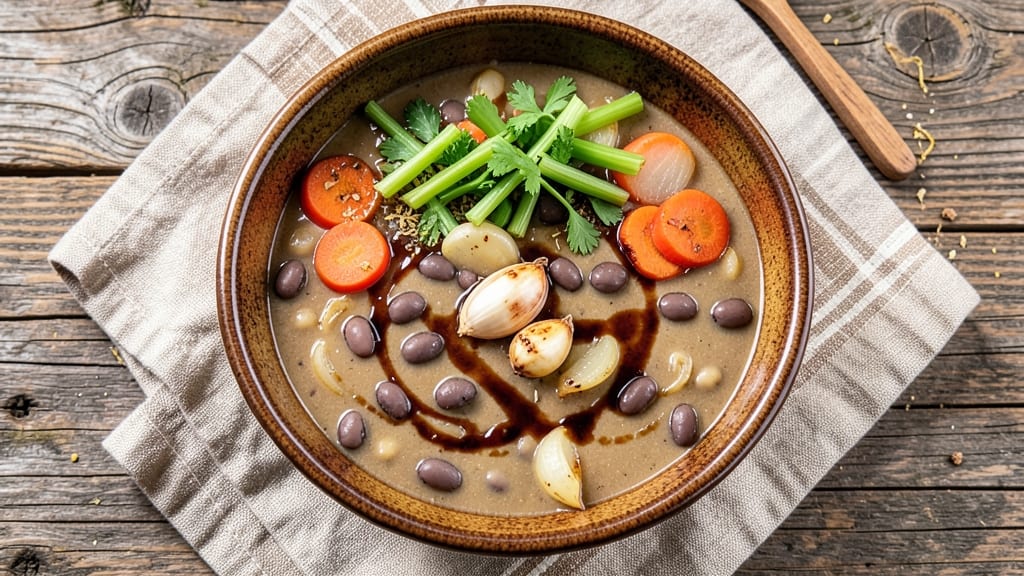
This Boston bean soup recipe brings the hearty, smoky comfort of New England to your kitchen—where tender beans simmer in a rich, molasses-kissed broth until every spoonful feels like a hug. 💛 The secret lies in slow-cooked navy beans and a touch of dark molasses that gives this soup its signature depth, a tradition dating back to colonial times when beans were a staple for hardworking families.
What makes this recipe special is its simplicity and soul-warming results—just a few ingredients transform into a meal that's both rustic and refined.
The beans soften over hours of simmering, absorbing the savory broth and subtle sweetness, while optional toppings like crispy bacon or fresh herbs add layers of texture and flavor. It's the kind of soup that tastes even better the next day.
By the time you're done, you'll have a steaming bowl of New England-style bean soup with tender beans, smoky undertones, and a velvety broth that pairs perfectly with crusty bread or a side salad.
The aroma alone will have everyone gathering around the table, and the first bite delivers on that classic, comforting taste of home.
Perfect for chilly evenings, family gatherings, or when you need a meal that's both nourishing and nostalgic. Let's get started on this timeless recipe that's been warming hearts for generations.
Ingredients for boston bean soup
Navy beans, molasses, and aromatic vegetables create this classic New England comfort dish.
| Ingredient | Amount | Notes |
|---|---|---|
| Navy Beans (Dried) 🌾 | 2 cups | Soaked overnight for best texture |
| Dark Molasses 🍯 | ¼ cup | Unsulphured for authentic flavor |
| Onions (Yellow) 🧅 | 2 whole | Diced into small pieces |
| Carrots (Medium) 🥕 | 3 whole | Cut into 1-inch chunks |
| Celery Stalks 🥬 | 3 whole | Diced into small pieces |
| Garlic Cloves 🧄 | 4 cloves | Minced for aromatic depth |
| Vegetable Broth 💧 | 6 cups | Low-sodium preferred |
| Tomato Paste 🍅 | 2 tbsp | For rich, concentrated flavor |
| Bay Leaves 🌿 | 2 whole | Removed before serving |
| Black Peppercorns 🌶️ | 1 tsp | Freshly cracked preferred |
| Salt 🧂 | 1 ½ tsp | Adjust to taste |
| Apple Cider Vinegar 🍎 | 1 tbsp | Brightens the broth |
| Fresh Thyme Leaves 🌿 | 1 tbsp | Optional for freshness |
| Crispy Bacon (Optional) 🥓 | ½ cup | Chopped for garnish |
The navy beans are the heart of this soup, and dried beans deliver the best texture—soaking them overnight ensures they soften perfectly. For the molasses, Goya or Brer Rabbit brands are my go-tos, as they have that deep, smoky profile. Onions, carrots, and celery form the classic 'holy trinity' of New England soups, so don't skimp on freshness here. If you're short on time, frozen chopped vegetables work in a pinch, but fresh is always better. The garlic cloves should be minced finely—they're the secret to that rich, aromatic base.
No molasses? Substitute with 2 tablespoons of maple syrup plus 1 teaspoon of coffee for a similar depth. Fresh thyme is ideal, but dried thyme at one-third the amount works if you're in a hurry. For the tomato paste, San Marzano is the gold standard, but any quality brand in a tube will do. The apple cider vinegar might seem unusual, but it cuts through the richness of the molasses and brightens the broth. If you're avoiding vinegar, a splash of lemon juice will work, though it won't be exactly the same. For the optional bacon, thick-cut applewood-smoked bacon adds the most flavor, but any bacon will do.
This soup tastes even better the next day, so make a double batch if you can. Store it in the fridge for up to 5 days, or freeze portions for 3 months. To reheat, gently warm on the stove with a splash of broth or water—never boil, or the beans will get mushy. The bacon, if using, should be crisped up fresh before serving to keep it crunchy. Leftovers reheat beautifully, making this a perfect make-ahead meal for busy weeks.
Why You'll Love This Recipe
- One-Pot Magic: I swear by this soup—just toss everything into one pot, simmer, and walk away. No chopping like a fine chef (I’m still learning that part), and the molasses caramelizes into a rich, sticky goodness that takes zero effort.
- Molasses Magic: That first spoonful of dark molasses in the broth? Chef’s kiss. It’s not too sweet—just deep, smoky, and slightly bitter, like a hug from a campfire. The beans soak up all that flavor, turning into tender, hearty bites that taste like home.
- Leftovers That Save: This soup only gets better after day two. The flavors meld into something even richer, and it reheats like a dream. I make a double batch on Sundays—one for dinner, one for lazy nights when I’d rather binge Netflix than cook.
- Budget-Friendly Powerhouse: Dried navy beans and pantry staples like molasses and onions? This is the kind of recipe that won’t break the bank. A single batch feeds four for under $5, and I’ve never once regretted the trade-off for that soul-warming bowl of goodness.
Step-by-step instructions for Boston bean soup
Here's the authentic New England method—slow simmering builds deep, smoky flavor.
🍳 Step 1: Sauté the Vegetable Base
Heat 1 tablespoon olive oil in a large Dutch oven over medium heat. Add the diced yellow onions, diced carrots, and diced celery stalks. Cook for 8-10 minutes until the vegetables soften and begin to caramelize slightly—this builds foundational flavor. Stir occasionally to prevent burning.
Add the minced garlic cloves and cook for 30 seconds until fragrant. Here's the thing—don't let the garlic brown, or it'll turn bitter. Keep the heat at medium and watch closely. The vegetables should be tender but not mushy, with just enough color to indicate they've released their natural sugars.
🍳 Step 2: Add Molasses and Tomato Paste
Stir in the 2 tablespoons tomato paste and cook for 1 minute to remove the raw taste. Then add the 0.25 cup dark molasses and the 1 tablespoon apple cider vinegar. Stir well to combine—this creates the signature sweet-savory balance. The mixture will darken slightly as it warms through.
Pour in the 6 cups vegetable broth and bring to a gentle boil. Add the 2 whole bay leaves, 1 teaspoon cracked black peppercorns, and 1.5 teaspoons salt. I always taste the broth at this stage—adjust the salt if needed, but remember you'll add more beans and bacon later. The broth should have a rich, slightly sweet depth from the molasses and vinegar.
🥘 Step 3: Simmer the Beans Until Tender
Add the 2 cups soaked navy beans (drained if you soaked them) to the pot. Bring to a boil, then reduce heat to low and cover partially. Simmer for 1.5-2 hours until the beans are fork-tender. Here's the critical part: stir occasionally to prevent sticking, and add hot water as needed to keep the beans submerged.
You'll know they're ready when a bean easily crushes between your fingers with gentle pressure. The beans should be tender but still hold their shape—overcooking turns them mushy. If you're short on time, you can use a pressure cooker (about 30 minutes on high pressure), but traditional simmering develops the best flavor.
🔥 Step 4: Finish and Adjust Seasoning
Remove the bay leaves and stir in the 1 tablespoon fresh thyme leaves (if using). Taste the soup and adjust seasoning—you might need a bit more salt or vinegar to balance the sweetness. The soup should have a rich, slightly smoky depth with a touch of acidity from the vinegar.
For the optional garnish, stir in the 0.5 cup crispy bacon and let it warm through for 2-3 minutes. The bacon adds a smoky richness that complements the molasses perfectly. Serve the soup hot in bowls, with extra bacon on top if desired. This soup tastes even better the next day as the flavors meld further!
Pro Tips For Making Boston Bean Soup
- SOAK BEANS OVERNIGHT: I learned this the hard way—rushing navy beans with a quick soak leaves them gummy no matter how long you simmer. Toss them in cold water for 8+ hours (or at least 2 hours with a pinch of baking soda), then drain. The texture will be silky, not mushy, and the soup won’t taste like you’re eating beans from a can.
- SWATTER THE ONIONS: High heat. Seriously, crank it up when you’re sautéing the onion-carrot-celery mix until the onions turn golden brown—about 8-10 minutes. That caramelization is what makes the soup taste homemade, not just "vegetable-y." (Yes, even if you’re impatient like me.)
- STIR IN MOLASSES LAST: Add the dark molasses after the beans have simmered for at least 30 minutes, not at the start. It burns faster than you’d think, and once it does, you can’t fix the bitter tang. A splash of vinegar or extra salt won’t cut it—trust the process.
- SAVE TIME WITH STOCK: Skip the separate veggie or chicken stock and just toss the leftover onion scraps, celery ends, and carrot peels into the pot when you’re prepping the soup. Simmer them with the beans for the first 20 minutes—they’ll add depth without extra effort. (Your future self will thank you.)
Best sauces and condiments for this dish
Molasses Depth
The star of this soup's flavor is the dark molasses, which adds a rich, smoky sweetness that's essential to authentic Boston bean soup. I recommend unsulphured molasses like Brer Rabbit or Goya for that classic depth.
If you're out of molasses, a mix of 2 tablespoons maple syrup plus 1 teaspoon instant coffee can mimic its complexity. The molasses should be stirred in early to dissolve completely into the broth, creating a velvety sweetness that balances the savory beans. 🍯
Apple Cider Vinegar
Don't skip the apple cider vinegar—it's the secret to cutting through the molasses' richness and brightening the broth. I use 1 tablespoon to add a subtle tang that enhances all the other flavors.
If you're avoiding vinegar, try a splash of lemon juice instead, though it won't be exactly the same. The vinegar should be added with the molasses and tomato paste at the beginning to integrate fully into the base.
Tomato Paste Base
The 2 tablespoons tomato paste serves as a flavor concentrator, adding depth without overpowering the dish. I always use San Marzano tomato paste for its sweet, rich flavor, but any quality brand works.
Cook it for just 1 minute to remove the raw taste before adding the molasses. This step builds a smooth, savory foundation that the beans will absorb beautifully as they simmer.
Fresh Thyme Finish
Finish the soup with 1 tablespoon fresh thyme leaves for a bright, herbal note that complements the smoky molasses. If you're using dried thyme, reduce to 1 teaspoon and add it with the bay leaves. The thyme should be stirred in just before serving to preserve its fresh aroma.
For an extra touch, garnish each bowl with a few thyme sprigs—it looks beautiful and adds a pop of color to the rich, brown soup. 🌿
Crispy Bacon Topping
The optional crispy bacon adds a smoky, salty crunch that takes this soup to the next level. I prefer thick-cut applewood-smoked bacon for its rich flavor, but any bacon works. Crisp it separately and stir it into the soup just before serving to keep it perfectly crunchy.
For extra drama, top each bowl with a few extra bacon pieces—it's a showstopper that everyone will love. 🥓
Nutrition facts
Frequently asked questions
Why does this recipe use navy beans instead of other types?
Navy beans are the traditional choice for Boston bean soup because of their firm texture and mild flavor, which absorb the rich molasses broth beautifully. Their small size also makes them perfect for hearty soups where you want each bite packed with bean goodness. Other beans like kidney or pinto can work, but they may alter the soup's classic consistency.
Can I make this soup without molasses?
Yes, but the flavor will be different. For a substitute, mix 2 tablespoons maple syrup with 1 teaspoon instant coffee to mimic molasses' depth. The coffee adds a smoky note that's hard to replicate otherwise. If you're avoiding sweeteners entirely, try a splash of balsamic vinegar for complexity, though it won't be exactly the same.
How do I know when the beans are perfectly tender?
The beans are done when they easily crush between your fingers with gentle pressure but still hold their shape. Start checking at 1.5 hours of simmering—overcooking turns them mushy. For extra insurance, cut one open: if the center is soft but not falling apart, they're perfect for serving.
Can I use canned beans instead of dried?
You can, but the texture and flavor won't be the same. Canned beans cook faster and absorb less of the broth's rich flavors. If using canned, drain and rinse them well, then simmer for 30-45 minutes to let them absorb some of the soup's depth. For best results, stick with dried beans—they're worth the extra time!
What's the best way to reheat leftovers?
Gently reheat on the stove over low heat with a splash of broth or water—never boil, or the beans will get mushy. For extra richness, stir in a pat of butter or a splash of cream at the end. Leftovers actually taste better the next day as flavors meld further, so plan to make extra!