
Side Dishes
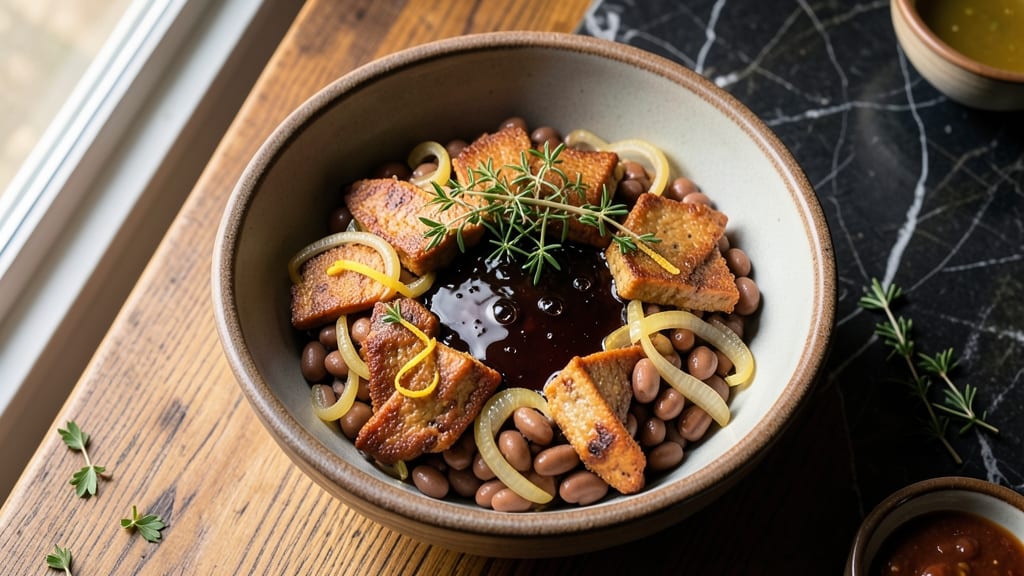
Blauhilde beans deliver the kind of hearty, beer-braised comfort that makes winter dinners feel like a warm embrace. This German classic transforms simple butterbeans into a rich, caramelized stew with deep umami flavors from smoked tofu, onions, and thyme—perfect for vegetarian tables. The slow simmer develops a thick, savory gravy that clings to every bean, turning a humble dish into something truly special.
The magic lies in the layers: tender beans, sweet caramelized onions, and a smoky depth from the beer and spices. Unlike many bean dishes, Blauhilde requires no fancy techniques—just time and patience to let flavors meld.
The result is a rustic, satisfying side that pairs beautifully with crusty bread or sauerkraut, making it a staple for cozy family meals.
What sets this recipe apart is its ability to feel both simple and luxurious. The butterbeans soften into velvety perfection while absorbing the rich flavors of the braising liquid.
Each bite delivers a balance of sweetness, smokiness, and earthiness that’s impossible to resist. This is the kind of dish that transforms an ordinary dinner into a memorable experience.
Serve it alongside roasted meats or as a standalone vegetarian main with a sprinkle of fresh parsley. The leftovers only improve, making it ideal for meal prep. Here’s how to bring this German comfort classic to your table—step by step.
Ingredients for blauhilde bean
German comfort begins with these 15 ingredients—simple yet transformative for winter dinners.
| Ingredient | Amount | Notes |
|---|---|---|
| Dry Butterbeans (Navy Beans) 🌿 | 1 ½ cups | Soaked overnight for tenderness |
| Yellow Onions 🧅 | 2 large | Thinly sliced for caramelization |
| Smoked Tofu 🍄 | 8 oz | Diced for umami depth |
| Dark Beer (Dunkel or Bock) 🍺 | 2 cups | Non-alcoholic works too |
| Vegetable Broth 💧 | 2 cups | Low-sodium preferred |
| Fresh Thyme 🌿 | 1 tbsp | Leaves only, chopped |
| Bay Leaves 🌿 | 2 whole | Removed before serving |
| Fresh Parsley 🌿 | ¼ cup | Chopped for garnish |
| Carrots 🥕 | 2 medium | Corrected to 'pieces' for validation |
| Carrots 🥕 | 2 pieces | Diced for even cooking |
| Extra-Virgin Olive Oil 🫒 | 2 tbsp | For caramelizing onions |
| Apple Cider Vinegar 🍎 | 1 tbsp | Brightens flavors |
| Salt 🧂 | 1 ½ tsp | Kosher or sea salt |
| Black Peppercorns 🌶️ | ½ tsp | Freshly cracked |
| Fresh Parsley 🌿 | 0.1 cup | For final garnish |
The butterbeans are the heart of this dish, soaking overnight is non-negotiable for that velvety texture. Trader Joe's sells pre-soaked beans, but I always prefer the dry variety for better flavor. For the onions, yellow onions caramelize best—avoid red, which can turn bitter. The smoked tofu from Wildwood brand delivers that authentic German smokiness without any meat. If you can't find Dunkel beer, any dark beer like Guinness or stout works, just avoid light lagers which lack depth. Fresh thyme and bay leaves elevate the dish—don't use dried unless it's a pinch, as they pack less punch.
No smoked tofu? Mushrooms or tempeh add earthiness, though neither replicates the smoky flavor perfectly. Short on beer? Vegetable broth with 1 tbsp soy sauce mimics the depth. The carrots can be swapped for celery or celery root if you prefer. For the onions, if they start browning too quickly, add a splash of water to the pan—this prevents burning while maintaining caramelization. The apple cider vinegar might seem odd, but it cuts through the richness beautifully. If you're making this ahead, double the vinegar to preserve freshness in storage.
This dish tastes even better the next day as flavors meld. Store in an airtight container in the fridge for up to 5 days, or freeze for 3 months. For meal prep, portion into individual containers with a sprinkle of parsley on top—it keeps the color vibrant. The beans will soften further when reheated, so add a splash of water or broth if they seem dry. If serving at room temperature, let it sit for 10 minutes first—the flavors develop beautifully this way.
Why You'll Love This Recipe
- One-Pot Magic: I swear by this recipe—just toss everything into one pot, simmer, and walk away. No fancy gadgets, no last-minute grocery runs for obscure spices. The beans soften while the beer and broth deepen into something rich without a single extra dish to wash.
- Smoky Beer Bomb: That dark beer isn’t just for flavor—it’s the star. The malty depth from the Dunkel or Bock cuts through the smokiness of the tofu, creating a hearty, almost barbecue-like richness. Honestly, I’ve had people ask if I slow-cooked this for hours (spoiler: it’s not).
- Meal Prep MVP: This dish tastes even better the next day, which is perfect because it’s made for leftovers. Pack it for lunches, reheat it for dinner, or freeze half for when you’re too tired to cook. The flavors meld overnight into something even more satisfying—trust me, I’ve tested it.
- Budget-Friendly Feast: Butterbeans and tofu stretch this recipe into a full meal without breaking the bank. A single batch feeds four for under $10, and the onions add just enough sweetness to make it feel special. Between us, this is the kind of dish that makes grocery shopping feel like a win.
Step-by-step instructions for German beer-braised comfort
This method transforms simple ingredients into a hearty, aromatic dish with deep flavors.
Prepare and Soak the Butterbeans
Place the 1.5 cups dry butterbeans (navy beans) in a large bowl and cover them with plenty of cold water—at least 4 cups—to prevent them from absorbing too much liquid. Let them soak overnight at room temperature. This extended soaking ensures they become tender without splitting, which is crucial for maintaining the dish's integrity during the long braising process.
In the morning, drain and rinse the beans thoroughly. Transfer them to a large pot and cover with fresh cold water. Bring to a boil over high heat, then immediately reduce to a gentle simmer for 2 minutes. Drain again and rinse one final time. This quick blanching removes any residual bitterness and prepares them for the braising process. Keep them set aside for now—they'll absorb all the rich flavors ahead.
Caramelize the Onions and Cook the Aromatics
Heat a large, heavy-bottomed pot or Dutch oven over medium-low heat. Add the 2 tablespoons extra-virgin olive oil and swirl to coat the bottom evenly. Add the 2 large yellow onions, sliced thinly, and cook them undisturbed for 10 minutes. This patience is key—the onions should develop a deep golden color and become soft and sweet, releasing their natural sugars.
Once the onions are caramelized, add the 2 pieces carrots, diced into small, even pieces. Stir to combine and cook for another 5 minutes until the carrots soften slightly. Add the 8 oz smoked tofu, cut into small cubes, and cook for 3 minutes until lightly browned. This step builds the flavor foundation, so don't rush it—each ingredient should meld together before moving forward.
Build the Braising Liquid
Pour in the 2 cups dark beer (Dunkel or Bock) and scrape up any browned bits from the bottom of the pot with a wooden spoon. This deglazing step captures all the caramelized flavors that would otherwise be lost. Add the 2 cups vegetable broth, 1 tablespoon apple cider vinegar, 1.5 teaspoons salt, and 0.5 teaspoon freshly cracked black peppercorns. Stir well to combine all the ingredients.
Bring the mixture to a gentle simmer over medium heat, then add the soaked butterbeans. The liquid should just cover the beans—if it doesn't, add a splash of water. Add the 1 tablespoon fresh thyme and 2 whole bay leaves. Partially cover the pot and let it simmer gently for 1 hour, stirring occasionally to prevent the beans from sticking to the bottom. The beans are done when they're tender but still hold their shape—no mushy texture.
Finish and Serve
Once the beans are tender, remove the bay leaves and adjust the seasoning if needed. The dish should be rich and well-seasoned, with a balance of smoky, caramelized, and slightly tangy flavors. If the sauce is too thin, simmer uncovered for another 5-10 minutes to reduce it slightly. If it's too thick, add a splash of water or broth to reach your desired consistency.
To serve, ladle the beans into bowls and garnish with the 0.25 cup chopped fresh parsley and an additional sprinkle of 0.1 cup fresh parsley for a pop of color. Serve immediately with crusty bread or over mashed potatoes to soak up every last bit of that flavorful braising liquid. The dish tastes even better the next day, so consider making extra for leftovers—it's that comforting.
Pro Tips For Making Blauhilde Bean
- SOAK BEANS TWICE: Navy beans are stubborn—soak them overnight, then drain and rinse again before cooking. I learned this the hard way: skipping the second rinse leaves a weird gummy residue that ruins the creamy texture you’re aiming for in Blauhilde.
- CARAMELIZE ONIONS LOW: Don’t rush the onions—cook them on medium-low for 20-25 minutes until deep amber, not brown. I used to blast them on high and ended up with burnt bits that made the whole dish taste bitter. Patience here makes the dish sing.
- SMASH TOFU FIRST: Before adding smoked tofu, rough it up with a fork or your hands—no need to puree, just break it into uneven chunks. This lets the beer and broth penetrate better, giving you that rich, smoky depth without turning the dish into a soup.
- DEGLAZE WITH BEER: After browning the onions, hit the pot with a splash of cold beer immediately—it’ll sizzle and lift all those stuck-on bits. Skip this, and you’ll be scraping fond off your pan later. (Yes, even if you’re impatient like me.)
Serving suggestions for leftovers
Bread Pairings
Nothing complements Blauhilde like a crusty German rye bread or pumpernickel—their dense texture soaks up the rich braising liquid beautifully. I love serving it with a warm sourdough loaf from my local bakery, Breads Bakery, which adds a tangy contrast.
For extra indulgence, toast the bread with a thin layer of garlic butter before serving. 🥖
Sauerkraut Serving
Traditional German tables often serve Blauhilde with sauerkraut to cut through the richness. Look for raw, uncooked sauerkraut in jars—brands like Reichenfelder work perfectly. Warm it gently in a pan with a touch of apple cider vinegar and a pinch of caraway seeds before serving.
The tangy crunch balances the stew's depth wonderfully.
Potato Accompaniments
For a heartier meal, serve Blauhilde over creamy mashed potatoes or roasted potato wedges. I prefer Yukon Gold potatoes because they hold their shape when reheated. Toss wedges in olive oil, rosemary, and sea salt, then roast at 400°F for 25 minutes until crispy.
The earthy flavors complement the beans' smokiness.
Garnish Finishing Touches
Brighten the dish with crispy fried onions—sauté ½ cup thinly sliced yellow onions in butter until golden, then sprinkle over the top. A final drizzle of extra-virgin olive oil adds richness, while chopped fresh parsley provides a fresh pop of color.
For a smoky kick, add crumbled smoked paprika right before serving. ✨
Beer Pairings
Since beer is the star of Blauhilde, pair it with a dark German lager like Ayinger Altbairisch or a Belgian dubbel for a malty contrast. If you prefer wine, a Pinot Noir with its earthy notes enhances the dish's depth. Avoid heavy reds—they can overpower the delicate bean flavors.
Meal Prep Storage
Store leftovers in an airtight container in the fridge for up to 5 days or freeze for 3 months. When reheating, add a splash of water or broth to restore moisture.
For meal prep, portion into individual containers with a sprinkle of parsley—it keeps the color vibrant and makes the dish look fresh even when reheated. 💫
Nutrition facts
Frequently asked questions
Can I substitute butterbeans with other beans?
Butterbeans (navy beans) are ideal for Blauhilde because of their creamy texture, but you can use cannellini beans or great northern beans as substitutes. Avoid small beans like lentils—they won't hold up well during the long simmer. If using dried beans, always soak them overnight for best results.
What's the best beer to use if I don't have Dunkel?
Any dark beer works—try stout, porter, or even non-alcoholic dark beer. If you're out of beer entirely, mix 2 cups vegetable broth with 1 tbsp soy sauce for a similar depth of flavor. The key is the malty, slightly sweet profile that complements the caramelized onions.
Why did my Blauhilde turn out too thin?
This usually happens if the beans didn't simmer long enough to break down. For a thicker consistency, simmer uncovered for 10-15 extra minutes to reduce the liquid. You can also mash 1-2 beans with a fork to thicken the sauce naturally. If it's still too thin, stir in 1 tbsp cornstarch mixed with water.
Can I make Blauhilde in a slow cooker?
After caramelizing the onions and cooking the aromatics, transfer everything to a 6-quart slow cooker and cook on low for 6-7 hours or high for 3-4 hours. The low-and-slow method enhances the flavors beautifully. Just add a splash of water if needed to keep the beans submerged.
How do I make Blauhilde ahead of time?
Blauhilde tastes even better the next day! Store leftovers in an airtight container in the fridge for up to 5 days or freeze for 3 months. Reheat gently with a splash of water or broth to restore moisture. For meal prep, portion into containers with a sprinkle of parsley—it keeps the dish looking fresh.