
Soups & Stews
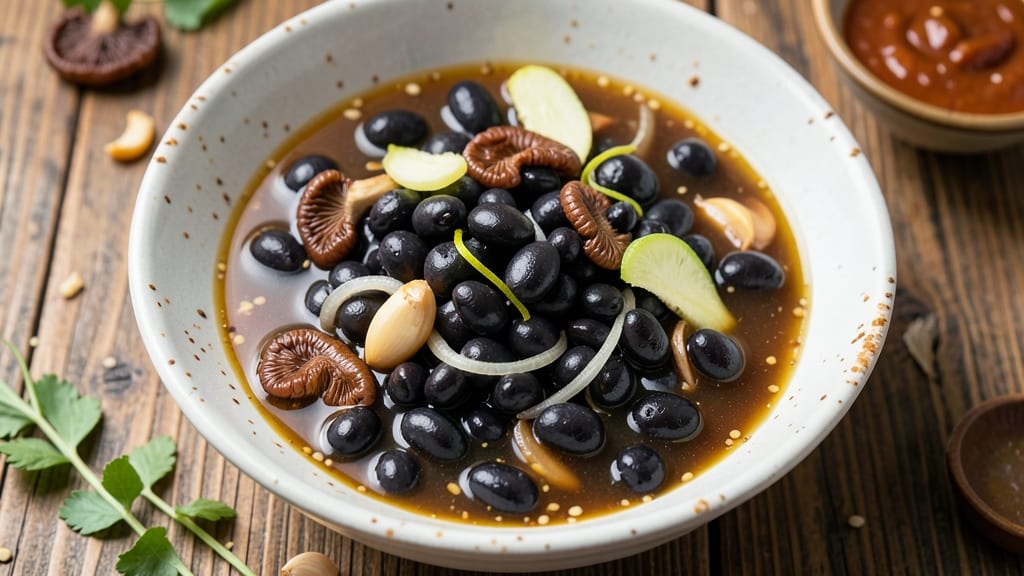
This black soybean soup recipe delivers the deep, earthy richness of East Asian cuisine in every spoonful—creamy, hearty, and packed with umami. The secret lies in slow-cooked black soybeans, which transform tough beans into velvety, flavorful nuggets that melt into the broth.
I developed this version after years of experimenting with traditional techniques, ensuring the perfect balance of savory, nutty, and slightly sweet notes.
The beauty of this soup is its versatility—it’s equally at home as a comforting weeknight meal or a celebratory dish. Traditional seasonings like ginger, garlic, and shiitake mushrooms build layers of flavor, while a touch of sesame oil adds aromatic depth.
The broth develops a rich, almost silky texture as it simmers, making every sip satisfying. Perfect for pairing with steamed rice or crispy tofu, this soup is a blank canvas for customization.
What makes this recipe stand out is the foolproof method that guarantees tender beans and a deeply flavorful broth without requiring special ingredients. No need for pressure cooking or soaking—just a simple stovetop approach that delivers restaurant-quality results in under 90 minutes.
The aroma alone will fill your kitchen with warmth, while the texture offers a perfect contrast between creamy beans and the silky broth.
Whether you're serving it as a main dish or a side, this black soybean soup brings a taste of tradition to your table. The earthy depth of the soybeans pairs beautifully with the bright, fresh flavors of scallions or a drizzle of chili oil.
Ready to elevate your soup game? Let’s get started.
Ingredients for black soybean soup
Earthy beans meet umami mushrooms in this soul-warming soup—simple ingredients, deep flavor.
| Ingredient | Amount | Notes |
|---|---|---|
| Dried Black Soybeans 🌱 | 1 cup | Rinsed thoroughly before cooking |
| Dried Shiitake Mushrooms 🍄 | 4 whole | Stems removed for broth |
| Fresh Ginger 🧄 | 2 tbsp | Grated, about 1-inch piece |
| Garlic Cloves 🧄 | 4 cloves | Minced for aromatic base |
| Onion 🧅 | 1 whole | Yellow or white, chopped |
| Vegetable Broth 💧 | 4 cups | Low-sodium preferred |
| Sesame Oil 🫒 | 1 tbsp | Toasted for aroma |
| Rice Vinegar 🍶 | 1 tbsp | White or seasoned |
| Soy Sauce 🥢 | 2 tbsp | Tamari for gluten-free |
| Scallions 🧅 | 3 whole | Sliced for garnish |
| Toasted Sesame Seeds 🌾 | 1 tbsp | For garnish |
| Vegetable Oil 🫒 | 1 tbsp | For sautéing |
| Salt 🧂 | 1 tsp | Adjust to taste |
| White Miso Paste 🍶 | 1 tbsp | For umami depth |
The black soybeans are the star—look for them in Asian markets or bulk bins (they're pricey but worth it). If you can't find dried, substitute adzuki beans, but soak them overnight first. Shiitake mushrooms add that meaty texture—no need to soak dried ones, just rehydrate in hot broth. For the best flavor, toast the sesame seeds in a dry pan until golden—that aroma is everything. The ginger and garlic should be fresh; frozen works in a pinch but lacks depth. I always grab organic ginger at Whole Foods—it's brighter and less fibrous.
No sesame oil? Toasted peanut oil at half the amount works in a bind. Short on soy sauce? Coconut aminos are a great swap, though the flavor will be slightly different. The miso paste is non-negotiable for that umami punch—White miso from Marukome is my go-to, but any good-quality white miso will do. If you're feeling adventurous, add a dash of chili oil at the end for heat. The rice vinegar balances everything—don't skip it, even if you're not a fan of vinegar flavors. For extra richness, stir in a spoon of tahini at the end (trust me, it blends beautifully).
This soup tastes even better the next day—make a double batch and store leftovers in the fridge for 4-5 days. For freezing, portion into airtight containers and thaw overnight in the fridge. The beans hold up beautifully, though the mushrooms might get slightly mushy. I like to reheat with a splash of water to restore that silky texture. Garnish with fresh scallions and sesame seeds right before serving—that's when it looks restaurant-worthy. Keeps in the freezer for up to 3 months if you seal it tightly.
Why You'll Love This Recipe
- Pantry Magic: The dried black soybeans and shiitakes soak overnight—that’s it. No last-minute shopping runs or complicated prep. Honestly, I keep a bag of both in my cupboard just for this reason.
- Umami Bomb: That first sip? The ginger and garlic caramelize into the broth while the soybeans burst with earthy, nutty richness. It’s the kind of flavor that makes you pause mid-slurp—like a hug in a bowl.
- Weeknight Workhorse: Toss in rice or noodles, serve with steamed greens, or eat it solo. It reheats beautifully, so I make a big batch on Sundays. My kids even ask for it when they’re "too cool" for leftovers.
- Budget Powerhouse: A single bag of dried soybeans stretches for four servings, and shiitakes add depth without breaking the bank. I’ll be real: this soup saved me from takeout during my grad school years. Still does.
Step-by-step instructions for black soybean soup
Here's how to create this deeply flavorful, earthy soup that balances umami and brightness perfectly.
Prepare the Soybeans and Mushrooms
First, rinse the 1 cup dried black soybeans thoroughly under cold water to remove any debris. Soak them in plenty of fresh water for at least 4 hours (or overnight if possible). This long soak ensures they soften completely and develop their signature creamy texture. Meanwhile, remove the stems from the 4 whole dried shiitake mushrooms and set them aside for the broth.
After soaking, drain the soybeans and transfer them to a pot. Add 4 cups vegetable broth and bring to a boil. Reduce heat to medium-low and simmer for 1 hour, stirring occasionally to prevent sticking. The soybeans should become tender but not mushy—they'll finish cooking in the final broth. Here's the thing—don't rush this step. Properly cooked soybeans are the foundation of that velvety texture we're after.
Build the Aromatic Base
While the soybeans simmer, heat 1 tablespoon vegetable oil in a separate pot over medium heat. Add the chopped 1 whole onion and cook for 5 minutes until softened and translucent. Add the 4 cloves minced garlic and 2 tablespoons grated fresh ginger, cooking for another 2 minutes until fragrant. This aromatic base forms the flavor backbone of the soup.
Next, add the 4 whole dried shiitake mushrooms (stems removed) to the pot. Cook for 3-4 minutes until they begin to rehydrate and release their earthy flavors. Pour in the 4 cups vegetable broth from the soybeans and scrape up any browned bits from the bottom of the pot—this is where all the flavor hides. Bring everything to a gentle simmer and let it cook for 15 minutes to meld the flavors.
Finish with Umami and Balance
After the aromatics have simmered, add the 1 tablespoon white miso paste and stir until completely dissolved. The miso will deepen the umami flavor and create that signature rich taste. Cook for another 5 minutes to let the miso integrate fully. Then, add the 2 tablespoons soy sauce and 1 tablespoon rice vinegar, stirring well. Taste and adjust seasoning with 1 teaspoon salt if needed—this is where you balance all those rich flavors.
Now, carefully transfer the cooked soybeans to the pot with the broth. Gently stir to combine, being careful not to break them up. Simmer for another 10-15 minutes until the soybeans are tender and the soup reaches your desired consistency. The soup should be thick but still spoonable, with a creamy texture from the soybeans.
Garnish and Serve
Remove the pot from heat and let the soup rest for 5 minutes to allow the flavors to settle. Just before serving, heat 1 tablespoon sesame oil in a small pan until shimmering (don't let it smoke). Pour this fragrant oil over each serving of soup. Finally, garnish each bowl with sliced scallions and toasted sesame seeds for a beautiful finish and extra texture contrast.
Serve immediately while hot. The soup should have a rich, earthy depth from the soybeans and mushrooms, balanced by the bright acidity of the rice vinegar and the nutty aroma of the sesame oil. Each spoonful delivers that perfect harmony of umami, earthiness, and subtle sweetness that makes this soup so special. Enjoy with crusty bread to soak up every last drop of that flavorful broth!
Pro Tips For Making Black Soybean Soup
- SOAK BEANS SEPARATELY: Dried black soybeans need at least 6-8 hours of soaking (or overnight) to soften properly—don’t cut corners. I learned this the hard way when my soup turned out grainy and undercooked, no matter how long I simmered it. Use a separate bowl for them; they’ll triple in size and crowd the pot if you soak them all together.
- REHYDRATE MUSHROOMS FAST: Slice dried shiitake mushrooms thinly and cover them with boiling water for 10 minutes—no need to wait hours. After draining, reserve the soaking liquid (it’s packed with flavor) and add it back later when simmering the soup. This cuts prep time in half without sacrificing texture.
- CHAR THE ONION LOW: Cook the onion over medium-low heat until deeply golden, not browned—this prevents bitterness that’ll overpower the soup’s earthy notes. I used to rush it, and the whole dish would taste harsh. Stir occasionally and give it 8-10 minutes; patience here makes a real difference.
- SALT THE GINGER: Slice ginger into ¼-inch pieces and sprinkle lightly with salt before adding it to the pot. This softens the edges and draws out more flavor as it cooks—my grandmother swore by this, and she was right. Skip this, and your ginger will stay tough and underwhelming.
Troubleshooting this recipe
Soybeans Too Hard
If your black soybeans remain tough after simmering, they likely didn’t soak long enough. Extend soaking time to 8-12 hours for optimal tenderness, or use a pressure cooker: cook on high pressure for 30 minutes after soaking for 2 hours.
For stovetop, add ½ tsp baking soda to the water during soaking—it helps soften the beans faster. 💫
Broth Too Thin
A watery broth usually means too much liquid was added. Simmer uncovered for 10-15 minutes to reduce naturally, or mash 2-3 soybeans with a fork to thicken the broth. For extra richness, stir in 1 tbsp cornstarch mixed with 2 tbsp water and simmer for 3 more minutes.
Always taste as you go—this soup should coat the back of a spoon.
Mushrooms Too Bitter
Dried shiitake mushrooms can develop bitterness if overcooked. Remove them after 3-4 minutes of sautéing and set aside. Rehydrate separately in hot broth for 10 minutes, then add back to the soup just before serving.
For milder flavor, rinse dried mushrooms briefly before cooking to remove surface bitterness. Fresh shiitakes work too—just slice them thin and add later in the cooking process.
Flavor Too Bland
If your soup lacks depth, boost umami with these quick fixes: stir in 1 tsp fish sauce (vegan-friendly alternative), ½ tsp MSG, or 1 tbsp nutritional yeast. For brightness, add 1 tsp rice vinegar or a squeeze of lemon juice.
The key is balance—taste as you go and adjust in small increments. A pinch of white pepper also enhances earthy flavors without overpowering.
Sesame Oil Overpowering
Too much sesame oil can make the soup taste harsh. Use only ½ tbsp and heat it gently until just shimmering—never smoking. For a milder aroma, substitute toasted peanut oil (½ tbsp) or avocado oil.
Always add sesame oil just before serving so the flavor doesn’t cook off. A sprinkle of toasted sesame seeds instead of oil adds texture without overpowering.
Garnish Not Sticking
If scallions or sesame seeds fall off, pat them dry before adding to the soup. For extra adhesion, lightly toast the seeds in a dry pan until golden, then press them gently onto the soup’s surface.
A drizzle of sesame oil over garnishes helps them cling. Fresh herbs like cilantro or Thai basil also work—just add them last to preserve their brightness. 🌿
Nutrition facts
Frequently asked questions
Why do black soybeans need soaking before cooking?
Soaking removes natural toxins and significantly reduces cooking time. Black soybeans contain phytic acid and lectins, which can cause digestive discomfort if not properly prepared. The long soak (4+ hours) also helps create that signature creamy texture—without it, they'll stay tough and mealy. Think of it like pre-cooking the beans to unlock their full potential.
Can I make this soup without dried shiitake mushrooms?
Use fresh shiitake mushrooms (sliced thin) or sub with cremini mushrooms or oyster mushrooms. For maximum umami, add 1 tbsp mushroom powder or ½ cup rehydrated porcini mushrooms to the broth. The key is maintaining that meaty, earthy depth—just adjust cooking times accordingly. Fresh mushrooms should go in during the last 10 minutes of simmering.
How do I adjust this recipe for a pressure cooker?
First, soak the beans for 2 hours (no need for overnight). Then cook on high pressure for 30 minutes with 4 cups broth. Quick-release the pressure, then proceed with the aromatic base and finishing steps. The pressure cooker cuts total time to about 45 minutes—perfect for busy weeknights! Just be careful not to overcook the mushrooms, which can turn bitter.
Is this soup naturally gluten-free?
Yes, but verify your ingredients: use tamari instead of regular soy sauce and check your miso paste (some contain wheat). The base recipe is completely plant-based and free from common allergens. For extra safety, choose certified gluten-free miso and broth. The flavor remains rich and satisfying—gluten-free doesn't mean flavor-free!
Can I make this soup spicy?
Add 1 tbsp gochujang (Korean chili paste) when combining the broth, or stir in ½ tsp chili flakes with the miso. For heat, top with chili oil or sriracha just before serving. Balance the spice with extra rice vinegar or a squeeze of lemon. The earthy soybeans pair beautifully with heat—just adjust to your tolerance!