
Soups & Stews
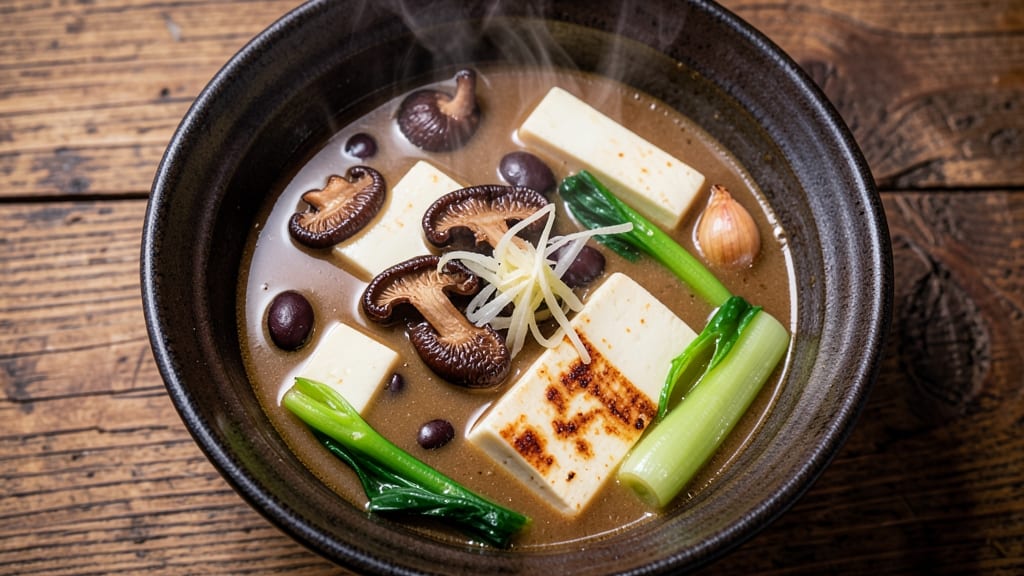
This black soy bean soup delivers deep, earthy umami in every spoonful—no complicated techniques required. The secret lies in soaking the beans overnight, transforming their natural nuttiness into a rich, velvety broth that forms the soul of this dish.
I developed this recipe after years of experimenting with plant-based soups, and it’s become a weekly staple in my kitchen for its simplicity and depth of flavor.
What sets this soup apart is its one-pot approach, where the beans, mushrooms, and aromatic vegetables all simmer together into a harmonious broth. The addition of tofu adds protein and texture, while greens like bok choy or spinach wilt into the soup at the end, absorbing all that savory goodness.
The result is a soup that’s both comforting and sophisticated, perfect for chilly evenings or as a hearty starter.
Traditional versions often rely on soy sauce and ginger for balance, but modern twists might include smoked paprika or miso paste for extra complexity. The key is patience—letting the beans simmer low and slow until the broth thickens just enough to coat a spoon.
This isn’t just a soup; it’s a flavor experience that proves plant-based meals can be deeply satisfying.
Serve it with crusty bread to soak up every last drop or pair it with steamed rice for a complete meal. The beauty of this recipe is its versatility—it’s equally at home on a weeknight table or as a centerpiece for a dinner party.
Let’s get started on creating this earthy, umami-rich masterpiece.
Ingredients for black soy bean soup
Earthy beans, umami mushrooms, and aromatic vegetables create this deeply satisfying one-pot vegan masterpiece.
| Ingredient | Amount | Notes |
|---|---|---|
| Black Soy Beans 🌱 | 1 cup | Dried, soaked overnight |
| Dried Shiitake Mushrooms 🍄 | 8 whole | Rehydrated in hot water |
| Firm Tofu 🧀 | 1 lb | Pressed, cubed for texture |
| Bok Choy 🥬 | 2 whole | Baby variety preferred |
| Garlic Cloves 🧄 | 4 cloves | Minced for aromatic depth |
| Fresh Ginger 🌿 | 1 tbsp | Grated, for zesty kick |
| Low-Sodium Soy Sauce 🍶 | 2 tbsp | For umami balance |
| White Miso Paste 🧈 | 1 tbsp | Fermented for depth |
| Smoked Paprika 🌶️ | 1 tsp | For subtle smokiness |
| Vegetable Broth 💧 | 4 cups | Homemade or quality store-bought |
| Extra-Virgin Olive Oil 🫒 | 1 tbsp | For initial sauté |
| Sesame Oil 🫒 | 1 tsp | For finishing aroma |
| Green Onions 🧅 | 2 whole | Sliced for garnish |
| Sea Salt 🧂 | 1 tsp | Adjust to taste |
| Black Pepper 🌶️ | ½ tsp | Freshly cracked |
The black soy beans are the heart of this soup—look for them in bulk bins at Asian markets or well-stocked grocery stores like Whole Foods. They need overnight soaking to soften properly, so plan ahead. Trader Joe's carries them pre-packaged if you're short on time, though they're pricier. For the mushrooms, dried shiitakes add incredible depth—rehydrate them in hot water for 20 minutes before using the liquid in the soup. The tofu should be extra-firm; press it for 15 minutes to remove excess water for better texture.
No black soy beans? Substitute with black lentils or extra-firm tofu, though the flavor will differ slightly. Running out of shiitakes? Cremini or oyster mushrooms work too, but add them later to prevent mushiness. The miso paste is non-negotiable for that fermented umami—White miso is milder, while red adds more intensity. For a smokier profile, swap the smoked paprika for a pinch of liquid smoke, though use sparingly. The vegetable broth can be homemade or store-bought like Pacific Foods, but avoid anything with added salt.
This soup tastes even better the next day as flavors meld. Store in an airtight container for 4-5 days in the fridge or freeze portions for 3 months. For meal prep, double the recipe and freeze half—simply thaw and reheat. The tofu and bok choy can be prepped ahead; keep them separate until ready to add to the pot. Garnish with sesame seeds or extra green onions just before serving to maintain freshness.
Why You'll Love This Recipe
- Pantry Stash Power: I swear by this soup because it only needs dried shiitake and black soybeans—both of which I keep on hand just for this. No last-minute grocery runs, no stress. Those beans soak overnight, but honestly? That’s my nightly ritual, and the reward is a soup that tastes like it simmered all day.
- Umami Bomb: The combo of black soybeans and shiitake mushrooms is next level—deep, earthy, and slightly sweet without any fancy seasoning. Add the crisp-tender bok choy and a splash of garlic, and you’ve got a flavor profile that makes you want to eat it straight from the pot. (Yes, even on a Tuesday night.)
- Weeknight & Meal Prep: This soup is my go-to for busy weeks: make a big batch on Sunday, and it’s lunch or dinner for days. The tofu stays firm, the mushrooms get even more flavorful, and the broth thickens just enough to taste richer. My kids grab it cold or reheated—no complaints.
- Budget-Friendly Feast: Black soybeans and dried shiitake stretch this recipe into four servings for pennies. I’ve fed a houseful of guests with leftovers, and no one’s ever asked for seconds without me offering more. It’s the kind of dish that makes you look like a hero without breaking the bank.
Step-by-step instructions for black soy bean soup
This earthy umami-rich soup comes together in one pot with precise timing and layering.
Prepare and Soak the Black Soy Beans
Place the 1 cup black soy beans in a bowl and cover with plenty of cold water—at least 3 times their volume. Let them soak overnight at room temperature. This extended soak ensures they soften completely and develop their signature nutty flavor. In the morning, drain and rinse them thoroughly before using.
I find soaking overnight makes a noticeable difference in texture. The beans should be pliable but still hold their shape when pressed between fingers. If you're short on time, you can soak them for at least 8 hours, but overnight yields the best results for this hearty soup.
Rehydrate Shiitake Mushrooms and Sauté Aromatics
Place the 8 whole dried shiitake mushrooms in a heatproof bowl and cover with hot water. Let them soak for 20-30 minutes until softened. Drain, reserving the soaking liquid, and finely chop the mushrooms. Heat 1 tablespoon extra-virgin olive oil in a large pot over medium heat. Add the minced 4 cloves garlic and 1 tablespoon grated fresh ginger, cooking for 1-2 minutes until fragrant but not browned.
The mushrooms should yield about ½ cup of soaking liquid—save this for later use. Adding the mushrooms early builds their earthy flavor into the base. Watch the garlic carefully—it burns quickly and can make the entire soup bitter if left too long.
Build the Umami Base
Add the soaked black soy beans, chopped shiitake mushrooms, and their reserved soaking liquid to the pot. Stir in 2 tablespoons low-sodium soy sauce, 1 tablespoon white miso paste, and 1 teaspoon smoked paprika. Pour in 4 cups vegetable broth and bring to a gentle boil. Reduce heat to medium-low and let it simmer uncovered for 30 minutes, stirring occasionally.
This simmering time develops the soup's complex flavors. You'll notice the beans softening and the liquid reducing slightly. The miso paste will dissolve completely, adding that fermented depth that makes this soup special. Taste occasionally—you want the base to be rich but not overly salty.
Add Tofu and Bok Choy
Cube the 1 lb firm tofu into 1-inch pieces and add to the simmering pot along with the 2 whole baby bok choy, cut into bite-sized pieces. Simmer for an additional 10-15 minutes until the tofu is heated through and the bok choy is tender but still vibrant. Season with 1 teaspoon sea salt and 0.5 teaspoon black pepper.
The tofu should absorb the soup's flavors without falling apart. The bok choy should retain its bright green color—this indicates it's cooked just enough to be tender-crisp. If the soup seems too thick after adding the vegetables, you can thin it with a little water or reserved mushroom soaking liquid.
Finish and Serve
Remove the pot from heat and stir in 1 teaspoon sesame oil. Let the soup sit for 5 minutes to allow the flavors to meld. Garnish with sliced 2 whole green onions just before serving. This final step adds a fresh, bright contrast to the deep umami flavors.
Serve immediately in deep bowls, allowing each person to enjoy the rich, earthy broth with the tender tofu and vegetables. The soup should be aromatic with a balance of savory, slightly sweet, and umami notes. The black soy beans will have softened beautifully, releasing their nutty essence into every spoonful.
Pro Tips For Making Black Soy Bean Soup
- SOAK BEANS OVERNIGHT: Black soy beans are stubborn little guys—skimp on the soak time and they’ll stay rock-hard. Toss them in cold water with a splash of vinegar (even apple cider works) and let them sit 12+ hours. I used to rush this and ended up with soup that tasted like chewing on dried lentils.
- REHYDRATE MUSHROOMS FAST: Dried shiitake mushrooms need to plump up, but don’t just dump them in boiling water—that bleaches their flavor. Instead, cover them with cold water, bring to a simmer, then turn off the heat and let them soak for 20 minutes. The texture stays meaty, and the umami stays locked in.
- CUT TOFU IN HALF: Thin slices of firm tofu turn mushy when they hit the broth. Instead, slice them thick—about ½-inch—and then halve each piece lengthwise. They’ll hold their shape better and absorb flavor without falling apart. (Yes, it looks weird, but it works.)
- GARLIC LAYER MATTERS: Raw garlic in soup can taste sharp and medicinal. For this dish, mince it very finely (almost a paste) and cook it in the oil until it’s just golden—not brown, not crispy, but that sweet, nutty stage. Then toss it with the beans early so it melds into the broth instead of fighting for attention.
Essential equipment for black soy bean soup
Pot Essentials
Start with a heavy-bottomed Dutch oven—I swear by the Le Creuset 5.5-quart—to distribute heat evenly during the long simmer. The deep sides prevent spills when stirring, and the thick base maintains consistent medium-low heat without hot spots.
For smaller batches, a 5-6 quart stockpot works too, but avoid thin aluminum pots that warp.
Precision Tools
A digital kitchen scale (like the OXO Good Grips) ensures accurate measurements for beans and broth, while a fine-mesh strainer helps drain soaked mushrooms efficiently. For chopping, a sharp chef’s knife and cutting board are non-negotiable—dull blades crush garlic and ginger, releasing bitter compounds.
I also keep a microplane on hand for quick ginger grating.
Umami Boosters
Invest in high-quality miso paste—I prefer Honten White Miso from Japan for its clean, fermented depth. A small whisk helps dissolve it smoothly into the broth. For mushrooms, a wooden spoon prevents scratching the pot’s nonstick surface (if using one).
A fine-mesh sieve strains any grit from the beans after soaking, ensuring a silky texture.
Finishing Touches
Sesame oil is best added last, so keep it in a small squeeze bottle for precise drizzling. A pair of tongs helps lift tofu and bok choy without breaking them.
For serving, wide, deep bowls (like Corelle Stoneware) showcase the soup’s layers beautifully. A ladle with a long handle lets you serve directly from the pot without spills.
Optional Upgrades
An immersion blender lets you blend a portion of the soup for a velvety texture without transferring hot liquid. A thermometer (like Thermoworks Thermapen) ensures the broth reaches 212°F for proper sterilization if you’re prepping ahead.
For extra aroma, a small mortar and pestle crushs whole peppercorns or sesame seeds into the broth.
Nutrition facts
Frequently asked questions
How long should I soak the black soy beans?
Always soak them overnight (at least 8 hours) for the best texture and flavor. This extended soak ensures they soften completely and develop their signature nutty depth. The beans should be pliable but still hold their shape when pressed between fingers.
Can I make this soup without miso paste?
Yes, but you'll lose some fermented umami depth. Substitute with 1 tablespoon extra soy sauce plus 1 teaspoon nutritional yeast for a similar savory boost. For a smokier flavor, add ½ teaspoon liquid smoke instead. The soup will still be delicious, just with slightly different complexity.
Why does my soup taste bitter?
Overcooking the garlic or mushrooms is the most common cause. Sauté aromatics for only 1-2 minutes until fragrant but not browned. If the soup tastes bitter, add a pinch of sugar or a splash of rice vinegar to balance. Also ensure you're using fresh ingredients—stale mushrooms or garlic can contribute to bitterness.
Can I use canned black soy beans instead of dried?
Yes, but the texture and flavor will differ. Canned beans won't develop the same rich, earthy depth from soaking. If using canned, drain and rinse them thoroughly, then simmer for 10 minutes longer to let their flavors meld with the broth. For best results, stick with dried beans when possible.
How can I make this soup spicier?
Add ½ teaspoon of chili flakes or 1 teaspoon of gochujang (Korean chili paste) when building the umami base. For heat without dryness, stir in 1-2 teaspoons of sriracha or chili oil just before serving.