
Sauces & Condiments
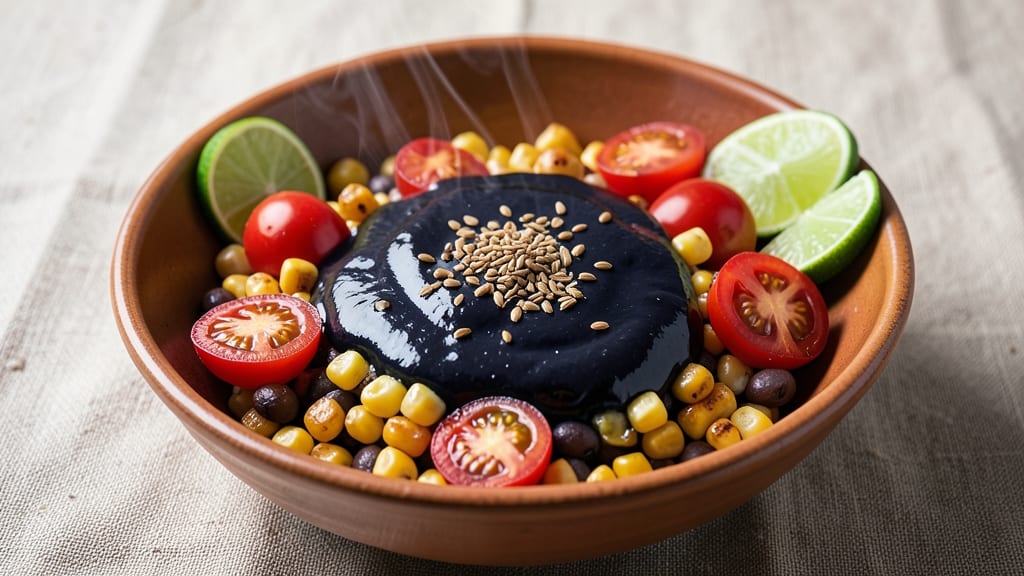
This vegetarian black bean sauce transforms simple pantries into bold, umami-rich flavor profiles that elevate every dish. After years of perfecting it in my Austin kitchen—where cumin and lime become the stars—I’ve created a sauce that’s as versatile as it is deeply satisfying.
The secret lies in simmering black beans with aromatics until they break down into a velvety, earthy base, then balancing that richness with bright citrus and smoky spices.
What makes this sauce special is its ability to work across cuisines: drizzle it over tacos, stir it into rice, or use it as a marinade for grilled vegetables. Unlike store-bought versions, this one builds flavor through slow simmering rather than relying on preservatives.
The texture is perfect—thick enough to coat but light enough to enhance, not overpower. And with just 10 ingredients, it’s a weeknight game-changer that delivers restaurant-quality depth.
By the time you taste this sauce—where caramelized onions meet toasted cumin and the tang of lime cuts through the richness—you’ll understand why I keep a jar in my fridge at all times.
The beans soften into a creamy consistency while absorbing the spices, creating layers of flavor that develop even more after resting. This isn’t just a sauce; it’s a flavor foundation that turns simple meals into memorable experiences.
Best of all, it keeps beautifully in the refrigerator for up to 5 days or freezes for 3 months, making it ideal for meal prep. Whether you’re cooking for a crowd or treating yourself to a flavor upgrade, this sauce delivers depth and complexity without the fuss.
Let’s get simmering—your taste buds will thank you.
Ingredients for black bean sauce recipe vegetarian
Ten ingredients, endless possibilities—this sauce transforms pantries into flavor powerhouses.
| Ingredient | Amount | Notes |
|---|---|---|
| Black Beans 🫘 | 1 ½ cups | Dried or canned, drained and rinsed |
| Yellow Onions 🧅 | 1 whole | Medium, finely diced |
| Garlic Cloves 🧄 | 4 cloves | Fresh, minced |
| Ground Cumin 🌿 | 2 tsp | Toasted for deeper flavor |
| Smoked Paprika 🌶️ | 1 tbsp | For smoky depth |
| Fresh Lime Juice 🍋 | ½ cup | Freshly squeezed |
| Extra-Virgin Olive Oil 🫒 | ¼ cup | For richness |
| Vegetable Broth 💧 | 1 cup | Low-sodium preferred |
| Tomato Paste 🍅 | 2 tbsp | Smooth, not chunky |
| Salt 🧂 | 1 tsp | Diamond Crystal preferred |
The black beans are the heart of this sauce, so don’t skimp. Canned beans work perfectly, but if you’re using dried, soak them overnight for best texture. For onions, yellow or red both work—just make sure they’re fresh, not wilting. The garlic? Fresh is non-negotiable—jarred minced loses its punch. I always grab mine from Whole Foods or my local Latin market, where they keep it extra fresh. Toast the cumin seeds in a dry pan for 30 seconds before grinding—that smoky aroma makes all the difference. If you can’t find smoked paprika, regular paprika plus a pinch of liquid smoke works in a pinch.
No fresh lime? Bottled lime juice with a pinch of salt gets you close, but fresh is ideal. Short on olive oil? Avocado oil works just as well—just don’t use anything with a strong flavor like walnut or sesame. The vegetable broth can be swapped for water plus a bouillon cube, but the umami depth suffers. For tomato paste, Rao’s brand is my go-to—it’s smooth and consistent. If you’re making this ahead, reduce the lime juice slightly since flavors meld over time. The sauce thickens as it cools, so if it’s too thick after simmering, just add a splash of water or broth.
This sauce tastes even better the next day—flavors marry beautifully after resting. Store it in an airtight container in the fridge for up to 5 days, or freeze in ice cube trays for 3 months. I always double the batch because it disappears fast—drizzled over tacos, stirred into rice, or slathered on grilled veggies. The texture is velvety but not heavy, so it works as a marinade too. If it separates after freezing, just stir it back together before using—no big deal. Trust me, you’ll want to make this weekly.
Why You'll Love This Recipe
- Pantry Magic: I swear by this—no fancy shopping, just what’s already lurking in my cupboard. The black beans soften into a thick, velvety base while the onions caramelize without watching, and that cumin? It turns a simple sauce into something that smells like a warm hug.
- Smoky Depth: Between the smoked paprika’s slow burn and the garlic’s sharp punch, this sauce has layers. Honestly, I’ve used it on tofu, rice, and even eggs—each time, that smoky-sweet balance hits differently, but always right.
- Double-Duty Sauce: Make a big batch and forget about takeout. Slather it on tacos, stir it into grains, or drizzle it over roasted veggies. (Yes, even on a Tuesday night.) It’s the kind of sauce that makes one ingredient feel like a whole meal.
- Budget Hero: A can of beans, an onion, and a few spices? This is cooking on a shoestring. I’ve fed four people for under $5, and the leftovers? They taste just as good reheated as they did fresh. No waste, all flavor.
Step-by-step instructions for black bean sauce vegetarian
This earthy, vibrant sauce comes together in one pot with bold flavors and minimal effort.
Sauté the Aromatics Until Fragrant
Heat the 0.25 cup extra-virgin olive oil in a medium saucepan over medium heat. Add the 1 whole yellow onions, finely diced, and cook for 5-6 minutes until softened and translucent. Here's the thing—you want them to caramelize slightly at the edges without browning, so keep an eye on them.
Add the 4 cloves garlic cloves, minced, and cook for another 30 seconds until fragrant. The garlic should sizzle gently and release its aroma without burning. If it starts to turn golden too quickly, reduce the heat slightly. This aromatic base forms the flavor foundation for the entire sauce, so take your time here.
Toast the Spices and Add Tomato Paste
Stir in the 2 tsp ground cumin and 1 tbsp smoked paprika, toasting them in the pan for 30-45 seconds until you can smell their deep, toasty aroma. This step enhances their flavor significantly—don't skip it. Then add the 2 tbsp tomato paste and stir for 1 minute until it darkens slightly and blends completely with the aromatics.
Here's where it gets good: the tomato paste will deepen in color and develop a rich, caramelized flavor. This creates a smooth, velvety texture in the final sauce. If you notice any bits sticking to the bottom, use a wooden spoon to scrape them up—they're packed with flavor.
Simmer the Sauce with Beans and Broth
Pour in the 1 cup vegetable broth and bring the mixture to a gentle simmer. Add the 1.5 cups black beans (drained and rinsed if using canned) and stir to combine. Let the sauce simmer uncovered for 10-12 minutes until it thickens slightly and the flavors meld together. You'll see the sauce reduce and develop a glossy sheen—this is when the magic happens.
Real talk: if the sauce looks too thick before the 10 minutes are up, add a splash of water to loosen it. You want a consistency that coats the back of a spoon but isn't watery. The beans should be heated through but still hold their shape—don't let them break down completely.
Finish with Lime Juice and Season
Remove the pan from heat and stir in the 0.5 cup fresh lime juice. The acidity brightens all the flavors and balances the richness of the sauce. Taste and adjust the seasoning with the 1 tsp salt, adding more if needed. Here's the moment that matters: the sauce should be vibrant, with a perfect balance of earthy cumin, smoky paprika, and tangy lime.
Let the sauce sit off the heat for 5 minutes—this allows the flavors to fully integrate. The texture will thicken slightly as it cools, but it should remain smooth and velvety. If you're serving it immediately, you can proceed, but if you're making it ahead, let it cool completely before storing in the refrigerator for up to 5 days. This sauce tastes even better the next day as the flavors deepen.
Pro Tips For Making Black Bean Sauce Recipe Vegetarian
- Sauté Onions Slowly: I used to rush this step and end up with bitter, waterlogged onions—don’t. Cook them on medium heat for 8-10 minutes until deeply golden and caramelized. That’s where the sauce’s depth comes from, not just the spices.
- Toast the Spices: Bloom the cumin and smoked paprika in the dry pan for 30 seconds before adding onions. This wakes up their flavors and prevents that dull, powdery aftertaste. (Yes, even if you’re impatient like me.)
- Drain and Rinse Beans: Skip the soaking, but always drain and rinse canned black beans—twice. The starch clinging to them thickens the sauce into a gluey mess if you don’t. Rinse under cold water, then pat dry.
- Finish with Acid: Stir in 1 tablespoon of lime juice or vinegar at the end—trust me, it cuts through the richness and brightens the whole dish. I was skeptical until I tried it, and now it’s non-negotiable.
Regional styles of black bean sauce recipe vegetarian
Mexican-Inspired Taco Sauce
This version transforms your black bean sauce into a vibrant taco sauce perfect for drizzling over grilled corn, fish tacos, or even as a marinade. Swap the smoked paprika for 1 tbsp chipotle powder and add 1 tsp ground coriander while sautéing the aromatics.
Finish with 2 tbsp fresh cilantro and a splash of hot sauce (like Cholula) for heat. The chipotle adds a smoky, slightly spicy depth that pairs beautifully with lime. 🌶️
For extra richness, stir in 2 tbsp tomato sauce at the end and serve with crumbled queso fresco on top. I love using this sauce as a glaze for grilled vegetables or as a dipping sauce for homemade tortilla chips.
The key is balancing the smokiness with the bright lime—don’t skimp on the citrus!
Caribbean Jerk-Inspired Twist
Give your sauce a tropical vibe by adding 1 tsp allspice and ½ tsp thyme during the spice toasting step. Replace the lime juice with ½ cup pineapple juice (fresh or canned) and finish with 1 tbsp soy sauce for umami.
This version works perfectly as a marinade for grilled pineapple or tofu skewers, or as a sauce for jerk-style dishes. The pineapple’s sweetness cuts through the smoky spices, creating a bold, balanced flavor.
For an extra kick, add 1 Scotch bonnet pepper (seeded and minced) while sautéing the onions. If you can’t find one, ½ tsp cayenne pepper works in a pinch.
Serve this sauce with grilled plantains or over black beans and rice for a full Caribbean-inspired meal. The allspice and thyme give it that unmistakable jerk flavor!
Thai-Inspired Peanut-Lime Sauce
Transform your black bean sauce into a Thai-inspired sauce by stirring in ¼ cup smooth peanut butter (like Smucker’s) and 1 tbsp soy sauce at the end.
Add 1 tsp fish sauce (or 1 tsp soy sauce + ½ tsp sugar for a vegetarian version) and 1 tsp grated fresh ginger while simmering the beans. Finish with 1 tbsp honey or maple syrup and 1 tbsp lime zest for brightness.
This sauce is creamy, nutty, and packed with umami—perfect for drizzling over grilled tofu, noodles, or spring rolls.
The peanut butter adds a rich, velvety texture that balances the earthy beans, while the ginger and lime bring freshness. For extra depth, toast 1 tsp coriander seeds and grind them into the sauce.
This version is a game-changer for Asian-inspired dishes and keeps well in the fridge for up to 5 days. 🥜
Southern-Inspired BBQ Glaze
Turn your black bean sauce into a smoky BBQ glaze by adding 1 tbsp apple cider vinegar and 1 tbsp brown sugar while simmering the beans. Swap the smoked paprika for 1 tsp cayenne pepper and finish with 1 tsp liquid smoke (like Traeger’s) for that classic BBQ flavor.
This glaze is perfect for grilled vegetables, jackfruit, or even baked sweet potatoes. The vinegar adds tang, while the brown sugar caramelizes slightly, creating a sticky, glossy finish. Serve with pickled onions for a Southern-style twist.
For extra richness, stir in 2 tbsp tomato paste at the beginning and let it cook down for 2-3 minutes before adding the broth. The result is a thick, smoky glaze that clings beautifully to grilled foods.
I love using this on grilled eggplant or portobello mushrooms—it’s a vegetarian BBQ lover’s dream! 🍖
Nutrition facts
Frequently asked questions
Can I use canned black beans instead of dried? Canned black beans work perfectly and save you time. Just
How do I adjust the thickness of the sauce?
If your sauce is too thick, simply stir in 1-2 tablespoons of water or vegetable broth while simmering. For a thicker consistency, let it cool slightly after removing from heat—the sauce naturally thickens as it cools. You can also simmer it uncovered for an extra 2-3 minutes to reduce it further. The ideal texture coats the back of a spoon without being gluey.
Can I make this sauce without tomato paste?
Yes, but the sauce will be less rich and slightly thinner. Replace the tomato paste with 2 tablespoons of tomato sauce or ¼ cup of crushed tomatoes for a similar depth of flavor. The tomato paste helps create that velvety texture, so if you omit it, you may need to simmer the sauce longer to achieve the same consistency. The lime and cumin will still shine through!
What are the best ways to use this sauce?
This versatile sauce works as a marinade, dip, or drizzle! Try it on grilled vegetables, tacos or tostadas, or even as a sandwich spread. It also makes a fantastic pasta sauce when thinned with a little broth, or as a glaze for roasted potatoes. The earthy flavors pair beautifully with Mexican, Caribbean, or even Asian-inspired dishes—don't be afraid to experiment!
Why does my sauce taste bland after refrigerating?
This happens when flavors need more time to develop. Let the sauce sit at room temperature for 10-15 minutes before tasting again—the flavors deepen as it cools. If it still tastes flat, boost it with extra lime juice, a pinch of salt, or a dash of hot sauce. The sauce actually improves overnight, so if possible, make it a day ahead for maximum flavor development.