
Main Courses
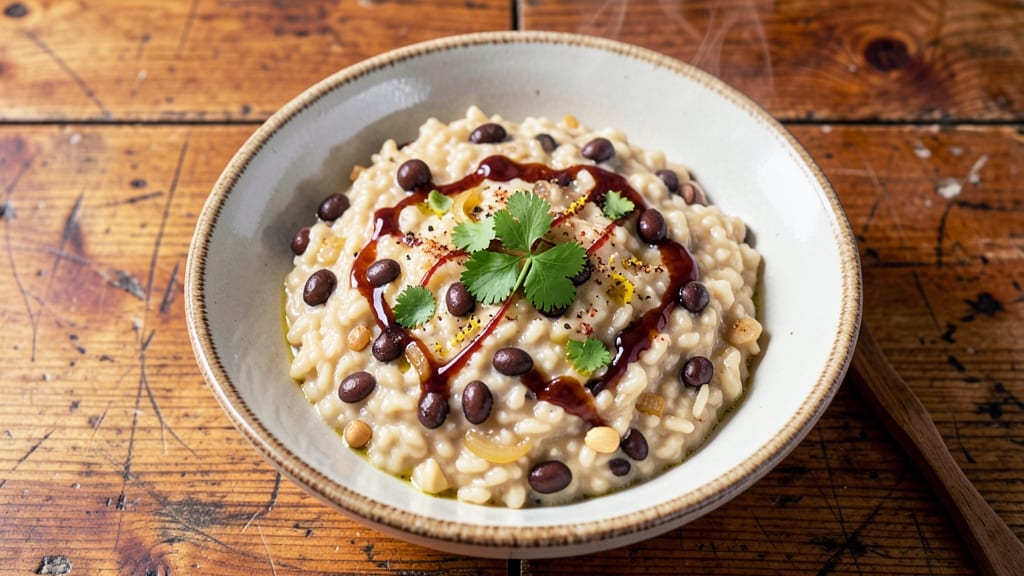
This black bean risotto recipe transforms simple ingredients into a velvety, umami-rich dish that feels restaurant-worthy. The secret lies in toasting the rice and black beans together, building deep flavor while maintaining that signature creamy texture.
I developed this vegetarian version after realizing how often risotto recipes rely on meat—this one delivers the same richness using plant-based ingredients.
The process is straightforward but requires attention: slow cooking the rice in broth until perfectly almond-shaped, then folding in black beans and cheese for a satisfying bite. Toasted garlic and white wine add aromatic depth, while a final touch of parmesan elevates every spoonful.
The result is a dish that's both comforting and elegant, perfect for weeknight dinners or special occasions.
What makes this risotto exceptional is its balance—creamy yet light, savory with just enough umami from the beans and garlic. The texture is unmistakably risotto-like, with each grain distinct yet bound in a luxurious sauce.
It's vegetarian-friendly, gluten-free adaptable, and packed with plant-based protein, making it versatile for any dietary need.
Serve immediately with a sprinkle of fresh parsley and a squeeze of lemon for brightness. Leftovers reheat beautifully, though the texture is best enjoyed fresh. This recipe proves creamy, satisfying risotto doesn't require meat—just the right technique and a few key ingredients.
Ingredients for black bean risotto
Simple ingredients elevate to restaurant-worthy black bean risotto with umami depth and creamy texture.
| Ingredient | Amount | Notes |
|---|---|---|
| Arborio Rice 🍚 | 1 ½ cups | Unrinsed for optimal starch release |
| Black Beans 🌱 | 1 ½ cups | Cooked, drained, and rinsed |
| Vegetable Broth 💧 | 4 cups | Low-sodium, homemade preferred |
| White Wine 🍷 | ½ cup | Dry variety, room temperature |
| Garlic Cloves 🧄 | 6 cloves | Minced, toasted until fragrant |
| Extra-Virgin Olive Oil 🫒 | ½ cup | High-quality, fruity variety |
| Yellow Onion 🧅 | 1 whole | Diced, medium size |
| Parmesan Cheese 🧀 | ½ cup | Freshly grated, fine texture |
| Vegetarian Parmesan 🌿 | ¼ cup | Nutritional yeast blend for vegan option |
| Fresh Parsley 🌿 | ¼ cup | Chopped, for garnish |
| Lemon Juice 🍋 | 1 tbsp | Freshly squeezed |
| Salt 🧂 | 1 ½ tsp | Diamond Crystal kosher salt |
| Black Pepper 🌶️ | ½ tsp | Freshly ground, coarse |
| Dried Thyme 🍃 | ½ tsp | Or 1 tbsp fresh thyme |
The Arborio rice is non-negotiable—its high starch content creates that signature creamy texture. Look for Arborio or Carnaroli at specialty stores like Whole Foods or Trader Joe's, where the quality is consistently high. Black beans should be cooked until tender but still hold their shape—canned low-sodium beans work perfectly when drained and rinsed. For the broth, homemade vegetable stock adds the most depth, but quality low-sodium brands like Pacific Foods are reliable substitutes. The white wine should be dry and room temperature—Sauvignon Blanc or Pinot Grigio work beautifully, but any dry white will suffice.
No Arborio rice? Carnaroli or Vialone Nano are excellent alternatives, though slightly pricier. Substituting other rice varieties will result in a less creamy texture. For the beans, cannellini or pinto beans add a different but equally satisfying texture. The white wine can be replaced with extra vegetable broth plus 1 tsp lemon juice for a non-alcoholic version. Fresh thyme is ideal, but dried thyme at one-third the amount works in a pinch. The Parmesan can be omitted entirely for a vegan version, relying solely on the nutritional yeast blend for that umami punch.
Risotto is best enjoyed immediately, but leftovers reheat beautifully with a splash of broth. Store in an airtight container in the refrigerator for up to 3 days, or freeze for 2 months in a sealed container. For make-ahead convenience, prepare the risotto up to the final cheese addition, then reheat with fresh broth and finish with cheese and parsley. The texture is delicate, so handle gently when reheating—stirring over low heat with just enough liquid to loosen the grains.
Why You'll Love This Recipe
- One-Pot Magic: I swear by this—no fancy equipment, just a deep pan and stirring. The Arborio rice and broth do all the work while I chop garlic, and by the time those beans get toasted, the risotto’s already creamy. (Yes, even on a Tuesday night.)
- Umami Bomb: That garlic sizzling in olive oil? Pure flavor gold. Then the white wine deglazes everything—bright, tangy, and suddenly your risotto tastes like it’s been simmering for hours. The black beans add this deep, earthy richness that makes it ridiculously satisfying.
- Budget Win: Black beans and Arborio rice stretch this dish farther than you’d think. A bag of beans and a bottle of wine go a long way, and the leftovers? Even better the second day. My secret weapon for feeding the family without breaking the bank.
Step-by-step instructions for black bean risotto
Master this technique and you'll achieve a perfectly creamy risotto with rich umami depth.
Toast the Garlic and Sauté the Onion
Heat the 0.5 cup extra-virgin olive oil in a heavy-bottomed pot over medium-low heat. Add the 6 cloves minced garlic cloves and toast for 2-3 minutes until fragrant and just beginning to turn golden—this develops their sweetness without burning. Immediately add the 1 whole diced yellow onion and cook for 5-6 minutes until softened but not browned.
Here's the thing—don't rush this step. The garlic should smell like a garlic festival, not like it's on fire. If it starts to darken too quickly, reduce the heat slightly. This aromatics foundation carries the entire dish, so take your time. You'll know it's ready when the onion is translucent and the garlic has released its full flavor profile.
Toast the Arborio Rice
Add the 1.5 cups unrinsed Arborio rice to the pot and stir to coat the grains in the oil and aromatics. Toast the rice for 2-3 minutes until it becomes slightly translucent at the edges. This step is crucial—it removes the raw starch taste and builds flavor through the Maillard reaction.
I like to press the rice gently against the pot with a wooden spoon during toasting. This ensures even contact with the hot oil and prevents any grains from sticking together. The rice should look dry but slightly glossy from the oil. Don't add any liquid yet—we're building flavor first.
Deglaze and Add Black Beans
Pour in the 0.5 cup white wine and stir vigorously, scraping up any browned bits from the bottom of the pot. Let the wine reduce by half—about 3-4 minutes—before adding 1 cup vegetable broth and the 1.5 cups cooked black beans. Stir well to incorporate the beans into the rice mixture.
This is where the umami magic begins. The black beans add heartiness while their natural starch helps create that signature creamy texture. Keep the heat at medium-low throughout this process—too high and you'll scorch the beans before they absorb the broth properly.
Cook the Risotto Al Dente
Add the remaining 3 cups vegetable broth one ladle at a time, stirring frequently after each addition. Each time the liquid is nearly absorbed, add another ladleful. This gradual process allows the rice to absorb liquid perfectly while developing its creamy texture. The total cooking time should be about 20-25 minutes from when you first added the broth.
You'll know it's ready when the rice is al dente—the grains should be tender but still have a slight bite in the center, and the mixture should be creamy but not soupy. If you're unsure, taste a grain—it should be firm but melting in your mouth. The risotto should also pull away from the sides of the pot slightly when stirred.
Finish and Rest Before Serving
Remove the pot from heat and stir in the 0.5 cup Parmesan cheese, 0.25 cup vegetarian Parmesan, 0.5 tsp dried thyme, 1.5 tsp salt, and 0.5 tsp black pepper. Add the 1 tbsp lemon juice and 0.25 cup chopped fresh parsley, then let the risotto rest for 5 minutes off the heat. This resting period allows the starches to fully gel, creating that luxurious creamy consistency.
Real talk: Don't skip the resting time. I've learned the hard way that serving risotto immediately can leave it gummy instead of creamy. The lemon juice brightens the dish while cutting through the richness, and the parsley adds a fresh finish. Serve immediately with additional grated cheese if desired—each bite should deliver that perfect balance of creamy texture and umami depth.
Pro Tips For Making Black Bean Risotto
- STIR CONSTANTLY: I learned this the hard way—skipping the stir for even 30 seconds lets the rice stick to the pot. Keep that wooden spoon moving in small circles, especially when the wine hits, or you’ll end up scraping burnt bits off the bottom later. The goal is creamy, not crunchy.
- SOAK BEANS FIRST: Drain those canned black beans and give them a quick rinse, then soak for 10 minutes in warm water. This cuts the gummy texture that makes risotto taste like mush. (Yes, even canned beans benefit—trust the process.)
- SALT THE BROTH: Unsalted vegetable broth? Add 1½ teaspoons of salt per quart before you even start heating it. Risotto absorbs flavor like a sponge, and bland broth ruins everything. Taste it—if it doesn’t make your lips pucker slightly, it’s not ready.
- FINISH WITH GARLIC: Save half the minced garlic for the end. Sauté it in a dry pan until golden (not burnt), then fold it into the risotto off the heat. The nutty depth it adds is worth the extra 2 minutes—your future self will notice the difference.
Troubleshooting this dish
Rice Too Dry?
If your risotto ends up dry and gritty, you likely added the broth too quickly or stirred too aggressively. The key is patience—add broth one ladle at a time and wait until it's nearly fully absorbed before adding more.
I've found that using a heavy-bottomed pot (like a Le Creuset Dutch oven) helps distribute heat evenly, preventing uneven absorption. If it's already dry, stir in 2-3 tablespoons of warm broth and let it sit for 2-3 minutes off the heat before serving. 💫
Broth Too Watery?
An overly soupy risotto usually means you added too much broth at once or didn't let the rice absorb properly. To fix this, remove the pot from heat and let it sit for 5 minutes—the starches will naturally thicken.
If it's still too thin, use a slotted spoon to scoop out excess liquid or simmer uncovered for 1-2 minutes to evaporate some moisture. For next time, reduce the broth by ½ cup and stir more frequently to encourage absorption.
Beans Too Mushy?
If your black beans turn mushy during cooking, they were likely overcooked before adding them to the risotto. Always use firm but tender beans—test by mashing one between your fingers; it should hold its shape but be soft.
For best results, drain and rinse canned low-sodium black beans (like Goya Select) and pat them dry with a paper towel before adding. If they're already too soft, stir in 1-2 tablespoons of warm broth to help bind the risotto without overpowering the texture.
Cheese Not Melting?
Cheese clumping is a common issue when adding cold cheese to hot risotto. To prevent this, temper the cheese by mixing it with 1 tablespoon of warm broth or olive oil before stirring it into the risotto.
I also recommend using freshly grated Parmesan (not pre-shredded) and a vegetarian Parmesan blend for better texture. If clumps form, gently press them through a fine-mesh sieve or use a wooden spoon to break them apart while the risotto is off the heat.
Lacking Umami Depth?
If your risotto tastes flat, the aromatics or beans may not have developed enough flavor. Boost umami by adding 1 teaspoon of soy sauce or ½ teaspoon of miso paste to the broth, or stir in 1 tablespoon of nutritional yeast at the end.
For extra depth, toast 1 teaspoon of dried porcini mushrooms with the garlic or add 1 tablespoon of white miso to the final cheese mixture. The black beans should be the star—if they taste bland, try soaking them overnight before cooking to enhance their natural sweetness. 🌟
Nutrition facts
Frequently asked questions
Can I make this black bean risotto gluten-free?
This recipe is naturally gluten-free as long as you use certified gluten-free Arborio rice (like Riso Gallo) and check your broth for hidden gluten. The black beans, wine, and cheese are typically safe, but always verify labels. For extra insurance, use a dedicated gluten-free wine and ensure your pot hasn't been previously used with gluten-containing foods.
How do I prevent the risotto from getting gummy?
The key is proper resting time! After cooking, let the risotto sit off the heat for 5 minutes before serving—this allows the starches to fully set. Also, stir frequently during cooking (about every 2 minutes) to prevent the rice from sticking to the bottom. Using a heavy-bottomed pot and keeping the heat at medium-low helps maintain even cooking.
What's the best way to reheat leftovers?
Reheat gently with a splash of warm broth—about 2-3 tablespoons per cup of risotto—over low heat for 3-4 minutes, stirring constantly. Avoid microwaving as it can make the texture rubbery. For best results, reheat only what you plan to eat immediately, as the texture degrades with repeated heating.
Can I substitute other beans for black beans?
Yes! Cannellini or pinto beans work beautifully, though they'll change the flavor profile slightly. For a creamier texture, use ½ cup cooked beans plus ½ cup pureed beans—just reduce the broth by ¼ cup to maintain balance. The beans should be firm but tender—overcooked beans will make the risotto mushy.
Why does my risotto taste bland?
Risotto relies on layered flavors—start with well-toasted garlic and onions for depth. Boost umami by adding 1 tsp soy sauce to the broth or 1 tbsp nutritional yeast at the end. For extra richness, stir in 1 tbsp olive oil** while cooking. The black beans should be the star—if they taste flat, try soaking them overnight before cooking to enhance their natural sweetness.