
Salads
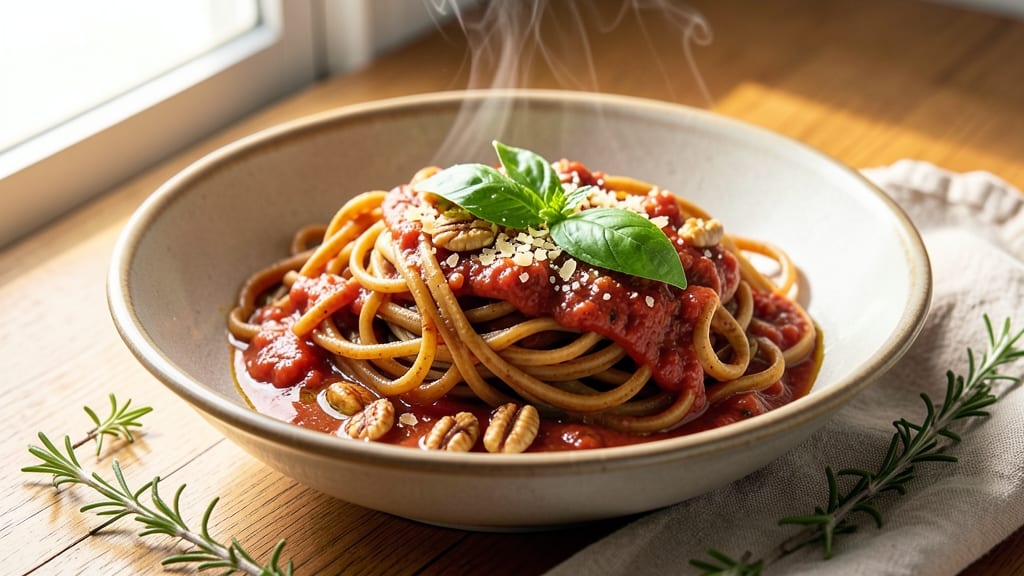
This black bean flour pasta recipe transforms humble ingredients into hearty, protein-rich noodles with a nutty depth that rivals traditional wheat pasta. ✨ The secret lies in blending black bean flour with water and olive oil for a dough that's naturally gluten-free yet sturdy enough to hold its shape during cooking.
I developed this recipe after years of experimenting with alternative flours, and it consistently delivers satisfying texture and earthy flavor that pairs beautifully with bold sauces.
The beauty of black bean flour pasta is its nutritional profile—packed with plant-based protein, fiber, and essential amino acids while being completely vegan.
Unlike wheat pasta, these noodles offer a subtle nuttiness that enhances rather than competes with sauces, making them versatile for both simple aglio e olio and rich tomato-based dishes. The dough preparation is straightforward, requiring just three core ingredients and minimal hands-on time.
What you'll end up with is al dente pasta with a satisfying bite and a rich, earthy flavor that's impossible to achieve with refined flour. The noodles hold their shape beautifully when cooked, resisting that mushy texture that plagues many gluten-free alternatives.
This recipe isn't just about the pasta itself—it's about redefining what pasta can be while keeping it simple, nutritious, and utterly delicious.
Perfect for anyone seeking gluten-free options, plant-based protein sources, or simply a pasta recipe that stands out from the ordinary. The possibilities for sauces are endless—try a creamy cashew-based sauce or a vibrant pesto for maximum flavor impact.
Let's get started on creating pasta that's as good for you as it is for your taste buds.
Ingredients for black bean flour pasta
Three core ingredients transform into gluten-free pasta with protein-rich depth and nutty complexity.
| Ingredient | Amount | Notes |
|---|---|---|
| Black Bean Flour 🌾 | 2 cups | High-protein, gluten-free preferred |
| Extra-Virgin Olive Oil 🫒 | ¼ cup | Cold-pressed for optimal flavor |
| Water 💧 | ¾ cup | Room temperature preferred |
| Salt 🧂 | 1 tsp | Fine sea salt for balance |
| Garlic Cloves 🧄 | 2 cloves | Minced for aromatic depth |
| Nutritional Yeast 🧀 | 2 tbsp | For cheesy umami flavor |
| Ground Flaxseed 🌿 | 1 tbsp | For dough elasticity |
| Lemon Juice 🍋 | 1 tbsp | Freshly squeezed for brightness |
| Semolina Flour 🌾 | ¼ cup | For dusting and texture |
| Coconut Oil 🫒 | 1 tbsp | For cooking pasta |
| Fresh Basil Leaves 🌿 | ¼ cup | Chopped for garnish |
| Red Pepper Flakes 🌶️ | ½ tsp | Optional for heat |
Black bean flour is the foundation here—Bob's Red Mill or Anthony's Goods are my go-tos for consistent texture. The key is using high-protein black bean flour (20g+ protein per serving), which you'll find in health food sections or online. If your flour smells slightly nutty or earthy, that's normal—it's part of the flavor. For the olive oil, California Extra Virgin brands like Corto or Filippo Berio add subtle fruity notes that complement the bean flour's earthiness. Room-temperature water prevents lumps in the dough, so let your water sit out for 10 minutes if it's chilled. The nutritional yeast isn't just for flavor—it adds a cheesy depth that pairs perfectly with tomato-based sauces.
No black bean flour? Substitute half with chickpea flour, though texture will differ slightly. Running short on olive oil? Avocado oil works equally well—just avoid refined oils that lack flavor. The garlic can be roasted for a sweeter profile, or left raw for sharpness. Fresh basil is ideal, but dried basil at half the amount works in a pinch. For extra protein, add 1 tbsp hemp seeds to the dough. The semolina flour is optional but creates a beautiful crust when dusting—Barilla is my preferred brand—though regular all-purpose flour works if you're out. The coconut oil for cooking should be melted but not smoking hot to prevent the pasta from turning gummy.
Store the black bean flour in an airtight container in a cool, dark place for up to 6 months. The finished dough keeps wrapped in plastic for 2 days in the fridge or 1 month frozen. Cooked pasta reheats best with a splash of water or sauce—it absorbs moisture quickly. For maximum flavor, toss with freshly minced garlic and chili flakes before serving. The pasta's natural nuttiness makes it versatile—pair with creamy cashew sauces, bold marinara, or even a simple aglio e olio. Portion cooked pasta into glass containers for easy reheating.
Why You'll Love This Recipe
- I’ll be real: black bean flour isn’t cheap, but it goes a long way. A little flour + a splash of olive oil = a whole bowl of satisfying, protein-packed pasta. It’s my go-to when I’m low on cash but still want something that feels special. (Spoiler: It does.)
- Five-Ingredient Magic: I swear, this recipe is the kind of thing you’ll make just to prove you can do it—no fancy pantry, no stress. Black bean flour mixes with water, olive oil, and salt like a dream, and the dough comes together smoother than I expected. (Yes, even when I forget to knead it enough.)
- Nutty Earthy Richness: The black bean flour isn’t just a substitute—it’s a flavor upgrade. That deep, toasty note from the flour pairs with garlic so well, you’ll want to eat it straight from the pot. Honestly, the first time I tasted it, I thought, "Wait, this is better than regular pasta?"
- Lunchbox Hero: Between us, this pasta reheats like a champ and keeps its texture for days. Pack it cold for work or toss it with leftover roasted veggies—it’s the kind of meal that turns a Tuesday into a "not bad" day. My kids even ask for it, and they’re picky.
Step-by-step instructions for black bean flour pasta
This method transforms humble ingredients into restaurant-quality pasta with a nutty, earthy depth.
👨🍳 Step 1: Create the Dough with Perfect Hydration
In a large mixing bowl, combine the 2 cups black bean flour, 2 tbsp nutritional yeast, 1 tbsp ground flaxseed, and 1 tsp salt. The black bean flour will be coarse—this is normal. Use a whisk to break up any clumps before adding liquids.
In a separate small bowl, mix the 0.75 cup water, 0.25 cup extra-virgin olive oil, and 1 tbsp lemon juice. The olive oil provides fat for elasticity while the lemon juice brightens the final flavor. Slowly pour this liquid mixture into the dry ingredients while stirring with a fork.
Once combined, switch to your hands. Knead the dough for 3-5 minutes until it forms a smooth, slightly sticky ball. If it feels too dry, add 1 tsp water at a time. The dough should be pliable but not wet—this ensures proper texture when cooked. Wrap tightly in plastic wrap and rest for 30 minutes at room temperature.
🔪 Step 2: Roll and Cut the Pasta with Precision
After resting, divide the dough into 4 equal portions (about ½ cup each). Working with one portion at a time, roll it between two sheets of parchment paper using a pasta machine set to the widest setting. Fold the dough and repeat 2-3 times to develop gluten and even out thickness.
Progressively roll the dough through thinner settings, reducing by 1 notch at a time, until you reach setting #3 (about 1/16-inch thick). If the dough tears, simply patch it together—this is normal with black bean flour. Cut the rolled sheets into ¼-inch wide strips using a sharp knife or pasta cutter.
Transfer the cut pasta to a clean baking sheet dusted with 0.25 cup semolina flour. The semolina prevents sticking and adds a subtle nutty flavor. Let the pasta dry for 15-20 minutes at room temperature before cooking. This drying step prevents mushiness when cooked.
🍳 Step 3: Cook the Pasta to Al Dente Perfection
Bring a large pot of water to a rolling boil and add 1 tbsp salt (the water should taste like the sea). Add the pasta in batches to avoid overcrowding. Stir immediately to prevent sticking. Cook for 2-3 minutes—black bean pasta cooks faster than wheat pasta.
Test for doneness by tasting a piece. It should be al dente—firm to the bite with a slight resistance. Unlike traditional pasta, black bean pasta continues cooking slightly after removal from heat, so pull it out just before it reaches perfect texture. Reserve ½ cup pasta water before draining.
To finish, heat 1 tbsp coconut oil in a large skillet over medium heat. Add the drained pasta and toss for 1 minute to coat evenly. This step enhances the nutty flavor and prevents clumping. Remove from heat and immediately toss with 0.25 cup chopped fresh basil leaves and 0.5 tsp red pepper flakes (if using).
🍽️ Step 4: Serve with Flavorful Pairings
Divide the pasta among plates and drizzle with additional extra-virgin olive oil and a squeeze of lemon juice. The pasta's earthy flavor pairs beautifully with simple yet vibrant sauces like garlic butter, pesto, or a light tomato reduction. For extra richness, top with grated Parmesan or a sprinkle of nutritional yeast for a cheesy umami note.
Serve immediately while warm. The pasta's unique texture—chewy yet firm—holds up well to bold flavors. This recipe yields 4 servings, with each portion delivering 15g protein per serving, making it a satisfying plant-based option. Store any leftovers in an airtight container in the refrigerator for up to 3 days or freeze for 1 month.
Pro Tips For Making Black Bean Flour Pasta
- WHISK LIKE CRAZY: Black bean flour hates lumps. Start with cold water, then whisk aggressively while adding flour—think of it like defusing a bomb, not stirring oatmeal. If you see even a single grain, you’re starting over.
- SALT THE WATER HARD: This isn’t your grandma’s pasta water. Use 1.5–2 teaspoons of salt per quart—black bean flour soaks up flavor like a sponge, and weak water means bland noodles. Taste it; it should sting your lips.
- GARLIC NEEDS TIME: Crushing cloves with the flat of your knife (not chopping) releases more flavor, but don’t rush the cooking. Sear them in olive oil for 2–3 minutes until golden—burnt garlic turns bitter, and that’s a crime against your pasta.
- UPGRADE WITH ACID: A splash of lemon juice or vinegar at the end brightens the earthy bean flavor. Skip this, and your dish tastes like a sad, one-note stew. Even a teaspoon makes a real difference.
Flavor customization for these flavors
Nutty-Spiced Twist
Add 1 tsp ground cumin and ½ tsp smoked paprika to the dough mixture for a warm, earthy depth that complements the black beans' natural flavor. These spices enhance the pasta's nuttiness and pair beautifully with Middle Eastern-inspired sauces like tahini-lemon or harissa.
For extra warmth, toast the spices in a dry pan for 30 seconds before adding to the flour. 🌶️
Herb-Infused Freshness
Swap the nutritional yeast for 2 tbsp dried oregano and 1 tbsp dried thyme for a Mediterranean-inspired flavor profile. The herbs brighten the pasta's earthiness and create a fragrant aroma when cooked.
Fresh herbs like parsley or cilantro can also be added to the dough—chop ¼ cup finely and mix in before resting. This version works perfectly with lemon-garlic sauces or light olive oil finishes.
Sweet & Savory Balance
Create a dessert-worthy version by adding 2 tbsp maple syrup and ½ tsp cinnamon to the dough. The sweetness balances the bean flour's earthiness, resulting in a pasta that's perfect for fruit-based sauces like berry compote or caramelized onions.
For contrast, finish with a sprinkle of toasted pecans or a drizzle of balsamic glaze. This variation is surprisingly satisfying and works well for breakfast dishes too.
Umami Boost
Elevate the flavor with 1 tbsp miso paste (white or red) mixed into the dough. The umami depth enhances the pasta's natural savoriness and pairs exceptionally with soy-based sauces or simple sesame oil finishes.
For an extra kick, add 1 tsp gochujang (Korean chili paste) to create a fusion flavor profile that's both spicy and complex. This version is ideal for Asian-inspired dishes.
Extra Protein Options
For a higher-protein pasta, blend ¼ cup cooked lentils (drained and mashed) into the dough before kneading. The lentils add a subtle earthy flavor and increase the protein content to 20g per serving.
Alternatively, mix in 2 tbsp hemp seeds for added nutritional benefits. Both options work well with creamy cashew sauces or hearty vegetable-based dishes that need extra staying power.
Crispy Texture Variation
For a fun texture contrast, roll out the dough as usual but cut it into ½-inch wide ribbons instead of thin strips. These wider noodles hold their shape better when cooked and develop a delightful crispy exterior when finished in a hot pan with a little oil.
Toss with 1 tbsp toasted sesame seeds or crushed peanuts for added crunch. This version works beautifully with spicy peanut sauces or stir-fry style dishes.
Nutrition facts
Frequently asked questions
Why does black bean flour pasta taste different from regular pasta?
The black bean flour adds a natural nutty, earthy depth that's completely different from wheat pasta's mild flavor. This comes from the beans' complex proteins and minerals, which create a satisfying umami richness that pairs perfectly with bold sauces. The texture is also firmer and chewier due to the bean's high protein content.
Can I make this pasta without a pasta machine?
Roll the dough between two sheets of parchment paper using a rolling pin, starting with the widest setting you can achieve. Aim for about 1/16-inch thickness (similar to setting #3 on a machine). For extra precision, use a glass bottle to roll out even thickness. The dough may tear more easily, but patching works fine.
How do I store leftover black bean flour pasta?
Cooked pasta keeps best in an airtight container in the fridge for 3 days or frozen for 1 month. For reheating, add a splash of water or sauce to prevent drying. The texture holds up better than many gluten-free pastas when reheated properly. Store dried uncooked pasta in a cool, dark place for up to 1 week.
What's the best sauce pairing for this pasta?
The earthy flavor works beautifully with creamy cashew sauce, vibrant pesto, or a simple aglio e olio. For extra richness, try a tomato-based sauce with garlic and basil. The pasta's nutty profile also complements Middle Eastern tahini-lemon sauces or Asian-inspired peanut sauces. Avoid overly sweet or heavy cream sauces that may overpower the bean flavor.
Why did my dough tear when rolling?
Black bean flour dough is more delicate than wheat dough, so it requires gentle handling. Make sure your dough has rested for 30 minutes before rolling, and keep the room temperature warm. If tearing occurs, simply patch the dough together—it won't affect the final texture. Also ensure your rolling surface is well-floured to prevent sticking.