
Soups & Stews
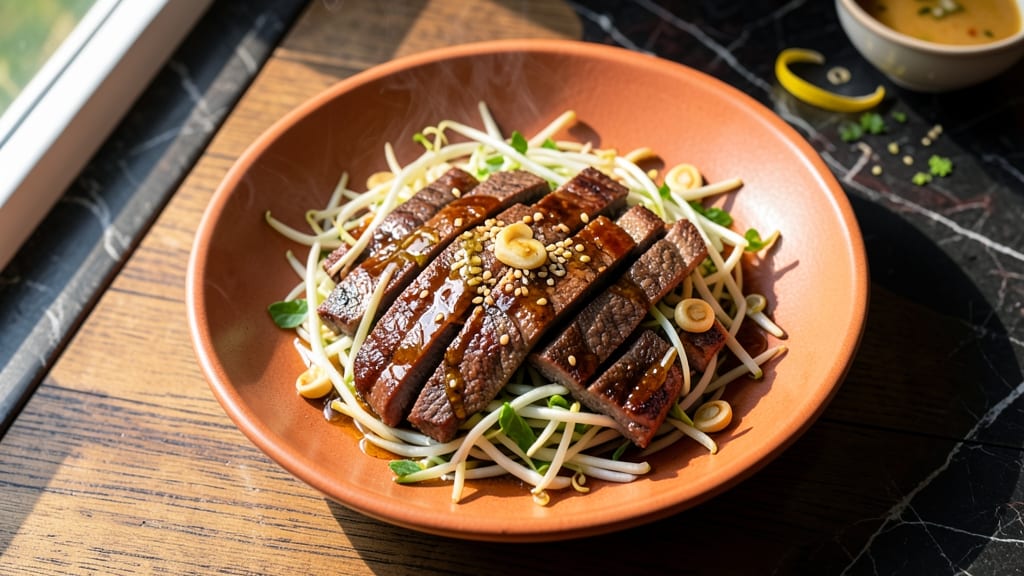
This beef stir-fry with bean sprouts delivers restaurant-quality results in just 25 minutes, transforming simple ingredients into a vibrant, flavor-packed dish. The secret lies in high-heat wok cooking, which creates crisp-tender beef and bright, fresh bean sprouts that stay perfectly crunchy.
I've perfected this technique over countless weeknight dinners, ensuring every bite is packed with savory depth and satisfying texture.
What sets this recipe apart is the balance of flavors—salty soy sauce, umami garlic-ginger paste, and a touch of sweetness from honey or brown sugar. The beef is marinated briefly to tenderize and infuse flavor, while the bean sprouts are added at the very end to maintain their signature crunch.
This method delivers a dish that's quick yet impressive, with minimal prep and maximum impact.
By the time you're done, you'll have a wok full of golden-brown beef strips and bright green bean sprouts tossed in a glossy sauce that coats every bite.
The aroma alone will have everyone gathering around the table, and the first forkful delivers that perfect combination of tender beef, crisp vegetables, and balanced seasoning. It's the kind of meal that feels special without requiring hours in the kitchen.
Serve this stir-fry over steamed rice for a complete meal, or pair it with noodles for extra heartiness. The leftovers reheat beautifully, making it perfect for meal prep. Let's get cooking—this recipe is your new weeknight go-to.
Ingredients for beef stir fry with bean sprouts
Restaurant-quality beef stir-fry relies on precise ingredients for that signature wok-heat crunch and balanced flavor.
| Ingredient | Amount | Notes |
|---|---|---|
| Flank Steak 🥩 | 1 lb | Thinly sliced against grain |
| Bean Sprouts 🌱 | 4 cups | Fresh, rinsed thoroughly |
| Low-Sodium Soy Sauce 🥄 | ⅓ cup | Plus 1 tbsp for marinade |
| Honey 🍯 | 2 tbsp | Or light brown sugar |
| Sesame Oil 🫒 | 1 tbsp | For aroma, not cooking |
| Garlic-Ginger Paste 🧄 | 2 tbsp | Freshly made preferred |
| Cornstarch 🌾 | 1 tbsp | For tenderizing beef |
| Green Bell Pepper 🧅 | 1 whole | Thinly sliced |
| Red Bell Pepper 🍆 | 1 whole | Thinly sliced |
| Scallions 🧅 | 3 whole | Sliced thinly |
| Vegetable Oil 🫒 | 2 tbsp | High smoke point |
| Sesame Seeds 🌰 | 1 tbsp | Toasted for garnish |
| White Pepper 🌶️ | ¼ tsp | Freshly ground |
| Salt 🧂 | ½ tsp | Kosher or sea salt |
| Steamed Jasmine Rice 🍚 | 2 cups | Cooked, for serving |
The flank steak is non-negotiable here—its lean yet tender texture transforms with proper slicing. Ask your butcher to slice it against the grain (about 1/4-inch thick) if you can't do it yourself. For sourcing, Whole Foods or high-quality grocery stores carry well-marbled cuts. If you're using pre-sliced steak, pat it dry thoroughly before marinating. The bean sprouts should be bright green and crisp—avoid any that look wilted or yellowing, as they won't hold their texture during cooking. Trader Joe's consistently carries excellent quality at a reasonable price.
No soy sauce? Coconut aminos works in a pinch, though the flavor profile differs slightly. The honey can be swapped for light brown sugar (1:1 ratio), but honey adds a subtle floral note that complements the umami. For the garlic-ginger paste, freshly minced garlic and grated ginger (1 tbsp each) will give you the best flavor—just mix with 1 tsp of the soy sauce to form a paste. If you're using pre-made paste, check for added sugars or preservatives. The bell peppers should be firm and shiny—avoid any with soft spots or wrinkled skin, as they won't hold up well to high-heat cooking.
Marinate the beef for no longer than 20 minutes—longer can make it mushy. Store any unused bean sprouts in a damp paper towel-lined container in the fridge for up to 3 days. The stir-fry reheats best in a skillet over medium heat with a splash of water to maintain moisture. Portion leftovers into airtight containers and they'll keep for 3-4 days. For meal prep, cook the rice separately and store it dry—it reheats better that way. Freeze portions in single-serving containers for up to 2 months.
Why You'll Love This Recipe
- 20-Minute Magic: I swear by this—slice the flank steak thin, toss it in soy sauce and honey, and it’s ready while you chop the sprouts. No marinating, no waiting, just sizzle and done.
- Umami Bomb: That honey-soy glaze? It caramelizes into something rich and sticky, while the sesame oil adds a nutty finish. The bean sprouts soak it all up like a sponge—crunchy, fresh, and ridiculously satisfying.
- Leftovers That Don’t Suck: Honestly, I make this twice in one week. The flavors only get better after reheating—just a quick stir in a hot pan, and it’s like eating fresh again. Packs perfectly for lunch or a lazy dinner.
- Budget Steakhouse Feel: Flank steak is affordable but tastes like a splurge, and the bean sprouts stretch it into a full meal. Between us, this is how I trick myself into eating well without breaking the bank. (Yes, even on a Tuesday night.)
Step-by-step instructions for wok-heated beef stir fry
Master the technique for perfectly tender beef and crisp vegetables in under 30 minutes.
Prepare the Beef for Maximum Tenderization
Place the 1 lb flank steak between two sheets of plastic wrap and pound it evenly to about ¼-inch thickness using a meat mallet. This step is critical for even cooking and preventing chewy texture. After pounding, transfer the steak to a bowl and combine with 1 tablespoon low-sodium soy sauce, 1 tablespoon cornstarch, 0.25 teaspoon white pepper, and 0.5 teaspoon salt. The cornstarch creates a protective coating that helps tenderize the meat during cooking.
Marinate for 15 minutes at room temperature. This brief marinating time allows the cornstarch to begin working without making the meat mushy. For best results, slice the flank steak thinly against the grain into ¼-inch strips immediately before cooking - this ensures maximum tenderness in every bite.
Build the Flavor Base
Heat 2 tablespoons vegetable oil in a wok or large skillet over medium-high heat until shimmering. Add the 2 tablespoons garlic-ginger paste and stir constantly for 30 seconds until fragrant. The paste should sizzle gently without burning - if it darkens too quickly, reduce the heat slightly. This aromatic base forms the flavor foundation of your stir fry.
Add the sliced green bell pepper, red bell pepper, and 3 whole scallions (thinly sliced). Stir fry for 2-3 minutes until the vegetables begin to soften but remain crisp. The vegetables should maintain their vibrant color and slight crunch - overcooking at this stage will result in a mushy stir fry. Remove the vegetables to a separate plate and set aside.
Cook the Beef to Perfect Doneness
Working in batches if necessary, add the marinated beef strips to the wok in a single layer. Cook undisturbed for 1-2 minutes until the beef develops a golden crust on the bottom. This initial searing is crucial for creating flavor and texture contrast. Once the bottom is browned, stir and cook for another 1-2 minutes until the beef is cooked through but still retains some pink in the center.
Remove the beef from the wok and set aside with the vegetables. The beef should be tender enough to slice easily with a fork but still have a slight bite. If you find the beef is overcooking during this process, reduce the heat slightly for subsequent batches.
Create the Glossy Sauce
Return all the cooked beef and vegetables to the wok. In a small bowl, whisk together the remaining 0.33 cup low-sodium soy sauce and 2 tablespoons honey until smooth. Pour this mixture into the wok and stir vigorously for 1-2 minutes until the sauce thickens slightly and coats the beef and vegetables evenly.
Add the 4 cups bean sprouts and 1 tablespoon sesame oil to the wok. Stir fry for an additional 1-2 minutes until the bean sprouts are bright green and just beginning to wilt. The bean sprouts should maintain their crisp texture - they should not be mushy when finished. Remove from heat immediately once they reach the desired doneness.
Assemble and Serve Immediately
Transfer the beef stir fry to a serving platter and drizzle with any remaining sauce from the wok. Sprinkle generously with 1 tablespoon toasted sesame seeds for added texture and aroma. Serve immediately over 2 cups steamed jasmine rice while still hot. The combination of tender beef, crisp vegetables, and glossy sauce creates a perfect balance of textures and flavors.
This stir fry should be served immediately as the textures and flavors are at their peak when hot. The beef should be fork-tender with a slight chew, the vegetables should offer a satisfying crunch, and the sauce should coat everything evenly without being overly sweet or salty. Adjust the seasoning slightly if needed before serving.
Pro Tips For Making Beef Stir Fry With Bean Sprouts
- Slice Thin, Slice Fast: I learned this the hard way—thick flank steak slices turn chewy no matter how long you cook them. Use a sharp knife and cut against the grain into ¼-inch strips (yes, even if it takes a minute). The payoff? Tender beef that melts in your mouth instead of fighting you.
- Blanch Sprouts First: Bean sprouts wilt like sad lettuce if you toss them in raw. Give them a quick 30-second blanch in boiling water, then shock in ice water. They’ll stay crisp, not mushy, and absorb the stir-fry flavors better—no more soggy disappointment.
- Start Hot, End Slow: Crank your wok or pan to screaming hot before adding the beef. Let it sear undisturbed for 30 seconds to build that crust, then toss. After 2 minutes, lower the heat to medium—high heat finishes the dish, but medium keeps the honey from burning and the soy from turning bitter.
- Add Honey Late: I used to mix it in early, and the sauce would turn cloying. Instead, drizzle honey in the last 30 seconds of cooking, right after the soy sauce. This keeps the sweetness bright and balances the salty-savory without turning the stir-fry into syrup.
Common mistakes when making your beef stir fry with bean sprouts
Overcrowding the Wok
One of the biggest mistakes is overcrowding your wok or skillet. When you pile too much beef and vegetables in at once, the ingredients steam instead of sear, leading to soggy textures.
I've learned the hard way—once I dumped everything in at once and ended up with mushy bean sprouts and bland beef. Instead, cook the beef in batches if needed, and stir-fry the vegetables in stages. This ensures each component gets the proper high-heat treatment for that signature crisp-tender texture. 🔥
Skipping the Rest
After cooking, many people rush to serve the stir-fry immediately, but letting it rest for just 2-3 minutes makes a world of difference. This brief pause allows the juices to redistribute throughout the beef, keeping it moist and flavorful.
I used to skip this step and always found the beef drier than I wanted. Trust me, those extra minutes pay off in juicier bites.
Using Low Heat
Stir-frying requires high heat to achieve that perfect wok-heated texture, but I often see people cooking on medium or even low heat. If your pan isn't smoking slightly or the oil isn't shimmering, you're not getting that essential Maillard reaction that creates deep flavor.
Crank up that heat to medium-high or high—your wok will thank you with beautifully caramelized beef and vibrant vegetables.
Adding Bean Sprouts Too Early
Bean sprouts are delicate and cook in a flash, so adding them too early will turn them into a sad, mushy pile. I've made this mistake more times than I'd like to admit—once I added them with the beef and ended up with a soggy mess.
Always add the bean sprouts in the very last 1-2 minutes of cooking. This keeps their signature crunch and bright green color intact.
Ignoring the Cornstarch
The cornstarch in the marinade isn't just a random ingredient—it's what helps tenderize the beef and create that perfect texture. I've tried making this stir-fry without it, and the beef always came out chewier than I wanted.
Not Prepping Ingredients Uniformly
Unevenly sliced beef or chunky vegetables can lead to inconsistent cooking. I've seen people use thick steak slices or large bell pepper chunks, and the result is always a mix of perfectly cooked and undercooked pieces. Take the time to slice everything uniformly—about ¼-inch thick for the beef and thin strips for the vegetables. This ensures everything cooks at the same rate and comes out perfectly tender. ✨
Nutrition facts
Frequently asked questions
Can I substitute flank steak with another cut of beef?
Yes, but choose thinly sliced, tender cuts like sirloin, ribeye, or even top round. Flank steak is ideal because it's lean yet flavorful, but avoid tougher cuts like chuck roast. For best results, slice all beef ¼-inch thick against the grain to ensure tenderness. If using pre-sliced beef, pat it completely dry before marinating.
How do I keep the bean sprouts extra crispy?
Add them only in the last 1-2 minutes of cooking when everything else is nearly done. High heat is key—make sure your wok is smoking slightly before adding them. For extra crunch, toss them with a tiny bit of oil before stirring into the wok. Never overcrowd the pan, or they'll steam instead of crisp up.
What if I don't have a wok?
No problem! Use a large, heavy-bottomed skillet with high sides. The key is maintaining high heat—medium-high or high. If your pan isn't wide enough, cook in batches. A cast iron skillet works beautifully and retains heat well. Just make sure your pan is properly preheated before adding oil.
Can I make this stir-fry ahead of time?
Cooked components keep well for 3-4 days in airtight containers, but the bean sprouts lose their crunch when refrigerated. For best results, store the cooked beef and vegetables separately, then reheat in a skillet with a splash of water. Add fresh bean sprouts and sesame oil just before serving to restore that signature crunch.
Why does my sauce turn watery?
This usually happens when the sauce isn't reduced enough or the wok isn't hot enough. Always cook the sauce on high heat, stirring constantly for 1-2 minutes until it thickens slightly. If it's still too thin, simmer uncovered for another 30 seconds to evaporate excess moisture. The cornstarch in the marinade also helps thicken the sauce naturally.