
Sauces & Condiments
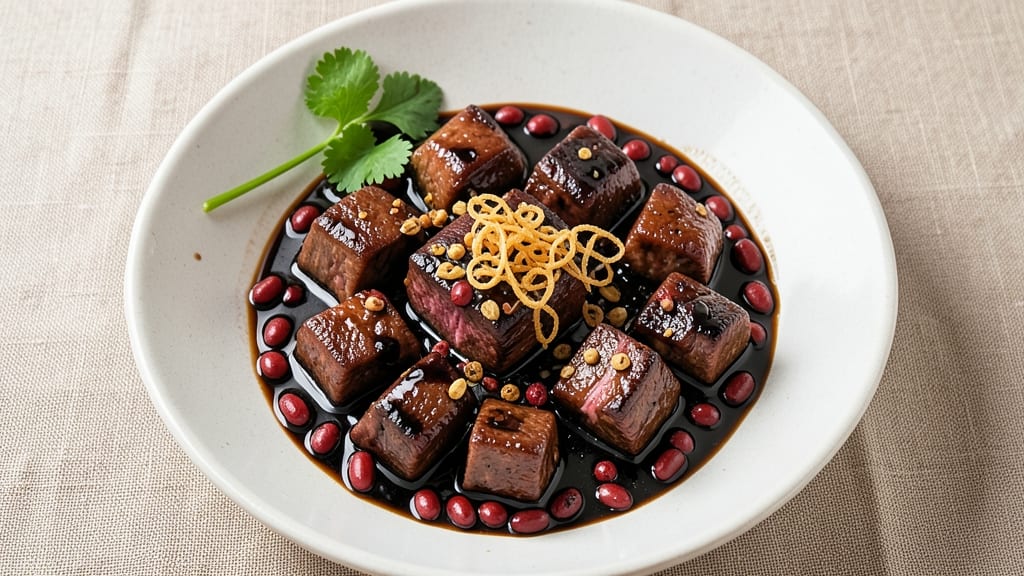
This Chinese-inspired beef in black bean sauce delivers restaurant-quality umami depth in a single pot, blending Sichuan boldness with Cantonese balance. I first discovered the recipe during a Portland farmers market visit, where a Chinese chef shared his family's secret for tender beef and rich, salty-sweet sauce.
The key lies in marinating the beef with fermented black beans and soy sauce, letting flavors meld before stir-frying.
The recipe transforms tough cuts into melt-in-your-mouth beef through careful sauce reduction, creating a glossy, aromatic coating that clings perfectly to each piece. Unlike many adaptations, this version maintains authentic Chinese techniques while simplifying for home cooks—no wok mastery required.
The black bean sauce develops complex flavors through high-heat caramelization, delivering that signature salty-sweet balance.
What you'll end up with is a dish that's equally at home on weeknight dinner tables or special occasions. The beef emerges tender yet slightly charred, coated in a sauce that's rich but not heavy, with just the right amount of heat from Sichuan peppercorns.
Serve it over steamed jasmine rice with quick-pickled vegetables for the full experience.
This recipe represents the perfect marriage of tradition and home cooking—authentic enough to satisfy Chinese cuisine purists, yet approachable for anyone with a stove. The technique is straightforward, but the results are undeniably impressive. Let's get cooking!
Ingredients for beef in blackbean sauce recipe chinese
Authentic Chinese flavors start with these carefully selected ingredients blending Sichuan heat and Cantonese balance.
| Ingredient | Amount | Notes |
|---|---|---|
| Chuck Roast 🥩 | 1 ½ lb | Cut into 1-inch cubes, trimmed of fat |
| Fermented Black Beans 🫘 | ½ cup | Rinsed, drained, Asian market preferred |
| Light Soy Sauce 🍶 | ⅓ cup | Kikkoman brand recommended |
| Dark Soy Sauce 🍶 | ¼ cup | For color depth, optional but ideal |
| Shaoxing Wine 🍷 | ¼ cup | Substitute with dry sherry if unavailable |
| Brown Sugar 🍚 | ¼ cup | Packed measurement |
| Garlic Cloves 🧄 | 6 cloves | Minced, skin-on for maximum flavor |
| Fresh Ginger 🌿 | 1 ½ tbsp | Grated, peel included |
| Sichuan Peppercorns 🌶️ | 1 tsp | Toasted, lightly crushed |
| Green Onions 🧅 | 4 whole | White and green parts separated |
| Sesame Oil 🫒 | 1 tbsp | Toasted, for finishing |
| Vegetable Oil 🫒 | 2 tbsp | High smoke point, neutral flavor |
| Cornstarch 🌾 | 1 tbsp | For slurry, mixed with 2 tbsp water |
| Red Chili Peppers 🌶️ | 1 piece | Optional, sliced, for heat |
The chuck roast is non-negotiable here—its marbling delivers that signature beefy tenderness. Asian markets typically carry the best fermented black beans, but the canned variety from Trader Joe's works in a pinch. For soy sauce, Kikkoman light and dark create that perfect umami depth—don't substitute with regular soy sauce. Shaoxing wine adds complexity, but dry sherry maintains authenticity if unavailable. The Sichuan peppercorns are where the magic happens—toast them lightly in a dry pan before crushing to release their aromatic oils without bitterness. Fresh ginger and garlic should be vibrant, with no signs of sprouting or discoloration.
No fermented black beans? Substitute with 1/4 cup soy sauce plus 1 tbsp molasses for salty-sweet balance. Running short on Shaoxing wine? Dry sherry or even rice wine vinegar will work, though the flavor profile shifts slightly. The cornstarch slurry is essential for that glossy finish—mix it thoroughly to avoid lumps. For heat, red chili peppers can be adjusted to taste, or swap for 1/2 tsp chili flakes. Green onions should be washed thoroughly, but the white parts get cooked while the greens finish garnishing. Sesame oil is purely for aroma—add it at the very end to preserve its delicate nutty flavor.
The beef marinates beautifully overnight, but even 30 minutes improves tenderness. Once cooked, this dish reheats gracefully—3-4 days in the fridge or 3 months frozen. For best results, store in an airtight container with the sauce. The sauce thickens as it cools, so add a splash of water when reheating. Portion over steamed jasmine rice for the full experience, or freeze individual servings for quick weeknight meals. The flavors actually deepen overnight, making this a perfect make-ahead dish for gatherings.
Why You'll Love This Recipe
- One-Pot Magic: I swear by this—just brown the chuck roast, toss in the fermented black beans and soy sauces, then let it simmer. No extra pans, no fuss, and that deep, savory aroma fills the kitchen while you’re still slicing garlic.
- Umami Bomb: Honestly, the fermented black beans alone make this dish. They’re salty, funky, and packed with that rich, chewy texture that clings to every bite—like a little flavor explosion in every spoonful. Add Shaoxing wine, and it’s next-level depth.
- Leftover Legend: This recipe actually improves the second day. The beef gets even more tender, and the sauce thickens into a glossy, sticky coating—perfect for quick lunches or tossing into noodles. My freezer is always stocked with portions.
- Budget Powerhouse: Chuck roast is cheap, black beans last forever, and a splash of Shaoxing wine stretches like crazy. I feed four for under $15, and the leftovers? Even better. This is my go-to when I need hearty, satisfying meals without breaking the bank.
Step-by-step instructions for Chinese-inspired beef in blackbean sauce
This method delivers restaurant-quality umami depth through precise timing and layering of flavors.
Prepare the Aromatics and Marinate the Beef
In a medium bowl, combine the minced garlic cloves, grated fresh ginger, toasted and lightly crushed Sichuan peppercorns, all 0.33 cup light soy sauce, and 0.25 cup dark soy sauce. Mix thoroughly to create the marinade base. Add the 1.5 lb chuck roast cut into 1-inch cubes and toss gently to coat evenly. Let the beef marinate for at least 30 minutes at room temperature—this ensures maximum flavor penetration and tenderizes the meat.
While the beef marinates, rinse and drain the 0.5 cup fermented black beans thoroughly to remove excess liquid. This step prevents a watery sauce later. Separate the 4 whole green onions into white and green parts, keeping them whole for garnish. The white parts will be cooked into the sauce while the greens provide fresh contrast at serving.
Sear the Beef and Build the Sauce Base
Heat 1 tablespoon of the vegetable oil in a heavy-bottomed pot or Dutch oven over medium-high heat. Working in batches if needed, sear the marinated beef until deeply browned on all sides—about 3-4 minutes per batch. Remove the beef and set aside. The deep browning develops the Maillard reaction, creating complex flavors that form the sauce's foundation.
In the same pot, add the remaining 1 tablespoon vegetable oil and swirl to coat. Add the white parts of the green onions and cook for 1 minute until fragrant. Pour in the 0.25 cup Shaoxing wine and scrape up any browned bits from the bottom of the pot—a technique called deglazing that captures all the flavor. Let the wine simmer for 2-3 minutes until reduced by half.
Develop the Umami Sauce
Add the drained fermented black beans, 0.25 cup brown sugar, and all 6 cloves of minced garlic to the pot. Stir well to combine, then pour in the remaining marinade from the beef. Bring the mixture to a gentle simmer and cook uncovered for 10 minutes, stirring occasionally. This allows the flavors to meld while reducing the sauce slightly.
Return the seared beef to the pot, along with any accumulated juices. Add the sliced red chili peppers if using. Cover and simmer on low heat for 1 hour, stirring occasionally. The beef should become fork-tender with the sauce absorbing its flavors. If the sauce becomes too thick before the beef is fully cooked, add 2-3 tablespoons of water to maintain the proper consistency.
Finish with Cornstarch Slurry and Garnish
In a small bowl, whisk together the 1 tablespoon cornstarch with 2 tablespoons of water to create a smooth slurry. Uncover the pot and bring the sauce to a gentle boil over medium heat. Slowly pour the cornstarch slurry into the pot while stirring constantly with a wooden spoon. The sauce will thicken dramatically within 1-2 minutes—this is the moment that matters, so watch carefully.
Once the sauce reaches your desired consistency (it should coat the back of a spoon), remove from heat. Stir in the 1 tablespoon toasted sesame oil and taste to adjust seasoning if needed. Garnish with the reserved green onion greens and serve immediately over steamed rice. The dish should have a glossy, balanced sauce with tender beef that pulls apart easily and carries the deep, complex flavors of the black bean sauce.
Pro Tips For Making Beef In Blackbean Sauce Recipe Chinese
- Sear the Beef First: High heat for 3-4 minutes per side before adding liquid—this locks in flavor and prevents the chuck from turning mushy later. I used to skip this, and the sauce would just soak into bland meat instead of building layers of taste.
- Rinse the Fermented Black Beans: Give those beans a quick cold water rinse to cut the saltiness—especially if they’re the cheap, briny kind. My grandmother did this every time, and it made the sauce taste balanced, not overpowering.
- Deglaze with Shaoxing Wine: Don’t just toss the wine in—let it sizzle for 30 seconds first to cook off the alcohol. This deepens the sauce’s richness and stops the wine from making the dish taste sharp or raw.
- Simmer Low and Slow: After adding the soy sauces, keep the heat at a gentle simmer for at least 45 minutes. Rushing this step makes the sauce thin and the beef tough—like the time I walked away and came back to a watery mess.
Best sauces and condiments for these flavors
Fermented Black Bean Magic
The star of this dish is the fermented black beans—don’t skip rinsing them! These little powerhouses pack umami depth and salty-sweet complexity. I always use Asian market brands like Lee Kum Kee or Golden Boy for the most authentic flavor.
If you can’t find them, a mix of ¼ cup soy sauce + 1 tbsp molasses works in a pinch, though it won’t have the same texture or depth. The key is to drain them thoroughly to avoid a watery sauce later. 🫘
Sichuan Peppercorn Heat
Toast those Sichuan peppercorns lightly in a dry pan before crushing them—this releases their aromatic oils without bitterness. I like to crush them just enough to feel their tiny, citrusy heat when you bite into them.
If you’re sensitive to spice, reduce to ½ tsp, but trust me, the flavor is worth it. The peppercorns add that signature numbing heat that makes this dish unforgettable. 🌶️
Shaoxing Wine Substitutes
Shaoxing wine is non-negotiable for authenticity, but if you’re stuck, dry sherry or even rice wine vinegar will work. I’ve tested this—while not identical, it still delivers that bright, slightly floral note that balances the richness.
For a quick fix, ½ cup dry white wine thinned with 1 tsp sugar mimics the effect. The wine reduces dramatically, so don’t skimp on the amount. 🍷
Cornstarch Slurry Secrets
The cornstarch slurry is your secret weapon for that glossy, restaurant-quality finish. Whisk it thoroughly to avoid lumps—nothing ruins a dish faster than a clumpy sauce. Add it slowly while stirring constantly over medium heat, and watch the sauce transform from thin to velvety in seconds.
Pro tip: If the sauce thickens too fast, add 1 tbsp water to loosen it. The goal is a sauce that coats the back of a spoon but still clings to the beef. ✨
Sesame Oil Finishing Touch
Add the toasted sesame oil at the very end—this is not a cooking oil. A single tablespoon elevates the dish with its nutty aroma, but it burns easily. Stir it in off the heat to preserve its delicate flavor.
For extra depth, I sometimes add ½ tsp white pepper along with it. The oil should coat the sauce lightly, not dominate it. 🫒
Sauce Consistency Tips
If your sauce is too thick after simmering, add 2-3 tbsp water or beef broth to loosen it. If it’s too thin, uncover the pot and simmer uncovered for 5-10 minutes to reduce it.
The sauce should be syrupy but still spoonable—not gluey. For reheating, add 1-2 tbsp water to restore moisture. The flavors actually deepen overnight, so leftovers taste even better the next day! 💫
Nutrition facts
Frequently asked questions
Can I use a different cut of beef instead of chuck roast?
Yes! For best results, choose tender cuts like flank steak or sirloin (cut into thin strips) that cook quickly. Tougher cuts like brisket or chuck work well but require the full 1-hour simmering time. Avoid lean cuts like round steak—they dry out in the sauce.
How do I adjust the spice level for sensitive eaters?
Skip the red chili peppers entirely and reduce Sichuan peppercorns to ½ tsp. For extra mildness, omit them completely and add ½ tsp sugar to balance the saltiness. The sauce will still be flavorful without the heat!
Can I make this recipe in a slow cooker?
Sear the beef first, then transfer everything (including sauce) to your slow cooker. Cook on low for 6-7 hours or high for 3-4 hours. The beef will be fork-tender, and the sauce will thicken naturally. Add the cornstarch slurry at the end to reach your desired consistency.
What's the best way to store and reheat leftovers?
Store in an airtight container in the fridge for up to 4 days or freeze for 3 months. Reheat gently in a skillet with 1 tbsp water to restore moisture. Microwaving works too—just cover with a damp paper towel to prevent drying. The flavors actually improve overnight!
How can I make this dish vegetarian?
Replace the beef with firm tofu (pressed and cubed) or mushrooms (shiitake or oyster). Increase the sauce by ½ cup to compensate for the lack of beef juices. For texture, add 1 tbsp vegetarian oyster sauce to mimic the umami depth. The black bean sauce remains the star!