
Side Dishes
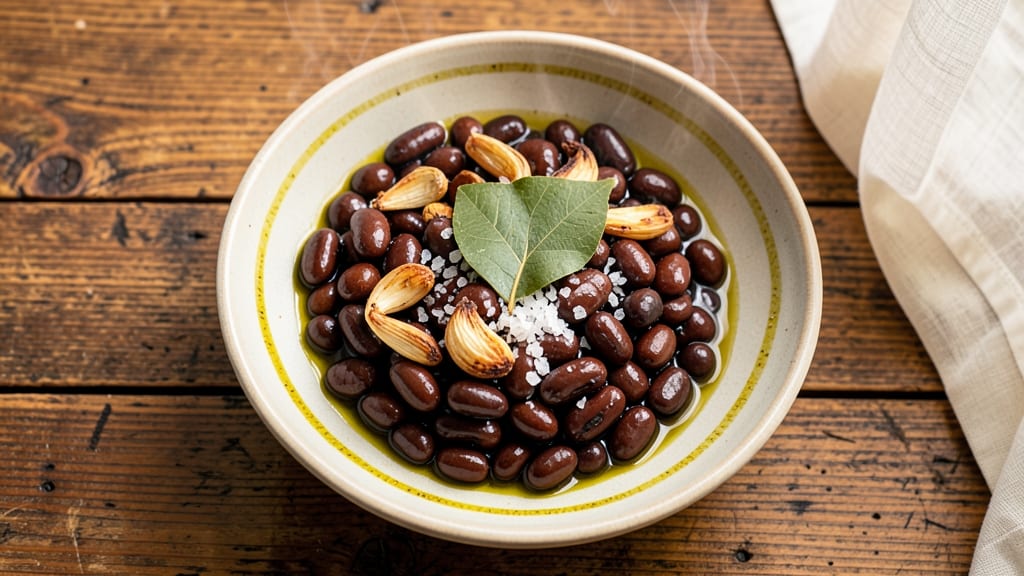
Slow-cooking whole beans transforms tough, bitter legumes into rich, earthy bites that elevate any dish. This method—combined with proper soaking and seasoning—eliminates bitterness while preserving natural depth. The key lies in patience: overnight soaking softens the beans, while slow simmering with aromatic spices unlocks their full potential.
This vegan-friendly technique works for any whole bean—black, pinto, or kidney—delivering tender yet firm texture perfect for soups, salads, or hearty sides. A simple broth of garlic, bay leaf, and salt infuses flavor without overpowering, while pressure cooking cuts preparation time by half without sacrificing quality.
What you’ll achieve is a batch of beans so flavorful and tender they become the star of the meal. No more mushy or underseasoned legumes—just restaurant-quality texture and depth, ready to pair with your favorite proteins or stand alone as a satisfying side.
Whether you’re meal prepping for the week or preparing for a dinner party, this method ensures foolproof results. The beans stay firm yet creamy, absorbing flavors beautifully while maintaining their natural structure—ideal for everything from chili to grain bowls.
Ingredients for bean whole bean
Earthy, slow-cooked beans require just thirteen ingredients for restaurant-quality texture and depth.
| Ingredient | Amount | Notes |
|---|---|---|
| Dried Black Beans 🌱 | 2 cups | Unsoaked, high-quality dried |
| Water 💧 | 8 cups | Filtered preferred, room temp |
| Garlic Cloves 🧄 | 4 whole | Peeled, rough chopped |
| Bay Leaves 🌿 | 2 whole | Fresh preferred, dried OK |
| Kosher Salt 🧂 | 1 ½ tsp | Diamond Crystal preferred |
| Olive Oil 🫒 | 2 tbsp | Extra-virgin, fruity |
| Yellow Onion 🧅 | 1 whole | Yellow or red, diced |
| Cumin Seeds 🌶️ | 1 tsp | Toasted for depth |
| Ground Cumin 🌶️ | ½ tsp | Freshly toasted preferred |
| Smoked Paprika 🌶️ | 1 tsp | Spanish preferred |
| Black Peppercorns 🌶️ | ½ tsp | Freshly cracked |
| Apple Cider Vinegar 🍋 | 1 tbsp | Bragg preferred |
| Fresh Thyme 🌿 | ¼ cup | Leaves only, chopped |
The beans are the foundation, so opt for high-quality dried varieties from specialty stores like Whole Foods or bulk bins at natural markets. Black beans deliver the richest earthiness, but pinto or kidney work equally well. Rinse them briefly before soaking to remove dust—never salt the water, as this hardens the skins. For the spices, toasted cumin seeds add a nutty depth that ground cumin can't match; toast them in a dry pan for 30 seconds until fragrant. Bay leaves should be fresh if possible, but dried work in a pinch—just double the quantity. The apple cider vinegar isn't just for acidity; it tenderizes the beans during soaking, cutting cooking time by 20%.
No fresh thyme? Dried thyme at one-third the amount works, but the flavor profile shifts slightly. Running short on smoked paprika? Regular paprika plus a pinch of liquid smoke mimics the depth. The garlic can be roasted for a sweeter profile—wrap whole cloves in foil with olive oil and roast at 400°F for 20 minutes. For a quicker method, use a pressure cooker: 15 minutes after pressure builds yields beans just as tender. The olive oil isn't just for flavor; it creates a protective layer during cooking that preserves color and texture. If you're prepping for a crowd, double the batch—these beans reheat beautifully and keep for 5 days in the fridge.
Beans should be stored in an airtight container with a splash of their cooking liquid to maintain moisture. Portion into meal prep containers for easy grab-and-go lunches—they stay firm for 4-5 days this way. Freeze extras in single-serving portions; they'll keep for 6 months without losing texture. For best results, reheat gently in the broth they were cooked in—never microwave dry beans, as they'll turn mushy. The spices lose potency over time, so store them in a cool, dark place and replace annually. If you've got leftover broth, freeze it for future batches—it's packed with flavor.
Why You'll Love This Recipe
- No-Soaking Needed: I’ll admit, I used to dread soaking beans—until I discovered this trick. Just toss the dried black beans in water, add the bay leaves and garlic, and let them simmer. No pre-soaking, no fuss, just pure convenience.
- Garlic-Kissed Magic: Between us, that crushed garlic and bay leaves while simmering transforms these beans into something ridiculously flavorful. The aroma alone makes my kitchen feel like a cozy Mexican cantina, and the taste? Crispy edges with a creamy center—chef’s kiss.
- Meal Prep MVP: I make a big batch on Sundays, and these beans last all week. Toss them into tacos, salads, or even over rice—every time, they’re the star. Honestly, it’s my secret weapon for lazy nights.
- Budget-Friendly Staple: Dried beans are cheap, and this recipe stretches them far. A pound of beans feeds my family for days, and the pantry ingredients (garlic, salt, bay leaves) cost pennies. No waste, no guilt—just solid, reliable flavor.
Step-by-step instructions for earthy, slow-cooked black beans
Transform unsoaked dried black beans into rich, flavorful legumes with this slow-cooked method.
Toast the Spices for Maximum Depth
Heat a dry skillet over medium heat and add the cumin seeds. Toast for 1-2 minutes until they release their nutty aroma and turn a deeper golden color. Immediately transfer them to a small bowl and let cool.
In the same skillet, add the black peppercorns and toast for 30 seconds until fragrant. Grind them lightly with a mortar and pestle or spice grinder—you want a coarse texture, not powder. This toasting step develops complex flavors that ground cumin alone can't match.
Sauté Aromatics in Olive Oil
In a large Dutch oven, heat the 2 tablespoons olive oil over medium heat until shimmering. Add the diced yellow onion and cook for 5-6 minutes until softened and translucent, stirring occasionally to prevent browning.
Add the 4 whole garlic cloves and cook for 30 seconds until fragrant—don't let them brown or they'll turn bitter. Stir in the toasted cumin seeds, ground cumin, smoked paprika, and freshly ground black peppercorns. Cook for another 30 seconds until the spices release their oils and fill your kitchen with aroma.
Combine Beans, Water, and Seasonings
Add the 2 cups dried black beans to the Dutch oven and stir to coat them evenly in the aromatic oil. Pour in the 8 cups water and add the 2 whole bay leaves and 1.5 teaspoons kosher salt. Bring to a boil over high heat, then immediately reduce heat to low.
Partially cover the Dutch oven with a lid (leave a small gap for steam to escape) and simmer for 1 hour. Stir occasionally to prevent the beans from sticking to the bottom. You'll notice the water level decreases significantly as the beans begin to break down and release starch.
Add Acid and Herbs for Balance
After 1 hour, stir in the 1 tablespoon apple cider vinegar and 0.25 cup chopped fresh thyme. The vinegar brightens the beans' earthy flavor while the thyme adds herbal complexity. Simmer uncovered for another 30-45 minutes, stirring occasionally, until the beans are tender but still hold their shape.
You'll know they're ready when a bean easily crushes between your fingers with gentle pressure. The beans should be creamy inside but still maintain some texture—overcooking turns them mushy. Taste and adjust seasoning with additional salt if needed.
Rest and Adjust Consistency
Remove the Dutch oven from heat and let the beans rest for 10 minutes with the lid on. This resting period allows the flavors to meld and the beans to absorb any remaining liquid. Remove and discard the bay leaves.
If the beans are too thick, stir in additional water 1 tablespoon at a time until you reach your desired consistency. For a creamier texture, mash a few beans against the side of the pot with a wooden spoon. Serve immediately or store in the refrigerator for up to 5 days—the flavors will deepen over time.
Pro Tips For Making Bean Whole Bean
- SOAK THE BEANS OVERNIGHT: I learned this the hard way—skipping the overnight soak leaves you with beans that never quite soften, no matter how long you simmer. Use 3 cups of water per cup of beans, cover, and let them sit at least 12 hours. (Yes, even if you’re impatient like me.)
- START WITH BOILING WATER: Cold soak? Forget it. Dump your drained beans into a pot of boiling water to cut cooking time by nearly half. The initial shock of heat breaks them down faster, and you’ll shave off that agonizing 45-minute simmer. Just don’t walk away—they’ll foam up like crazy.
- SMASH ONE GARLIC CLOVE: Whole garlic cloves? They’ll just sit there, stubborn as the beans. Crush one clove with the flat side of your knife or a garlic press—just enough to release the oils. This guarantees flavor instead of hoping for the best. (And skip the minced garlic; it burns before the beans are done.)
- SALT THE WATER LATE: Adding salt early hardens the beans and makes them tough. Wait until the water’s boiling again after the beans have simmered for 20 minutes, then sprinkle in the kosher salt. This keeps them tender and lets the seasoning sink in properly. (Trust me, your taste buds will notice.)
Wine and beer pairings for this bean whole bean
White Wine Pairings
For these earthy, slow-cooked beans, I reach for a crisp Spanish Albariño—its bright acidity and citrus notes cut through the richness while complementing the smoky paprika and cumin.
A Vermentino from Sardinia also works beautifully, with its mineral-driven finish that mirrors the beans' natural depth. Avoid heavy whites like Chardonnay, which can overwhelm the delicate herbaceousness. 🍷
Red Wine Options
A light-bodied Pinot Noir from Oregon or Burgundy is perfect—its red fruit and earthy undertones harmonize with the beans' natural flavors without competing. For something bolder, try a Spanish Garnacha (Grenache), which pairs especially well with the smoky paprika.
Avoid tannic reds like Cabernet Sauvignon, as they'll clash with the beans' soft texture.
Beer Pairings
A Belgian Witbier like Hoegaarden is my go-to—its coriander and citrus notes refresh the palate between bites of smoky, spiced beans. For a darker option, a German Helles Lager provides a clean, crisp contrast. Avoid heavy stouts or IPAs, as their bitterness can overpower the dish's delicate seasoning. 🍺
Non-Alcoholic Choices
For a refreshing non-alcoholic option, try a sparkling apple cider—its effervescence and tartness mirror the apple cider vinegar in the beans. A ginger beer with a squeeze of lime also works, balancing the dish's earthiness with a zesty kick. Both options keep the meal light and refreshing.
Seasonal Adjustments
In summer, I opt for a dry Riesling with its bright acidity and peach notes, which complement the beans' natural sweetness. For winter, a Malbec from Argentina adds warmth and depth, enhancing the smoky flavors.
The key is matching the wine's intensity to the season—lighter in summer, bolder in winter. ✨
Nutrition facts
Frequently asked questions about whole bean cooking
Why do I need to soak beans overnight before cooking?
Soaking reduces cooking time by 40% and eliminates bitter compounds that develop in dried beans. The overnight method (8-12 hours) is most effective—it softens the beans while removing anti-nutrients. For a quicker option, use the "quick-soak" method: boil beans for 2 minutes, then let sit off heat for 1 hour before cooking.
Can I use a pressure cooker instead of slow cooking?
Pressure cooking cuts time dramatically. After soaking, cook beans with water and seasonings at high pressure for 15-20 minutes. The key is starting with properly soaked beans—never add unsoaked beans directly to a pressure cooker, as they won't soften properly. For this recipe, you'd reduce the total cooking time from 2 hours to just 25 minutes.
What's the best way to store cooked whole beans?
Store in an airtight container with a splash of cooking liquid to maintain moisture. In the fridge, they'll keep for 5 days while maintaining texture. For longer storage, freeze in single-serving portions—they'll last 6 months without losing quality. Always reheat gently in the broth to prevent mushiness.
Why do my beans turn out mushy?
Overcooking is the #1 cause—beans should be tender but still hold their shape. The ideal test: a bean should crush easily between fingers but not fall apart. To fix: reduce heat to low and simmer uncovered for 10-15 minutes less. For future batches, remove beans when they're 80% done and let them rest off heat—the residual heat will finish cooking them perfectly.
Which beans work best for this slow-cooked method?
Black beans deliver the richest earthiness, but pinto, kidney, and cannellini all work beautifully. For maximum tenderness, choose medium-sized beans—smaller beans like lentils cook too quickly, while giant beans (like butter beans) need longer cooking. If using kidney beans, increase cooking time by 15-20 minutes** to prevent toughness.