
Main Courses
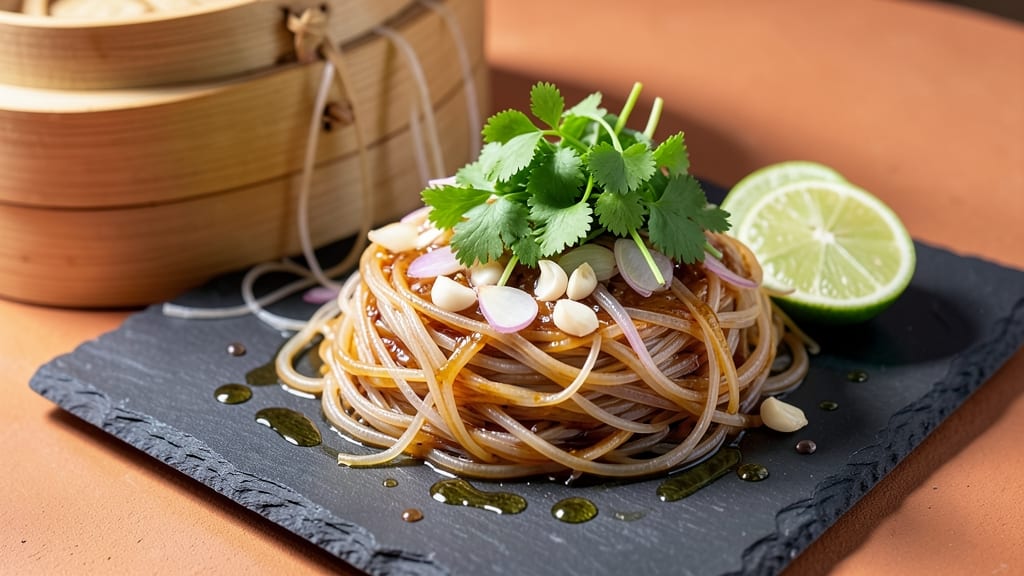
Vegetarian bean thread noodles transform a simple pantry staple into a luxurious, silken dish with just a few minutes of prep work. These delicate noodles—so fine they slip through your fingers—absorb flavors like a sponge, making them perfect for vegetarian dishes that feel restaurant-worthy. The secret lies in proper soaking and a bright garlic-lime dressing that cuts through their natural neutrality, turning them into something vibrant and irresistible.
What sets this recipe apart is its balance of simplicity and sophistication. No fancy equipment is needed—just a bowl, warm water, and patience to achieve that signature slippery texture.
The garlic-lime dressing adds a zesty contrast that elevates the noodles from basic to exceptional, while optional stir-fried vegetables or herbs add depth for a complete meal. This dish is equally at home as a light lunch or a refreshing side for grilled proteins.
The result is a dish that’s both elegant and effortless—silky noodles that glisten with every bite, infused with bright, fresh flavors. Whether you're serving it chilled as a salad or warm with a light broth, the texture and taste will leave everyone asking for seconds.
Ready to master this vegetarian staple? Let’s get started.
Perfect for meal prep or last-minute dinners, these noodles keep well in the fridge for up to three days, making them an ideal solution for busy weeknights. The key is in the technique—soaking them properly ensures they hold their shape while still maintaining that signature slipperiness.
With just a few ingredients and minimal effort, you’ll have a dish that feels indulgent without the fuss.
Ingredients for bean thread noodles recipe vegetarian
These delicate noodles plus a few bright ingredients create a dish that feels restaurant-worthy with minimal effort.
| Ingredient | Amount | Notes |
|---|---|---|
| Bean Thread Noodles (Mung Bean Noodles) 🍜 | 8 oz | Dried, uncooked noodles |
| Fresh Garlic Cloves 🧄 | 6 cloves | Minced for dressing |
| Lime Juice 🍋 | ⅓ cup | Freshly squeezed |
| Extra-Virgin Olive Oil 🫒 | ¼ cup | For dressing |
| Vegetable Broth 💧 | 1 ½ cups | Low-sodium preferred |
| Fresh Cilantro Leaves 🌿 | ¼ cup | Chopped, optional garnish |
| Red Bell Pepper 🌶️ | 1 whole | Thinly sliced, optional |
| Sesame Oil 🫒 | 1 tbsp | For finishing |
| Salt 🧂 | 1 tsp | Kosher or sea salt |
| White Pepper 🌶️ | ¼ tsp | Freshly ground |
| Sugar 🍬 | 1 tsp | White granulated |
| Vegetable Oil 🫒 | 1 tbsp | For stir-frying |
| Green Onion 🧅 | 2 whole | Thinly sliced, optional garnish |
The noodles are the star here, so buy the thinnest, highest-quality dried bean thread noodles you can find—Asian markets usually carry the best. Look for packages labeled 'vermicelli' or 'rice noodles' if needed, but true bean thread noodles are unmistakable. The texture is everything: soaking them in warm water for 15-20 minutes ensures that signature slippery feel without turning mushy. If you can't find them fresh, dried works perfectly—just soak longer. For extra authenticity, try Thai Kitchen or Lotus Foods brands, which are widely available.
No fresh garlic or lime? Garlic powder and bottled lime juice will work in a pinch, though fresh is ideal for that bright zing. The dressing is where the magic happens—balance is key. Too much lime and it's tart; too little and the noodles taste bland. Start with the full amount, then adjust to taste. For a vegetarian protein boost, stir-fry tofu or edamame in the vegetable oil before adding the noodles. The red bell pepper adds a nice crunch, but skip it if you prefer a cleaner texture. Sesame oil should be added last—just a few drops—to enhance aroma without overpowering.
These noodles keep beautifully in the fridge for 3-4 days if stored in an airtight container with a splash of water to prevent drying. For meal prep, make the dressing separately and combine just before serving. The dish reheats well, though the texture is best enjoyed fresh. To serve, drain the noodles thoroughly and toss gently with the dressing—overmixing can break them. Garnish with fresh cilantro and green onion for a pop of color. Leftovers? They're even better cold the next day—perfect for a quick salad.
Why You'll Love This Recipe
- No-Soak Magic: I swear by these noodles—they’re ready in minutes without any pre-soaking. Just rinse, boil, and you’re done. That’s right, no waiting around for hours like with other noodles.
- Garlic-Lime Zing: The fresh garlic and lime juice hit different—bright, punchy, and just a little tangy. It’s the kind of flavor that makes you want to eat it straight from the pan, no sides needed.
- Lunchbox Hero: Between us, this is my go-to for packed lunches. The noodles hold up well, and the broth keeps them from getting soggy. Toss in some veggies or tofu, and you’ve got a meal that’s ready to go in seconds.
- Budget Stretch: Mung bean noodles are dirt cheap, and this recipe feeds two for less than $5. Honestly, it’s one of those dishes where you can stretch the ingredients without sacrificing taste—just add more veggies or broth if needed.
Step-by-step instructions for slippery silken noodles with garlic-lime zing
Transform delicate bean thread noodles into a vibrant, restaurant-quality dish with this precise method.
🍳 Step 1: Prepare the Garlic-Lime Dressing
In a small bowl, combine the 6 cloves minced fresh garlic cloves, 0.33 cup lime juice, 0.25 cup extra-virgin olive oil, 1 tsp salt, 0.25 tsp white pepper, and 1 tsp sugar. Whisk vigorously until the sugar dissolves completely and the mixture emulsifies into a smooth dressing. The sugar balances the acidity while the white pepper adds subtle depth without overpowering the bright lime flavor.
Let the dressing sit at room temperature for 5 minutes while you prepare the remaining components. This resting time allows the flavors to meld slightly, creating a more cohesive taste profile. The dressing should have a vibrant yellow hue and a fresh, aromatic scent—this is your cue that it's ready to use.
🍳 Step 2: Cook the Bean Thread Noodles Perfectly
Bring a large pot of water to a rolling boil. Add the 8 oz bean thread noodles (mung bean noodles) and cook for exactly 3-4 minutes. Unlike wheat-based noodles, these delicate strands cook in mere minutes and become mushy if overcooked. You'll know they're done when they float to the surface and have a silky, translucent appearance.
Drain immediately using a fine-mesh strainer and rinse under cold water for 10 seconds to stop the cooking process. Gently toss the noodles with 1 tablespoon vegetable oil to prevent sticking. The oil creates a slight barrier that helps maintain their slippery texture when combined with the dressing later.
🥘 Step 3: Assemble the Noodle Dish
In a large serving bowl, combine the cooked bean thread noodles with the prepared garlic-lime dressing. Toss gently but thoroughly to ensure every strand is coated evenly. The noodles should glisten with the dressing, indicating proper saturation. If the mixture appears too thick, add 2-3 tablespoons vegetable broth to loosen it to your desired consistency.
Fold in the 1 whole thinly sliced red bell pepper and 2 whole thinly sliced green onion (if using) at this stage. These vegetables add color and crunch contrast while absorbing the dressing's flavors. The bell pepper should be cut into thin strips to maintain the dish's delicate texture profile.
🍽️ Step 4: Finish and Serve Immediately
Drizzle 1 tablespoon sesame oil over the noodles just before serving. The sesame oil adds a nutty aroma and rich depth that complements the bright garlic-lime dressing. Gently toss one final time to distribute the oil evenly. The dish should now have a beautiful, glossy sheen with vibrant colors.
Garnish with 0.25 cup chopped fresh cilantro leaves for a fresh herbal note and visual appeal. Serve immediately while the noodles are still warm and slippery. The contrast between the cool, silky noodles and the vibrant dressing creates an unforgettable textural experience that's both refreshing and satisfying.
Pro Tips For Making Bean Thread Noodles Recipe Vegetarian
- SOAK NOODLES UNTIL THEY’RE SLICK: Bean thread noodles need a good 30-minute soak in warm water to soften properly—don’t rush it. After soaking, drain and rinse them under cold water until they’re slippery to the touch; this stops them from sticking like glue when you cook them.
- SMASH GARLIC WITH A PINCH OF SALT: Peel your garlic cloves, then smash them flat with the side of your knife before mincing. Add a tiny pinch of salt to the smashed garlic—it keeps the pieces from turning bitter and makes them release flavor faster when you sauté them in olive oil.
- DON’T BOIL THE BROTH DRY: Start with a generous splash of vegetable broth (about 2 cups) and keep the heat medium-low while tossing the noodles. If the broth reduces too much, the noodles will turn mushy and the dish loses its silky texture. Add a splash of water if needed—better to have a little extra broth than a dry, gluey mess.
- FINISH WITH LIME WHILE NOODLES ARE STILL HOT: Squeeze in the lime juice at the very end, right after you’ve turned off the heat. The acid brightens the dish, but if you add it too early, the noodles will start to break down. A quick taste test helps—you want a tangy kick, not a sour punch.
Storing and reheating this bean thread noodles recipe vegetarian
Fridge Storage Secrets
Store your cooked bean thread noodles in an airtight container with a splash of vegetable broth (about 2 tablespoons) to maintain moisture. Keep them refrigerated for up to 3 days—the broth prevents drying while preserving that signature slippery texture.
I like using glass containers with snap lids for easy reheating later. 💫
Freezing for Later
For longer storage, freeze the noodles in a single layer on a tray for 1 hour to prevent clumping, then transfer to a freezer-safe bag. They’ll keep for 2 months—just thaw overnight in the fridge before reheating.
When ready to eat, toss with fresh dressing to revive the flavors. The texture stays silky if you avoid overcooking during reheating.
Reheating Like a Pro
For stovetop reheating, warm the noodles in a pan with 1 tablespoon vegetable oil over low heat for 2-3 minutes, adding 1 tablespoon broth to loosen. Microwave reheating? Cover with a damp paper towel and heat in 30-second bursts until warm—this keeps them from drying out.
Always finish with fresh dressing and sesame oil to restore that restaurant-quality shine. ✨
Cold Noodle Magic
These noodles shine cold too! Toss reheated noodles with extra dressing and chill for 30 minutes before serving as a refreshing salad. The texture becomes even more delicate, and the flavors deepen.
I love adding sliced cucumber or avocado for a summery twist. Store leftovers in the fridge for up to 2 days for this purpose.
Dressing Refresh
If your stored noodles taste flat, revive them by tossing with 1 teaspoon fresh lime juice and ½ teaspoon minced garlic just before serving. The acidity cuts through any staleness, making them taste fresh again.
Keep the dressing separate in the fridge and mix it in right before eating for maximum brightness. 🍋
Texture Preservation
Avoid overmixing when reheating—gentle tossing prevents the noodles from breaking. If they seem dry, add 1 teaspoon sesame oil while warm to restore that glossy finish. The key is patience: let them sit for 2 minutes after reheating to redistribute moisture before serving. This keeps them silky, not mushy. 💪
Nutrition facts
Frequently asked questions
Why do I need to soak bean thread noodles before cooking?
Soaking isn't required for cooking—these noodles cook in just 3-4 minutes—but it's the secret to achieving that signature slippery texture! The warm water softens them slightly, making them more pliable and preventing them from breaking when tossed with dressing. For extra silkiness, soak for 15-20 minutes in warm water before cooking.
Can I use dried bean thread noodles instead of fresh?
Dried noodles work perfectly—they just need a longer soak (20-30 minutes in warm water) before cooking. The key is patience: dried noodles absorb water more slowly, so don't rush the process. Rinse them briefly after cooking to remove excess starch, which keeps them from sticking when tossed with dressing.
What if my noodles turn out mushy?
Overcooking is the usual culprit—bean thread noodles cook in 3-4 minutes max! If they're mushy, it means they cooked too long or were over-soaked. For next time, reduce cooking time by 30 seconds and rinse them immediately with cold water to stop the cooking process. The dressing should coat them evenly without making them soggy.
How can I make this vegetarian dish more protein-rich?
Add a protein boost by stir-frying 1 cup firm tofu or ½ cup edamame in vegetable oil before mixing with the noodles. For extra texture, try crispy baked chickpeas or crumbled tempeh. These additions work well with the garlic-lime dressing and add satisfying substance to the dish.
Can I make this dish ahead of time?
Yes! Cook the noodles and store them in an airtight container with 2 tablespoons vegetable broth for up to 3 days. Keep the dressing separate and toss them together just before serving. For a cold salad, chill the noodles for 30 minutes after combining with dressing—it enhances the flavors and texture.