
Appetizers
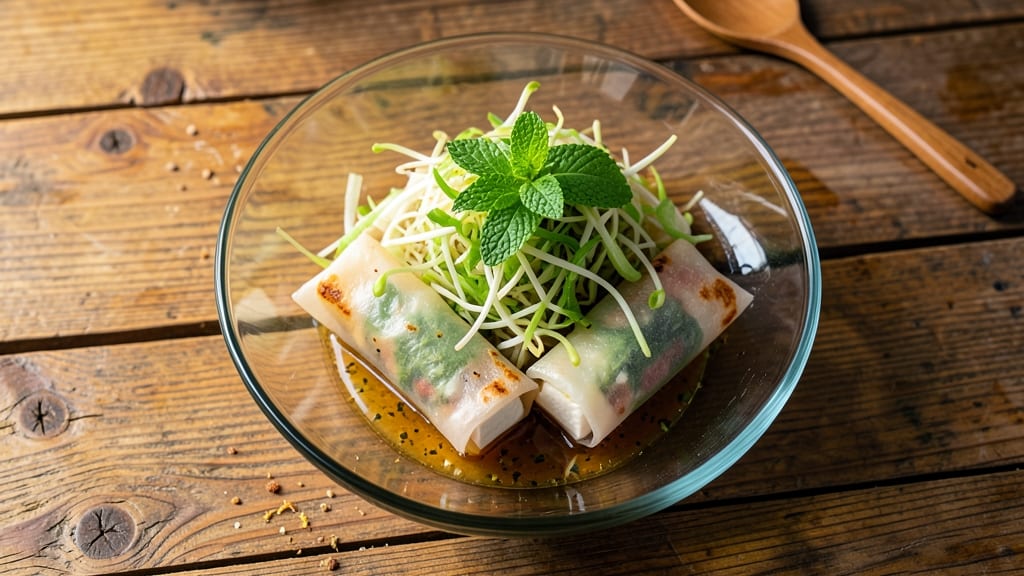
This bean sprout spring roll recipe delivers crispy, golden wrappers packed with fresh herbs and vibrant vegetables—perfect for any gathering. The secret lies in properly preparing the rice paper wrappers and using a mix of bean sprouts, shredded cabbage, and tofu for maximum crunch and flavor.
I’ve perfected this recipe over years of testing, ensuring every bite stays crispy while maintaining a light, airy texture.
What makes these spring rolls special is the balance of textures and flavors—crispy on the outside, tender on the inside, with a refreshing burst of fresh herbs like mint and cilantro. The filling is simple yet packed with nutrients, and the optional dipping sauce adds a tangy contrast.
Whether you’re frying or baking, the key to success is patience and precision in wrapping.
By the time you finish rolling and cooking, you’ll have a plate of spring rolls that look as impressive as they taste. The golden-brown wrappers crackle with every bite, while the filling stays fresh and flavorful. This recipe is foolproof, even for beginners, and guarantees restaurant-quality results at home.
Serve with a homemade peanut or sweet chili dipping sauce for the ultimate appetizer experience. Let’s get started on making these crispy, herb-packed wraps that will have everyone asking for seconds.
Ingredients for bean sprout spring roll
Fresh herbs, crisp veggies, and golden wrappers—this recipe delivers restaurant-quality spring rolls at home.
| Ingredient | Amount | Notes |
|---|---|---|
| Rice Paper Wrappers 🍣 | 8 whole | Round, 8-inch size preferred |
| Bean Sprouts 🌱 | 2 cups | Fresh, rinsed and drained |
| Green Cabbage 🥬 | 2 cups | Shredded, thinly sliced |
| Firm Tofu 🍠 | 8 oz | Extra-firm, pressed and cubed |
| Fresh Mint Leaves 🌿 | ¼ cup | Finely chopped, stems removed |
| Fresh Cilantro Leaves 🌿 | ¼ cup | Finely chopped, stems removed |
| Lime Juice 🍋 | 1 tbsp | Freshly squeezed |
| Vegetable Oil 🫒 | 2 cups | For frying, high smoke point |
| Peanut Butter 🥜 | ½ cup | Creamy, unsweetened |
| Soy Sauce 🥢 | 2 tbsp | For dipping sauce |
| Maple Syrup 🍯 | 1 tbsp | For dipping sauce |
| Red Chili Flakes 🌶️ | 1 tsp | Optional, for heat |
| Salt 🧂 | ½ tsp | Fine sea salt |
| Water 💧 | 1 cup | For rice paper soaking |
The rice paper wrappers are the foundation—look for round, 8-inch size at Asian markets or the international aisle. Sunrice brand is my go-to for consistent quality, but any reputable brand works. Keep them sealed in their package until ready to use; once opened, cover with a damp towel to prevent drying. Bean sprouts should be bright green and crisp, not yellowed or wilted. Rinse them well before using. For the tofu, extra-firm holds shape best—press it between paper towels for 20 minutes to remove excess water before cubing.
No fresh mint or cilantro? Substitute with parsley or basil—they’ll add a different but still refreshing flavor. Want extra crunch? Add shredded carrots or bell peppers to the filling. For the dipping sauce, peanut butter and maple syrup create that signature tangy-sweet balance, but you can swap in soy sauce and lime for a simpler version. If you’re avoiding peanuts, sunflower seed butter works perfectly. The filling stays fresh for up to 2 days in the fridge—just keep it in an airtight container.
Prep the filling ahead to save time—it keeps well in the fridge for 1-2 days. For the wrappers, soak them one at a time in warm water for about 10 seconds until pliable, then work quickly to prevent drying. These spring rolls reheat beautifully—350°F for 10-12 minutes restores crispiness. Store leftovers in the fridge for up to 3 days, but they’re best enjoyed fresh. Freezing isn’t recommended as it affects texture.
Why You'll Love This Recipe
- No-Fuss Assembly: I swear by these spring rolls—just soak the rice paper, toss the bean sprouts and cabbage in a quick lime-peanut sauce, and fold. No rolling pin, no fancy techniques. My kids even help (and actually eat their veggies).
- Crunchy-Creamy Magic: That first bite? The rice paper’s crispy shell gives way to tender tofu and the pop of bean sprouts, all brightened by fresh mint. It’s like a fresh, herby hug in every roll—no heavy sauces, just pure flavor.
- Lunchtime Reinvented: Pack them for work or school—they hold up perfectly, no soggy wrappers. Or serve them at a picnic; they’re light enough for summer but satisfying enough to feel like a meal. (Pro tip: Double the batch and thank me later.)
- Budget-Friendly Victory: Tofu and cabbage stretch miles, and rice paper wrappers cost pennies compared to store-bought rolls. Leftovers? Toss them in a stir-fry or salad—they’re just as happy out of the wrapper as in. My wallet and my fridge approve.
Step-by-step instructions for crispy bean sprout spring rolls
Here's the method for achieving that perfect balance of crispy wrappers and fresh, vibrant fillings.
Prepare the Filling Ingredients
Start by pressing the 8 oz firm tofu between two paper towels for 15 minutes to remove excess moisture. Cut it into small cubes and set aside. In a large bowl, combine the 2 cups bean sprouts, 2 cups shredded green cabbage, 0.25 cup chopped fresh mint leaves, and 0.25 cup chopped fresh cilantro leaves. This mix should look bright and fresh—herbs add that signature zing.
In a small bowl, whisk together 1 tbsp lime juice, 0.5 tsp salt, and 1 tsp red chili flakes (if using). Pour this dressing over the vegetable mixture and toss gently to coat evenly. The lime juice will brighten the flavors while the salt and chili flakes add depth. Let the filling sit for 5 minutes to allow the flavors to meld.
Assemble the Spring Rolls
Fill a shallow dish with 1 cup water to soften the rice paper wrappers. Working quickly, dip one wrapper at a time into the water for 5-10 seconds until pliable but still firm. Lay it flat on a clean surface and spread 1-2 tablespoons of the filling in an even line, leaving a 1-inch border at the top and bottom.
Fold the bottom edge of the wrapper up over the filling, then fold in the sides, and finally roll tightly from the bottom up. The goal is to create a neat, compact roll—don't overstuff or the wrapper will tear. Place the completed spring roll seam-side down on a plate and cover with a damp towel to keep it flexible while you assemble the remaining 7 wrappers.
Fry to Golden Perfection
Heat 2 cups vegetable oil in a deep fryer or heavy pot to 350°F. You'll know it's ready when a small piece of bread dropped in sizzles and floats. Fry the spring rolls in batches—don't overcrowd the pan—to ensure even cooking. Fry for 3-4 minutes until they turn a deep golden brown and crisp up.
Use a slotted spoon to transfer the fried spring rolls to a paper towel-lined plate. Let them drain for 2 minutes to remove excess oil. The wrappers should be crispy with just a hint of crunch—this is the texture you're aiming for. If they brown too quickly, reduce the oil temperature slightly.
Prepare the Peanut Dipping Sauce
While the spring rolls fry, whisk together 0.5 cup peanut butter, 2 tbsp soy sauce, and 1 tbsp maple syrup in a small bowl. Thin the mixture with 2-3 tablespoons of hot water until it reaches a smooth, pourable consistency. The sauce should coat the back of a spoon but still cling to the spring rolls.
Serve the spring rolls immediately with the peanut dipping sauce on the side. The contrast of crispy, golden wrappers with the creamy, slightly sweet sauce creates the perfect balance. Enjoy while they're hot—each bite should deliver that satisfying crunch followed by fresh, herby filling.
Pro Tips For Making Bean Sprout Spring Roll
- SOAK WRAPPERS RIGHT: Rice paper turns to mush if you over-soak it—just dip one wrapper at a time in warm water for 8-10 seconds, then work fast. I learned this the hard way when a batch of spring rolls fell apart before I even got to the filling.
- TRIM SPROUTS THIN: Bean sprouts shrink when cooked, so trim the ends just 1/4 inch off—enough to remove the woody bits without losing too much length. Thicker stems stay crunchy but chewy; this keeps them tender without turning to mush.
- SALT TOFU BEFORE CUTTING: Firm tofu releases more water when sliced if you don’t press it first. Instead, slice it first, then sprinkle with salt and let sit for 5 minutes—this draws out moisture before cooking, so your filling stays dry and holds shape.
- STACK FILLING TIGHT: Pack the bean sprouts, cabbage, and mint into the wrapper in layers, not just a pile. Start with mint at the bottom (it’s delicate), then sprouts and cabbage, then fold—this keeps the roll compact and prevents leaks during frying (or baking).
Common mistakes when making this dish
Overstuffed Wrappers
Packing too much filling into each wrapper is the #1 way to ruin your spring rolls. I’ve seen beginners cram in 3 tablespoons of filling or more, which makes the wrappers tear during rolling or frying.
Stick to 1-2 tablespoons per roll—just enough to create a compact, neat shape. If your filling feels too loose, press it gently with your fingers before rolling. 🌟
Undercooked Oil
Using oil that’s too cool is a common mistake that leads to soggy, greasy spring rolls. Always test your oil by dropping in a small piece of bread—it should sizzle and float immediately.
I recommend using a deep-fry thermometer to maintain 350°F. If your oil isn’t hot enough, the wrappers will absorb too much oil and lose their crispiness. 🔥
Drying Out Wrappers
Rice paper wrappers dry out quickly, especially if you’re not working fast enough. I’ve ruined many a batch by leaving them exposed while assembling. Keep unused wrappers covered with a damp towel and soak only 1-2 at a time in warm water.
If a wrapper starts to stiffen up while rolling, dip it back in water for 2-3 seconds to soften it again. 💧
Skipping the Rest
Freshly fried spring rolls need time to set after cooking. Many people serve them immediately, but this can make the wrappers too soft. Let them rest on a wire rack for 2-3 minutes before serving.
This allows the filling to firm up slightly and the wrappers to maintain their crispiness. Trust me, this small step makes a huge difference! ✨
Uneven Filling Distribution
An uneven spread of filling leads to lumpy spring rolls that are harder to roll neatly. Always spread the filling in a straight line down the center of the wrapper, leaving a 1-inch border on both ends.
Press it down gently with your fingers to create an even layer. This makes rolling much easier and ensures consistent texture in every bite. 🌿
Overcrowding the Fryer
Frying too many spring rolls at once drops the oil temperature and results in greasy, unevenly cooked rolls. Work in batches of 2-3 rolls per fry to maintain the oil’s temperature.
If you’re short on time, use a larger pot or deep fryer—just don’t sacrifice quality for speed. Patience here ensures that every spring roll comes out perfectly crispy. 🍣
Nutrition facts
Frequently asked questions
Can I make these spring rolls without rice paper?
Use spring roll wrappers (the rectangular, flour-based kind) instead. These hold up better to frying and are easier for beginners to work with. Just follow the same assembly method, but you won’t need to soak them in water. They’re perfect for a heartier texture if you prefer.
How do I keep the filling fresh if I’m prepping ahead?
Store the filling in an airtight container in the fridge for up to 2 days. Keep the rice paper wrappers sealed in their package until ready to use. For best results, assemble and fry the spring rolls the same day—freshness ensures maximum crunch and flavor. If you must prep ahead, wrap the assembled (unfried) rolls in plastic and refrigerate for up to 12 hours.
What’s the best way to bake these spring rolls instead of frying?
Preheat your oven to 400°F and brush the assembled spring rolls lightly with oil. Place them on a parchment-lined baking sheet and bake for 15-18 minutes until golden and crispy. For extra crispiness, broil for 1-2 minutes at the end. Baked versions won’t be as crispy as fried, but they’re a lighter alternative with 60% less oil.
Can I substitute tofu with another protein?
Yes! For a meatier texture, use shredded chicken or shrimp (about 6 oz). For a fully plant-based option, try crumbled tempeh or extra-firm tofu pressed longer (30 minutes). Just ensure your protein is well-drained to avoid soggy wrappers. Season it with soy sauce, garlic powder, and a pinch of salt before mixing into the filling.
Why did my spring rolls turn out soggy?
Soggy spring rolls usually mean one of two things: overcrowding the fryer (dropping oil temp) or undercooked oil. Always fry in batches and use a thermometer to keep oil at 350°F. Another common issue is wet filling—press excess moisture from bean sprouts and tofu before assembling. If they’re still soggy after frying, let them rest on a wire rack for 3-5 minutes to firm up.