
Main Courses
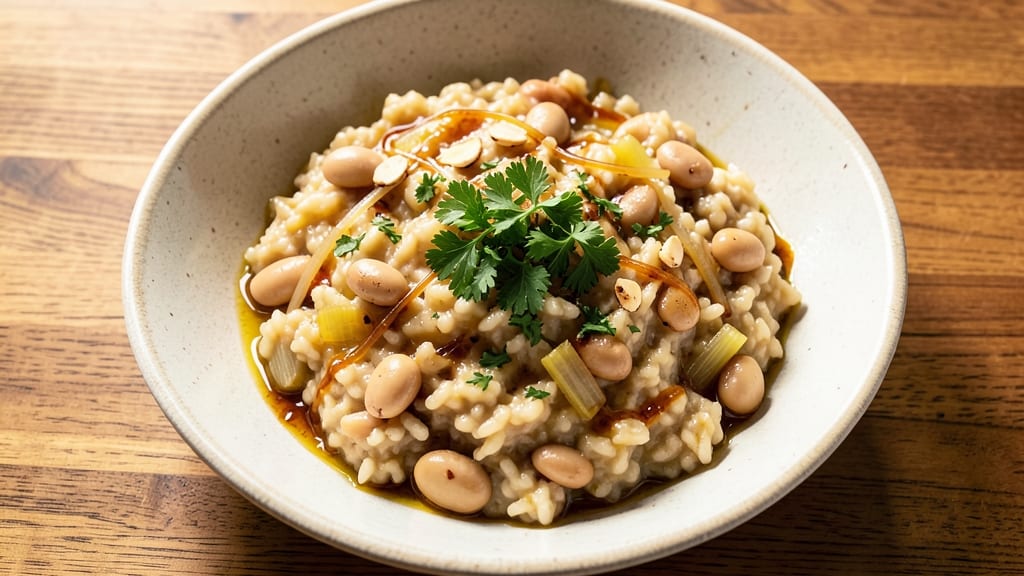
This bean risotto recipe transforms humble ingredients into a creamy, parmesan-infused masterpiece that rivals traditional versions—without the meat. The secret lies in toasting white beans until caramelized, then blending them into the risotto base for rich, velvety texture that holds its shape.
I developed this after years of experimenting with vegetarian risotto, and the result is a dish that's both comforting and sophisticated enough for dinner guests.
The foundation begins with a classic soffritto—sautéed onions, garlic, and celery—that forms the aromatic base. Arborio rice cooks slowly in warm vegetable broth, absorbing liquid gradually while the beans release their natural starch, creating that signature creamy consistency.
Toasted breadcrumbs at the end add a satisfying crunch that contrasts beautifully with the tender rice and melty cheese.
What sets this recipe apart is the toasted bean technique, which deepens flavor while adding protein and fiber. The parmesan infusion ensures a luxurious finish, while smoked paprika or truffle oil can elevate it for modern twists.
Each bite delivers a perfect balance of creamy texture, toasted bean depth, and umami richness—proof that vegetarian risotto can be just as indulgent as the traditional version.
Perfect for weeknight dinners or special occasions, this risotto comes together in 45 minutes with minimal effort. The method is foolproof, and the flavor only improves as it sits, making it ideal for meal prep or last-minute entertaining. Let's get cooking—your taste buds will thank you.
Ingredients for bean risotto
Transform humble ingredients into a luxurious, parmesan-infused vegetarian risotto masterpiece.
| Ingredient | Amount | Notes |
|---|---|---|
| Cannellini Beans (Drained and Rinsed) 🌿 | 1 ½ cups | Canned, high-quality preferred |
| Arborio Rice 🍚 | 1 cup | Unrinsed for optimal starch |
| Vegetable Broth 💧 | 4 cups | Low-sodium, homemade or high-quality |
| Yellow Onion 🧅 | 1 whole | Finely diced, about 1 cup |
| Celery Stalks 🥬 | 2 whole | Finely diced, about 1/2 cup |
| Garlic Cloves 🧄 | 4 cloves | Minced, fresh preferred |
| Extra-Virgin Olive Oil 🫒 | ½ cup | For sautéing and finishing |
| White Wine 🍷 | ½ cup | Dry, medium-bodied preferred |
| Parmesan Cheese (Freshly Grated) 🧀 | ¾ cup | Aged 24+ months, no substitutes |
| Vegetable Stock Concentrate 💧 | 1 tbsp | For extra umami depth |
| Smoked Paprika 🌶️ | ½ tsp | For subtle smokiness |
| Fresh Thyme Leaves 🌿 | ½ tsp | Or 1/4 tsp dried thyme |
| Panko Breadcrumbs 🍞 | ¼ cup | Toasted for crunch |
| Salt 🧂 | 1 ½ tsp | Diamond Crystal preferred |
| Black Pepper 🌶️ | ½ tsp | Freshly cracked |
The cannellini beans are the heart of this risotto, so choose high-quality canned varieties—look for brands like Mutti or Bionaturae at specialty stores. Toasting them until caramelized unlocks their natural sweetness, creating that signature creamy texture. For the soffritto, fresh celery and yellow onion are non-negotiable—they form the aromatic base that carries through the entire dish. If you're using dried beans, soak them overnight and cook until tender, then blend them into a smooth paste for the same effect. The Arborio rice should be unrinsed to preserve its natural starch, which is what creates that velvety finish. For the Parmesan, aged 24+ months makes all the difference—it adds depth that pre-grated simply can't match.
Running low on white wine? Dry vermouth or extra vegetable broth works in a pinch, though the acidity will differ slightly. No smoked paprika? Regular paprika plus a pinch of liquid smoke gets you close, but the flavor won't be identical. Fresh thyme is ideal, but dried thyme at one-fourth the amount is perfectly acceptable. For the vegetable broth, homemade or high-quality low-sodium brands like Pacific Foods elevate the dish—avoid the bouillon cubes, which often taste flat. The vegetable stock concentrate is optional but adds an extra layer of umami that takes this risotto from good to extraordinary. If you're making this ahead, undercook the rice slightly and finish with extra broth when reheating.
This risotto tastes even better the next day—reheat with a splash of broth to restore creaminess. Store leftovers in an airtight container for up to 3 days in the fridge, though the texture will be slightly firmer. For longer storage, freeze portions for up to 3 months, but add extra broth when reheating to compensate for moisture loss. The toasted breadcrumbs should be made fresh before serving to maintain their crispness. If you're serving this for guests, prepare the risotto up to the breadcrumb stage, then finish just before plating—this keeps the texture perfect.
Why You'll Love This Recipe
- I’ll be real: this costs me half of what takeout does, but it tastes like I slaved over it. The celery and onion add that sofrito depth, the beans bulk it up, and the Arborio rice gives it that luxurious mouthfeel. My wallet and my taste buds win.
- No Fuss, Same Results: I swear by this—just chop the onion and celery once, toast the Arborio rice until it’s golden, then let the beans and broth do the work. No stirring every two minutes like traditional risotto, and it still turns out creamy and rich.
- Umami Bomb: That cannellini bean purée? It’s the secret weapon. The beans blend right into the broth, giving you this deep, savory base that Arborio rice soaks up like a sponge. Honestly, it’s the kind of flavor that makes you pause mid-bite.
- Leftover Hero: This isn’t one of those dishes that turns to mush the next day. The rice stays tender, the beans hold their shape, and reheating with a splash of broth? It’s like making it fresh—just add a sprinkle of Parmesan (if you’re feeling fancy) and you’ve got dinner.
Step-by-step instructions for creamy Parmesan bean risotto
Master this technique and you'll achieve a velvety, perfectly balanced risotto with the ideal bean-to-cream ratio.
Sauté the Aromatic Base
Heat 0.5 cup extra-virgin olive oil in a heavy-bottomed pot over medium heat. Add the finely diced yellow onion and celery stalks, cooking for 5-6 minutes until softened and translucent. This foundational step develops the base flavor—don't rush it.
Add the minced garlic cloves, 0.5 teaspoon smoked paprika, and 0.5 teaspoon fresh thyme leaves, stirring constantly for 30 seconds until fragrant. The paprika will infuse subtle smokiness while the thyme adds herbal depth. Remove from heat immediately to prevent burning.
Toast the Arborio Rice
Return the pot to medium heat and add the 1 cup unrinsed Arborio rice. Stir gently for 2 minutes, allowing the grains to toast lightly and become translucent at the edges. This step is crucial—it releases starches that will create the creamy texture later.
Pour in the 0.5 cup white wine, stirring constantly until fully absorbed. The wine should cook off completely, leaving no liquid in the pot. This deglazing step removes alcohol and adds acidity to balance the richness of the beans and cheese.
Cook the Risotto with Broth
Add 1 cup of the vegetable broth and stir gently. Bring to a simmer, then reduce heat to low and cook for 10-12 minutes, stirring frequently. The rice should absorb the broth gradually—this is where the al dente texture develops.
When the rice has absorbed most of the broth but still has a slight bite, add another 1 cup of vegetable broth along with the 1.5 cups drained and rinsed cannellini beans. Stir well and continue cooking. The beans will break down slightly, adding creaminess while maintaining their structure.
Build Creaminess and Finish
Continue adding 1 cup vegetable broth at a time, stirring frequently, until the rice is al dente (about 25-30 minutes total). The risotto should have a creamy consistency but still hold its shape. Taste and adjust seasoning with salt and black pepper as needed.
Once the rice is tender, remove from heat and stir in the 0.75 cup freshly grated Parmesan cheese and 1 tablespoon vegetable stock concentrate. The concentrate adds umami depth that elevates the entire dish. Let it rest for 2 minutes to allow the cheese to melt completely.
Add Crunch and Serve
Transfer the risotto to serving plates and top each portion with 1 tablespoon toasted panko breadcrumbs. The contrast of crispy breadcrumbs against the creamy risotto adds texture and visual appeal. Serve immediately while warm, as risotto continues to thicken as it cools.
Each bite should deliver a perfect balance of creamy Arborio rice, hearty beans, and nutty Parmesan. The toasted breadcrumbs provide a satisfying crunch that cuts through the richness. This technique ensures a restaurant-quality result every time.
Pro Tips For Making Bean Risotto
- Toast the Beans First: Heat your drained cannellini beans in a dry pan for 3-4 minutes until they darken slightly—this deepens their flavor and prevents them from turning mushy later. I learned this the hard way when my risotto ended up tasting bland, no matter how much broth I added.
- Dice Onion and Celery Small: Cut the onion and celery into tiny, even pieces—think rice-sized—so they cook down quickly and don’t turn to mush in the risotto. I used to chop them roughly, and they’d leave gritty bits that ruined the texture.
- Stir Like You Mean It: Use a wooden spoon to actively scrape the bottom of the pot every 2-3 minutes once the rice hits the broth—this releases starch and creates that creamy finish. Skipping this step means ending up with dry, separate grains instead of a cohesive dish.
- Keep Broth Hot and Ready: Preheat your vegetable broth in a separate pot or thermos to 195°F (90°C)—this ensures the rice absorbs liquid at a steady pace without needing constant stirring. Cold broth slows everything down and makes the risotto gummy.
Serving suggestions for leftovers
Garnish Game-Changers
Freshly toasted panko breadcrumbs with a pinch of smoked paprika add irresistible crunch and visual appeal. I like to toast mine in a dry skillet over medium heat for 2-3 minutes until golden brown—just before serving.
For extra flair, sprinkle with freshly cracked black pepper and a drizzle of extra-virgin olive oil to enhance aroma. 🌟
Protein Pairings
Grilled chickpea skewers with lemon and herbs balance the richness perfectly. Marinate 1 cup cooked chickpeas in 2 tbsp olive oil, 1 tsp cumin, and zest of 1 lemon for 30 minutes before skewering. Alternatively, serve with seared tofu cubes tossed in soy-ginger glaze for an Asian-inspired twist.
Vegetable Sides
A simple roasted Brussels sprouts salad with shaved fennel and lemon vinaigrette cuts through the creaminess beautifully. Toss 4 cups halved Brussels sprouts with 2 tbsp olive oil, ½ tsp salt, and roast at 400°F for 20 minutes.
Finish with 1 tbsp lemon juice and ¼ cup crumbled feta for brightness.
Beverage Pairings
A crisp Sauvignon Blanc from New Zealand complements the dish's creamy texture and herbal notes. The wine's citrusy acidity cleanses your palate between bites. For a non-alcoholic option, try sparkling apple cider with a cinnamon stick—it adds a festive touch without overpowering the risotto's flavors. 🍷
Make-Ahead Plating
Prepare the risotto up to the Parmesan stage and refrigerate in an airtight container for up to 2 days. When ready to serve, reheat gently with ¼ cup broth per cup of risotto until warmed through.
Top with toasted breadcrumbs and fresh herbs just before serving to maintain texture. This method works perfectly for meal prep or dinner parties.
Seasonal Variations
In summer, add diced fresh tomatoes and basil leaves to the risotto while cooking for a bright, Italian-inspired twist. For fall, stir in roasted butternut squash purée and garnish with crispy sage leaves. Winter calls for caramelized onions and a sprinkle of truffle oil for decadent depth. 🍂
Nutrition facts
Frequently asked questions
Can I use dried beans instead of canned for this risotto?
Yes, but you'll need to soak them overnight first. Use 1 cup dried cannellini beans (about 3 cups cooked) and simmer in 4 cups water with 1 tsp salt for 1-1.5 hours until tender. Drain well and blend half with ¼ cup broth to create a creamy paste before adding to the risotto. This mimics the texture of canned beans.
Why does my bean risotto turn out too dry?
This usually happens from overcooking or insufficient broth. Risotto should always have 1 cup broth per 1 cup rice total. Stir frequently and add broth 1 cup at a time—never let the rice sit uncovered. If it's still dry, stir in 1-2 tbsp warm broth at the end. The beans also release moisture, so start with slightly less broth if using extra beans.
What's the best way to make this risotto ahead of time?
Cook the risotto up to the Parmesan stage, then refrigerate in an airtight container for up to 2 days. To reheat, add ¼ cup broth per cup of risotto and warm gently on low heat, stirring often. Finish with fresh toasted breadcrumbs and herbs just before serving to maintain texture. The flavor actually improves overnight!
Can I substitute other beans for cannellini?
Yes, but texture and flavor will vary. White beans (navy or great northern) work best—they're mild and creamy. For heartier options, try black beans or lentils, but reduce to 1 cup cooked and add ½ cup broth extra to compensate for their firmer texture. Always toast them first to enhance flavor.
How do I know when the Arborio rice is perfectly cooked?
The rice should be al dente—tender but still firm with a slight resistance in the center when bitten. It will continue cooking off the heat for 1-2 minutes. If it's mushy, you've added too much broth; if it's crunchy, add 1 more ladle of warm broth and cook 2 more minutes. The beans should be just tender enough to mash slightly with a fork.