
Appetizers
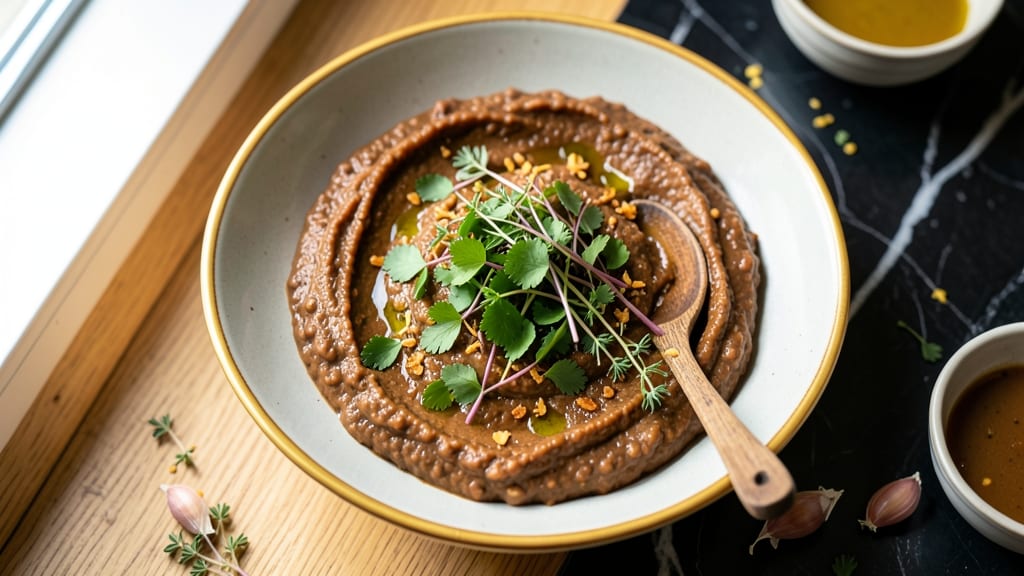
This bean pâté recipe transforms humble white beans into a velvety, nutty, and deeply flavorful spread that rivals any French bistro classic.
The secret lies in slow-cooking dried beans until they're tender enough to blend into a silky texture, then layering in shallots, garlic, and fresh herbs for aromatic depth.
I developed this version after years of experimenting with shortcuts—it's the one that finally delivers that perfect balance of richness and freshness without dairy or meat.
What sets this recipe apart is the two-stage cooking process: first simmering the beans until they're fork-tender, then blending them with toasted shallots and garlic for maximum flavor extraction.
The finishing touch comes from swirling in high-quality olive oil while still warm, which creates that signature French pâté sheen and melt-in-your-mouth consistency. Unlike store-bought versions, this one builds flavor through slow development rather than artificial seasoning.
By the time you're done, you'll have a pâté that's spreadable on crusty bread or sliceable for elegant appetizers—packed with umami from the beans and bright herbaceous notes that cut through the richness.
The texture transforms from grainy to luxuriously smooth, with just enough body to hold its shape when chilled. This is the kind of recipe that makes you feel like a professional chef without requiring any special skills.
Serve it with toasted baguette slices, crackers, or as a dip for fresh vegetables. The flavor actually improves after refrigeration, making it perfect for meal prep.
Store leftovers in an airtight container for up to 5 days or freeze for longer storage—though I doubt it'll last that long in your kitchen.
Ingredients for bean pate
These twelve ingredients transform simple dried beans into a luxurious pâté with restaurant-quality richness.
| Ingredient | Amount | Notes |
|---|---|---|
| Dried Cannellini Beans 🌾 | 1 ½ cups | Unsoaked, rinsed thoroughly |
| Shallots 🧅 | ½ lb | Yellow or red, peeled |
| Garlic Cloves 🧄 | 6 whole | Fresh, peeled, smashed |
| Fresh Thyme Sprigs 🌿 | 2 whole | Stems removed, leaves only |
| Fresh Parsley 🌿 | ¼ cup | Flat-leaf, finely chopped |
| Extra-Virgin Olive Oil 🫒 | ½ cup | High-quality, fruity |
| Vegetable Stock 💧 | 1 ½ cups | Homemade or low-sodium |
| Lemon Juice 🍋 | 2 tbsp | Freshly squeezed |
| Salt 🧂 | 1 ½ tsp | Diamond Crystal kosher |
| Black Peppercorns 🌶️ | ½ tsp | Freshly cracked |
| Dried Bay Leaves 🌿 | 1 whole | For depth of flavor |
| Toasted Almonds 🥜 | ¼ cup | Slivered, lightly toasted |
The beans are the foundation, so pick cannellini—their creamy texture blends beautifully. I always use dried beans from Trader Joe's or Whole Foods bulk bins because they hold up better during long cooking. The shallots and garlic get toasted in olive oil until golden—this step is non-negotiable (trust me on the full-fat version). Fresh thyme and parsley add that bright herbaceous note that cuts through the richness. For the olive oil, California avocado oil or a high-quality Italian extra-virgin works best—avoid anything with a harsh aftertaste.
No cannellini? Great Northern or navy beans work in a pinch, but you'll need to soak them overnight. Short on shallots? Yellow onion at half the amount, but the flavor won't be as refined. The toasted almonds add crunch and richness—walnuts or cashews are great substitutes if you're nut-averse. Want more depth? Add 1 tsp smoked paprika with the bay leaf. The vegetable stock should be homemade if possible (I use Imagine brand when short on time), but low-sodium store-bought works too. And if you're feeling fancy, infuse the olive oil with a few bay leaves before using it.
This pâté tastes even better the next day—refrigerate for at least 4 hours before serving. Store in an airtight container with a thin layer of olive oil on top to preserve freshness for 5-7 days. For longer storage, portion into ice cube trays, freeze, then transfer to a bag—perfect for 3 months of gourmet lunches. The texture transforms from velvety to almost sliceable when chilled, making it ideal for charcuterie boards or elegant appetizers.
Why You'll Love This Recipe
- No-Soaking Needed: I’ll admit—dried beans usually mean overnight soaking for me. But these cannellinis? Just a quick rinse and a 45-minute simmer. Less prep, same hearty texture.
- Umami Bomb: Shallots and garlic caramelize into something deep—like a slow-cooked secret. The thyme and parsley? They brighten it just enough to make every bite feel special.
- Spread It Everywhere: This isn’t just for toast. Slather it on crusty bread, dollop it into pasta, or mix it into mashed potatoes. My kids even sneak it onto their grilled cheese.
- Dollar Stretch: A pound of dried beans feeds us for days. I make a big batch, store it in the fridge, and pull it out for snacks, lunches, or last-minute dinners. Budget-friendly and delicious? Yes, please.
Step-by-step instructions for silky French bean pâté
Transform simple dried beans into a luxurious, velvety spread with this refined technique.
Soak and Simmer the Cannellini Beans
Place the 1.5 cups dried cannellini beans in a large bowl and cover with plenty of cold water—at least 3 inches above the beans. Let them soak overnight, or for a quicker method, cover with boiling water and let sit for 2 hours. The beans should swell dramatically and lose their tough skins.
Drain and rinse the soaked beans thoroughly. In a heavy-bottomed pot, combine the beans with the 1.5 cups vegetable stock and 1 whole dried bay leaf. Bring to a boil, then reduce heat to medium-low and simmer uncovered for 45-60 minutes until the beans are fork-tender. You'll know they're ready when they mash easily with minimal resistance—this is crucial for achieving that signature silky texture.
Build the Flavor Base
While the beans simmer, heat the 0.5 cup extra-virgin olive oil in a large skillet over medium heat. Add the 0.5 lb shallots and 6 whole garlic cloves, cooking them gently for 8-10 minutes until the shallots turn translucent and the garlic releases its aroma but doesn't brown. This gentle cooking prevents bitterness and builds a rich foundation.
Remove the skillet from heat and stir in the 2 whole fresh thyme sprigs (leaves only) and 0.5 tsp freshly cracked black peppercorns. Let this mixture steep for 5 minutes to infuse the oil with maximum flavor. This aromatic blend will elevate the pâté from simple to extraordinary.
Create the Silky Mixture
Drain the cooked beans and transfer them to a food processor or high-powered blender. Add the shallot-garlic-thyme mixture (including the infused oil), 2 tbsp lemon juice, 1.5 tsp salt, and 0.25 cup toasted almonds. Process in batches if needed, blending until completely smooth with no visible texture. The result should be a velvety, almost custard-like consistency—this is what makes French pâté so luxurious.
Real talk: If the mixture seems too thick, add 1-2 tablespoons of the bean cooking liquid at a time until you reach that perfect, spreadable consistency. The pâté should cling to the back of a spoon and hold its shape when spooned, but still be smooth enough to pipe if desired.
Finish with Fresh Herbs
Transfer the blended mixture to a serving bowl and stir in the 0.25 cup finely chopped fresh parsley. This final herb addition brightens the flavors and adds a fresh contrast to the rich bean base. Taste and adjust seasoning—you might need a touch more salt or lemon juice to balance the flavors perfectly.
For the best texture, let the pâté rest at room temperature for 30 minutes before serving. This allows the flavors to meld completely and the texture to become even more velvety. Serve chilled or at room temperature with crusty bread, crackers, or as a base for elegant appetizers.
Pro Tips For Making Bean Pate
- SOAK BEANS OVERNIGHT: I learned this the hard way—rushing soaks leaves you with tough, uneven beans. Toss dried cannellini in cold water with a pinch of salt (yes, even for soaking) and let them sit 12+ hours. The longer they soak, the creamier your pâte will be—no gummy texture, no extra simmering needed.
- CARAMELIZE SHALLOTS LOW: High heat turns shallots bitter faster than you’d believe. Cook them on medium-low with a splash of water, stirring constantly, until they’re golden and jammy—about 15-20 minutes. This isn’t the prettiest method, but it’s the tastiest, and it’s what makes the flavor sing.
- SMASH COOKED BEANS: Skip the food processor for half the batch—use a potato masher or fork to rough up some beans before blending. This creates pockets of texture that prevent the pâte from turning into a paste. (Your future self will thank you when you’re not scraping processor blades.)
- RESERVE THE SOAK LIQUID: Drain soaked beans, but save that starchy water—it’s liquid gold for adjusting consistency. Add it sparingly while blending to loosen the pâte without diluting flavor. I skip this when I’m lazy, but the dish is noticeably better when I don’t.
Pro cooking tips for great bean pate
Bean Texture Mastery
Your pâté’s success hinges on perfectly tender beans—not mushy. Simmer them until they’re fork-tender (they should mash easily but still hold slight resistance). I use a heavy-bottomed pot to prevent scorching, and I never cover the pot during simmering.
This prevents the beans from absorbing too much water and turning gluey. For extra insurance, I check doneness by mashing a few beans between my fingers—they should break down smoothly without turning to paste. 🌾
Toasted Aromatics
The secret to depth lies in toasting the shallots and garlic until they’re golden but not browned. This step caramelizes their natural sugars, creating a rich, nutty base. I use a large skillet on medium heat and stir frequently to prevent burning.
After removing from heat, I let the thyme and peppercorns steep in the oil for 5 minutes—this infuses the oil with maximum flavor. Skipping this step means a bland, one-dimensional pâté.
Blending Like a Pro
For a truly silky texture, blend in two stages. First, pulse the beans roughly to break them down, then gradually add the infused oil and liquid while blending continuously. I use a high-powered blender (like my Ninja BN601) because regular food processors struggle with the oil’s viscosity.
If your mixture looks too thick, add 1 tbsp of the bean cooking liquid at a time—this keeps the texture luscious without diluting the flavor.
Resting for Perfection
Never serve pâté immediately after blending—resting is non-negotiable. Let it sit at room temperature for 30 minutes before serving. This allows the flavors to meld and the texture to thicken slightly, giving it that restaurant-quality consistency.
I also recommend chilling it for 4+ hours if possible—the flavors deepen, and it becomes almost sliceable, perfect for elegant appetizers. ❄️
Flavor Balancing
The lemon juice and parsley are your flavor anchors. Taste as you go—add lemon first if it needs brightness, then salt if it’s too mild. I often start with 1.5 tsp salt but adjust based on the beans’ saltiness (some dried varieties are saltier than others).
The toasted almonds add crunch and richness, but if you prefer a smoother texture, pulse them briefly in the food processor before adding. Trust your palate—this is where home cooks elevate pâté from good to extraordinary.
Equipment Shortcuts
No food processor? No problem. Use an immersion blender for the beans (start with 1 cup of liquid to thin the mixture), then transfer to a bowl and whisk in the infused oil.
For the shallots and garlic, a small saucepan works just as well as a skillet—just keep the heat low. The key is patience: rush the cooking, and you’ll end up with a grainy, flavorless mush. Take your time, and the results will be worth it. 💡
Nutrition facts
Frequently asked questions
Can I use canned beans instead of dried for this pâté?
You can absolutely use canned beans for a quicker version, but the texture and flavor won't be as rich. Dried beans develop deeper flavor during long cooking, while canned beans lack that complexity. If you must use canned, drain and rinse 2 (15 oz) cans of cannellini beans, then simmer them uncovered for 20-30 minutes with the vegetable stock and bay leaf to concentrate their flavor. The pâté will be less velvety but still delicious.
How do I fix pâté that's too thick or too thin?
For a thick pâté, stir in 1-2 tablespoons of the bean cooking liquid at a time until it reaches a smooth, spreadable consistency. If it's too thin, transfer to a saucepan and simmer gently for 5-10 minutes to reduce the liquid. The ideal texture should be thick enough to hold its shape when spooned but still smooth enough to spread. For extra richness, stir in 1 tablespoon of vegan butter while warm.
Can I make this pâté ahead of time?
This pâté tastes even better after resting! Store it in an airtight container in the refrigerator for up to 5 days, or freeze for 3 months. The flavors deepen and the texture becomes more refined with time. For serving, let it sit at room temperature for 30 minutes before spreading to restore its velvety consistency. It also makes a fantastic make-ahead appetizer for parties.
What are the best ways to serve bean pâté?
This pâté is incredibly versatile! Serve it as a spread on toasted baguette slices, as a dip for crudités (carrots, celery, bell peppers), or as a base for elegant appetizers. For a fancy presentation, pipe it into decorative shapes on a platter with crackers and olives. It also works beautifully as a filling for vegan crostini or stuffed into endive leaves for a sophisticated bite.
Why does my pâté taste bland compared to yours?
Bland pâté usually comes from skipping the flavor-building steps. Make sure you're toasting the shallots and garlic until golden (not browned), letting the thyme and peppercorns steep in the oil, and tasting as you go to adjust seasoning. Also, don't rush the bean cooking—simmer until they're fork-tender (not mushy). If needed, boost flavor with an extra ½ teaspoon of smoked paprika or 1 teaspoon of Dijon mustard while blending.