
Main Courses
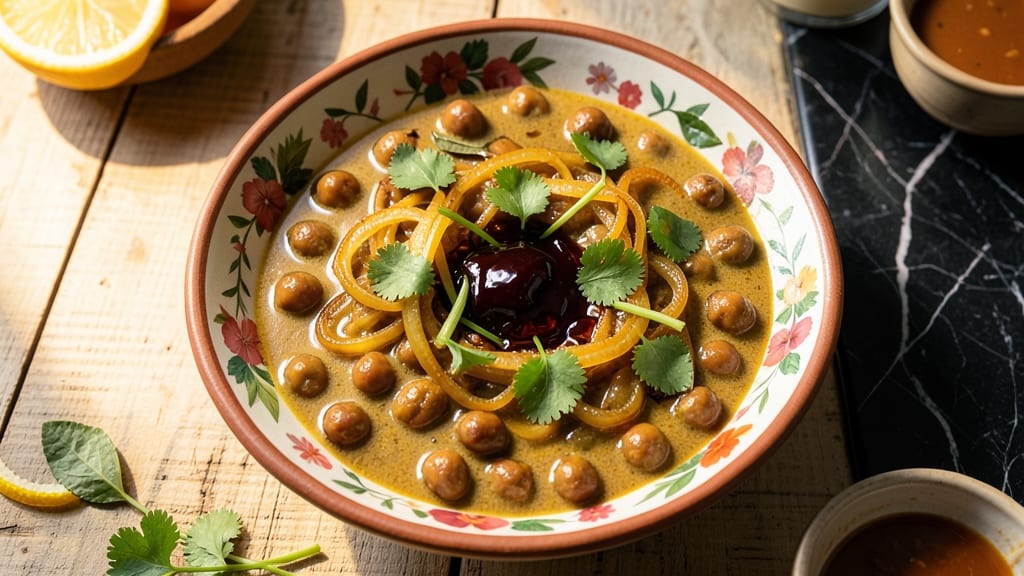
This Sri Lankan bean curry recipe delivers the bold, tangy-spiced flavors of a Colombo street-side favorite, where coconut milk and tamarind create a symphony of richness and acidity.
The dish transforms humble beans into a velvety, aromatic curry that builds layers of warmth from cinnamon, cardamom, and curry leaves—each spice playing its part in that signature Sri Lankan depth.
I first tasted this version at a family gathering where the curry was served with fluffy rice, and the contrast between the creamy sauce and the earthy beans became instantly addictive.
The secret lies in the slow simmering, which allows the spices to bloom and the tamarind to mellow into a subtle tang that brightens the coconut milk's richness.
Using dried beans (like chickpeas or kidney beans) ensures they soak up the spiced coconut broth perfectly, while a touch of turmeric and mustard seeds adds that unmistakable Sri Lankan flavor profile.
This isn't just a curry—it's a celebration of Sri Lanka's coastal cuisine, where spices dance with coconut and tamarind in every bite.
What you'll end up with is a restaurant-quality bean curry that pairs beautifully with rice, roti, or even crusty bread to soak up every last drop of that fragrant sauce.
The beans become tender yet hold their shape, coated in a sauce that's creamy from coconut milk but cut through with tamarind's sharp edge. The aroma alone—warm spices mingling with coconut—will have your kitchen feeling like a Sri Lankan home.
Perfect for weeknight dinners or special occasions, this curry scales effortlessly and tastes even better the next day as the flavors meld. The instructions walk you through each step, from toasting the spices to balancing the tamarind, ensuring you achieve that authentic tang without overpowering the dish.
Let's bring a taste of Sri Lanka to your table.
Ingredients for bean curry recipe sri lanka
Humble beans meet bold Sri Lankan spices—this curry needs just 16 ingredients for restaurant-quality flavor.
| Ingredient | Amount | Notes |
|---|---|---|
| Dried Chickpeas 🌾 | 1 ½ cups | Unsoaked, rinsed thoroughly |
| Coconut Milk 🥥 | 1 can | Full-fat, 13.5 oz can (not carton) |
| Tamarind Paste 🍯 | 2 tbsp | Adjust to taste for tang |
| Curry Leaves 🌿 | ¼ cup | Fresh, lightly crushed |
| Yellow Onion 🧅 | 1 whole | Medium size, finely chopped |
| Fresh Ginger 🧄 | 1 ½ tbsp | Grated, not minced |
| Garlic Cloves 🧄 | 6 cloves | Peeled, roughly chopped |
| Ground Cumin 🌿 | 1 tsp | Toasted for deeper flavor |
| Ground Coriander 🌿 | 1 tsp | Freshly ground preferred |
| Turmeric Powder 🧂 | ½ tsp | Bright yellow, no additives |
| Mustard Seeds 🌶️ | 1 tsp | Whole, yellow variety |
| Cinnamon Stick 🌿 | 1 whole | 2-inch piece for toasting |
| Cardamom Pods 🌿 | 4 whole | Green, lightly crushed |
| Salt 🧂 | 1 tsp | Kosher or sea salt |
| Tomato Paste 🍅 | 1 tbsp | Squeeze tube preferred |
| Vegetable Oil 🫒 | 2 tbsp | For tempering spices |
The coconut milk is non-negotiable—full-fat canned gives that creamy richness. Thai Kitchen or Aroy-D brand are my go-tos, but any full-fat can works. Tamarind paste? Look for blocks at Asian markets—they're easier to control. Fresh curry leaves are the secret weapon—Indian or Sri Lankan grocery stores usually carry them. If you can't find them, dried curry powder at half the amount works in a pinch, but it's not the same. The chickpeas should be dried, not canned—they soak up all that spiced coconut magic better.
No tamarind? Lemon juice plus 1 tsp sugar mimics the tang, though it won't be identical. Mustard seeds giving you trouble? Swap for 1/4 tsp ground mustard, but you'll lose that little pop. The ginger and garlic can be pre-minced from the jar (the Trader Joe's brand is decent), but fresh is always better. For the spices, Penzeys or Spicewalla have great whole spices, but the grocery store's ground versions work fine. The tomato paste? Squeeze tubes from Trader Joe's are perfect—no waste, keeps forever. And if you're short on time, pre-cut frozen chopped onions save you 5 minutes of crying.
This curry tastes even better the next day as the flavors meld—make extra. Keeps 4-5 days in the fridge, freezes for 3 months. I always portion mine into containers with rice so lunches are sorted for the week. The sauce thickens as it cools, so add a splash of water or coconut milk when reheating. And if you've got leftover spices, toast them in a dry pan first—that's how you wake up their flavors.
Why You'll Love This Recipe
- No-Soaking Needed: I’ll admit—soaking beans used to intimidate me. But this recipe skips it entirely. Just toss those dried chickpeas in a pot with the onions and spices, and let them simmer until tender. No prep work, no waiting. Honestly, that’s my favorite kind of shortcut.
- Tamarind Tang Magic: That little jar of tamarind paste? It’s the secret weapon. A spoonful transforms the curry from good to ridiculously good—bright, balanced, and just a little funky. I’ll be real: I’ve tried making it without, and it’s like a hug missing an arm. The curry leaves tie it all together with their citrusy punch.
- Meals for Days: This curry tastes even better the next day, which means I can make a big batch on Sunday and still have leftovers by Thursday. The chickpeas soften just right, the coconut milk thickens into a luscious sauce, and the flavors meld into something deeper. Plus, it freezes like a dream—just reheat with a splash of water.
- Pantry Staple Power: Between us, this recipe costs me less than $5 for a full pot. Coconut milk, onions, and dried beans are all shelf-stable, and tamarind paste lasts forever. It’s the kind of dish that turns grocery money into comfort without breaking the bank. (Yes, even on a Tuesday night.)
Step-by-step instructions for Sri Lankan bean curry
This curry delivers authentic Sri Lankan flavor with a perfect balance of tangy tamarind and aromatic spices.
Soak and Pressure Cook the Chickpeas
Place the 1.5 cups dried chickpeas in a large bowl and cover with plenty of water. Let them soak for at least 4 hours or overnight—this ensures they cook evenly and stay tender. After soaking, drain and rinse them thoroughly.
Transfer the soaked chickpeas to a pressure cooker with 6 cups fresh water (or enough to cover by 2 inches). Cook on high pressure for 15 minutes after the whistle blows. The chickpeas should be fork-tender but not mushy. If they're not soft enough, add ½ cup water and cook for an additional 5 minutes. Drain well and set aside.
Prepare the Spice Base
Heat the 2 tbsp vegetable oil in a heavy-bottomed pot over medium heat. Add the 1 tsp mustard seeds and let them sizzle for 30 seconds until they begin to pop. Add the 1 whole cinnamon stick and 4 whole cardamom pods, stirring for 1 minute until fragrant.
Add the 1 whole yellow onion (finely chopped) and cook for 5 minutes until softened. Stir in the 1.5 tbsp fresh ginger (grated) and 6 cloves garlic cloves (roughly chopped), cooking for another 2 minutes until the raw smell disappears. Here's where the magic happens—add the 0.25 cup curry leaves and let them crisp slightly for 30 seconds before adding the ground spices.
Build the Curry Base
Lower the heat to medium-low and add the 1 tsp ground cumin, 1 tsp ground coriander, and 0.5 tsp turmeric powder. Stir for 1 minute until the spices bloom and fill your kitchen with aroma. Add the 1 tbsp tomato paste and cook for 2 minutes until it darkens slightly.
Pour in the 1 can coconut milk and bring to a gentle simmer. Stir in the 2 tbsp tamarind paste and 1 tsp salt, adjusting the tamarind to taste—you want a tangy brightness that balances the richness. Add the cooked chickpeas and stir gently to combine. Let the curry simmer uncovered for 20 minutes, stirring occasionally, until the flavors meld and the sauce thickens slightly.
Finish and Adjust
Taste the curry and adjust the seasoning—add more salt if needed, or a splash of water if the sauce is too thick. The curry should have a vibrant orange-red hue from the spices and a rich, velvety texture from the coconut milk.
For serving, let the curry sit for 5 minutes before tasting again—the flavors will deepen as it rests. This curry pairs beautifully with steamed rice or roti, and the tamarind adds that signature Sri Lankan tang that makes it unforgettable. Serve warm with fresh cilantro sprinkled on top.
Pro Tips For Making Bean Curry Recipe Sri Lanka
- SOAK CHICKPEAS OVERNIGHT: I learned this the hard way—rushing chickpeas in boiling water leaves them mealy. Soak them 12+ hours instead, then simmer uncovered for 45 minutes until they’re tender but still hold shape. No one wants mushy beans in curry.
- FRY ONIONS UNTIL GOLDEN: Skip the soft brown stage—keep those onions crisp and golden for 10-12 minutes. Overcooking turns them bitter, and you’ll lose that sweet, caramelized base the curry needs. (Yes, even if you’re impatient like me.)
- TEMPER CURRY LEAVES FIRST: Toss the curry leaves into hot oil for 30 seconds before adding onions. This unlocks their flavor—burning them just adds bitterness. The leaves should sizzle like popcorn, not smell like a campfire.
- DILUTE TAMARIND GRADUALLY: Start with half the tamarind paste, taste, then adjust. Sri Lankan curries balance sweet and sour—adding it all at once can make the dish taste like juice. Stir in warm water to dissolve lumps first.
Health benefits of this dish
Protein Powerhouse
This Sri Lankan bean curry delivers a whopping 28 grams of plant-based protein per serving—perfect for muscle maintenance and keeping you full for hours. Chickpeas are packed with fiber (12 grams per serving) to support digestion and stabilize blood sugar, making this curry ideal for balanced meals.
The combination of protein and fiber helps prevent energy crashes, which is why I always serve it with rice for a complete protein profile. 💪
Heart-Healthy Fats
The full-fat coconut milk provides medium-chain triglycerides (MCTs), which are metabolized quickly for instant energy and support brain function. These healthy fats also help lower LDL cholesterol when replacing less healthy fats in your diet.
Just one serving of this curry contains about 18 grams of heart-healthy fats, making it a smart choice for cardiovascular health. I notice my energy levels stay steady all afternoon after eating this dish.
Antioxidant-Rich Spices
Sri Lankan spices like turmeric, cumin, and cardamom are loaded with antioxidants that combat inflammation. Turmeric contains curcumin, a compound linked to reduced joint pain and improved brain function.
The curry leaves add even more antioxidants, while ginger aids digestion and may help reduce nausea. Together, these spices create a flavor powerhouse that also protects your cells. 🌿
Tamarind's Tangy Benefits
The tamarind paste isn't just for flavor—it's packed with vitamin C (about 15% of your daily needs per serving) and polyphenols, which support immune function and skin health. The tangy brightness also helps balance the richness of coconut milk, making this curry lighter than it appears.
I always adjust the tamarind to taste, but even a small amount adds significant nutritional benefits without overpowering the dish.
Bone-Strengthening Minerals
Chickpeas provide iron (15% daily value per serving) and magnesium (12% daily value), both essential for bone health and energy production. The coconut milk adds calcium (10% daily value) and phosphorus, supporting strong bones and teeth.
This mineral combo makes this curry especially beneficial for anyone watching their bone health or following a plant-based diet. The spices also enhance mineral absorption, making every bite more nutritious. 💫
Nutrition facts
Frequently asked questions
Can I substitute chickpeas with another type of bean?
Kidney beans or black-eyed peas work beautifully—they hold their shape well in the spiced coconut sauce. For a creamier texture, try butter beans, but they absorb more liquid, so reduce the coconut milk by 2 tablespoons. Just ensure your beans are fully cooked and tender before adding them to the curry.
What if I can't find tamarind paste?
No problem! Mix 1 tbsp lemon juice with ½ tsp sugar to mimic the tang. For a closer match, add ¼ tsp citric acid powder (found in baking sections) to enhance the sourness. The flavor won't be identical, but it'll still balance the coconut milk nicely.
How do I make this curry less spicy?
Skip the mustard seeds entirely and reduce the ground spices to ½ tsp cumin and ½ tsp coriander. For extra mildness, add 1 tbsp coconut cream at the end to smooth out any heat. The tamarind's tang will still shine through without the spice intensity.
Can I make this curry in a slow cooker?
Yes! After toasting the spices and cooking the onions/ginger/garlic, transfer everything to the slow cooker. Add the chickpeas, coconut milk, tamarind, and salt, then cook on low for 4-5 hours or high for 2-3 hours. The flavors will meld beautifully, but check occasionally to prevent over-thickening.
Why does my curry taste too bitter?
Overcooked spices or tamarind can cause bitterness. To fix it, stir in 1 tbsp fresh coconut milk or a pinch of sugar to balance. For prevention, don't let the spices burn—keep heat at medium-low after adding them, and remove the cinnamon stick and cardamom pods after 10 minutes.