
Main Courses
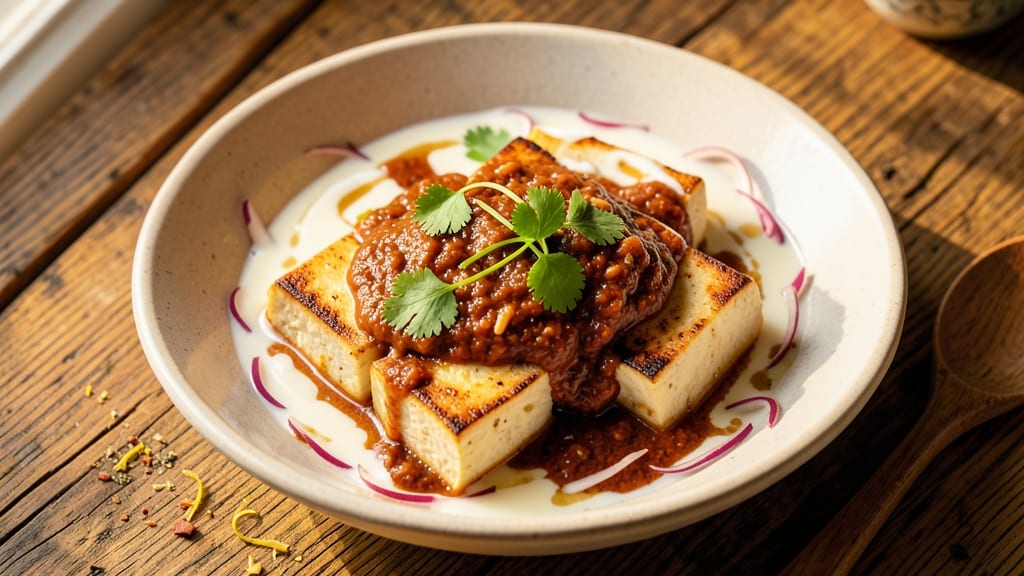
This bean curd curry recipe transforms silky tofu into a fragrant, aromatic dish that blends Thai and Japanese influences in perfect harmony. The secret lies in a balanced spice blend—ginger, lemongrass, and miso—that creates depth without overpowering the delicate bean curd.
I developed this recipe after years of refining plant-based curries, and it’s now a staple in my weekly rotation for its rich, velvety texture and complex flavors.
The process begins with sautéing aromatics until fragrant, then gently cooking the bean curd to maintain its silky texture. A coconut-miso sauce ties everything together, delivering a creamy, slightly tangy finish that pairs beautifully with steamed jasmine rice or warm roti.
What sets this recipe apart is the fusion of Thai heat and Japanese umami, creating a dish that’s both comforting and exciting.
By the time you serve it, you’ll have a curry that’s restaurant-quality yet simple to prepare—no shortcuts, just layered flavors. The bean curd absorbs the aromatic sauce perfectly, leaving you with tender, flavorful bites that melt in your mouth.
This is the kind of dish that turns a regular weeknight into a special occasion.
Serve it with a side of fresh herbs or a sprinkle of toasted sesame seeds for extra texture. The possibilities for variations are endless—adjust the spice level or swap in different vegetables to suit your taste. Let’s get cooking!
Ingredients for bean curd curry
Silky tofu meets aromatic Thai-Japanese fusion in this rich, velvety bean curd curry.
| Ingredient | Amount | Notes |
|---|---|---|
| Extra-Firm Tofu (Bean Curd) 🍲 | 14 oz | Pressed, drained, cubed |
| Full-Fat Coconut Milk 🥥 | 1 can | 13.5 oz can, unsweetened |
| Red Curry Paste 🌶️ | 2 tbsp | Thai brand preferred |
| White Miso Paste 🍶 | 1 tbsp | Japanese, unsweetened |
| Fresh Lemongrass 🌿 | 3 pieces | Stalks, bruised, cut into 2-inch pieces |
| Fresh Ginger 🧅 | 2 tbsp | Grated, freshly |
| Garlic Cloves 🧄 | 4 cloves | Minced, fresh |
| Vegetable Oil 🫒 | 2 tbsp | Neutral, high smoke point |
| Vegetable Broth 💧 | 1 cup | Low-sodium, homemade preferred |
| Lime Juice 🍋 | 1 tbsp | Freshly squeezed |
| Coconut Sugar 🍯 | 1 tbsp | Or sub maple syrup |
| Fresh Thai Basil 🌿 | ¼ cup | Packed, stems removed |
| Sea Salt 🧂 | ½ tsp | Fine grain preferred |
| Black Pepper 🌶️ | ¼ tsp | Freshly ground |
| Toasted Sesame Seeds 🌰 | 1 tbsp | For garnish |
The tofu is the star—extra-firm, pressed overnight for that perfect silky texture. Asian markets have the best selection, but any grocery store's organic tofu works. Look for blocks over vacuum-packed; they absorb flavors better. Fresh lemongrass and ginger are non-negotiable here—they carry that bright, zesty punch. I always grab a whole stalk of lemongrass (about 3 pieces) and freeze half for next time. The miso paste? Japanese white miso from the international aisle adds that umami depth without overpowering.
No red curry paste? Mix 1 tbsp each chili powder, turmeric, and cumin—close enough. Subbing coconut milk? Full-fat cashew cream works but loses some richness. Fresh Thai basil hard to find? Regular basil plus 1/4 tsp fish sauce substitute (use vegan fish sauce). The coconut sugar can be swapped for maple syrup—just reduce other liquids by 1 tbsp. For extra heat, add 1/2 tsp chili flakes at the end. The tofu cubes should be 1-inch squares—too big and they won't absorb enough flavor.
This curry tastes even better the next day—3-4 days in the fridge, 3 months frozen. I portion mine into glass jars with rice for easy lunches. For freezing, cool completely first, then store with a thin layer of oil on top to preserve texture. Reheat gently on low—high heat makes the tofu rubbery. Garnish with sesame seeds right before serving (they toast in seconds). Leftovers? Toss with rice and a fried egg for breakfast—trust me on that.
Why You'll Love This Recipe
- One-Pot Magic: I swear by this recipe—just toss in the tofu, coconut milk, and curry paste, then let it simmer. No chopping mountains of veggies, no fancy techniques, and the miso paste adds that umami punch without extra effort.
- Creamy & Crispy Contrast: That crispy tofu edge with the velvety coconut-miso sauce? It’s a match made in flavor heaven. The lemongrass brightens everything up, so it’s never heavy—just ridiculously good.
- Lunchbox Hero: Between us, this curry reheats like a dream and keeps its texture for days. Pack it in containers for work lunches or meal prep Sundays—your future self will thank you (and so will your wallet).
- Budget-Friendly Luxury: Tofu and coconut milk stretch this into a full meal without breaking the bank. Honestly, I make it twice a month just because it’s so satisfying, yet costs less than half of takeout. Win-win.
Step-by-step instructions for silky tofu and fragrant Thai spice fusion
Here's how to create a velvety bean curd curry that balances rich Thai flavors with umami depth.
Prepare the Tofu for Maximum Texture
Begin by pressing the 14 oz extra-firm tofu (bean curd) for 20-30 minutes using a tofu press or heavy weight. This removes excess moisture, ensuring your curry stays silky rather than watery. Wrap the tofu in a clean kitchen towel and place it under a heavy pan or between two cutting boards with a weight on top.
Once pressed, carefully unwrap the tofu and pat it completely dry with paper towels. Cut it into 1-inch cubes—uniform pieces ensure even cooking. Here's the thing: the drier the tofu, the better it absorbs flavors and maintains structure. If you skip this step, your curry will turn out soggy instead of luscious.
Build the Flavor Base with Aromatics
Heat 2 tablespoons vegetable oil in a large, heavy-bottomed pot over medium heat. Add the 3 pieces fresh lemongrass (bruised and cut into 2-inch pieces), 2 tablespoons fresh ginger (grated), and 4 cloves garlic cloves (minced). Cook for 3-4 minutes until the ginger becomes fragrant and the garlic turns golden—this releases their essential oils and forms the aromatic foundation of your curry.
Next, stir in 2 tablespoons red curry paste and 1 tablespoon white miso paste, cooking for another 1-2 minutes until the paste darkens slightly and the oil begins to shimmer. The miso adds umami depth while the red curry paste delivers that signature Thai heat. Don't rush this step—properly blooming the spices ensures maximum flavor extraction.
Simmer the Silky Sauce
Pour in the 1 can full-fat coconut milk and stir to combine, scraping up any browned bits from the bottom of the pot—these contain concentrated flavor. Add 1 cup vegetable broth and bring the mixture to a gentle simmer over medium-low heat. Let it cook uncovered for 8-10 minutes, stirring occasionally, until the sauce thickens slightly and the coconut aroma becomes pronounced.
Here's where the magic happens: reduce the heat to low and stir in 1 tablespoon coconut sugar and 1 tablespoon lime juice. The acidity brightens the dish while the sugar balances the heat. Let the sauce simmer for another 5 minutes, allowing the flavors to meld into a cohesive, fragrant blend. The sauce should coat the back of a spoon but remain pourable.
Incorporate the Tofu and Finish
Gently add the prepared tofu cubes to the simmering sauce. Simmer for 5-6 minutes on low heat, stirring occasionally to ensure even coating. The tofu should absorb the rich, spiced coconut sauce while maintaining its structure. If the sauce becomes too thick, add 2-3 tablespoons water to maintain the desired consistency.
Season with 0.5 teaspoon sea salt and 0.25 teaspoon black pepper, then remove from heat. Let the curry rest for 5 minutes—this allows the flavors to settle and the tofu to fully absorb the sauce. The result should be tender, flavorful tofu cubes suspended in a velvety, aromatic coconut broth.
Garnish and Serve with Confidence
Ladle the curry into serving bowls and garnish with 0.25 cup fresh Thai basil (packed, stems removed) and 1 tablespoon toasted sesame seeds. The basil adds a fresh, slightly peppery note that cuts through the richness, while the sesame seeds contribute a nutty crunch. Serve immediately with steamed jasmine rice to soak up every last drop of that luxurious sauce.
Each bite should deliver a harmonious blend of creamy coconut, spicy Thai heat, umami from the miso, and the subtle sweetness of lime. The tofu should be tender but still hold its shape—proof that proper preparation transforms simple ingredients into something extraordinary.
Pro Tips For Making Bean Curd Curry
- PRESS THE TOFU DRY: Extra-firm tofu still holds water—wrap it in a kitchen towel, press it between two plates with a heavy object (like a cast-iron pan) for 15 minutes before cubing. Wet tofu turns to mush in coconut milk; dry tofu soaks up flavor like a sponge.
- STIR THE PASTE FIRST: Red curry paste loves to clump. Bloom it in 1 tablespoon oil over medium heat for 2 minutes, stirring constantly, before adding coconut milk. Skipping this step means uneven spice distribution—your curry will taste like a flavor rollercoaster.
- SIMMER NOT BOIL: Once the coconut milk comes to a gentle simmer, reduce to the lowest heat setting that keeps tiny bubbles dancing. Boiling splits the milk into a greasy mess, and your curry will taste like a sad, watered-down version of itself.
- GRILL THE LEMONGRASS: Char the lemongrass stalks over a gas flame for 30 seconds per side before bruising them with the back of a knife. The smoky depth cuts through the richness of coconut milk, and it’s way more interesting than just chopping it raw.
Perfect pairings for this recipe
Rice Pairings
Jasmine rice is my go-to companion for this curry—its delicate floral aroma and slightly sticky texture make it perfect for soaking up the rich coconut sauce. Cook 1 cup jasmine rice with 1.5 cups water and a pinch of salt, then steam until fluffy.
For extra flair, add 1 tsp coconut milk to the cooking water. The rice should be hot when serving to balance the curry's warmth. 🍚
Bread Options
Warm naan or roti adds a satisfying contrast to the creamy curry. I like to brush the bread with garlic butter (melted butter + minced garlic) and toast it in a skillet for 30 seconds per side until golden.
For a gluten-free option, serve with rice crackers or toasted bagel chips. The bread helps mop up any leftover sauce without overpowering the dish.
Vegetable Sides
Light, fresh sides cut through the richness of the curry. I recommend steamed bok choy with a sprinkle of sesame oil or a simple cucumber salad> with rice vinegar and chili flakes.
For heartier options, try roasted sweet potatoes> tossed in 2 tbsp maple syrup> and 1 tsp smoked paprika> until caramelized. The natural sweetness complements the spicy-sweet curry beautifully.
Protein Additions
Want to make this curry even heartier? Stir in ½ cup cooked chickpeas> during the final 5 minutes> of simmering for extra protein. For a seafood twist, add ½ lb shrimp> (peeled and deveined) in the last 3 minutes> of cooking—they absorb the sauce perfectly.
If you prefer meat, pan-seared chicken thighs> work well, but keep cooking time to 5 minutes> to avoid drying them out.
Drink Pairings
A crisp Thai iced tea> (sweetened with condensed milk) mirrors the curry's flavors while cooling the palate. For something lighter, try a sparkling lime soda> with a squeeze of fresh lime.
If you prefer alcohol, a chilled Sauvignon Blanc> from New Zealand offers bright acidity that cuts through the richness. Avoid heavy red wines—they'll clash with the coconut and spices.
Garnish Upgrades
Elevate your curry with these finishing touches: drizzle with chili oil> for heat, sprinkle crushed peanuts> for crunch, or add quick-pickled red onions> (thinly sliced onions + vinegar + sugar) for tang.
Fresh cilantro**> works if Thai basil is unavailable, though it has a slightly different flavor profile. The key is to add garnishes just before serving so they stay vibrant and fresh. ✨
Nutrition facts
Frequently asked questions
Can I use regular tofu instead of bean curd?
Yes, but with one key adjustment: opt for extra-firm tofu and press it 30-45 minutes longer to remove all moisture. The recipe works best with firm tofu that holds its shape while absorbing flavors. Silken tofu will turn mushy—avoid that! For extra texture, try pressed and marinated tofu (soaked in soy sauce + cornstarch) before adding to the curry.
How do I adjust the spice level?
Start with the base recipe, then tweak to taste: reduce heat by omitting 1/2 tsp chili flakes or using yellow curry paste instead of red. For extra kick, add 1/4 tsp cayenne or stir in 1 tbsp sriracha at the end. Always taste the sauce before adding the tofu—you can't remove spice later! For kids, serve their portion without the chili garnish.
Why did my tofu turn rubbery?
Overcooking is the most common cause—simmer the tofu for only 5-6 minutes on low heat. Another culprit? Skipping the pressing step or using pre-packaged tofu with excess water. For best results, always press extra-firm tofu and pat it completely dry. If it's already rubbery, try reheating it gently in the sauce with 1 tbsp coconut milk to restore moisture.
Can I make this curry ahead of time?
This dish tastes even better the next day. Store in an airtight container in the fridge for 3-4 days or freeze for 3 months. Reheat gently on low heat, adding 1-2 tbsp water if the sauce thickens too much. Pro tip: Freeze portions with rice for easy meal prep—just reheat together and garnish fresh.
What's the best way to serve leftovers?
Transform leftovers into a new meal! Try curry fried rice (chop curry into 1-inch pieces, stir-fry with rice, egg, and veggies), or make curry wraps with tortillas, avocado, and cilantro. For breakfast, top with a fried egg and hot sauce. The flavors only deepen after resting, so don't waste those leftovers—get creative!