
Main Courses
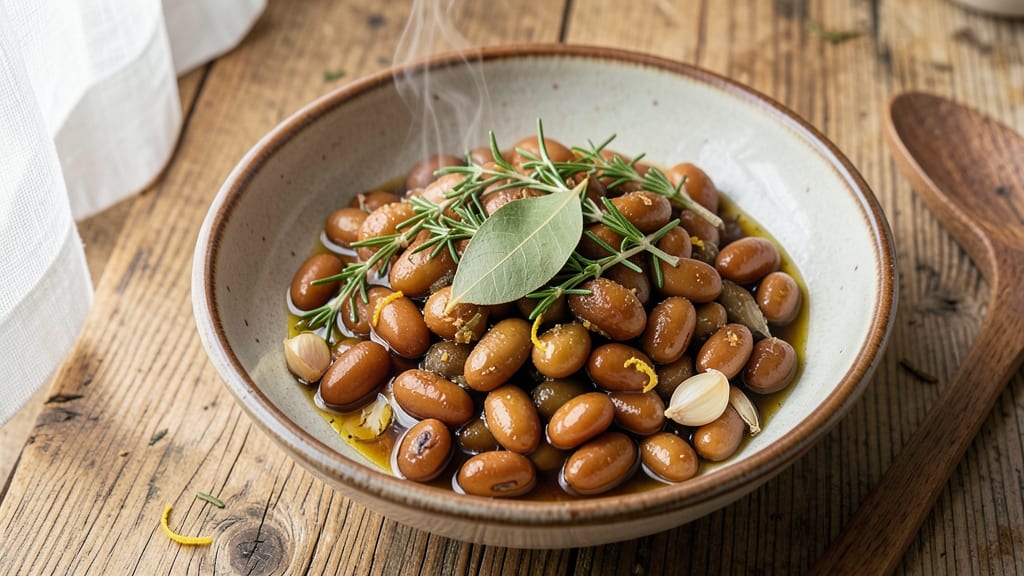
This bean confit recipe transforms humble dried beans into a rich, smoky masterpiece that tastes like a celebration in every bite. The secret lies in slow-simmering them in flavorful fat—traditionally duck or pork, but easily adapted with olive oil or vegan alternatives.
What begins as simple beans emerges tender, infused with garlic and herbs, ready to elevate any meal.
The process is straightforward yet transformative: soak the beans overnight, then braise them gently until they reach that signature melt-in-your-mouth texture. The fat not only preserves moisture but carries deep, savory flavors that penetrate each bean.
Whether you use traditional animal fats or plant-based oils, the result is a dish that’s both rustic and refined.
Serve these beans as a hearty side with crusty bread, or let them shine as a main course with a sprinkle of fresh herbs and flaky salt. The slow cooking ensures they’re tender yet firm, absorbing all the smoky garlic infusion.
This technique turns basic beans into a showstopper that pairs beautifully with roasted vegetables or grilled meats.
Perfect for meal prep, these beans taste even better the next day as flavors meld further. The method is foolproof, delivering restaurant-quality results with minimal effort. Let’s get started on this dish that’s equal parts comforting and impressive.
Ingredients for bean confit
Transform simple dried beans into restaurant-quality confit with these flavorful ingredients.
| Ingredient | Amount | Notes |
|---|---|---|
| Dried Cannellini Beans 🌾 | 1 ½ cups | Unsoaked, dried beans preferred |
| Extra-Virgin Olive Oil 🫒 | 1 ½ cups | High-quality, fruity variety |
| Garlic Cloves 🧄 | 6 whole | Peeled, lightly crushed |
| Fresh Thyme Leaves 🌿 | ½ cup | Or 1 tbsp dried thyme |
| Fresh Rosemary 🌿 | ¼ cup | Chopped, fresh preferred |
| Bay Leaves 🍃 | 2 whole | Dried, standard size |
| Vegetable Broth 💧 | 2 cups | Low-sodium preferred |
| Smoked Paprika 🌶️ | 1 tbsp | For smoky depth |
| Flaky Sea Salt 🧂 | 1 ½ tbsp | For finishing |
| Fresh Parsley 🌿 | ¼ cup | Chopped, for garnish |
| Lemon Zest 🍋 | 1 tsp | Freshly grated |
| Water 💧 | 8 cups | For overnight soak |
The beans are the foundation, so choose cannellini or great northern—their firm texture holds up beautifully. Trader Joe's or bulk bins at natural grocery stores often carry the best quality. Soak them overnight in plenty of water (at least 8 cups for 1.5 cups dried beans) to ensure even cooking. The olive oil carries the smoky flavors, so look for extra-virgin with fruity notes—none of that cheap cooking oil. Garlic should be fresh, with vibrant cloves that smell pungent when peeled. For the herbs, fresh thyme and rosemary make all the difference, though dried works in a pinch (use one-third the amount).
No smoked paprika? Substitute with a pinch of liquid smoke plus extra garlic for that deep, smoky character. Running short on vegetable broth? Water plus a bouillon cube works just as well. The bay leaves add subtle earthiness—don't skip them, but remove before serving. For a vegan twist, ensure your olive oil is certified plant-based. If you're short on time, soak the beans in warm water with a splash of vinegar to speed up hydration. The lemon zest is optional but brightens the dish beautifully—use organic if possible for the best flavor.
Store the confit in an airtight container submerged in its fat—this preserves texture and flavor for up to 5 days in the fridge. For longer storage, freeze portions in 1-cup containers for up to 3 months. The beans reheat beautifully—just warm gently in the fat over low heat. For meal prep, portion into containers with a splash of the cooking liquid to keep them moist. These beans taste even better the next day as flavors meld further—perfect for batch cooking.
Why You'll Love This Recipe
- No-Soak Needed: I’ll admit, I used to dread soaking beans—until I discovered these dried cannellinis just work when simmered right in their pot. The olive oil does the heavy lifting here, softening them perfectly without extra fuss.
- Herb-Infused Magic: That first bite? Crispy edges hugging a creamy center, kissed by rosemary’s piney punch and thyme’s earthy warmth. Honestly, the garlic doesn’t even need to be minced—just whole cloves left to mellow into the oil.
- Meal Prep MVP: Between us, this is my lazy Sunday project: a big batch in the slow cooker, then I pull it out for salads, grain bowls, or even stuffed into crusty bread. Keeps for weeks in the fridge, too—no sad, soggy beans here.
- Pantry Goldmine: Dried beans cost pennies, and olive oil stretches further than you’d think when you’re simmering them low and slow. I make this when I’m broke or when I’m hosting—same result, zero guilt. (Yes, even on a Tuesday night.)
Step-by-step instructions for slow-simmered bean confit
Transform simple dried beans into luxurious, melt-in-your-mouth confit with this method.
Prepare the Beans for Soaking
Place the 1.5 cups dried cannellini beans in a large bowl and cover them completely with the 8 cups water. Let them soak at room temperature for at least 8 hours or overnight - this ensures even cooking and prevents splitting. I like to soak them in the refrigerator for better flavor absorption, but room temperature works too.
After soaking, drain the beans and rinse them thoroughly under cold water. This removes any excess starch that could make the final texture gummy. Give them a gentle squeeze to check for doneness - they should be pliable but still firm to the touch. If they're still hard, add an extra 30 minutes to your cooking time later.
Build the Flavor Base
In a large Dutch oven or heavy pot, combine the 1.5 cups extra-virgin olive oil, 6 whole garlic cloves, 0.5 cup fresh thyme leaves, 0.25 cup fresh rosemary, 2 whole bay leaves, and 1 tbsp smoked paprika. Heat over medium-low heat for 5 minutes, stirring occasionally, until the garlic begins to turn golden and the herbs release their aromatic oils.
This step develops the foundation of your confit's complex flavor profile. The olive oil should shimmer but not smoke - if it starts to bubble vigorously, reduce the heat immediately. The garlic should be fragrant but not browned, and the herbs should release their essential oils rather than burn.
Simmer the Beans Until Tender
Add the drained beans and 2 cups vegetable broth to the pot. Bring to a gentle simmer over medium heat, then reduce to low heat and cover partially. Simmer for 1.5 to 2 hours, stirring occasionally, until the beans are fork-tender with just a slight bite remaining. You'll know they're ready when a knife slides in easily but the center still has a tiny resistance.
During this time, the beans will absorb the aromatic oils and develop their signature confit texture. I check for doneness by pressing a bean between my fingers - it should mash slightly but not completely break apart. If the liquid reduces too much, add ½ cup water to maintain the proper consistency.
Finish with Seasoning and Resting
Remove the pot from heat and stir in the 1.5 tbsp flaky sea salt and 1 tsp lemon zest. Let the confit rest covered for 15 minutes - this allows the flavors to meld and the beans to absorb the seasoning completely. The lemon zest will brighten the rich, smoky flavors while the salt enhances all the components.
Before serving, taste and adjust seasoning if needed. The beans should be perfectly seasoned with a balance of smoky, herbal, and slightly citrus notes. The final texture should be creamy yet still hold its shape, with a luxurious coating of infused olive oil.
Serve Warm with Fresh Herbs
Gently stir in the 0.25 cup fresh parsley just before serving to add a fresh, bright contrast to the rich confit. Serve immediately while warm, spooning the beans with their flavorful cooking liquid. The confit keeps well in the refrigerator for up to 5 days, making it perfect for meal prep.
This confit works beautifully as a standalone dish with crusty bread, or as a hearty side for grilled meats. The texture and flavor will impress even experienced cooks - it's the kind of preparation that transforms simple ingredients into something extraordinary.
Pro Tips For Making Bean Confit
- SOAK BEANS OVERNIGHT: I learned this the hard way—skipping the overnight soak leaves you with beans that refuse to soften, no matter how long you simmer. Toss dried cannellinis in a bowl, cover with cold water by at least 3 inches, and let them sit for 12 hours. The extra time breaks down the starches, so they cook evenly and absorb that rich olive oil like a dream.
- USE LOW AND SLOW HEAT: After burning three batches of beans because I rushed the confit process, I finally figured out: low heat is your friend. Once the beans are submerged in oil, keep the temperature between 275°F–300°F (135°C–150°C). Too hot, and the oil smokes; too cool, and they never get tender. A candy thermometer saves your sanity—trust me.
- TOAST GARLIC AND HERBS FIRST: Sounds weird, but it works: dry-toast your garlic cloves and herb sprigs in a separate pan with a splash of olive oil until the garlic is golden and the thyme/rosemary release their aroma. Toss them into the beans after they’ve been simmering in oil for 30 minutes—this layers flavor instead of letting it fade into the oil.
- SKIP THE BOILING START: I was skeptical until I tried it: don’t bring the oil to a full boil when adding the beans. Instead, heat it just until it shimmers (around 200°F/93°C), then gently submerge the soaked beans. This prevents the outer skins from splitting and turning mushy, keeping them intact and silky. Your future self will thank you.
Flavor customization for this recipe
Smoky Heat Levels
Adjust the smoky depth by controlling the amount of smoked paprika. For a subtle hint, use just ½ tsp—this still delivers a whisper of smokiness without overpowering. I find 1 tbsp gives that classic confit character, while 2 tbsp creates a bold, campfire-style intensity.
For extra depth, add a pinch of liquid smoke (about ¼ tsp) to the simmering liquid. 🌶️
Herbal Variations
Swap out thyme and rosemary for other Mediterranean herbs. Try 1 tbsp dried oregano plus 1 sprig fresh sage for a more earthy profile. A mix of ½ tsp fennel seeds and ½ tsp crushed red pepper adds an Italian-inspired twist.
For a French bistro vibe, use 1 sprig fresh tarragon and a pinch of white pepper instead.
Citrus Brightness
Lemon zest isn't your only option—try orange zest for a sweeter contrast or grapefruit zest for a tangy bite. Add a splash of fresh orange juice (about 2 tbsp) during the final resting phase to infuse the beans with citrus notes.
For a tropical twist, finish with ½ tsp grated lime zest and a sprinkle of cilantro.
Umami Boosters
Enhance the savory depth with 1 tbsp soy sauce or 1 tsp miso paste during the simmer. For a meaty flavor without meat, add 1 tbsp nutritional yeast at the end.
A splash of red wine (about ¼ cup) while simmering adds complexity, while 1 tsp fish sauce (for non-vegan versions) amplifies umami richness.
Spicy Kick Options
Add heat with ½ tsp cayenne pepper or 1 tsp chili flakes during the simmer. For a smoky-spicy combo, mix 1 tsp smoked paprika with ½ tsp chipotle powder.
A dash of hot sauce (like Tabasco) at the end adds brightness. For a sweet-spicy balance, stir in 1 tsp honey or maple syrup with the cayenne.
Global Flavor Twists
Transform this into a Moroccan tagine by adding 1 tsp ground cumin and ½ tsp ground coriander. For a Spanish-inspired version, swap smoked paprika for pimentón de la Vera and add ½ tsp saffron threads.
A Thai-inspired take includes 1 tsp lemongrass paste and ½ tsp galangal (or ginger) during the simmer. Each variation keeps the confit technique while introducing bold new flavors. ✨
Nutrition facts
Frequently asked questions about bean confit
Can I use canned beans instead of dried for this recipe?
While you can use canned beans for convenience, they won't give you the same luxurious texture. Canned beans are already pre-cooked and lose their ability to absorb flavors deeply during the confit process. If you must use them, drain and rinse thoroughly, then simmer in the flavorful oil for at least 30 minutes to infuse them with the smoky garlic aroma. For best results, stick with dried beans—they develop that signature melt-in-your-mouth confit texture.
What's the best fat to use if I'm avoiding animal products?
For a plant-based version, use extra-virgin olive oil—it's the most flavorful option and works beautifully. Look for a high-quality, fruity variety to carry the smoky garlic infusion. You can also use avocado oil or vegetable shortening for a neutral base, though olive oil will give the best flavor. Just ensure it's enough to fully coat the beans during cooking.
How do I know when the beans are perfectly tender?
Test doneness by pressing a bean between your fingers—it should mash slightly but still hold its shape. You can also use the knife test: a fork should slide in easily, but the center should have a tiny resistance. Overcooking turns beans mushy, so aim for 1.5 to 2 hours of simmering. If they're still firm, add ½ cup water and continue cooking for another 20-30 minutes.
Can I make this recipe in a slow cooker?
Transfer the soaked beans and all ingredients to your slow cooker, then cook on low for 6-8 hours or high for 4-5 hours. The low-and-slow method enhances the confit texture beautifully. Just be mindful of liquid levels—add ½ cup water if it reduces too much. The beans will absorb all that smoky garlic flavor while staying tender and flavorful.
Why does my bean confit taste bland?
Bland flavor usually means the beans didn't absorb enough seasoning. Make sure you're using enough smoked paprika and fresh herbs, and don't skip the resting time—this lets flavors meld. Taste as you go and adjust with flaky sea salt or a pinch of citrus zest. Also, ensure your fat (olive oil or lard) is high-quality—cheap oils lack flavor. For extra depth, add a splash of red wine or soy sauce during cooking.