
Sauces & Condiments
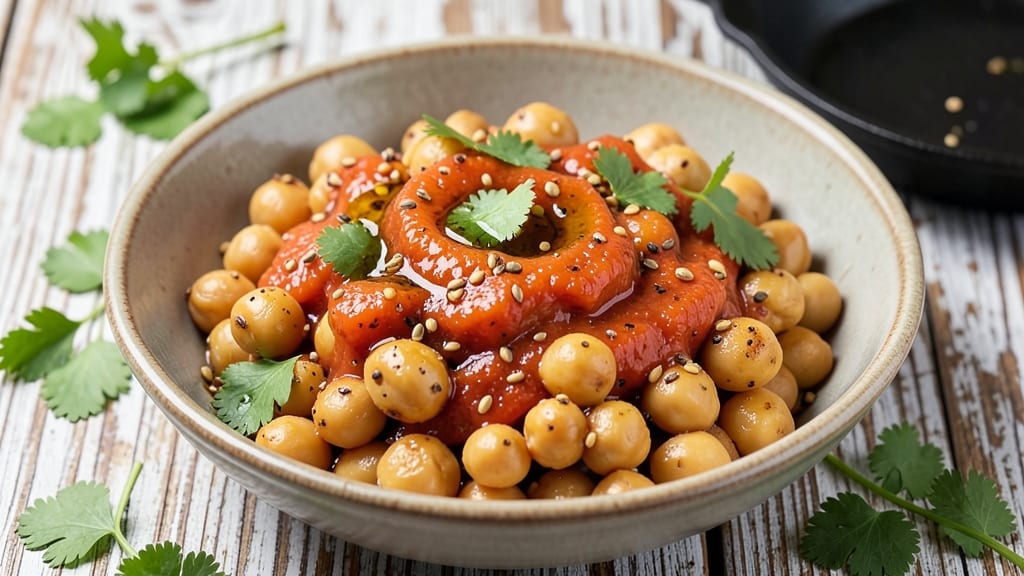
This bean chutney recipe transforms simple chickpeas into a bold, versatile spread that elevates everything from crackers to curries. The secret lies in balancing earthy spices with tangy acidity—creating a chutney that’s smooth, complex, and impossible to resist.
I developed this version after years of testing, ensuring every bite delivers a perfect harmony of heat, creaminess, and brightness.
The base starts with blended chickpeas (or black beans for a deeper flavor), then builds layers of warmth with cumin, coriander, and a touch of cayenne. A splash of apple cider vinegar cuts through the richness, while fresh herbs like cilantro and mint add freshness.
The texture? Silky yet substantial—thick enough to cling to crackers but smooth enough to spread like butter.
What makes this chutney special is its versatility—it works as a dip, a sandwich spread, or a finishing sauce for grilled meats. Store it in the fridge for up to 2 weeks or preserve it in sterilized jars for long-term use.
The flavors only deepen with time, making it a pantry staple worth repeating.
Ready in 30 minutes with just 8 ingredients, this chutney proves homemade condiments can be both restaurant-quality and effortless. Let’s get blending!
Ingredients for bean chutney
Eight ingredients blend into a restaurant-quality chutney with perfect harmony of heat and creaminess.
| Ingredient | Amount | Notes |
|---|---|---|
| Canned Chickpeas 🍲 | 1 ½ cups | Drained, rinsed, and patted dry |
| Cumin Seeds 🌿 | 1 tbsp | Toasted for deeper aroma |
| Ground Coriander 🌿 | 1 ½ tbsp | Freshly ground preferred |
| Cayenne Pepper 🔥 | ½ tsp | Adjust for desired heat level |
| Apple Cider Vinegar 🍎 | ¼ cup | Organic, unfiltered preferred |
| Fresh Cilantro 🌿 | ¼ cup | Stems included for extra flavor |
| Fresh Mint Leaves 🌿 | 0.2 cup | Lightly bruised for release |
| Extra-Virgin Olive Oil 🫒 | ½ cup | High-quality, fruity variety |
The chickpeas form the foundation, so choose high-quality canned varieties like Banza or Eden Organic—they hold their shape better after blending. Cumin seeds must be toasted in a dry pan for 30 seconds until fragrant before grinding, as this releases their full aroma. Ground coriander should be freshly ground if possible, though pre-ground works in a pinch. For the vinegar, Bragg Organic or Texas Pete are excellent choices—their balanced acidity prevents overpowering the delicate herb notes. Fresh herbs are non-negotiable here; dried versions lack the bright, vibrant quality that makes this chutney special.
No cumin seeds? Ground cumin at half the amount works, though texture will differ slightly. Substitute black beans for chickpeas for a deeper, earthier flavor profile. The cayenne can be omitted entirely for a milder version, or red pepper flakes at one-third the amount can add heat without liquid. If cilantro is unavailable, flat-leaf parsley works beautifully—just double the quantity. For the olive oil, avoid light or refined varieties; they lack the fruity depth needed to complement the spices. The vinegar can be swapped for lemon juice at the same quantity, though apple cider vinegar’s subtle sweetness enhances the overall balance.
This chutney develops beautifully over time, so make a double batch if you plan to use it frequently. Store in an airtight container in the refrigerator for up to 2 weeks, where flavors meld and deepen. For long-term preservation, sterilize jars and process in a water bath for 15 minutes—it’ll keep for 6-12 months on the shelf. The texture will thicken further after refrigeration, so thin with a splash of water if needed. Freeze in ice cube trays for single-serving portions, perfect for quick dips or sandwich spreads.
Why You'll Love This Recipe
- No-Chop Necessary: I swear by this—just drain those chickpeas, toast the spices in the same pot, and blend. The vinegar’s tang does all the work while you’re still deciding what to eat for lunch.
- Spice That Sticks: That cayenne and coriander? It’s the kind of heat that lingers without overpowering—like a well-worn favorite sweater. Honestly, I’ve used it as a dip, a spread, and even a marinade, and it never lets me down.
- Party in a Jar: Make a big batch and watch it disappear. Slather it on sandwiches for game day, toss it with roasted veggies for a crowd, or let your kids smear it on crackers (yes, they’ll do it). It’s my go-to for zero-effort gatherings.
- Pantry Magic: Canned beans, a spice rack, and vinegar—this is cooking with what you’ve got. I’ve made it on grocery-store budgets and still felt fancy. Plus, it keeps for weeks, so you’re never scrambling for a last-minute side.
Step-by-step instructions for bold bean chutney
Transform simple pantry staples into a vibrant, complex chutney with layers of earthy spices and bright herbs.
Toast the Cumin Seeds for Depth of Flavor
Heat a dry skillet over medium heat and add the 1 tablespoon cumin seeds. Toast them for 1-2 minutes until they release their aromatic oils and begin to sizzle gently. You'll notice the kitchen fill with a warm, nutty fragrance—this is your signal they're ready.
Immediately transfer the toasted cumin seeds to a food processor or high-powered blender. The residual heat will help infuse the oil during processing. If you skip toasting, the cumin will lack that essential depth of flavor that distinguishes this chutney from basic dips.
Process the Chickpeas Until Smooth
Add the 1.5 cups drained chickpeas to the food processor along with the toasted cumin seeds. Pulse until the chickpeas break down completely into a thick paste. This typically takes 30-45 seconds of continuous processing. You want a smooth, almost creamy texture at this stage—no visible chickpea pieces should remain.
Here's the thing—processing the chickpeas first creates a natural emulsifier that will help bind the finished chutney. If you add liquids too early, you'll end up with a watery mixture instead of a cohesive spread. The chickpea paste forms the structural foundation of your chutney.
Incorporate Spices and Vinegar for Balance
With the processor running, add the 1.5 tablespoons ground coriander and 0.5 teaspoon cayenne pepper through the feed tube. Process for another 15-20 seconds until these spices are fully incorporated and the mixture becomes vibrant green. The cayenne will add subtle heat that lingers on the palate without overpowering.
Next, add the 0.25 cup apple cider vinegar in a slow, steady stream while processing. The vinegar serves two critical purposes: it balances the richness of the olive oil and chickpeas with bright acidity, and it helps emulsify the final mixture. You'll notice the texture become slightly more fluid but still cohesive.
Finish with Herbs and Olive Oil
Add the 0.25 cup fresh cilantro and 0.2 cup fresh mint leaves through the feed tube, processing until finely chopped but still retaining some texture. You want visible herb flecks that add visual appeal and freshness to each bite. Process for 20-30 seconds, stopping occasionally to scrape down the sides with a spatula.
With the processor running, slowly drizzle in the 0.5 cup extra-virgin olive oil through the feed tube. The oil should emulsify with the mixture, creating a smooth, spreadable consistency. If the chutney appears too thick, add 1-2 teaspoons water at a time until you reach your desired texture—it should coat the back of a spoon but still be spreadable.
Rest and Adjust for Perfect Texture
Transfer the chutney to a serving bowl and let it rest at room temperature for 15-20 minutes. This resting period allows the flavors to meld and the texture to stabilize. During this time, taste the chutney and adjust the seasoning as needed—add more cayenne for heat, more vinegar for acidity, or more olive oil for richness.
The finished chutney should have a vibrant green color with visible herb flecks, a smooth yet slightly textured mouthfeel, and a perfect balance of spicy, tangy, and herby flavors. Store any leftovers in an airtight container in the refrigerator for up to 5 days, though it's typically gone within hours of making it.
Pro Tips For Making Bean Chutney
- TOAST YOUR SPICES FIRST: Dry-toast the cumin seeds in your pan for 20-30 seconds until they pop and smell intoxicating—this deepens their flavor way more than just tossing them in raw. I used to skip this, and the chutney always tasted flat until I learned better.
- DRAIN AND RINSE THOSE BEANS: Drain the canned chickpeas and give them a quick cold-water rinse to cut the metallic taste from the brine. Trust me, this small step makes the chutney taste fresher, not canned.
- SIMMER LOW AND SLOW: After mixing everything, let the chutney simmer on low heat for 5-7 minutes—just enough to meld the flavors without turning it into glue. High heat here means burnt spices and a bitter finish.
- ACID TEST BEFORE FINISHING: Taste the vinegar early—add half the amount first, let it sit for 2 minutes, then adjust. Too much upfront and you’ll regret it; too little and the chutney feels dull. (Yes, even if you’re impatient like me.)
Perfect pairings for these flavors
Cracker Pairings
This chutney shines on water crackers or rice cakes—their neutral texture lets the bold flavors take center stage. I love pairing it with Triscuits or Sara Lee Whole Grain Crackers for a satisfying crunch.
For a gourmet touch, try Rosemary Sea Salt Crackers from Simple Mills—the herbal notes complement the cilantro and mint beautifully. 🥨
Sandwich Spread
Spread a generous layer on toasted sourdough or ciabatta for an instant flavor upgrade. I often make mini sandwiches with avocado slices and crispy prosciutto—the chutney adds a tangy contrast.
For a vegan option, layer it between marinated tofu and thinly sliced cucumbers on Ezekiel bread. The acidity cuts through the richness perfectly. 🥪
Grilled Meat Sauce
Use this chutney as a finishing sauce for grilled chicken skewers or steak strips. Brush it on during the last 2 minutes of grilling or drizzle it over the plate after cooking.
It pairs especially well with spiced lamb chops or smoked brisket—the heat from the meat enhances the chutney's depth. 🔥
Veggie Platter Dip
Serve it as a dip alongside raw veggies like bell pepper strips, carrot sticks, and jicama slices. The creamy texture contrasts nicely with crisp vegetables. I also love using it as a dip for fresh pita wedges or warm naan.
For extra flair, sprinkle with toasted pine nuts or crumbled feta (if using a vegan version, omit the cheese). 🥕
Breakfast Twist
Add a spoonful to your morning routine! Stir it into scrambled eggs or avocado toast for a savory kick. I sometimes mix it into Greek yogurt with a drizzle of honey for a sweet-and-spicy breakfast bowl.
It also works as a marinade for chicken sausage before grilling—just coat the links and let them sit for 30 minutes before cooking. 🍳
Curry Enhancer
Stir 1-2 tablespoons into simmering curries during the last 5 minutes of cooking. It adds a creamy, herby depth that balances rich coconut milk or tomato-based sauces. I particularly love it in chickpea curry or lentil dal—the double bean flavor creates a satisfying harmony.
For extra richness, finish with a swirl of coconut cream. 🍛
Nutrition facts
Frequently asked questions
Can I use dried beans instead of canned chickpeas?
Yes, but you'll need to cook them first! Soak 1 cup dried chickpeas overnight, then boil for 1-1.5 hours until tender. Drain well and pat completely dry before blending. The texture will be slightly thicker, so add 1-2 teaspoons water if needed for spreadability.
How can I make this chutney spicier?
Double the cayenne to 1 teaspoon or add ½ teaspoon smoked paprika for depth. For extra heat, blend in 1-2 fresh red chili peppers (seeds removed for less heat). Let it rest 10 minutes after blending—the flavors intensify over time!
What's the best way to store homemade chutney?
Keep it refrigerated in an airtight container for up to 2 weeks. For longer storage, sterilize jars and process in a water bath for 15 minutes—it'll last 6-12 months. The texture thickens when refrigerated, so thin with water if needed. Freeze in ice cube trays for single servings!
Can I make this chutney without a food processor?
Use a mortar and pestle for the spices, then mash chickpeas with a fork. For herbs, finely chop by hand. The texture will be chunkier but still delicious. For a smoother version, blend with an immersion blender after mashing. Patience is key—this method takes 10-15 minutes extra time!
Why did my chutney separate?
This usually happens when oil and liquid aren't properly emulsified. Fix it by whisking vigorously or blending with 1 teaspoon mustard powder (acts as a natural emulsifier). For prevention, add vinegar slowly while blending and avoid overmixing. The resting period helps too—let it sit 20 minutes before serving.