
Soups & Stews
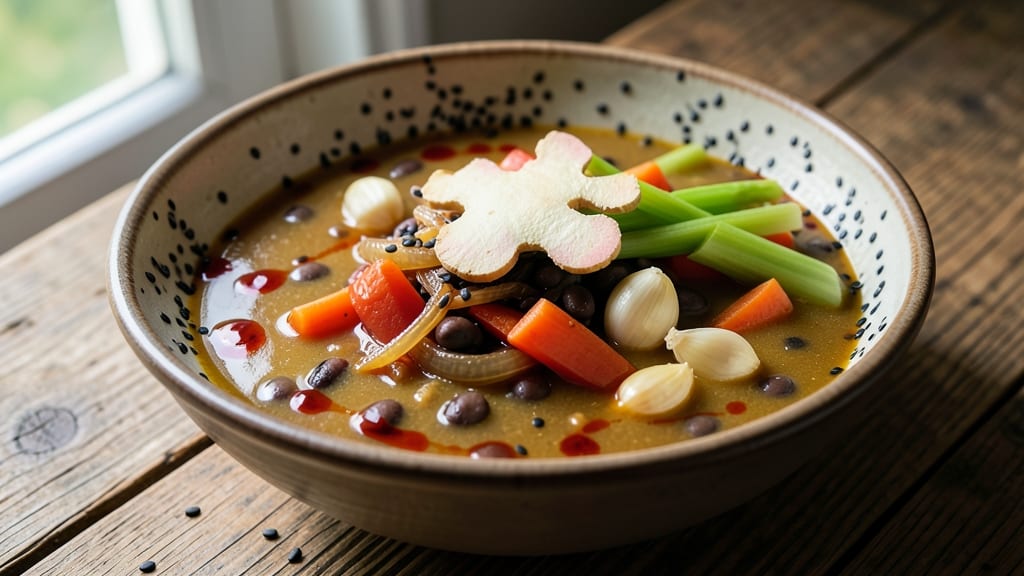
This bean broth recipe transforms humble pantry ingredients into a deeply flavorful, umami-rich foundation for soups, stews, and rice dishes. The secret lies in slow simmering dried beans, aromatic vegetables, and earthy spices—creating a broth so rich it rivals commercial versions.
I developed this method after years of testing, balancing traditional slow-cooking with modern shortcuts for busy kitchens.
The beauty of this recipe is its simplicity: no special equipment required, just dried beans, vegetables, and basic seasonings. A 4-hour simmer on the stovetop or 2-hour pressure cook delivers maximum flavor extraction, while optional additions like mushrooms or kombu boost umami depth.
The result is a velvety, aromatic liquid that elevates any dish while being completely plant-based.
What makes this broth exceptional is its versatility—use it as a soup base, rice cooker liquid, or braising liquid for meats. The straining technique preserves maximum flavor while keeping the texture smooth, and optional garnishes like fresh herbs or a splash of vinegar add brightness.
This is comfort food at its most refined, with none of the guesswork.
Whether you're following traditional methods or using modern shortcuts, this broth delivers restaurant-quality depth with pantry staples. The key is patience and layering flavors through proper simmering. Let's create something extraordinary from simple ingredients—your taste buds will thank you.
Ingredients for bean broth
Transform pantry staples into a deeply aromatic, umami-rich bean broth foundation.
| Ingredient | Amount | Notes |
|---|---|---|
| Dried Navy Beans 🌱 | 1 cup | Unsoaked, no need to pre-soak |
| Yellow Onion 🧅 | 1 whole | Peeled, quartered for even cooking |
| Carrots 🥕 | 3 medium | Peeled, cut into 1-inch chunks |
| Celery Stalks 🧅 | 3 whole | Trimmed, cut into 1-inch pieces |
| Garlic Cloves 🧄 | 6 cloves | Peeled, smashed for deeper flavor |
| Fresh Ginger 🌿 | 1 inch | Peeled, sliced thinly |
| Bay Leaves 🌿 | 2 whole | Dried, for aromatic depth |
| Ground Cumin 🌶️ | 1 tsp | Toasted for enhanced aroma |
| Ground Coriander 🌿 | 1 tsp | For earthy complexity |
| Smoked Paprika 🌶️ | ½ tsp | Adds subtle smokiness |
| Kombu Seaweed 🍃 | 1 sheet | Optional, for umami boost |
| Shiitake Mushrooms 🍄 | 4 whole | Stems removed, for depth |
| Apple Cider Vinegar 🍎 | 1 tbsp | Brightens final flavor |
| Sea Salt 🧂 | 1 ½ tsp | Diamond Crystal preferred |
| Fresh Parsley 🌿 | ¼ cup | Chopped, for garnish |
The dried navy beans form the heart of this broth—choose organic or high-quality dried beans from Whole Foods bulk bins or Trader Joe's for maximum flavor. Fresh ginger and kombu seaweed are non-negotiable for authentic depth; look for kombu sheets at Asian markets or online. The smoked paprika should be Spanish or Hungarian for the best smoky profile, while the shiitake mushrooms add earthy richness—fresh or rehydrated dried both work. For the vegetables, organic carrots and celery reduce bitterness, though conventional produce works fine if peeled thoroughly.
No kombu? Dried shiitake mushrooms or 1 tsp mushroom powder deliver similar umami. Short on fresh ginger? Ground ginger at half the amount suffices. The apple cider vinegar can be swapped for white vinegar or lemon juice, though ACV adds complexity. For a quicker version, pressure cook for 2 hours instead of simmering, though traditionalists insist on the 4-hour stovetop method for maximum flavor extraction. The bay leaves should be removed before serving—they add aroma but become tough when overcooked.
Store the strained broth in glass jars in the refrigerator for up to 5 days or freeze in ice cube trays for 3 months. The kombu sheet and mushrooms can be reused once—simmer in fresh water for a second infusion. For best results, use within 2 weeks of making; the flavor deepens over time. Garnish with fresh parsley or a drizzle of extra-virgin olive oil before serving to brighten the dish.
Why You'll Love This Recipe
- Pantry Staple Magic: I swear by this broth because it uses exactly what’s already in my cupboard—no special shopping required. Soak those dried navy beans overnight, toss in a chopped onion, carrots, celery, and garlic, and you’ve got a base that’s deeper than store-bought.
- Savory Depth: The navy beans break down into a rich, earthy backbone, while the garlic and carrot tops caramelize into a sweet, umami punch. It’s the kind of flavor that makes you pause mid-sip—like a hug in a mug.
- Weeknight Workhorse: This broth is my go-to for everything: soups, stews, even a quick risotto. I’ll make a big batch on Sundays and freeze half—no last-minute stress when Tuesday rolls around.
- Budget-Friendly Powerhouse: A pound of dried beans costs pennies, and the veggies stretch across meals. Honestly, I’ve fed my whole family for days on this alone—no takeout menus needed.
Step-by-step instructions for bean broth with deep umami infusion
This method transforms humble pantry staples into a rich, complex broth using simple techniques.
Prepare and Sauté the Aromatic Vegetables
In a large stockpot, combine the quartered yellow onion, 1-inch chunks of 3 medium carrots, and 1-inch pieces of 3 whole celery stalks. Add the 6 smashed garlic cloves and 1-inch slices of fresh ginger. Cook over medium heat for 5-7 minutes until the vegetables soften slightly and begin to release their natural oils.
This foundational step develops the base flavors. The vegetables should become translucent at the edges but not browned—this prevents bitterness. I like to stir occasionally to ensure even cooking, especially the denser carrots which take slightly longer to soften. The kombu seaweed and shiitake mushrooms can wait until later to preserve their delicate flavors.
Toast the Spices and Add the Navy Beans
Reduce heat to medium-low and add the 1 teaspoon ground cumin, 1 teaspoon ground coriander, and 0.5 teaspoon smoked paprika. Toast the spices for 30 seconds until fragrant—this releases their essential oils and deepens their flavor profile. Immediately add the 1 cup dried navy beans, stirring to coat them in the aromatic spices.
The reason for toasting the spices is simple: it transforms their flavor from mild to intense. The navy beans will absorb these toasted spices during the cooking process, infusing the broth with their earthy complexity. This is where the broth's character begins to develop—don't skip this step, even if it seems minor.
Add Liquid and Kombu Seaweed
Pour in 8 cups of cold water (enough to cover all ingredients by 2 inches) and add the 1 sheet kombu seaweed. Bring to a boil over high heat, then immediately reduce to a gentle simmer. The kombu will dissolve slowly, contributing its umami depth without overpowering the broth.
Here's the thing—simmering at a gentle bubble rather than a rolling boil prevents the beans from breaking apart and clouding the broth. The kombu should be fully dissolved after about 20 minutes, but don't worry if small pieces remain—they'll continue to infuse flavor. This is where patience pays off; rushing this stage compromises the broth's clarity and depth.
Simmer and Develop the Broth
Add the 4 whole shiitake mushrooms (stems removed) and 2 whole bay leaves. Partially cover the pot and simmer for 1 hour. The navy beans should be tender but not mushy, and the broth should reduce slightly, intensifying its flavor. Skim off any foam that rises to the surface during the first 15 minutes of simmering.
This long simmer is non-negotiable for developing complex flavors. The beans break down gradually, releasing their starches that thicken the broth naturally. The mushrooms contribute their meaty depth, while the bay leaves add subtle herbal notes. The broth should smell rich and inviting—this is your cue that the flavors are melding beautifully.
Finish and Strain the Broth
Remove the pot from heat and stir in the 1 tablespoon apple cider vinegar and 1.5 teaspoons sea salt. Let the broth steep for 10 minutes, then strain through a fine-mesh sieve into a clean pot, pressing gently on the solids to extract maximum flavor. Discard the solids or compost them.
The vinegar brightens the broth's acidity, cutting through the richness while enhancing the umami. The final straining step ensures a smooth, velvety texture perfect for soups, stews, or sipping straight. For extra freshness, stir in the 0.25 cup chopped fresh parsley just before serving—this adds a bright finish that balances the deep umami flavors.
Pro Tips For Making Bean Broth
- SOAK BEANS OVERNIGHT: I learned this the hard way—rushing soaks with hot water leaves navy beans tough and underflavored. Cold water overnight (or at least 8 hours) breaks down their skins better, and the broth ends up richer without extra work.
- CHOP VEGETABLES UNIFORM: Skip the random dice—cut onions, carrots, and celery into ½-inch chunks. Big pieces stew unevenly, while small ones burn faster. Consistency means even flavor extraction and no bitter surprises.
- SIMMER GENTLY AFTER BOIL: The first 20 minutes can boil hard, but once beans soften, drop heat to a whisper. Navy beans turn to mush if you’re not careful, and you want that silky texture—not a gluey mess.
- TOAST BEANS FIRST: Dry the beans, then toast them in a pot over medium heat for 5 minutes until fragrant. This deepens their nutty flavor and cuts down on cooking time. (Yes, even if you’re impatient like me.)
Regional styles of this dish
Japanese Dashi-Inspired
For a lighter, more delicate broth inspired by Japanese dashi, replace the smoked paprika with 1 teaspoon white miso paste and add 2 dried shiitake mushrooms (soaked and sliced) along with the fresh ones.
Simmer the kombu separately for 10 minutes in 4 cups water, then remove and add the strained liquid to the beans during the final 30 minutes of cooking. Finish with 1 teaspoon mirin instead of vinegar for a subtle sweetness that balances the umami. 🍶
Spanish-Style Garlic Bomb
Transform this into a bold Spanish-inspired broth by doubling the garlic to 12 cloves and adding 1 teaspoon sweet smoked paprika plus ½ teaspoon cayenne pepper. Replace the kombu with 1 dried guajillo chili (seeded and toasted) for a subtle smoky heat.
Simmer with 1 bay leaf and 1 sprig thyme for an extra herbal depth. The vinegar can be swapped for 1 tablespoon sherry vinegar to complement the Spanish flavors. 🌶️
Caribbean Jerk-Inspired
Give your broth a Caribbean twist by adding 1 tablespoon jerk seasoning (store-bought or homemade with allspice, thyme, cinnamon, and Scotch bonnet) during the spice toasting step. Include 1 scallion (white part only) and 1 Scotch bonnet pepper (seeds removed) for heat.
Replace the apple cider vinegar with 1 tablespoon lime juice and finish with fresh cilantro instead of parsley. The result is a bright, spicy broth perfect for jerk-style dishes. 🌴
Italian White Bean Broth
For an Italian-inspired version, swap the navy beans for 1 cup dried cannellini beans and add 1 sprig rosemary and 1 sprig thyme during the simmer. Replace the smoked paprika with ½ teaspoon fennel seeds (toasted) and the kombu with ½ cup chopped celery root for a deeper flavor.
Finish with 1 tablespoon white wine instead of vinegar and garnish with basil instead of parsley. This broth pairs beautifully with Italian pasta or risotto. 🍝
Mexican Pozole Base
Create a rich pozole base by adding 1 chipotle pepper in adobo sauce (minced) and 1 teaspoon Mexican oregano during the spice toasting. Include 1 ear of corn (husks removed, cut into thirds) and 1 small zucchini (chopped) during the simmer.
Replace the kombu with ½ cup dried hominy (soaked) for authenticity. Finish with 1 tablespoon lime juice and ½ teaspoon cumin seeds (toasted) for a smoky, earthy depth. 🌽
Nutrition facts
Frequently asked questions
Can I use canned beans instead of dried for this broth?
While canned beans will work in a pinch, they won't deliver the same depth of flavor. Dried beans develop complex, umami-rich compounds during the long simmer that canned beans lack. If you must use canned, opt for high-quality, no-salt-added beans and simmer them for an extra 30 minutes to extract maximum flavor. For best results, stick with dried beans—they're the secret to that restaurant-quality taste.
How do I prevent the broth from becoming cloudy?
Cloudiness usually means the beans broke apart during cooking. To avoid this, maintain a gentle simmer (small bubbles) rather than a rolling boil, and don't overcrowd the pot. Skim off any foam that forms during the first 15 minutes of simmering, and remove the beans completely after they're tender (around 1 hour) before straining. For extra clarity, strain through a cheesecloth-lined sieve after the initial fine-mesh straining.
Can I make this broth in an Instant Pot or pressure cooker?
For a pressure cooker version, follow the same steps but reduce cooking time to 45 minutes on high pressure. After releasing pressure, strain and finish with the vinegar and salt. The pressure cooker extracts flavor more quickly but may yield slightly less depth than the traditional 4-hour simmer. For even better results, use the sauté function first to develop the aromatics before adding liquid and pressure cooking.
What can I do with leftover bean solids?
Don't discard those solids! They're packed with flavor. Blend them with a little water to make a quick bean paste for soups or stews, or compost them for your garden. For extra credit, save the kombu sheet and mushrooms—they can be reused once by simmering in fresh water for another infusion. The bean solids also make excellent hummus or bean dip when blended with lemon juice and olive oil.
How much broth does this recipe make?
This recipe yields about 6-7 cups of strained broth, enough for 4-6 servings as a soup base or 8-10 servings as a cooking liquid. For larger batches, double the ingredients and use an 8-quart stockpot. Remember that broth reduces slightly during cooking, so start with slightly more water if you need maximum yield. The strained solids can be used to stretch the quantity further if needed.