
Soups & Stews
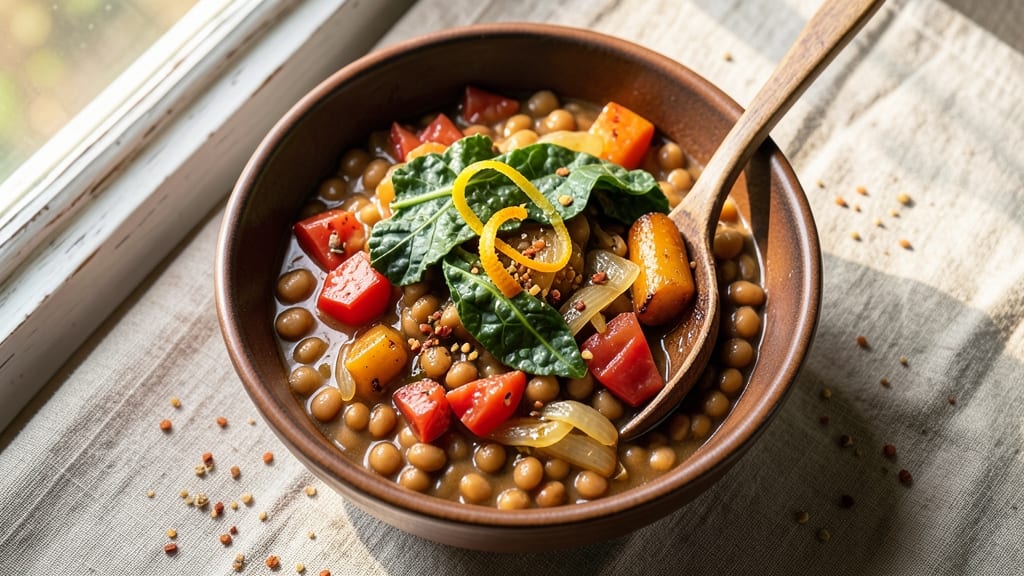
This vegan bean and kale stew delivers a hearty, earthy bowl of comfort that’s packed with protein, fiber, and deep flavor—perfect for chilly evenings or meal prep.
The secret lies in slow-simmering dried beans with aromatic vegetables until they’re tender yet still hold their shape, while kale wilts into rich, slightly bitter notes that balance the dish.
I developed this recipe after years of testing vegetarian soups, and it’s become a staple in my rotation for its satisfying texture and ability to feed a crowd without breaking the bank.
The beauty of this stew is its simplicity: just a handful of pantry staples—beans, kale, tomatoes, and spices—come together in a single pot to create something deeply flavorful. A splash of vinegar brightens the acidity, while smoked paprika adds warmth, and garlic infuses every spoonful with aromatic depth.
The longer it simmers, the more the flavors meld, resulting in a stew that tastes even better the next day. Ready in about 45 minutes, it’s ideal for busy weeknights or weekend cooking sessions.
What you’ll end up with is a stew that’s hearty enough to stand alone or pair with crusty bread, its colors a vibrant mix of deep greens, earthy browns, and rich reds.
The beans stay tender but firm, the kale softens into a velvety texture, and the broth reduces to a thick, savory consistency that coats every bite. It’s the kind of dish that feels like a hug in a bowl—warm, nourishing, and full of earthy satisfaction.
Serve it with a sprinkle of fresh herbs or a drizzle of olive oil for extra richness, or store leftovers in the fridge for up to five days. The flavors only deepen over time, making it a perfect make-ahead meal. Let’s get cooking!
Ingredients for bean and kale stew
Pantry staples and fresh greens create this hearty, protein-packed vegan stew—simple yet deeply satisfying.
| Ingredient | Amount | Notes |
|---|---|---|
| Dried Brown Lentils 🌾 | 1 ½ cups | Rinsed thoroughly before cooking |
| Fresh Kale 🥬 | 12 oz | Stems removed, chopped roughly |
| Fire-Roasted Diced Tomatoes 🍅 | 1 can | 15 oz can, no need to drain |
| Yellow Onion 🧅 | 1 whole | Medium size, diced finely |
| Carrots 🥕 | 3 medium | Peeled, cut into chunks |
| Garlic Cloves 🧄 | 4 cloves | Minced finely for depth |
| Smoked Paprika 🌶️ | 1 tbsp | For rich, smoky flavor |
| Ground Cumin 🌿 | 1 tsp | Toasted for warmth |
| Apple Cider Vinegar 🍎 | 1 tbsp | Brightens the stew |
| Vegetable Broth 💧 | 4 cups | Low-sodium preferred |
| Extra-Virgin Olive Oil 🫒 | 1 tbsp | For sautéing vegetables |
| Sea Salt 🧂 | 1 ½ tsp | Adjust to taste |
| Black Pepper 🌶️ | ½ tsp | Freshly ground |
| Fresh Thyme Leaves 🌿 | ¼ cup | Or 1 tsp dried thyme |
The lentils are the star here—dried brown lentils hold their shape better than canned, giving that perfect bite. Grab a 16 oz bag at Trader Joe's or bulk bins—they're cheaper and last months. For the kale, curly green kale has the best texture, but any variety works. Look for leaves that are bright green, not yellowing or wilted. The carrots can be baby carrots if you're in a hurry, but whole carrots taste sweeter after simmering. Garlic? Fresh is non-negotiable—the powdered stuff won't cut it here.
No smoked paprika? Regular paprika plus a pinch of liquid smoke works in a pinch. Fresh thyme out of season? Dried works at one-third the amount. The apple cider vinegar is key for that bright tang—substitute lemon juice if needed. Vegetable broth matters: low-sodium versions let you control the salt better. For extra richness, stir in a spoonful of nutritional yeast at the end. The tomatoes? Muir Glen fire-roasted is my go-to, but any good brand works.
This stew only gets better with time—tastes even richer the next day. Keeps for 5 days in the fridge or 3 months frozen. Double the batch and freeze half for lazy days. To reheat, add a splash of water or broth—it thickens as it cools. Serve with crusty bread or over quinoa for extra protein. The flavors meld beautifully overnight, so plan ahead if you can.
Why You'll Love This Recipe
- I’ll be real: this stew tastes even better the next day. Pack it in jars for lunches or freeze half for when you’re too tired to cook. The flavors deepen overnight, and reheating it is basically zero effort—just microwave and enjoy. My go-to for lazy Sundays or post-work exhaustion.
- One-Pot Magic: Between us, this stew simmers in a single pot while you sip your coffee. No chopping boards to clean, no extra pans—just toss in the lentils, onions, and carrots, then let the tomatoes and kale melt into something hearty. The lentils soften right in the broth, so you’re not stuck with a side dish.
- Earthy & Bright: Honestly, the combo of fire-roasted tomatoes and fresh kale is chef’s kiss—sweet, tangy, and that peppery kale bite cuts through the richness. The brown lentils add this satisfying meaty texture, and the carrots? They caramelize just enough to make every bite feel like a little reward.
- Meal Prep MVP: I’ll be real: this stew tastes even better the next day. Pack it in jars for lunches or freeze half for when you’re too tired to cook. The flavors deepen overnight, and reheating it is basically zero effort—just microwave and enjoy. My go-to for lazy Sundays or post-work exhaustion.
Step-by-step instructions for bean and kale stew
This hearty stew comes together with simple steps and bold flavors that build as they simmer.
Sauté the Base Vegetables
Heat the 1 tablespoon extra-virgin olive oil in a large pot over medium heat. Add the 1 whole yellow onion and 3 medium carrots (cut into chunks), cooking for 5-6 minutes until the onions become translucent and the carrots begin to soften slightly. You'll know they're ready when the onions release their sweet aroma and the carrots yield slightly when pressed with a fork.
Stir in the 4 cloves garlic cloves (minced) and cook for 30 seconds until fragrant—this prevents the garlic from burning. Here's the thing: don't walk away during this step. Garlic burns in seconds, and you want that nutty, aromatic depth, not bitter smoke. Add the 1 tablespoon smoked paprika and 1 teaspoon ground cumin, stirring for 10 seconds to toast the spices and wake up their flavors.
Build the Stew Foundation
Pour in the 1 can fire-roasted diced tomatoes (no need to drain) and the 4 cups vegetable broth. Bring the mixture to a gentle boil, then reduce heat to medium-low and add the 1.5 cups dried brown lentils (rinsed thoroughly). Stir well to distribute the lentils evenly—this prevents them from clumping together. The broth should bubble steadily but not vigorously; you're aiming for a slow simmer that cooks the lentils gently.
Add the 1 tablespoon apple cider vinegar and 1.5 teaspoon sea salt. The vinegar brightens the stew and balances the earthy flavors, while the salt enhances all the components. Let the stew simmer uncovered for 20 minutes, stirring occasionally. This initial simmer helps the lentils begin to soften and the flavors meld together. You'll see the liquid reduce slightly and the aroma deepen—this is where the magic starts.
Incorporate the Kale and Season
After 20 minutes, stir in the 12 oz fresh kale (stems removed and chopped roughly) and the 0.25 cup fresh thyme leaves. The kale will wilt almost immediately, releasing its vibrant green color into the stew. Add the 0.5 teaspoon black pepper and adjust the seasoning with additional salt if needed—taste as you go, since homemade broths can vary in saltiness. The stew should be rich and well-seasoned, with a balance of smoky, earthy, and slightly tangy notes.
Continue simmering for another 15-20 minutes, or until the lentils are tender but still hold their shape. You'll know they're done when a lentil pressed between two spoons feels soft but doesn't mash easily. The kale should be completely wilted and integrated into the stew, adding a subtle bitterness that complements the sweetness of the carrots and tomatoes.
Rest and Serve
Remove the pot from heat and let the stew rest for 5-10 minutes. This resting period allows the flavors to settle and the stew to thicken slightly as it cools. Taste again and adjust the seasoning one final time—sometimes the stew tastes even better after resting, so this step ensures perfect balance.
Serve the stew warm, accompanied by crusty bread or over a bed of quinoa. The stew should be hearty and comforting, with the lentils providing protein, the kale adding nutrition, and the spices delivering depth. Each spoonful should offer a harmonious blend of textures and flavors, from the tender lentils to the silky broth and the slightly chewy kale. Enjoy it as-is or with a sprinkle of fresh herbs for extra brightness.
Pro Tips For Making Bean And Kale Stew
- SOAK LENTILS 30 MINUTES: I learned this the hard way—skipping the soak means your lentils turn into mush while the kale stays stubbornly tough. Toss them in hot water for half an hour, then drain before cooking. The texture stays firm, and the stew holds together better.
- CHAR ONIONS FIRST: High heat. Seriously, crank it up until those onions are deep golden, not just translucent. I used to rush this, and the whole stew would taste flat. Five minutes of aggressive cooking builds flavor that nothing else can replace.
- STRIP KALE STEMS THIN: Thick stems? They’ll sit like rubber in your stew. Run a knife along the central vein to split them lengthwise—no need to remove entirely. They’ll soften eventually, but this cuts down on chewing work later.
- SALT THE TOMATES: Fire-roasted tomatoes are already salty, but don’t assume. Taste a spoonful before adding them to the pot. If you’re using low-sodium broth, you’ll need to compensate—otherwise, your stew ends up bland. A pinch of salt here makes a real difference.
Common mistakes when making this dish
Skipping the Soak
Dried lentils don’t need soaking, but skipping it can lead to uneven cooking. If you forget to rinse them first, they’ll release starch into the broth, making it cloudy and gummy. I’ve seen stews turn into a thick, gluey mess when unrinsed lentils sit too long.
Always give them a quick rinse under cold water before adding to the pot—this removes surface starch and prevents clumping. 🌾
Overcrowding the Pot
Adding all the ingredients at once can cause the stew to steam instead of simmer, leading to mushy lentils and watery texture. I once doubled the recipe in a small pot and ended up with a sad, thin soup.
Use a large, heavy-bottomed pot (I love my All-Clad Stainless Steel) and add ingredients in stages—start with the base veggies, then lentils, and finally the kale. This ensures everything cooks evenly.
Ignoring the Rest Time
Skipping the 5-10 minute rest after cooking means serving stew that’s still "active," with flavors scattering instead of settling. I’ve caught myself rushing to the table only to find the stew watery and underseasoned.
Let it sit covered—this lets the lentils absorb any remaining liquid, thickens the broth, and lets the smoky, earthy flavors meld. Trust me, it’s worth the wait. ⏳
Underseasoning Early
Tasting too soon (before the kale wilts) means you’ll miss the full flavor development. The stew needs time to build depth—smoked paprika and cumin need at least 20 minutes to infuse properly. I’ve added salt early only to find the dish bland later.
Wait until the final 5 minutes of cooking to adjust seasoning, or even after resting. This ensures every bite is perfectly balanced.
Using Wilted Kale
Yellowing or wilted kale adds bitterness and a slimy texture to the stew. Fresh, vibrant leaves are key—they soften beautifully without overpowering the dish. If your kale looks past its prime, trim away any brown spots and blanch it for 1 minute in boiling water before adding to the stew.
This refreshes the leaves and removes excess bitterness. 🥬
High Heat Simmering
A rolling boil breaks down lentils into mush and evaporates flavors too quickly. The stew should simmer at a gentle bubble, not a vigorous boil. I’ve seen stews turn into a thick paste when cooked too aggressively.
Keep the heat at medium-low and stir occasionally to prevent scorching. A slow cooker on low is actually ideal for this—just add everything at once and let it work its magic for 6-8 hours.
Nutrition facts
Frequently asked questions
Can I substitute canned beans for dried lentils?
Use 2 (15 oz) cans of drained brown lentils instead of dried—just reduce the vegetable broth to 3 cups to maintain the right consistency. The texture will be slightly softer, but the flavor remains rich and hearty.
How do I make this stew spicier?
Add ½ teaspoon cayenne pepper or 1 chopped chipotle pepper in adobo sauce when sautéing the base vegetables. For heat without drying effects, stir in 1 teaspoon hot sauce at the end. Adjust to taste—start small and increase gradually.
Can I prepare this stew in a slow cooker?
Yes! Combine all ingredients (except kale) in your slow cooker, set to low for 6-8 hours or high for 3-4 hours. Add kale and thyme during the last 30 minutes of cooking. The slow cooker method enhances flavors even more, creating a deeply satisfying texture.
What if I don't have fresh thyme?
Use 1 teaspoon dried thyme instead, or substitute with ½ teaspoon dried oregano for a similar earthy note. For extra depth, add 1 bay leaf during cooking and remove before serving. The stew will still taste amazing!
How can I make this stew creamier?
Stir in ¼ cup coconut milk or 2 tablespoons cashew cream during the last 5 minutes of cooking. For a dairy-free option, blend ½ cup cooked white beans with broth and stir back in. The result is a velvety texture while keeping it plant-based.